
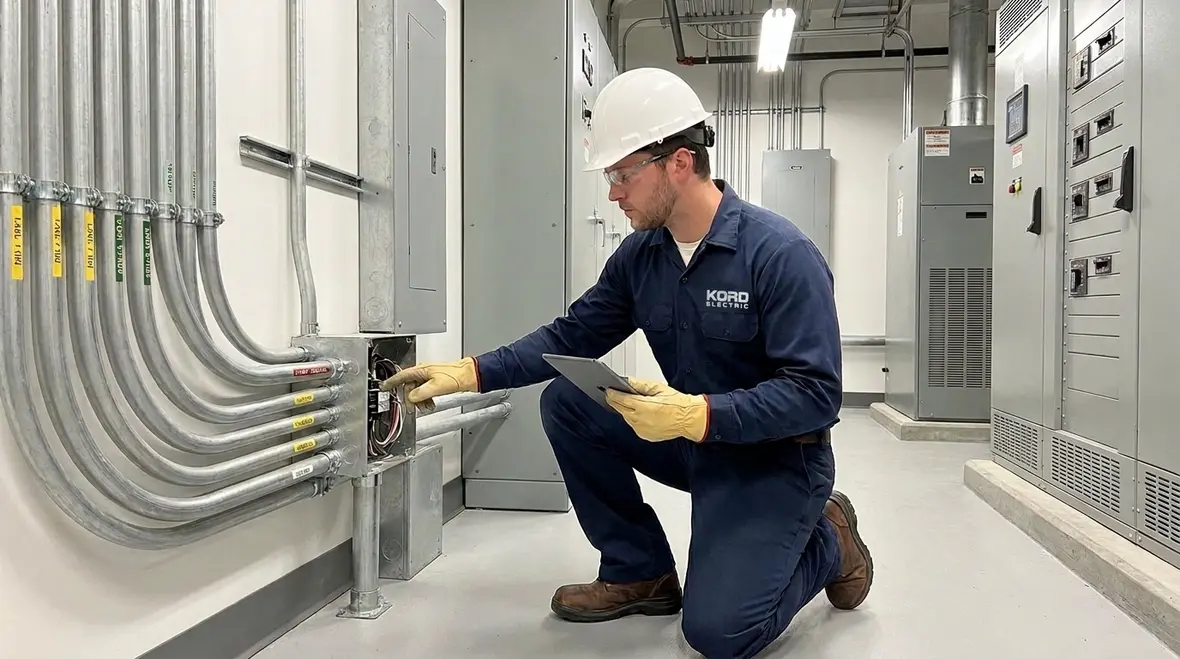
NEC Branch Circuit Uses Permitted Under 334.10
At Kord Electric, we support commercial and industrial facilities, plus major property buildings, with electrical work that follows the NEC branch circuit uses permitted rules. In plain terms, that means we help design and install systems where branch circuit conductors can be used in the right ways, for the right loads, and in the right conditions. And yes, we do it with clear explanations from our technicians and expert service staff, because nobody should have to decode code language like it is a villain monologue from a superhero movie.
In this article, a careful third person perspective explains NFPA 70 Section 334.10, focusing on where branch circuit conductors are permitted. Then we connect the practical dots to real job sites Kord Electric serves, including commercial offices, warehouses, and other major property buildings.
NFPA 70 Section 334.10 in plain terms
NFPA 70 Section 334.10 addresses a key question: where can branch circuit conductors be used when they are run in certain types of nonmetallic sheathed cable assemblies? Put simply, the section sets boundaries for permitted uses, so facilities avoid improper wiring pathways that can increase risk.
Therefore, rather than treating this as a “check the box” rule, facilities should use it as a design guide. Kord Electric reviews these requirements during planning and during field verification. And when our technicians explain it, they often start with one idea: permitted placement is not a vibe, it is a safety rule.
How NEC branch circuit conductors relate to cable type and wiring method
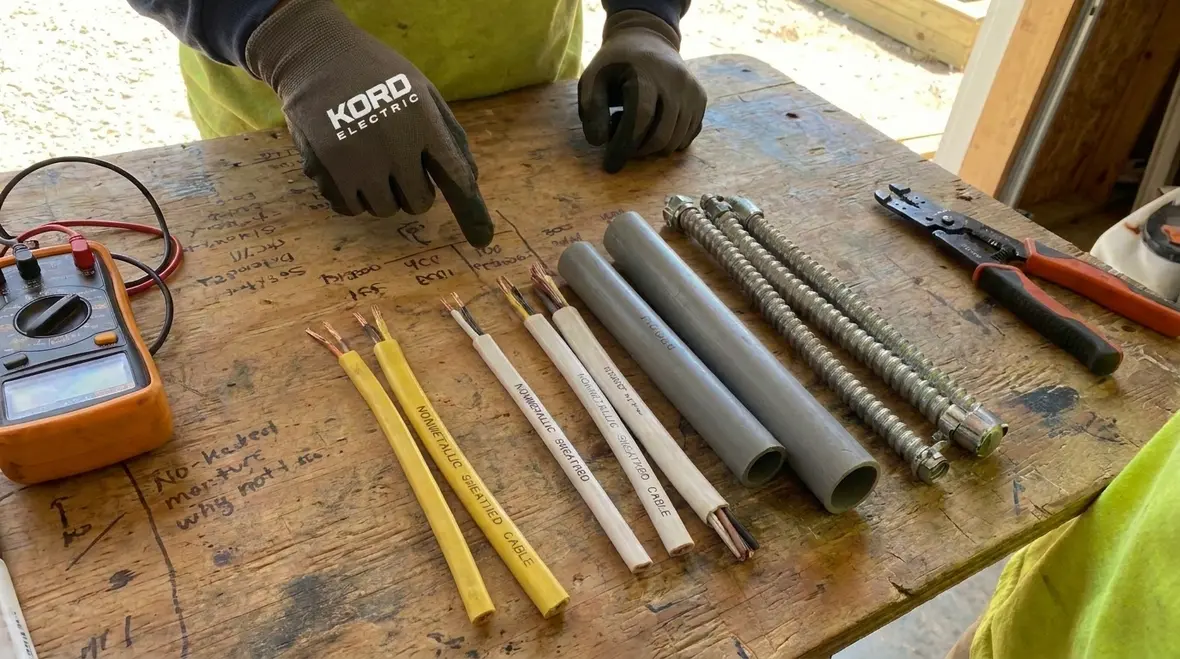
To understand Section 334.10, you have to connect it to the wiring method and the cable type in use. Nonmetallic sheathed cable is not the same as conduit wiring, and the code does not treat all pathways like they are interchangeable. As a result, the permitted locations depend on where the cable sits, what it protects, and how the installation supports safe operation.
In practical terms, Kord Electric focuses on these factors during commercial and industrial projects:
- Physical location, including indoor spaces and protected areas
- Exposure conditions, such as damp areas or places where impact risks exist
- Protection needs, including how to address where damage might occur
- Connection details, including terminations and how branch circuits connect to the system
Then our expert service staff does something useful. They walk facility managers through what changes, what stays the same, and what must be verified before energizing. That way, the electrical system does not “look right” and then fail like a comedy sketch that never got the script.
Where branch circuit conductors are permitted under Section 334.10
Section 334.10 outlines permitted uses for branch circuit conductors based on the cable assembly and the installation location. While specific details vary by the broader NEC Chapter structure, the heart of the section remains consistent: install the conductors in places the code allows, and do it with the right protection and routing method.
Kord Electric typically sees the same recurring issues on commercial sites:
- People assume cable type automatically permits any location, even when the environment increases exposure risk
- Installers route cable where it can take impacts, even though the wiring method requires protection
- Teams connect branch circuit runs without confirming the installation conditions meet the permitted allowances
To keep it grounded, consider how our technicians approach the job. First, they confirm the electrical plan matches the facility needs. Next, they verify the routing pathway and placement conditions. Then they confirm the terminations and physical support match what the cable assembly needs. Finally, they document what they found so the facility can maintain the system without guesswork later.
So, when we say NEC branch circuit uses permitted, we mean the permitted location rules and related installation expectations that keep the wiring safe and compliant, not a vague statement that “the cable is fine because it is cable.”

Design and planning steps for commercial and industrial facilities
Facilities do not get better electrical systems by luck. Therefore, Kord Electric helps clients plan branch circuit runs with clear steps that align with NEC requirements and the realities of building operations.
Here is the process our team commonly uses:
- Confirm the load and application for the branch circuit. We match conductor needs to actual operating conditions, not estimates from yesterday.
- Select the wiring method and cable assembly based on the environment, not just cost or convenience.
- Map the physical routing so the cable placement stays within permitted areas and avoids conditions that trigger additional protection.
- Coordinate with other trades so cable routes do not end up squeezed into conflict zones with HVAC, piping, or structural components.
- Document the installation with enough detail that future maintenance teams can find, inspect, and service without disrupting operations.
Also, because Kord Electric focuses on commercial and industrial facilities and major property buildings, we pay attention to how the space will function over time. A warehouse aisle, for example, behaves differently from a controlled office hallway. And yes, customers sometimes forget that a facility is not a museum. People move forklifts. Stuff happens. That is why permitted placement matters.
For facility teams that want a broader code foundation while they plan branch circuits, Kord Electric often recommends pairing Section 334.10 reviews with resources like our guide on understanding NFPA 70, the National Electrical Code explained for 2026, so the big picture stays connected to day-to-day wiring choices.
Field verification: how our technicians reduce risk
Even when plans look solid, field conditions test the real world. Consequently, Kord Electric sends technicians and expert service staff to verify installs step by step. We do it calmly and thoroughly, because a short cut on a wiring run can create long term problems that show up when you least want them.
During verification, we focus on:
- Placement, confirming cable follows permitted location rules
- Support and protection, ensuring physical risks match the code requirements
- Routing and separation, preventing damage from other systems
- Termination quality, so connections support safe operation
- Labeling and documentation, so future service runs faster and safer
Our team also explains findings in plain language. For example, if a route needs protection due to possible impacts, a technician will say what changes, why it matters, and how it affects the schedule. That approach keeps stakeholders informed without drowning them in code jargon.
Common mistakes that violate permitted-use expectations
Across commercial and industrial work, we often see repeat mistakes that undermine compliance with Section 334.10 principles. These issues do not come from bad intent, but from assumptions and rushed site decisions. And if you think rushed decisions never cause problems, please remember: even movie heroes run into walls when they do not plan.
Common errors include:
- Using cable in areas that require a different wiring method or added protection
- Allowing exposure to physical damage without providing the protection the installation needs
- Ignoring how routing changes during construction, where cable ends up in a new location after layout adjustments
- Skipping documentation, which makes inspections and future changes harder and more risky
When Kord Electric catches these issues early, we correct them early. Then we update documentation so the facility can maintain the system with confidence. This helps reduce downtime and avoids rework that costs more than it should.
Because Section 334.10 does not live in isolation, our teams often tie corrections back to broader system planning topics like data-driven electrical design for commercial facilities or emergency power strategies. That way, permitted-use decisions for branch circuits support overall reliability, not just checklist compliance.
FAQ for Section 334.10 and permitted branch circuit conductors
Facilities teams frequently ask similar questions when they apply NEC branch circuit uses permitted expectations to real projects. The answers below keep the focus on how placement, protection, and verification work together in commercial and industrial environments.
Conclusion and call to action
NFPA 70 Section 334.10 protects your facility by limiting where branch circuit conductors get permitted, based on the wiring method and installation conditions. Kord Electric supports commercial and industrial facilities and major property buildings with clear planning, careful field verification, and explanations from our technicians and expert service staff. If you are reviewing a design, upgrading an area, or correcting an installation, reach out to us. We will help you confirm compliance, reduce risk, and keep your operations running like they mean it.
For property owners and managers in Southern California who need hands-on support with NEC branch circuit uses permitted, Kord Electric offers comprehensive Los Angeles County electrical services that cover design, installation, upgrades, and troubleshooting for complex commercial systems.


