
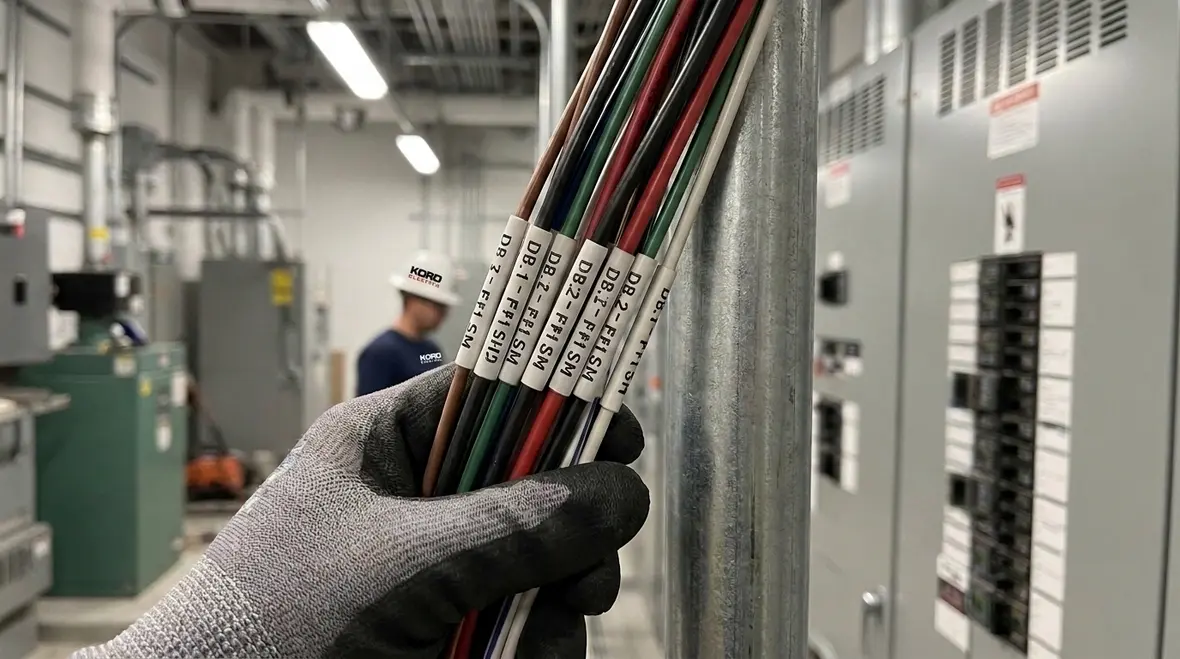
NFPA 70 Section 334.2 Branch Circuit Conductors Listing
At Kord Electric, we help commercial and industrial facilities keep their electrical systems safe, code aligned, and ready for real world use. In the first 100 to 150 words, here is the key idea you need: NFPA 70 Section 334.2 sets the listing requirements for branch circuit conductors. In plain terms, it requires that the conductors used in branch circuits meet the conditions of their electrical product listing. Therefore, you do not treat wiring like a “close enough” hobby project. You follow the listing, you verify the labeling, and you document what is installed. And yes, our technicians have seen what happens when someone tries to improvise. The lights always notice. The code notices too.
Why branch circuit conductors must be listed
In commercial and industrial buildings, branch circuits move power every day and every night. As a result, the code focuses on the exact type of conductor you install, not just the general idea. Section 334.2 ties the conductors to their approved listing, which means the manufacturer tested them for defined conditions and intended use. Then, the listing language becomes the rules that your field install must match.
So, why does this matter? Because “works during testing” does not always equal “works for years” when heat, moisture, mechanical stress, and load patterns all show up later. Furthermore, listings also account for how a conductor handles temperature, insulation performance, and installation method. Consequently, when the listing requirements for branch circuit conductors are ignored, the failure can start quietly and then escalate at the worst possible time. Think of it like a movie sequel nobody asked for. It might look fine in the first scene, but it will eventually turn into chaos.
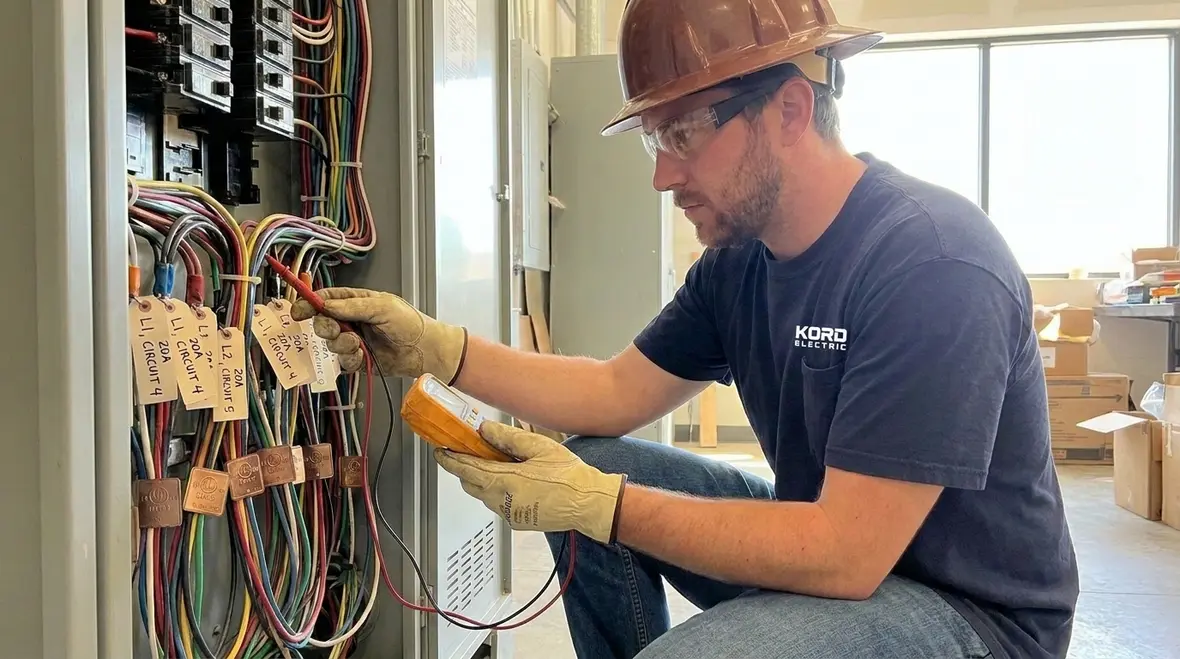
What NFPA 70 Section 334.2 expects in the field
Section 334.2 does not ask for guesswork. It asks for alignment with the listing. Therefore, our approach at Kord Electric is practical: we make sure the conductor you choose, and the way you install it, stays inside the boundaries of its listing.
Here is what that looks like in a typical professional workflow. First, our expert service staff reviews submittals and the job plan. Next, they confirm the conductor type matches what the project specifies and what the listing covers. Then, they verify labeling details in the field, such as the insulation type, conductor rating, and any constraints tied to the listing.
After that, we coordinate with site leadership so decisions happen before installation, not during rework. In addition, we track how the conductor gets routed and supported because install details can affect performance. In other words, we treat listing as a living requirement, not a paper trophy.
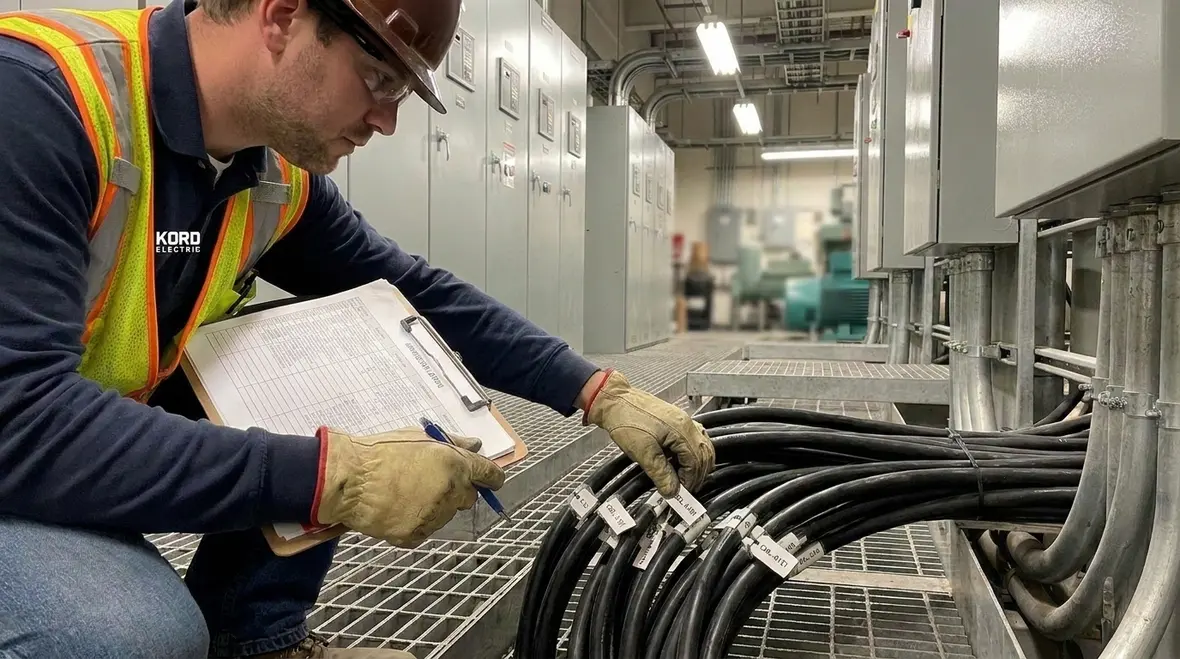
How listing ties into insulation, temperature, and installation limits
NFPA 70 does not separate conductor construction from conductor behavior. Instead, listing requirements for branch circuit conductors connect insulation and construction details to how the conductor performs under load. As temperatures rise, insulation life and electrical stress also change. Consequently, a conductor that is “similar” on paper may not handle the same conditions in real installations.
Our technicians explain this part with calm, steady clarity during walkthroughs for commercial and industrial sites. For example, they often point out that the conductor rating does not stand alone. It depends on how the conductor is used, where it is installed, and how it is protected.
Then there is the installation method. If the wiring system design calls for certain supports, routing, or protection, ignoring those details can push the conductor outside what the listing anticipated. Therefore, our team checks not only the conductor itself, but also the environment it lives in, including congestion, pathways, and exposure to moisture or mechanical damage where applicable to the project.
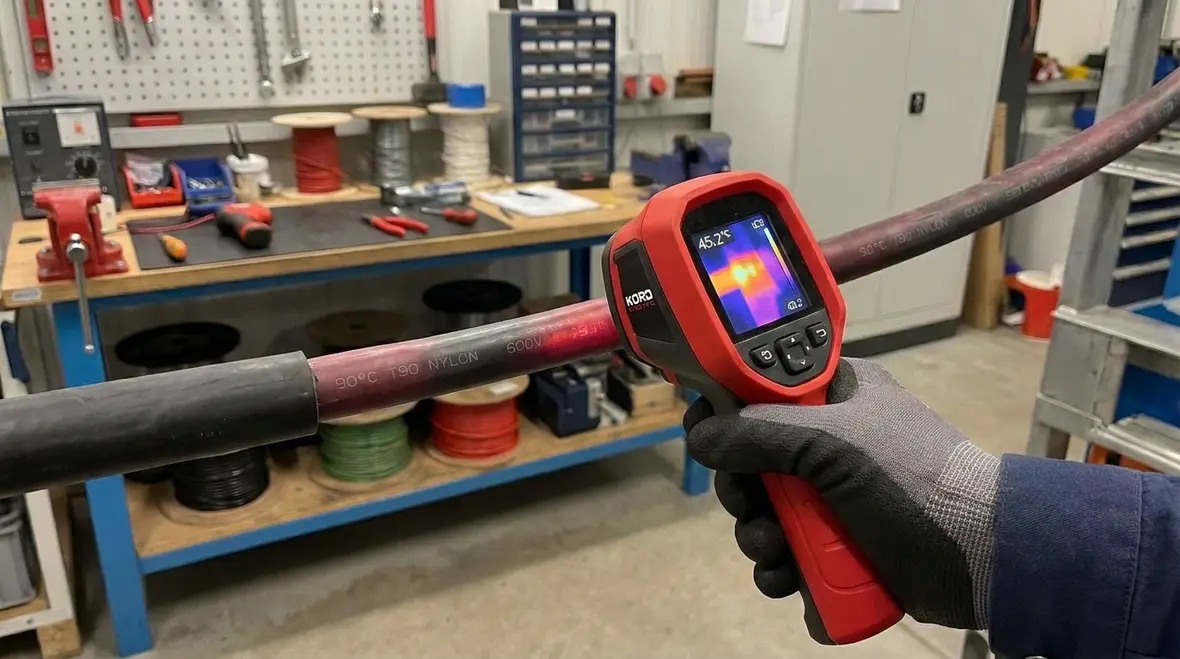
Common compliance mistakes and how Kord Electric prevents them
Commercial and industrial projects move fast. Still, speed does not excuse the typical errors we see during inspections and troubleshooting. First, we notice mismatch issues, where the conductor installed does not match the submittal or approved materials. Next, we see labeling overlooked, where the right conductor type gets installed, but the wrong version gets used in a later phase.
Third, some teams treat the listing requirements as a background detail. However, listings often include constraints that a basic spec sheet does not fully explain. For that reason, our expert service staff does not just “check a box.” They verify the conductor against what the listing supports and what the electrical design assumes.
Lastly, we see install related problems, such as poor support spacing or routing choices that increase heat buildup. When this happens, it can shorten insulation life and trigger nuisance faults. And if you have ever watched a power interruption cascade through a facility, you already know how expensive that can feel, like paying for parking twice because you forgot where you parked.
We also work with project teams to keep documentation clean. When it matters, we make sure the electrical record matches what is actually installed. That reduces rework and helps maintenance teams operate with confidence.
How our service staff supports code aligned electrical systems
At Kord Electric, we serve commercial and industrial facilities and major property buildings. That focus shapes how we work. We plan with facility managers, we coordinate with electrical contractors, and we maintain a documentation trail that supports inspections and ongoing operations.
Our technicians explain code requirements in plain language, then we tie them to install practices that crews can follow. So instead of leaving staff with abstract rules, we translate the “why” into steps: verify materials, confirm conductor listing details, check installation conditions, and keep records straight.
When needed, we also help teams prepare for inspections by reviewing the job walk items that often cause delays. If you have a facility downtime window, we respect it. We move with intent and we communicate clearly. And while we cannot stop the universe from being chaotic, we can stop your project from being chaotic.
Cross referencing listings with safety and reliability goals
Many building teams treat listing as a compliance hurdle. Yet, in reality, it is also a reliability strategy. A listed branch circuit conductor supports predictable performance over time, and it helps the system handle expected loads without stepping into unsafe territory.
Moreover, listing requirements help standardize quality across suppliers and project phases. As a result, the electrical system stays consistent even when crews change shift, vendors change inventory, or projects move through multiple phases. That consistency matters most in larger buildings where maintenance crews need to troubleshoot quickly and safely.
We remind our clients that the goal is not just to pass an inspection. The goal is to keep critical operations running. Therefore, when we align conductors with the NEC listing requirements and install practices, we protect the whole chain: from conductor performance, to circuit behavior, to long term maintenance.
And if you are wondering whether this approach connects to broader NEC guidance, it does. Our team reviews the National Electrical Code principles covered in our educational resources and applies them to real projects, with a focus on commercial and industrial outcomes. For more background on how we explain the NEC in plain terms, you can explore resources through kordelectric.com and kordfire.com, including guidance such as Understanding NFPA 70: The National Electrical Code Explained for 2026, plus the company perspective at kordfire.com.au and related fire service education at firepumps.org.
FAQ for NEC branch circuit conductor listing requirements
Take action: keep your branch circuits code aligned
If your facility is planning new work, upgrades, or a major property electrical refresh, do not leave listing verification to the last minute. Call Kord Electric and let our technicians and expert service staff review your conductor selections, confirm the electrical product listing fit, and support a clean installation path that commercial and industrial sites can trust. We work with your timeline, your inspectors, and your maintenance team. Get it right the first time, and keep your power steady. Reach out today.
If you are coordinating larger upgrades or multi-phase work in Los Angeles County and surrounding areas, our Los Angeles County electrical services team can help you apply NEC branch circuit listing requirements consistently from design through commissioning, so branch circuits, feeders, and service conductors all support the same safety and reliability goals.


