NEC Section 680.83 Aquatic Exercise Equipotential Bonding
In commercial and industrial facilities, electrical safety is not a “nice to have” item. It is a controlled process, and we treat it that way at Kord Electric. To set the tone, we look at NEC Section 680.83 aquatic exercise equipotential bonding early, because it directly supports safer conditions around pool and similar water environments used by major properties. In other words, we make sure metal parts that could become energized do not create a dangerous voltage difference. And yes, water and electricity can be a plot twist, but our technicians keep the story predictable.
We also remind facility managers that the goal is not panic. Instead, we aim for a calm, code-aligned system that works during normal use and unexpected events. Now, let us walk through the National Electrical Code, how the 2026 direction fits, and how we apply it in real projects for commercial and industrial buildings.
What the National Electrical Code covers for modern facilities
The NEC is a safety framework, written so installers, inspectors, and owners speak the same language. It covers wiring methods, grounding and bonding, overcurrent protection, equipment rules, and installation practices that reduce shock and fire risks. Therefore, when a major property has pools, spas, aquatic exercise systems, or water-adjacent electrical loads, NEC requirements become very specific, very quickly.
At Kord Electric, our expert service staff explains these sections in plain terms. We do not just point at a citation and walk away. Instead, we connect the rule to the job on the ground. When you understand why a requirement exists, you can budget for it early, plan schedules, and avoid expensive “fix it later” surprises. And trust us, surprises are fun for movies. On a jobsite, they cost time.
Why NEC updates for 2026 matter to commercial projects
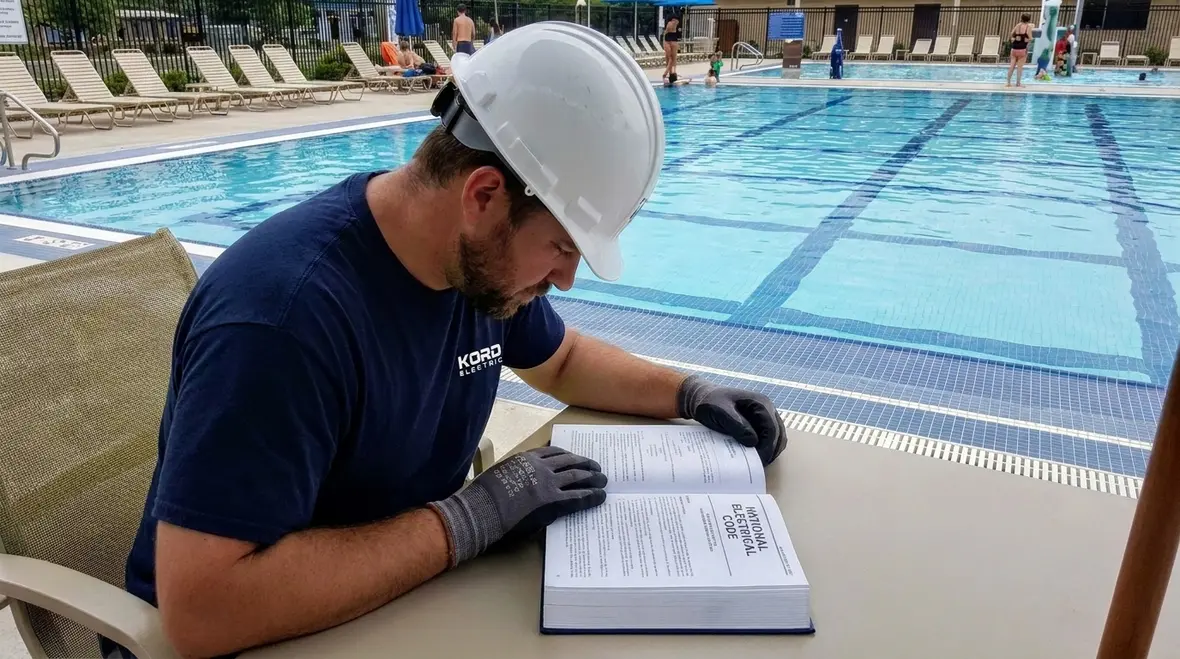
As updates move toward the 2026 cycle, the NEC keeps tightening and clarifying requirements where field experience shows risk. We see that especially around systems with water, metal enclosures, and equipment that interacts with users. So, even when a facility already has electrical work in place, upgrades can become necessary when inspection standards, interpretations, or installation details do not meet newer expectations.
Additionally, major property owners often run mixed-use operations. They might have scheduled maintenance windows, but also peak usage periods where work cannot disrupt patrons or tenants. So we plan. We review the current installation, confirm which parts are subject to bonding and grounding rules, and then we specify upgrades that fit real operations. In short, we help you move forward without turning your facility into a construction set.
For facility teams that want a bigger-picture code roadmap while they plan specific aquatic work, resources like our NEC explainers on the Kord Electric blog, including our guide to understanding the National Electrical Code for 2026, help connect these Section 680 rules to overall electrical planning for commercial and industrial sites.
NEC Section 680.83 and the logic behind equipotential bonding

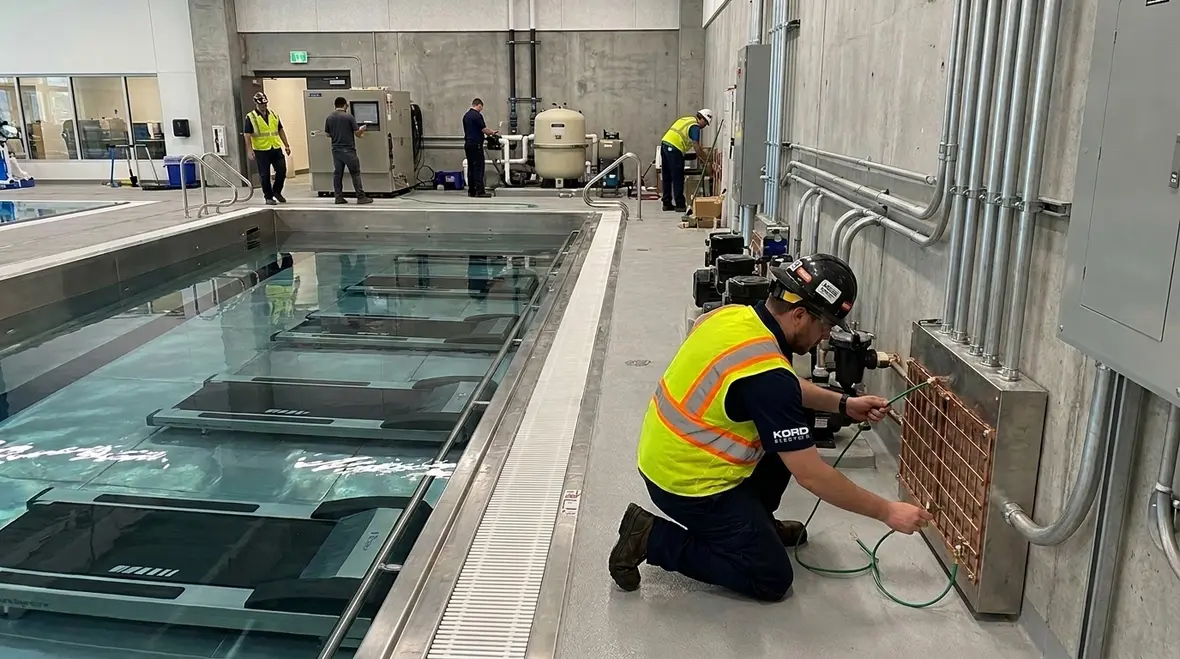
Now let us focus on NEC Section 680.83 aquatic exercise equipotential bonding. In water-related environments, the main safety goal is to keep conductive parts at essentially the same electrical potential. That way, if a fault occurs, a person inside the aquatic area faces less risk from a dangerous voltage difference across their body.
Our technicians approach this with a practical checklist mindset. First, we identify the conductive parts that must be included in bonding. Next, we verify that the bonding connections provide reliable, long term electrical continuity. Then we confirm that the system design prevents stray current concerns and avoids creating new hazards while correcting existing ones.
Importantly, we do not treat equipotential bonding as a “spray paint and hope” task. We verify the bond paths, connection quality, and the interface between bonding conductors and equipment enclosures. As a result, the installed solution supports safe operation, and it also helps inspectors see a coherent, code-aligned system.
When facility teams want more context on how this section fits into the overall NEC structure, articles like our explainer on NFPA 70 Section 90.3 NEC organization and our broader National Electrical Code guides give a helpful backdrop before we zoom in on aquatic exercise bonding decisions on a live project.
How our technicians evaluate bonding, grounding, and installation details
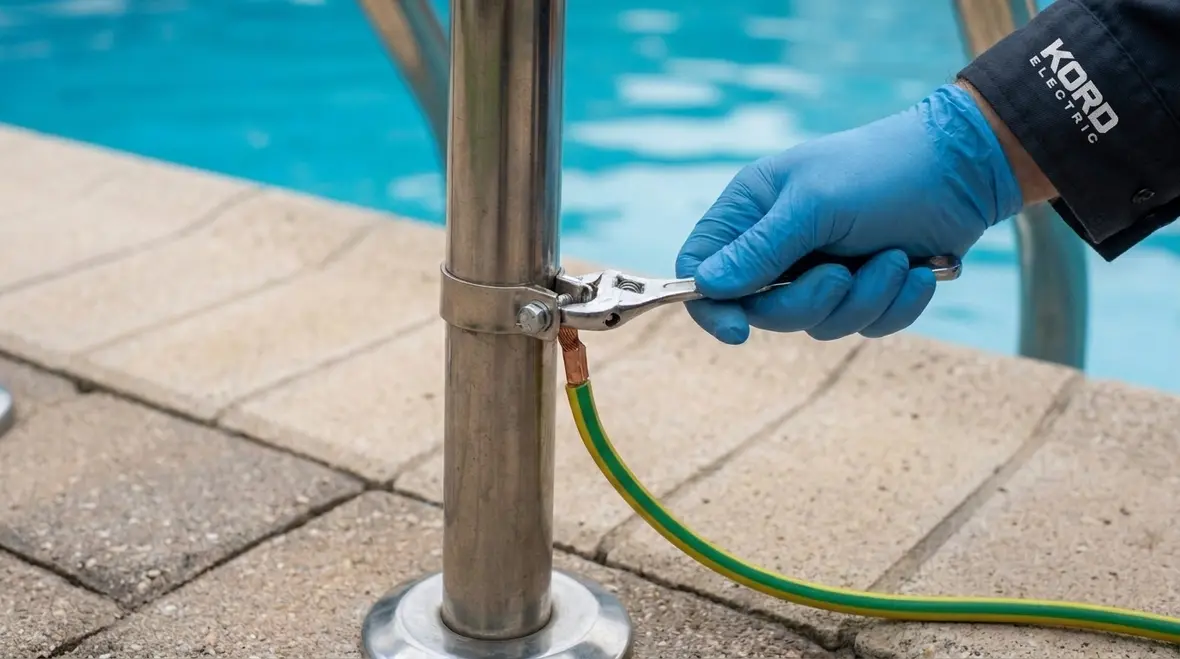
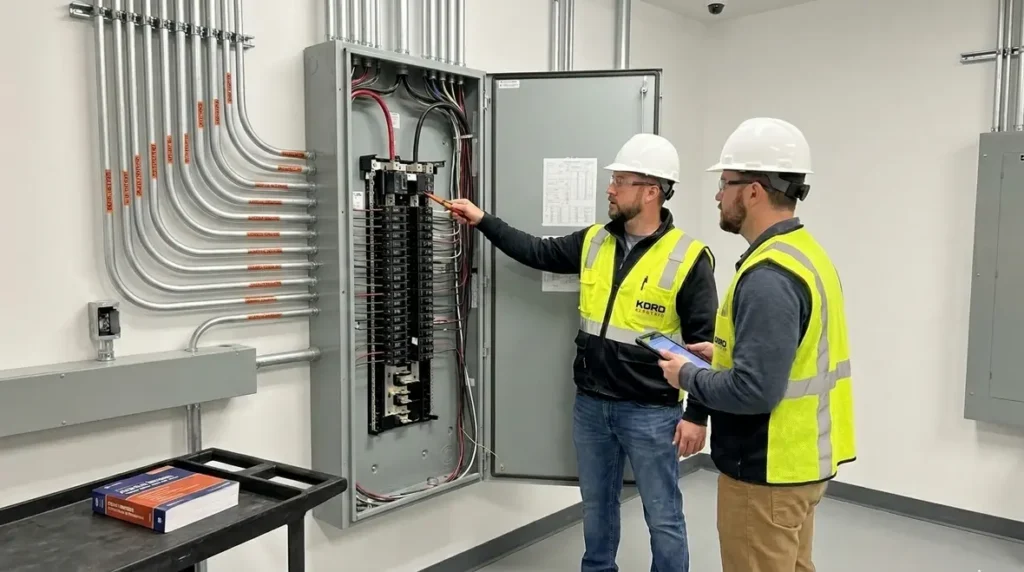
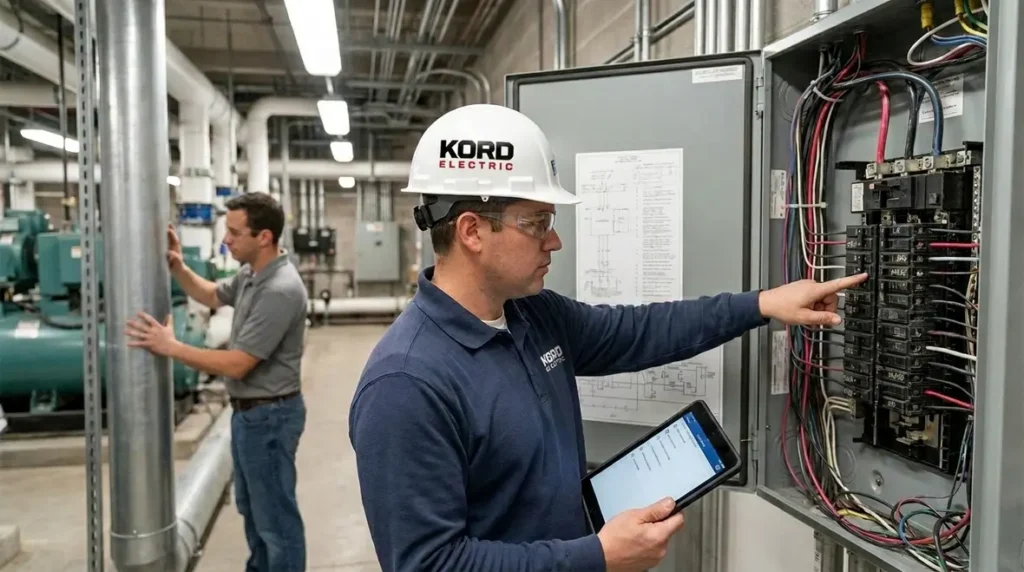
Every facility has its own constraints. That is why we focus on how systems connect in the real world, not just how they look on paper. So, we start by examining the service entrance, panelboard grounding scheme, and any existing bonding conductors that relate to the aquatic areas and connected equipment. Then we move outward toward pumps, motors, metal frames, and any conductive piping or hardware that enters the aquatic space.
After that, we check install quality. We look at conductor sizing, termination integrity, routing, and protection from physical damage. We also verify that the equipment that needs to be tied in for aquatic exercise equipotential bonding receives the correct bonding connections. If something does not make sense, our expert service staff explains the reason and the fix options, so the owner and the contractor team can make informed decisions.
And yes, we speak contractor too. We know you want clarity, not riddles. We provide guidance in a business-ready way: what to change, where to change it, and how to verify it.
For many commercial teams, it also helps to see how requirements like NEC Section 680.83 aquatic exercise equipotential bonding align with related bonding and grounding rules in other NEC sections. That is why we often pair this review with discussions drawn from our grounding explainers and multiwire and branch circuit articles, so your electrical strategy stays consistent across the entire facility.
Coordination with fire protection and water system teams
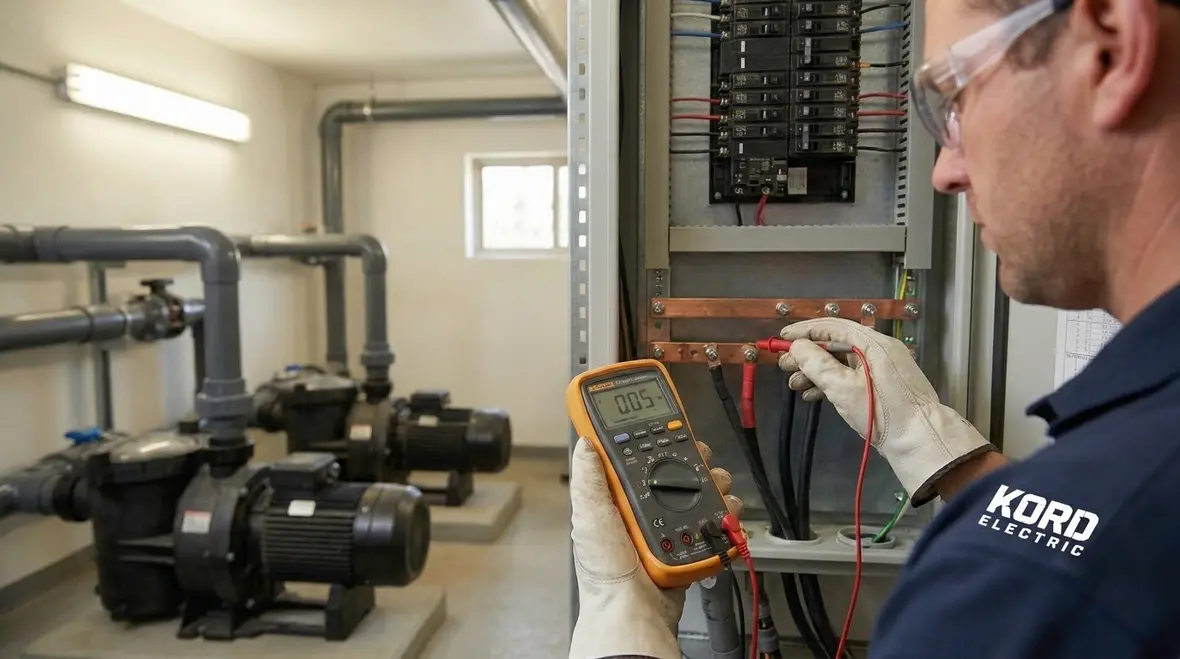
In many major properties, electrical work does not live in isolation. There are fire protection systems, water circulation equipment, and sometimes specialized aquatic mechanical rooms. For that reason, we coordinate with the broader team so electrical bonding and grounding align with the facility’s fire and water strategy.
We also connect our electrical scope to fire safety partners and industry resources. For example, fire pump and water based life safety discussions often appear alongside electrical requirements, because the same spaces and structures host both systems. Organizations such as fire protection and fire pump education groups provide context on why reliable water flow and dependable equipment matter, and we treat that reliability as an electrical design driver too.
Therefore, when we plan upgrades, we consider how electrical bonding impacts equipment operation and how electrical layouts affect safe maintenance access. If a room houses both electrical gear and life safety equipment, our technicians design the solution so it supports safe service routines rather than fighting them.
This same coordinated mindset shows up across our broader NEC guidance work as well. In many of our National Electrical Code articles, we emphasize that grounding, bonding, fire protection, and emergency operations planning all tie together. Treating them as one coordinated system makes it easier to keep people safe and inspections predictable.
Practical steps to plan NEC compliant aquatic electrical work
From initial assessment to bonded, verified systems
We help commercial and industrial facilities follow a clean path from assessment to installation verification. First, we perform an electrical audit focused on the aquatic exercise zones and related equipment. Then we confirm which parts require bonding under the rules tied to NEC Section 680.83 aquatic exercise equipotential bonding and related sections that influence grounding and continuity.
Next, we develop a scope package that contractors can execute without guesswork. That includes labeling, routing expectations, and connection requirements that keep the work consistent. After installation, we verify continuity and inspect termination quality, because a bonded system is only as good as its final connections.
Finally, we document the work in an owner-friendly format. In a perfect world, inspections go smoothly. In the real world, documentation prevents the “we thought it was covered” argument. And for the record, we have heard that argument more times than we can count, like someone quoting a movie and insisting it counts as a policy.
For teams that want additional background beyond the aquatic exercise zone, companion resources such as our in-depth NEC explainers and our article on NFPA 70 wading pool electrical requirements show how different Section 680 installations share the same safety logic, even when the specific equipment and geometry change.
Linking aquatic bonding to overall NEC strategy
Planning for NEC compliant aquatic work is not just about one mechanical room or a single pool shell. It touches feeders, panels, and grounding systems across the building. That is why we often align aquatic bonding upgrades with broader electrical documentation and diagram improvements, using approaches similar to the ones we describe in our feeder diagram and building wiring guides.
When we help you plan upgrades, we do it with the entire electrical story in mind: how the bonding grid interacts with metal structures, how equipotential planes relate to branch circuits and overcurrent protection, and how all of it must be documented so the next round of work does not break the safety you just invested in.
Featured FAQ for aquatic bonding and NEC compliance
Common mistakes we help commercial facilities avoid
Missed conductive parts and incomplete bonding grids
We see predictable errors, especially in projects where multiple trades touch the same equipment. First, conductive parts get missed during bonding because they do not look “electrical” enough. For example, metal frames, certain piping interfaces, or equipment enclosures can slip through review. So we map everything that can conduct and that enters the relevant zones.
Weak connections and “almost bonded” systems
Next, we see weak connections. People tighten hardware and walk away, but poor contact surfaces, incorrect termination methods, or lack of continuity verification can break the system under fault conditions. Therefore, we verify continuity and inspect terminations as part of the final step, not as an afterthought.
Documentation gaps that frustrate inspections
Finally, we see documentation gaps. Facilities end up with partial records, unclear as-built diagrams, or missing notes for inspectors. Our team builds clear documentation, because the best time to explain the work is before the inspection report arrives.
In our broader NEC work, we make the same point repeatedly: clear diagrams, up-to-date records, and consistent labeling are as much a safety tool as a paperwork exercise. Whether we are helping with aquatic exercise bonding, wading pool electrical requirements, or branch circuit and feeder design, the record of what you built is what future crews and inspectors will trust.
How NEC Section 680.83 ties into wider facility planning
Treating NEC Section 680.83 aquatic exercise equipotential bonding as a narrow specialty item misses the bigger opportunity. When we plan these upgrades, we also look at how the aquatic exercise spaces relate to other water features, like fountains or wading areas, and how those features tie into the building’s overall electrical infrastructure.
Sometimes that means aligning new bonding conductors with panelboard upgrades or distribution changes described in other NEC sections. In other cases, it means coordinating with ongoing electrical code upgrade consulting or preventive maintenance planning so crews handle multiple safety tasks in a single well-planned window instead of three rushed visits.
Whatever the combination, we keep the focus on practical outcomes: reducing shock risk, preventing nuisance trips, keeping equipment reliable, and helping you pass inspections without last-minute scrambling. And if your facility operates in a high-demand region with little tolerance for downtime, aligning aquatic bonding work with broader electrical services can be one of the smartest scheduling moves you make.
Regional service support for NEC-driven upgrades
For facilities in Southern California, many aquatic and electrical upgrades happen under tight schedules and demanding occupancy calendars. If your building is in this region and you need a partner who treats NEC work, including Section 680.83 bonding, as a full project rather than a quick checkbox, our Los Angeles County electrical services team supports everything from assessment to final documentation across commercial and industrial properties.
That same team draws on the broader Kord Electric blog library, including in-depth NEC resources such as “What Is NFPA 70? Understanding the National Electrical Code” and “How to Read NFPA 70,” to keep your project anchored to the latest code expectations while we work through real-world constraints like access, staging, and tenant operations.
Conclusion and call to action
If your commercial or industrial facility includes aquatic exercise systems, pools, or related water equipment, do not leave bonding and code compliance to chance. At Kord Electric, our technicians review your existing installation, apply NEC requirements like NEC Section 680.83 aquatic exercise equipotential bonding, and verify results with an inspection-ready approach. Reach out to us for a focused assessment and a practical compliance plan. We will keep things steady, safe, and on schedule, with less stress for your team and fewer surprises for your inspectors.
And if you are already planning other code-driven upgrades across your site, our broader NEC articles and service offerings make it easier to connect the dots between aquatic safety, building wiring, grounding for nonelectrical equipment, and long-term documentation. The result is a facility that behaves the way the code intends, not just on paper, but during the real shifts when people are in the water and equipment has to do its job.