
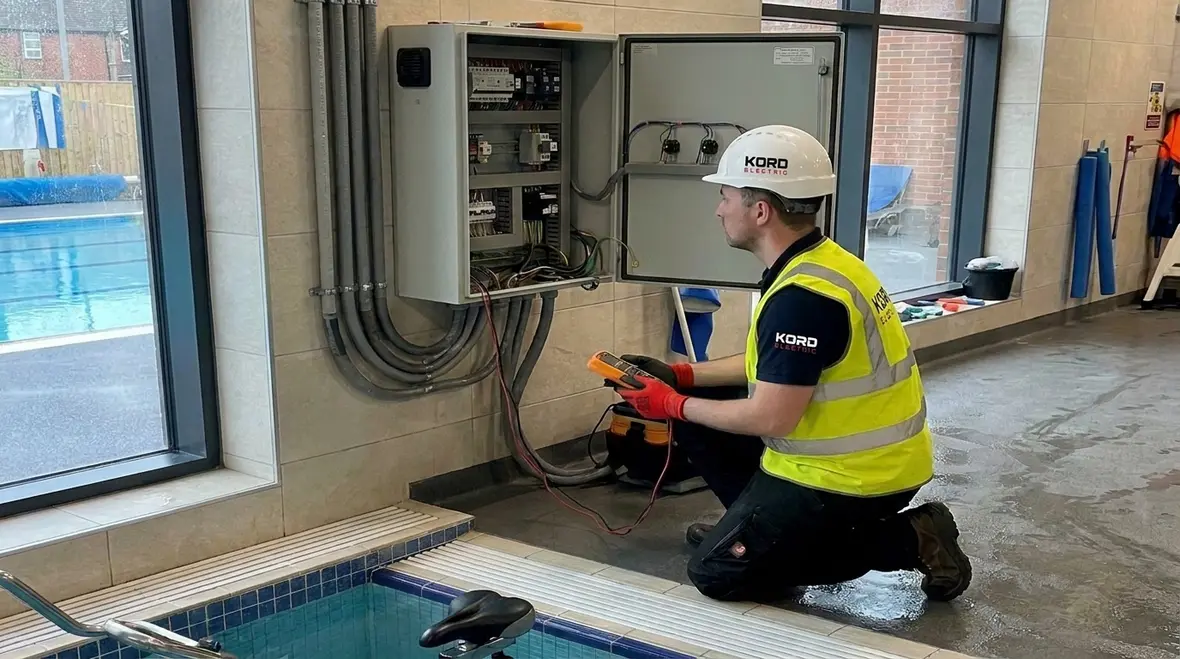
NEC Section 680.81 Aquatic Exercise Equipment Approval
Kord Electric starts with NEC Section 680.81 aquatic exercise equipment approval
At Kord Electric, we support commercial and industrial facilities, and we take life safety codes seriously, especially when water is involved. Early in our planning conversations, we point to NEC Section 680.81 aquatic exercise equipment approval. This requirement matters because aquatic exercise gear is not just “equipment near water.” It becomes part of the electrical risk picture, and regulators expect it to be handled with real care. In fact, our technicians explain it the way you would want a calm expert to explain anything: clearly, slowly, and without acting like you should already know it. And yes, we sometimes joke that electricity loves water the way a cat loves a warm keyboard. Then we get back to the work.
To understand what comes next, we rely on the broader NEC framework used by fire safety partners and electrical code experts. Our approach follows how the National Electrical Code (NEC) gets built: requirements, definitions, installation rules, and enforcement logic. So even if your project team thinks the code reads like a mystery novel, we help you treat it like a checklist.
What the NEC sets out to control in wet locations and equipment zones
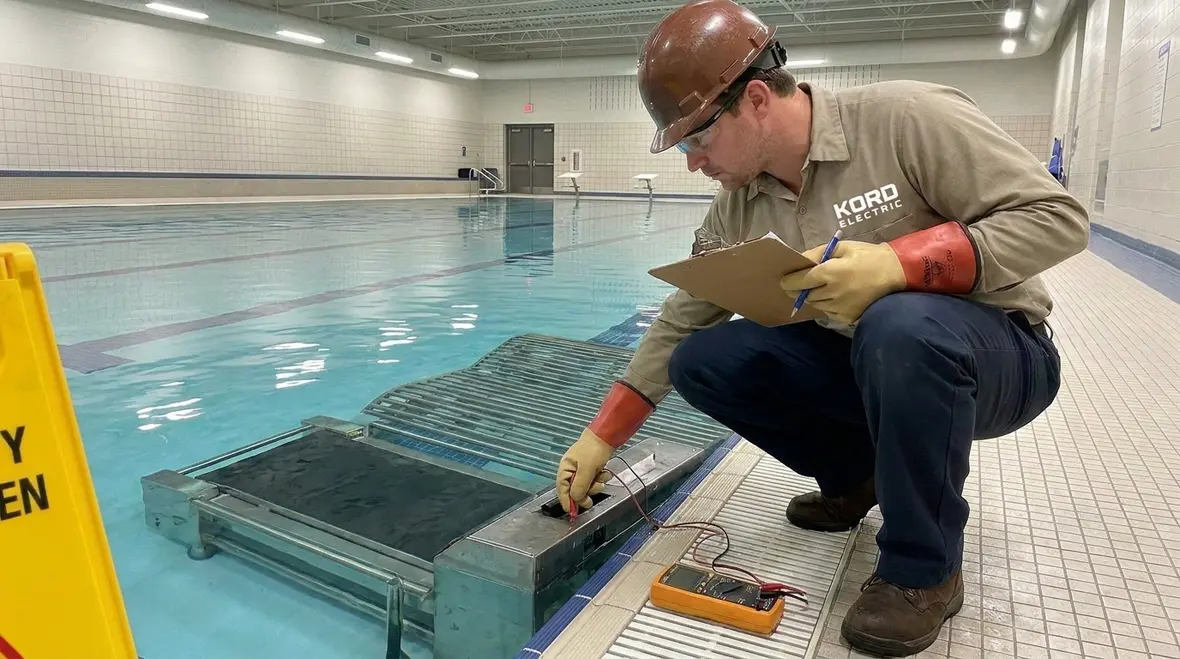
The NEC does not just name components. Instead, it builds a safety system around expected hazards. In aquatic environments, those hazards include shock risk, conductive surfaces, and the reality that maintenance crews will sometimes miss details. Therefore, NEC rules get written to reduce the chance that a single missing step leads to injury.
We often see teams underestimate wet location scope. For instance, equipment placed around pools, spas, water features, and exercise systems can fall under different parts of the code depending on how it is used and where it sits. When we handle commercial and industrial installations, our technicians map out the site and confirm the boundaries early. Then we align the design to the right sections rather than guessing.
Meanwhile, our fire safety partners, including groups focused on fire and electrical code education, emphasize that electrical safety links closely with fire safety planning. That connection shows up in how inspections look for consistent protection, correct wiring methods, and proper grounding. In other words, we do not treat electrical compliance as paperwork. We treat it as the foundation for safe operations.
How we interpret NEC requirements for aquatic exercise equipment
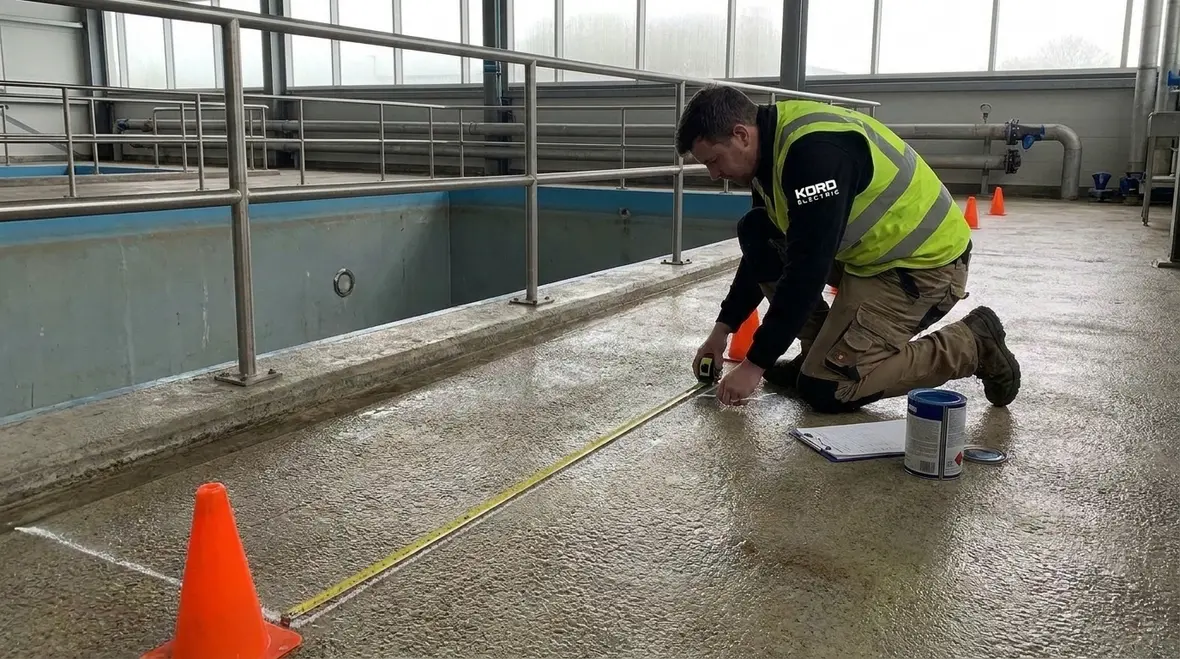
NEC Section 680.81 is where the code gets specific about aquatic exercise equipment approvals. In plain terms, this rule exists because these devices connect to electrical systems while operating in or near a wet environment. As a result, code compliance focuses on whether the equipment is evaluated and approved for its intended use.
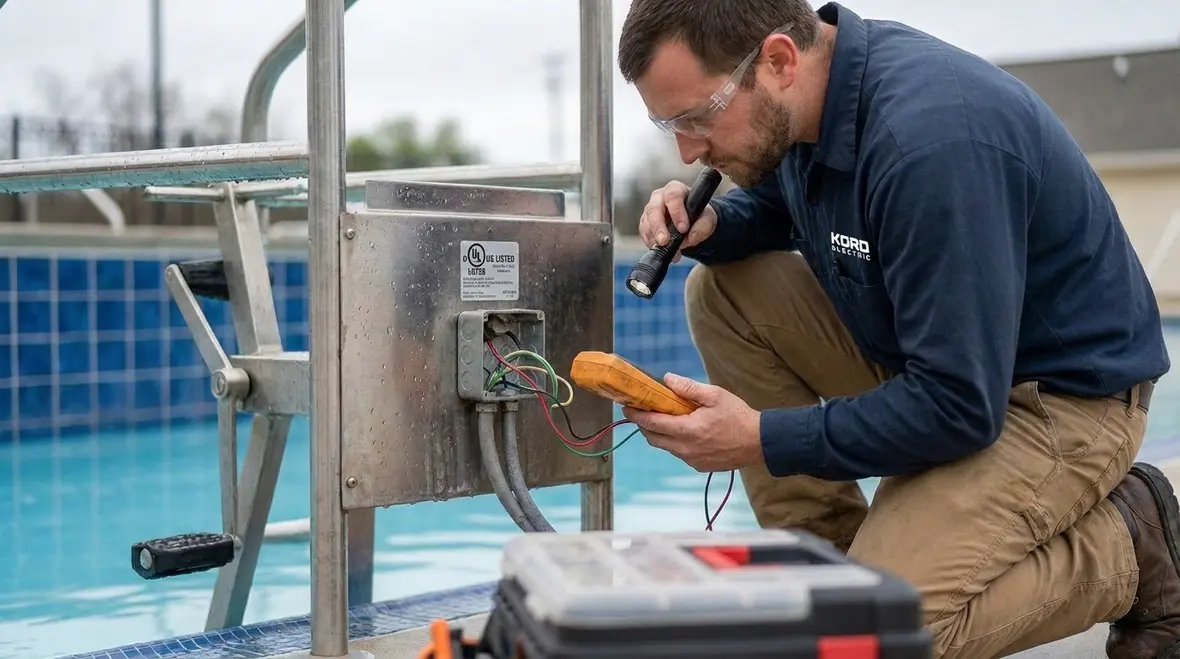
When we support major property buildings and commercial facilities, we do not just “install and hope.” We verify approvals, label information, and the manufacturer’s intended installation conditions. Then we check how the device connects, what protective measures apply, and how the wiring method handles moisture exposure.
Our expert service staff explains the logic during site walks. First, they identify the equipment category and where it sits in relation to water surfaces. Next, they verify the electrical pathway from the supply to the device. Finally, they confirm that protective measures match the code intent, so the installation still works safely if conditions get harder than expected.
In many cases, our team also points facility stakeholders toward additional resources that support the reasoning behind these approvals. For example, if you want a broader view of how NEC requirements come together across a building, you can explore our educational guide Understanding NFPA 70: The National Electrical Code Explained for 2026, which connects code concepts to actual project decisions in commercial and industrial environments.
Wiring methods, protection, and grounding in aquatic areas
Once the equipment approval piece fits, the rest of the electrical system has to match it. Wet locations add strict expectations for wiring methods, grounding, and protective devices. That is where teams often lose time, because they may design around the device and then forget the infrastructure around it.
At Kord Electric, we examine the entire run. We check cable type and routing, and we confirm that terminations remain protected. We also verify that enclosures and fittings maintain integrity where water splash or condensation can occur. Then we evaluate the grounding and bonding approach so conductive parts do not become unexpected paths for current.
To keep the project smooth, our technicians explain each choice. For example, if the design calls for a wiring method that resists moisture and supports safe termination practices, we spell out why that method matters. We also point out where future maintenance could introduce risk. After all, a code-compliant installation should remain safe after normal service, not just on day one.
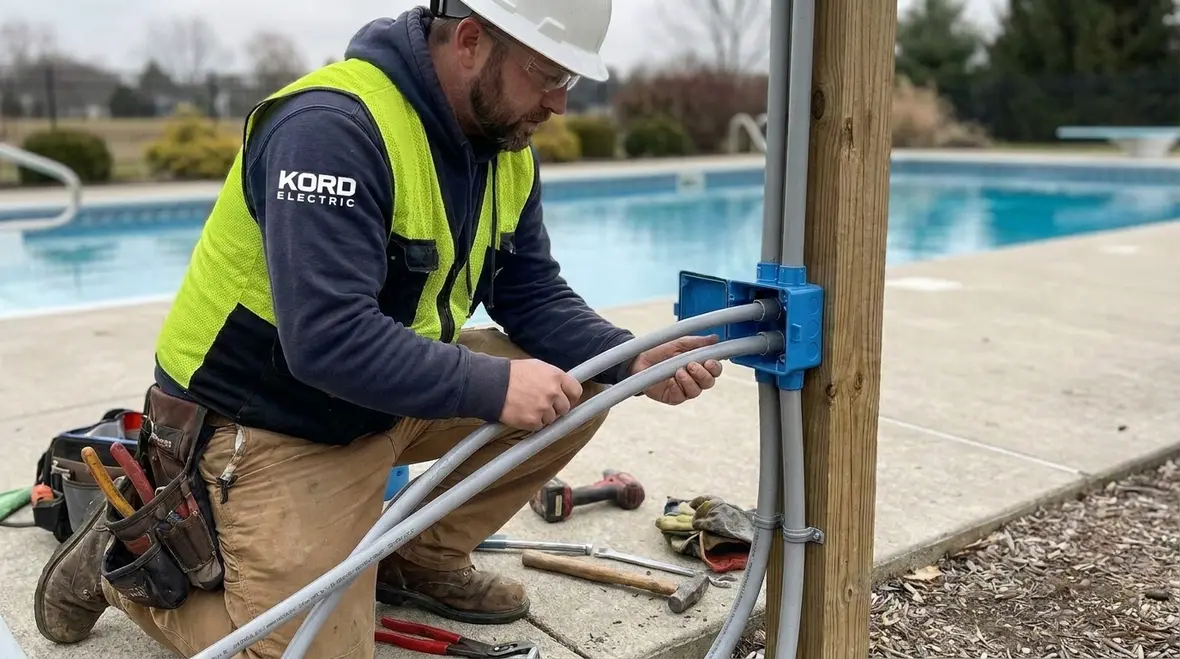
This is also where NEC wiring fundamentals and planning rules come into play. Our teams review the broader NEC expectations for wet locations alongside project-specific details, using internal checklists informed by our other wiring planning resources and Kord Fire partner education, so that any wiring near aquatic exercise equipment stays aligned with both NEC intent and local enforcement practices.
Inspection readiness and documentation for commercial facilities
Compliance is not complete when the device is mounted. In commercial and industrial projects, inspectors and facility managers expect documentation that supports what you installed and why. Therefore, we build inspection readiness into the workflow, not as a last-minute scramble.
We help teams keep clear records of equipment approvals tied to NEC Section 680.81 aquatic exercise equipment approval. Then we support the wiring and protection details with installation notes that align with code intent. If a question comes up on site, our expert service staff responds with direct references to the installation steps and the equipment conditions.
That also helps facility operations later. A property manager does not want to call us because something “seems off.” They want a clear system history. Our approach helps them plan maintenance safely, so the aquatic area stays in service without turning electrical troubleshooting into a full-time hobby. And trust us, nobody wants that hobby, not even the characters from late night cop shows.
Because NEC requirements for aquatic exercise areas touch multiple parts of a building, our documentation often cross-references related systems, including fire protection, emergency power, and distribution equipment. This makes it easier for inspectors and authorities having jurisdiction to trace how NEC wet location rules were applied from the service equipment down to the final aquatic exercise device.
Common project pitfalls we see in major property builds
Even strong teams can fall into predictable traps. First, they may treat aquatic exercise systems like typical equipment. However, the wet environment changes the risk picture. Second, teams sometimes select components without checking approvals tied to the intended use. Then, they build wiring and protection around assumptions that do not match the actual requirement.
Third, they may overlook how water exposure affects terminations and enclosures. Moisture can enter small weak points, and time does the rest. Fourth, some designs underestimate maintenance impacts, such as how access panels get removed, cleaned, and reinstalled. If the system depends on perfect handling every time, it will eventually fail the real world.
Our technicians prevent these issues by working from the code outward. We start by validating equipment compliance and installation intent, then we confirm the wiring path, grounding, and protective measures. Finally, we review the practical layout so the system stays safe under everyday operations. That is the difference between “it looks compliant” and “it functions safely.”
We also flag when project teams treat NEC Section 680.81 aquatic exercise equipment approval as a one-time checkbox instead of an ongoing design constraint. For example, if aquatic exercise zones expand or equipment models change, our staff reviews whether new devices carry the right approvals and whether NEC Section 680 rules still fit the updated layout.
Working with Kord Electric and fire safety partners for end to end compliance
Good electrical work does not live in a silo. In the same way, major property projects need coordination between electrical scope, fire safety planning, and inspection timelines. We collaborate with partners that focus on NEC and fire related education, including resources from Kord Fire and fire-focused organizations like firepumps.org. That helps our clients avoid surprises when multiple teams review the same installation.
When our clients bring us in early, we help reduce redesign time. We clarify requirements early, so the project stays aligned from rough-in through close-out. If your plan includes aquatic exercise areas, we help you understand how NEC Section 680.81 aquatic exercise equipment approval connects to the wider electrical safety expectations. Then we translate that into a build plan your contractors can follow without guesswork.
And for the record, we love fewer surprises. We prefer surprises like a perfectly cooked meal, not like an inspection report that reads like a horror movie trailer.
Because aquatic electrical systems often tie into larger distribution and emergency systems, our teams also loop in broader NEC and NFPA 70 planning resources during design conversations. This helps align aquatic exercise installations with other upgrades, whether you are addressing conductor sizing, breaker applications, or NEC 2026 scope questions somewhere else in the same facility.
How NEC Section 680.81 fits into your wider NEC strategy
NEC Section 680.81 aquatic exercise equipment approval does not live in isolation. It connects directly to how you treat service equipment, feeders, branch circuits, and wiring methods throughout your building. When we help facility teams build a code strategy, we treat this section as one chapter in the broader NEC story, not as a side note.
For example, a facility that plans new aquatic exercise lanes or therapy pools may also be upgrading distribution panels, adjusting feeder sizes, or reconsidering grounding and bonding paths. Our technicians reference NEC 2026 scope discussions, wiring planning fundamentals, and circuit protection rules alongside Section 680.81, so each decision lines up with the next one instead of pulling in a different direction.
We also remind clients that aquatic spaces often share walls, ceilings, or conduits with other occupancies. That means your aquatic exercise compliance decisions ripple outward. Proper coordination can keep shared infrastructure within code while still giving each area the specific level of protection it requires.
If your building sits in a jurisdiction with tight enforcement expectations, planning this wider NEC approach pays off quickly. It lets your project team answer inspector questions clearly, show how Section 680.81 approvals match the design, and demonstrate that the rest of the system supports those approvals instead of undermining them.
Planning aquatic electrical work in Los Angeles County and beyond
Aquatic exercise facilities in dense regions like Los Angeles County often sit inside complex buildings that run on tight schedules and stricter-than-average inspection timelines. When those projects involve aquatic electrical work, our teams help building owners look beyond the single device or pump and think about how Section 680.81, wet location wiring methods, and protection choices interact with the rest of the electrical system.
That includes practical topics such as scheduling shutdowns, coordinating with other trades, and phasing work so aquatic areas stay usable where possible. It also means reviewing local amendments and jurisdictional practices that can affect how NEC rules, including Section 680.81, get interpreted in real inspections rather than just on paper.
Many commercial and industrial property teams in this region rely on dedicated Los Angeles County electrical services support from Kord Electric to keep aquatic upgrades, code updates, and broader distribution improvements moving on the same track. When aquatic exercise equipment approvals sit on the critical path, that kind of integrated planning helps projects go live without a string of last-minute corrections.
How aquatic exercise approvals connect to maintenance plans
Once the final inspection is complete and aquatic exercise areas are open, the work does not end. Facility teams still need to maintain equipment, update components, and occasionally replace or relocate devices. We coach maintenance staff on how NEC Section 680.81 aquatic exercise equipment approval continues to apply every time a change occurs.
That means checking replacement units for equivalent approvals, confirming that new equipment matches the original environmental ratings, and making sure that any new wiring or reconnections use methods suitable for the wet environment. It also means keeping documentation in sync, so that years down the line, a property manager can still see the original compliance path instead of inheriting a stack of guesswork.
Our technicians often schedule follow-up reviews during major remodels or when facilities add new aquatic exercise programs. Those touchpoints let us adjust wiring, protection, and grounding practices as needed while keeping the heart of the Section 680.81 approvals intact.
FAQ
Ready to keep your aquatic electrical systems code-compliant?
If you manage a commercial facility, a major property building, or an industrial site with aquatic exercise equipment, we can help you get it right the first time. Kord Electric supports NEC-aligned planning, verification of aquatic exercise equipment approval needs, and clean installation practices that inspections can stand behind. Contact us to schedule a site review and get a practical compliance plan your team can execute. We move calmly, we work thoroughly, and we keep your project out of the “we’ll fix it later” category.
When you are ready to move from ideas to installation, our team connects NEC Section 680.81 aquatic exercise equipment approval with the rest of your electrical and life safety priorities. That way, your aquatic areas stay inviting for people—not for electrical surprises.


