NEC Section 680.75 Spectator Tub GFCI Safety Guide
At Kord Electric, we care about one thing more than most people notice at first. Safety, especially in spaces where water and people show up together. That is why we often start our discussions with NEC Section 680.75 spectator tub GFCI, and why we explain it in plain, working language before anyone swings a wrench. In simple terms, this rule helps protect people from dangerous shock when pool areas, spectator tubs, or similar features exist. And yes, we have seen what happens when someone treats protection like optional accessories. If a facility wants to stay compliant and keep its people safe, we help it do that the right way, the first time.
What the NEC sets out to do for wet environments
People hear “code” and think it is a thick book that only shows up when an inspector knocks. However, the NEC is really a system that helps reduce harm and control risk. It sets minimum electrical safety requirements for installations, and it pushes designers, contractors, and maintenance teams to think ahead. In commercial and industrial facilities, that matters even more because one bad decision does not stay in one place. It spreads through operations, budgets, and schedules.
Now, when a project includes wet locations, electricity becomes less predictable. Water can lower resistance, and that can raise the chance of shock. Therefore, the NEC tackles wet areas with targeted requirements for protection devices, wiring methods, and how circuits get managed. We guide our clients to see the “why” behind the rules, not just the checklist. Our technicians and expert service staff walk the facility, map the circuits, and explain what changes actually do at the point of use.
And to keep things light, think of the NEC like a good union crew leader. It does not do the work for you, but it keeps everyone from building a problem that will haunt you later. In other words, it stops the electrical equivalent of “I’ll fix it next week” from becoming a long standing legend.
How NEC Section 680.75 spectator tub GFCI protection works
In practice, NEC Section 680.75 spectator tub GFCI centers on adding ground fault circuit interrupter protection for specific conditions. The goal is to detect leakage current that could move through a person’s body. If that leakage reaches the threshold, the device trips and cuts power fast enough to reduce injury risk.
Our technicians explain the mechanism without fluff. First, the GFCI monitors current leaving the circuit and current returning on the same circuit path. Then, if it detects an imbalance that suggests current is leaving the normal path, it trips. This matters in spectator tub areas because splashing, damp surfaces, and frequent access can create conditions where shock risk rises.
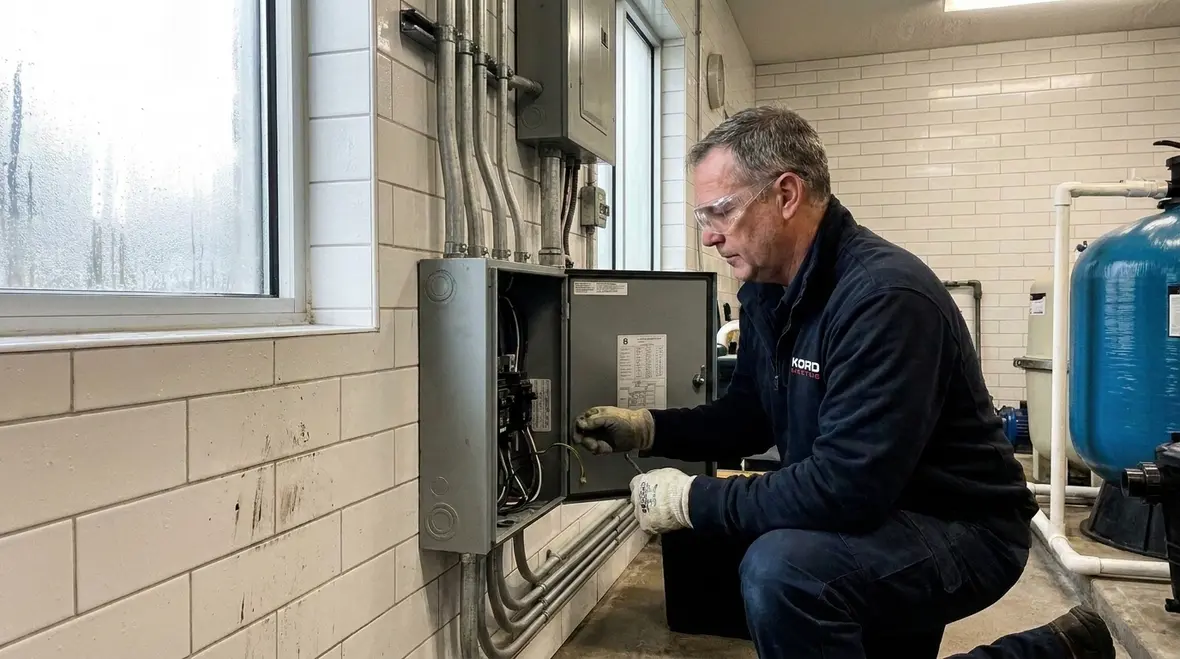
At Kord Electric, we also stress that installation quality controls performance. A correctly installed device needs proper wiring, proper testing, and correct placement. We do not treat it as a “set it and forget it” part. Instead, our expert service staff helps facilities build a routine testing plan and aligns it with their maintenance schedules.
Finally, our approach looks at the bigger picture. We coordinate with electricians, site supervisors, and building engineers so the circuit feeding the tub area supports the protection needs. That prevents a situation where someone installs a device, but the system upstream does not behave as expected. Yes, it happens. No, it is not funny when the test fails at the worst time.
Wiring details and circuit planning that keep compliance steady
Many compliance issues do not start with the concept of GFCI protection. They start with the design details that get rushed during installation. So we focus on wiring method, circuit routing, load identification, and how the area gets isolated when needed.
For commercial and industrial buildings, circuit planning should treat spectator tub and pool-adjacent areas like critical zones. That means the wiring gets sized and routed with care, terminations get done properly, and labeling stays accurate. In addition, the facility should know how the circuit responds during fault conditions so operations teams can act quickly and safely.
When our team performs a facility assessment, we look for patterns that lead to trouble. For example, we verify whether the GFCI protects the correct outlets or equipment in the spectator tub area. We also confirm that the device is matched to the circuit characteristics and that no bypass methods exist. And if the building includes multiple work zones, we check how those zones share electrical pathways.
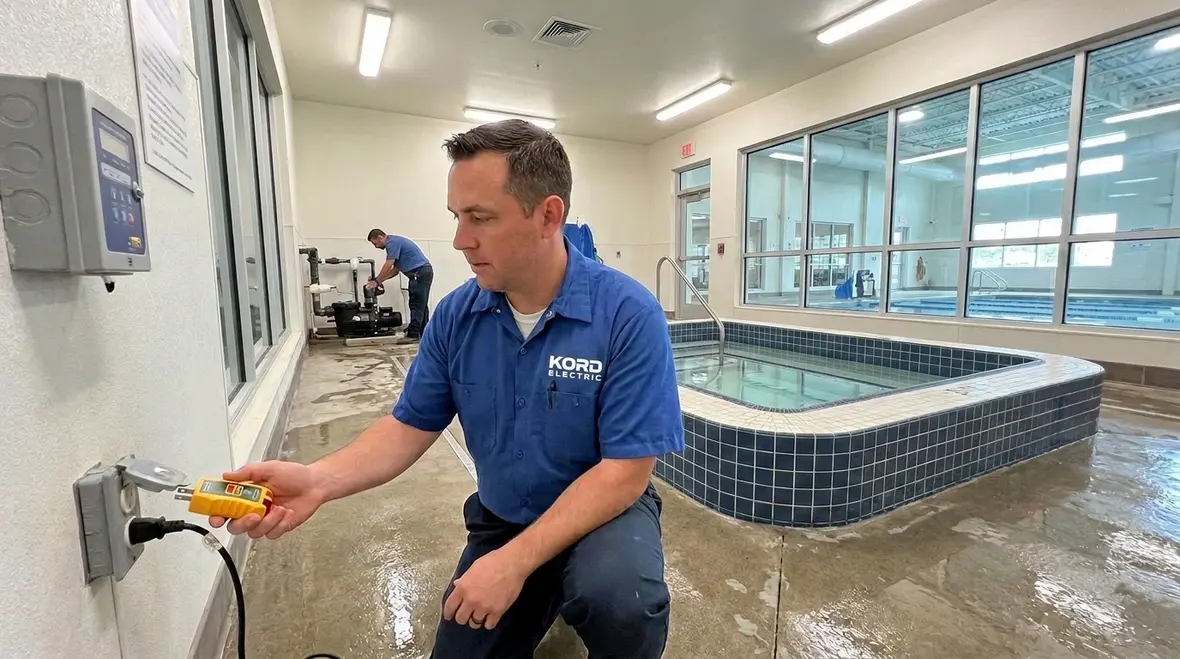
Then we add a practical layer: we explain what happens during testing. Our technicians show staff how to run the proper tests, what results mean, and what to document. Consequently, the facility gains confidence and reduces the chance that “someone will check it later” turns into a missed requirement.
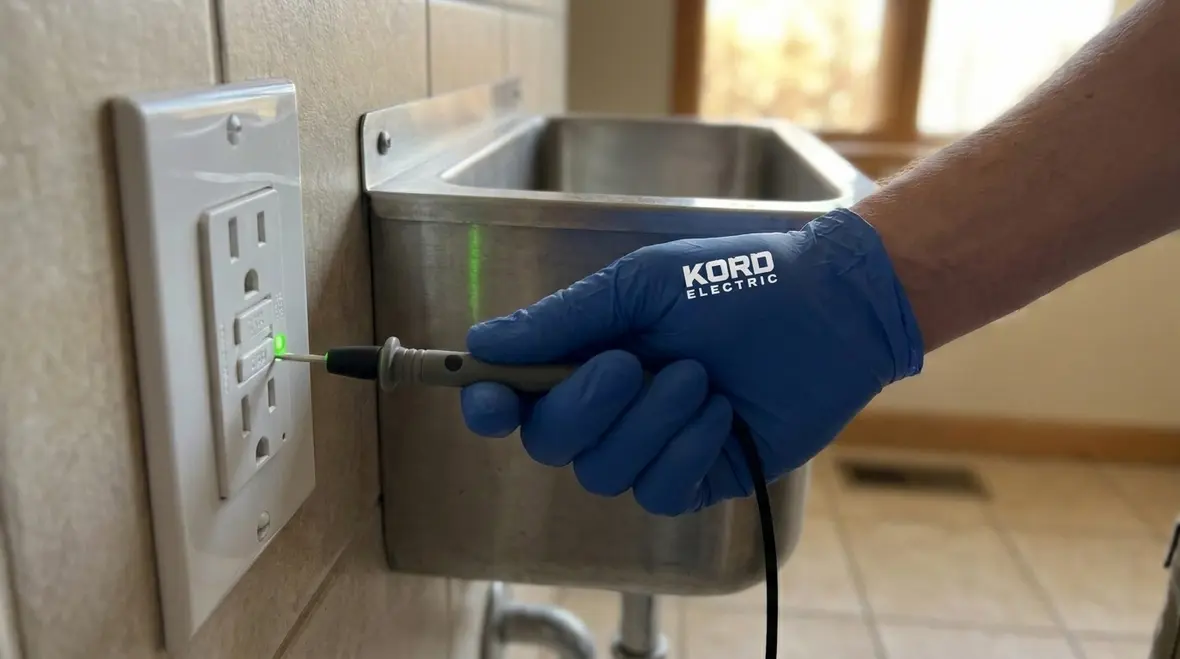
Choosing the right GFCI approach for spectator tub and pool features
Not every installation uses the same strategy. Depending on how a facility runs its wet-area systems, the best approach can vary. We help decision-makers select the correct level of protection and the right device placement so the electrical setup matches the use case.
Here is how we guide the process. First, we identify the equipment in the area, including outlets that may power pumps, controls, or related loads. Next, we confirm how the spectator tub area connects to building circuits. Then, we align those findings with the NEC requirements to decide where GFCI protection should apply.
At the same time, we keep the work focused on commercial and industrial facilities and major property buildings. That means we think about operations, tenant needs, and uptime. If a facility needs water-feature access during hours of use, we plan testing and service windows to reduce disruption.
We also coordinate with our broader safety ecosystem. Our sister fire and suppression businesses, including teams tied to kordfire.com.au and resources connected to fire safety education at organizations like firepumps.org, reinforce how electrical protection connects with overall life safety. Electrical faults can create cascading risks, and smart facilities handle both electrical and fire safety as one system.
In case you were wondering, yes, we still get asked if code compliance means more paperwork. We tell clients the truth: it means fewer surprises. The paperwork is a cost of clarity, and clarity is cheaper than emergency shutdowns.
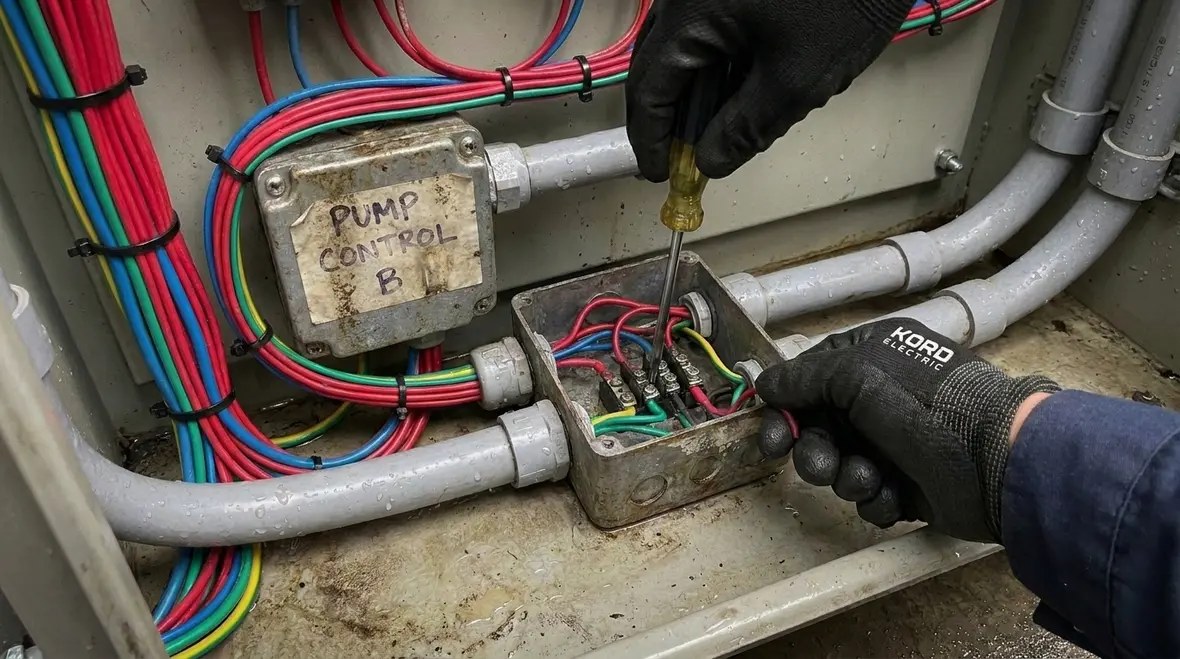
Connecting NEC Section 680.75 spectator tub GFCI to broader NEC planning
Spectator tub protection works best when it is not treated as a stand-alone detail. Our team often ties these projects back to broader NEC education resources, including the in-depth overview in our Kord Electric blog feature Understanding NFPA 70: The National Electrical Code Explained for 2026. When facility leaders understand how Section 680 sits inside the larger code framework, they can make better decisions about upgrades, panel work, and maintenance.
Testing, maintenance, and documentation teams can actually use
Codes do not protect people by themselves. Maintenance does. Therefore, we build a support plan around testing schedules and clear records. Our expert service staff helps commercial property teams understand the difference between a device that powers on and a device that actually trips correctly when it should.
During service visits, we verify the GFCI function and inspect for installation issues that can degrade performance over time. We also check for signs of moisture intrusion, loose terminations, or improper rework. In wet areas, small issues grow quickly. So we treat inspections as proactive work, not reactive triage.
Documentation matters as much as hardware. We encourage facilities to keep test logs, device identifiers, and service notes where building engineers and safety managers can find them. This helps when internal audits happen, when tenants ask questions, and when inspectors request proof of maintenance.
Moreover, we coach staff on what to look for between service dates. For example, we explain how to recognize tripped conditions, how to prevent repeated nuisance trips from being ignored, and when to escalate to qualified technicians. That last part is key. Replacing a device without understanding why it trips is like changing a smoke alarm battery while leaving the wiring fault behind. It might silence the alarm, but it does not fix the danger.
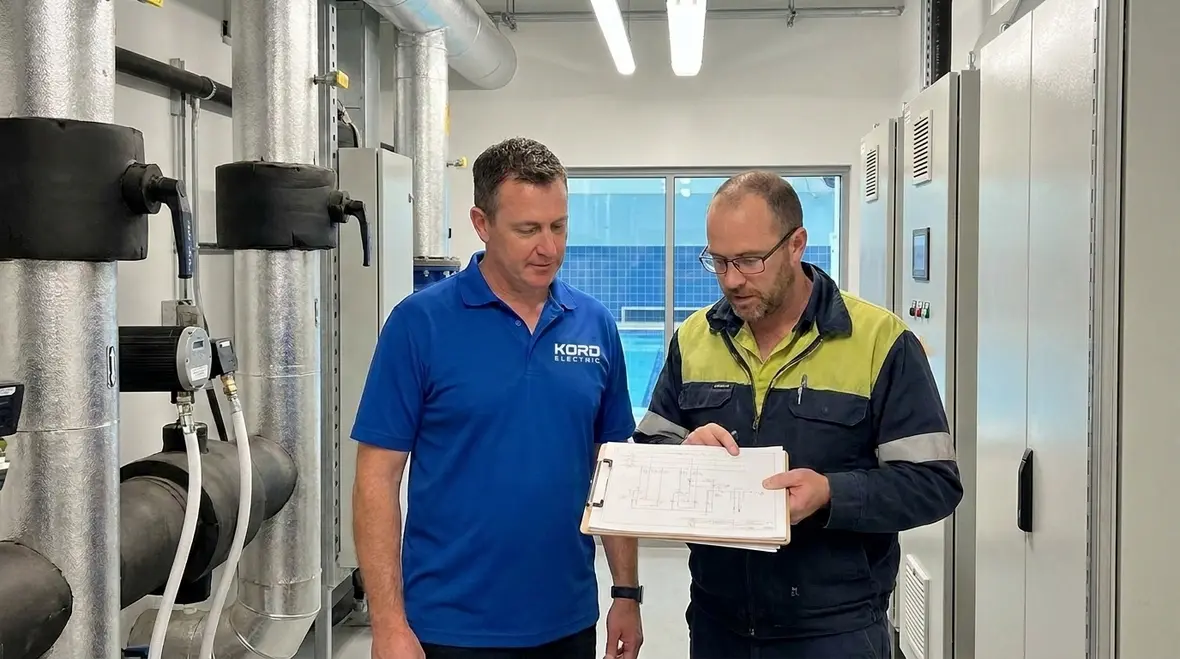
Aligning wet-area GFCI work with preventive maintenance programs
Many of our commercial clients fold NEC Section 680.75 spectator tub GFCI checks into a larger preventive maintenance plan for panels, switchgear, and distribution equipment. That kind of planning follows the same logic we use in broader scheduling work: find issues early, fix them methodically, and document what changed so the next inspection goes smoothly.
Real world scenarios in major buildings and how we respond
Major property buildings rarely stay static. Equipment gets updated, access points move, and construction teams return to modify spaces. Consequently, GFCI and wet-area protection must stay aligned with current conditions. Our approach at Kord Electric follows that logic in the field.
One common scenario involves remodel work near pool-adjacent spectator features. Teams replace fixtures and add new controls, but they sometimes reuse old wiring paths or fail to confirm the protective coverage for each outlet. Then, during start-up testing, the protection behavior does not match what the facility expected. Our technicians step in to map circuits, verify device coverage, and correct the wiring plan so the protection works as intended.
Another scenario involves seasonal use. Facilities may keep wet areas inactive for long periods, then power them up without full checks. Moisture can shift, and corrosion can appear where it never showed up before. We respond by recommending structured start-up checks, including verification of GFCI performance and inspection of key components.
Finally, we see situations where multiple trades share space. That is normal in commercial work, but it means the electrical system may get “touched” by people who do not own the entire design. Therefore, we advise building teams to require electrical verification after any work that affects wet-area circuits or outlet locations.
If the facility wants a steady hand, we provide it. We show teams what changed, what the NEC requires for wet-area protection, and what we corrected. Then we make sure the building has a plan to keep the protection reliable long after we leave the site.
From spectator tubs to broader building services
In many projects, work on NEC Section 680.75 spectator tub GFCI protection opens the door to a broader look at how the building handles power. That can include service upgrades, panel changes, or branch circuit improvements connected to the same areas that serve pools, spas, or water features. When that bigger conversation starts, our team is ready to guide it and connect clients with our wider offerings, from lighting upgrades to emergency power strategies.
How NEC Section 680.75 spectator tub GFCI ties into local facility support
Kord Electric supports commercial and industrial properties across Los Angeles County and surrounding areas, where wet-area features often appear in gyms, hotels, multi-family amenities, and specialty facilities. In those buildings, NEC Section 680.75 spectator tub GFCI protection is not just a line in a code book; it is part of the day-to-day risk profile. Our electricians and service staff design, install, and maintain these systems so they work smoothly with the rest of the electrical infrastructure.
For teams planning upgrades or new construction, our regional services help tie everything together. From primary distribution to final branch circuits, we align wet-area safety with transformers, panels, and lighting so you do not end up with isolated fixes that complicate future work. If your facility is planning changes in or around Los Angeles County, explore our dedicated regional support on our Los Angeles County electrical services page and see how spectator tub protection fits into a complete electrical plan.
FAQ
Conclusion: let us protect your wet-area systems the right way
When a facility includes spectator tubs, pool-adjacent features, or other wet environments, we do not treat electrical protection as a “later” task. At Kord Electric, we help commercial and industrial property teams plan, install, test, and maintain GFCI protection aligned with NEC requirements, including NEC Section 680.75 spectator tub GFCI usage. If you want fewer surprises and better safety outcomes, contact us for an assessment. We will explain the findings clearly, then handle the corrections professionally.
If you are coordinating broader electrical upgrades or planning new construction that involves wet-area systems, you do not have to navigate the details alone. Our technicians connect spectator tub GFCI protection with code-compliant wiring, clear documentation, and practical scheduling so the work supports your operations instead of interrupting them. From Section 680.75 to the rest of your NEC obligations, our team is ready to help you keep people safe and power steady.