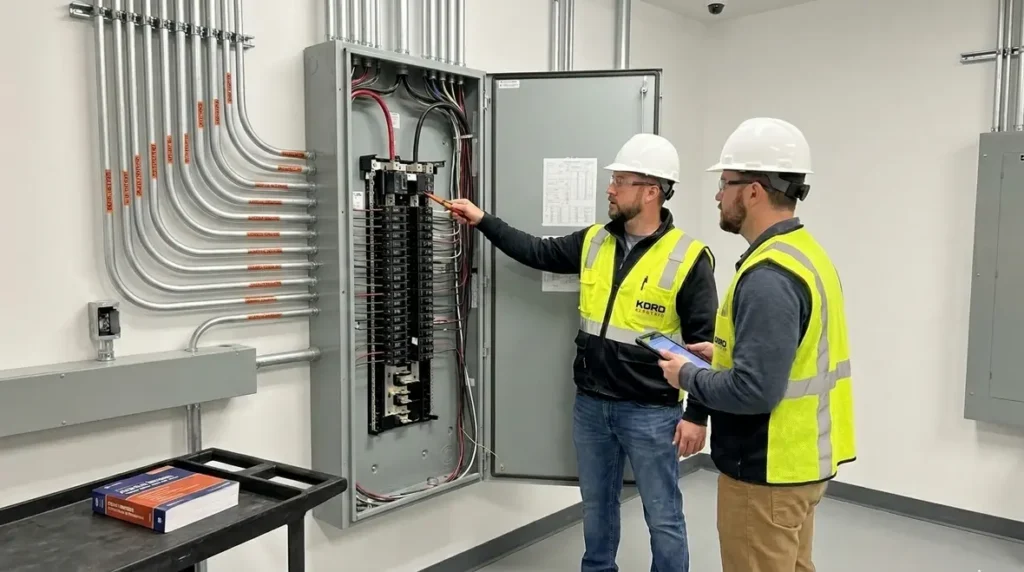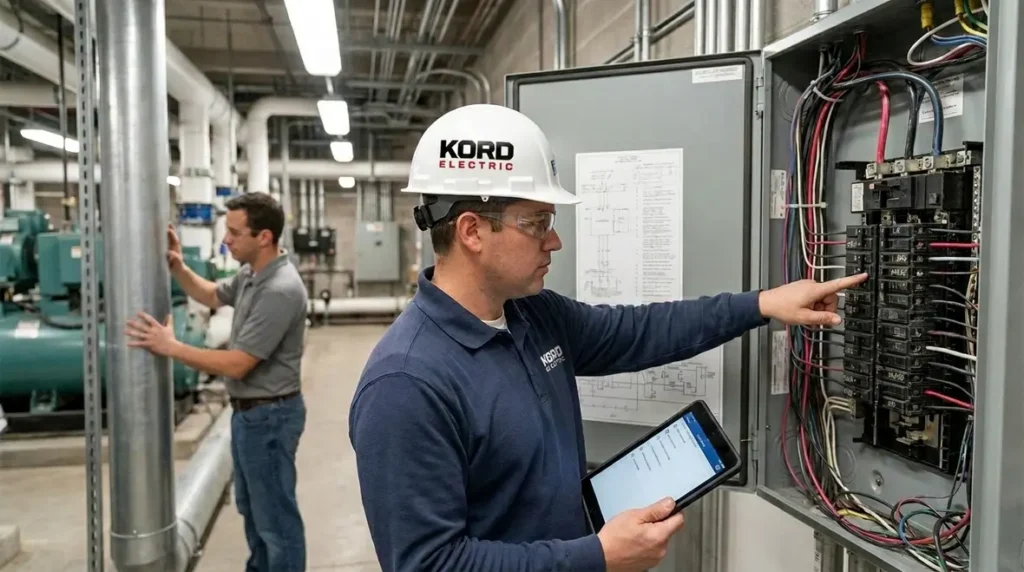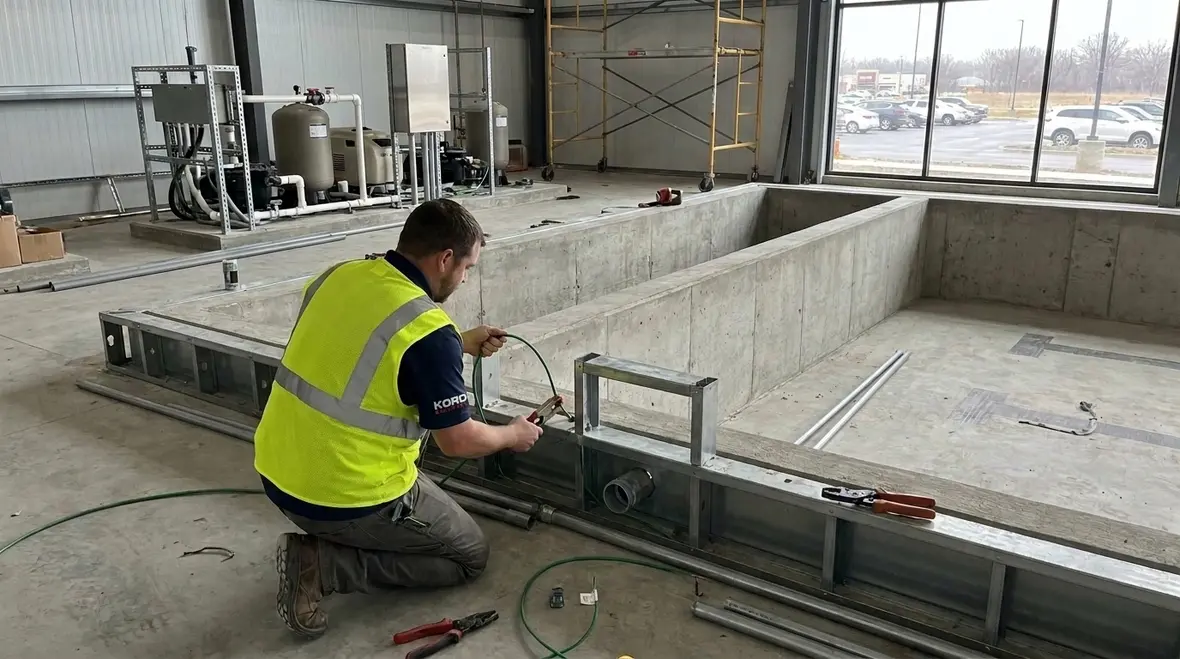
NFPA 70 Section 680.74 Spectator Tub Bonding Guide
Kord Electric helps commercial and industrial teams keep people safe, systems reliable, and inspections painless. When we review a site, we often start with bonding and grounding because it sets the baseline for everything else. For example, our technicians frequently reference NFPA 70 Section 680.74 spectator tub bonding early in the discussion. We explain it in plain language because it matters: it supports proper electrical connections around spectator tubs, helps manage stray voltages, and reduces shock risk. And yes, people sometimes treat bonding like a “later” task, the way someone postpones changing a smoke detector battery, right up until the chirping becomes a life lesson.
From there, we connect the dots between the National Electrical Code, the 2026 update conversation, and practical field work for large facilities. This article walks through what those rules mean, how teams should prepare, and how our expert service staff documents the right steps so your building stays compliant.
NFPA 70 essentials for commercial and industrial buildings
Our approach stays grounded in the NEC because it gives electrical work a consistent safety framework. In large facilities, the consequences of getting bonding wrong can go beyond a single device. For instance, if a system allows unintended voltage differences, then personnel and equipment can face risks, and production downtime can follow. To prevent that, we apply the NEC like a checklist, not like a guessing game.
We also make sure the reader understands the difference between “having a rule” and “making it work.” So, even though NFPA 70 covers many topics, our technicians focus on how the code impacts real installations in commercial and industrial environments such as stadium adjacent areas, large pools and water features, manufacturing campuses, and major property buildings. Also, we treat documentation like a first class deliverable, because inspectors and facility managers need clear proof, not just good intentions.
Where does this start? It starts with grounding and bonding principles. Then it moves into the specific requirements that show up in the field, including rules related to wet locations and metal parts that can become energized. When teams align early, we avoid last minute redesigns that waste time and budget, which is the kind of drama no building should schedule.
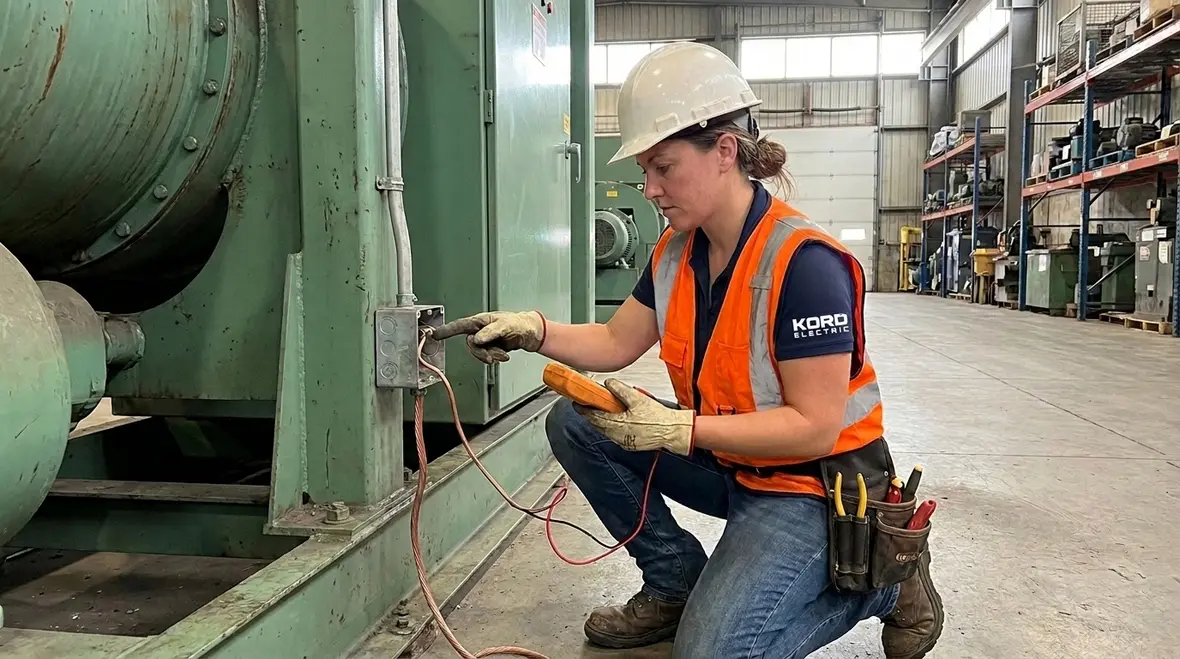
In many projects, we also point facility leaders to deeper NEC primers so they can see how spectator tub rules fit inside the bigger code picture. Resources like Kord Electric’s in-depth guide Understanding NFPA 70: The National Electrical Code Explained for 2026 help teams connect their bonding plans to the evolving 2026 code cycle and related updates for commercial and industrial facilities.
How NFPA 70 Section 680.74 spectator tub bonding guides safe connections
When we talk about NFPA 70 Section 680.74 spectator tub bonding, we do it with a clear goal: correct electrical connection so you reduce shock hazard and maintain safe operation. In practice, this section addresses how metal parts and conductive components near spectator tub areas must connect to the site bonding system. Instead of relying on random contact between parts, it requires intentional bonding that stays reliable over time.
Our technicians explain it like this. If conductive parts can be present in the same general environment, then electrical potential differences can form if bonding is incomplete. Therefore, Section 680.74 pushes you toward a single safe direction, so relevant parts connect under a known reference. In turn, that helps electrical protection devices operate as intended if a fault occurs.
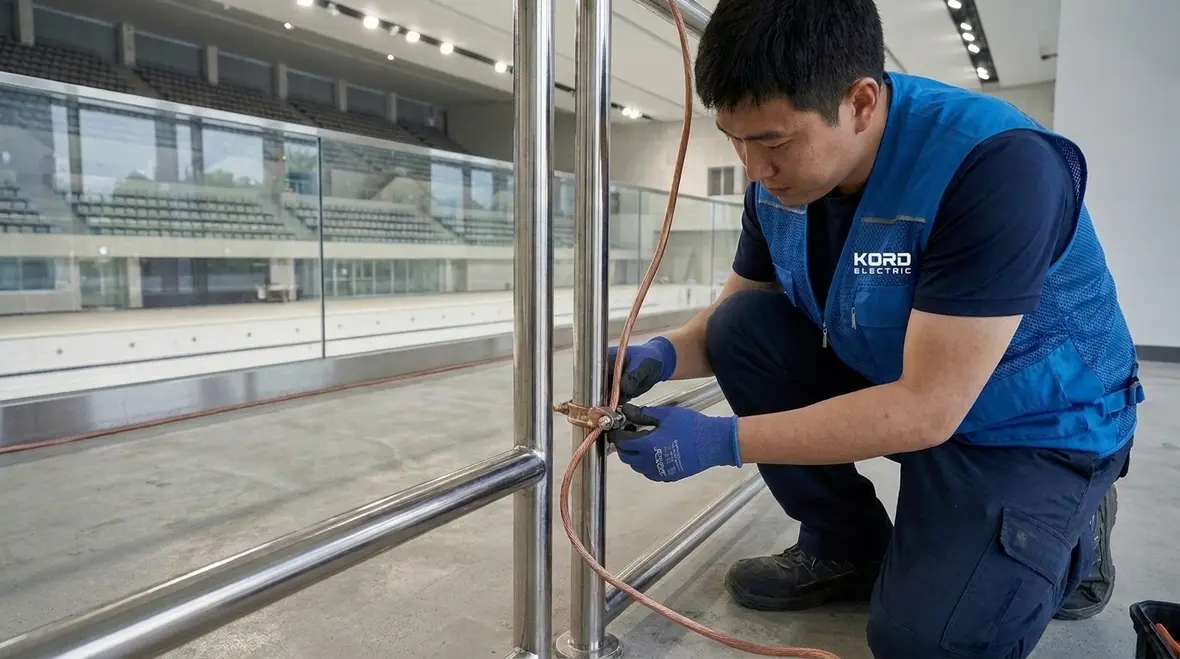
However, code requirements do not help if the installation overlooks real site conditions. For that reason, we also look at construction details: the way sections meet, how corrosion affects connections, and how crews route bonding conductors so they remain secure and accessible. We verify that the connection method you choose matches the code requirement, and we confirm the bonding conductor size and termination quality are correct.
Once teams follow those steps, they gain something practical: a system that behaves predictably. And yes, predictability beats surprise fault trips every time. Even electricians do not enjoy troubleshooting a mystery like it is a late night detective show.
Bonding is more than wires: the grounding and fault protection link
Even when teams focus on bonding, they sometimes miss the relationship between bonding and grounding, plus how that link supports fault protection. As soon as an electrical fault happens, the system must route current in a controlled way. Therefore, bonding and grounding work together so protective devices clear the fault quickly and safely.
In commercial and industrial settings, this becomes even more important because you often have shared equipment grounds, large metal structures, and multiple pathways for current. If bonding does not unify those pathways, then you can see symptoms like unstable voltage, nuisance alarms, or equipment that behaves as if it has a personality disorder. Meanwhile, facility staff might blame the controls, the software, or the weather. Our technicians usually start with the electrical foundation first, because weak bonding creates ripple effects.
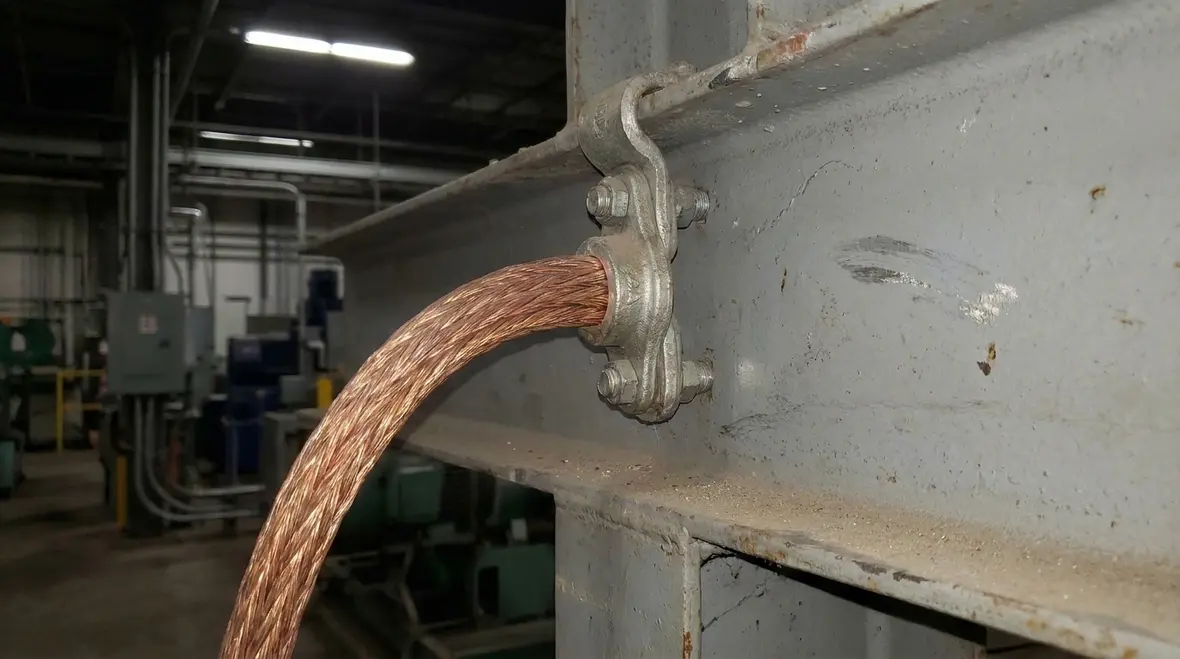
To keep things correct, we help teams plan for the full path. First, we identify the conductive parts that must bond. Next, we determine how those parts connect back to the grounding system. Then we confirm how protective device coordination will respond to faults. Finally, we document the results so the building can pass inspections and continue operating under normal loads.
So, rather than treating grounding and bonding as separate topics, we integrate them into one coordinated plan. That is how we reduce risk and keep operations steady.
Field checklist for NFPA 70 compliance planning in major properties
We help commercial and industrial owners and contractors manage NEC compliance with a practical, repeatable plan. When teams execute this plan early, they lower change orders and reduce the chance that bonding details get missed during rough in.
Here is how our expert service staff typically builds the checklist for large projects. Because each site differs, we adjust the list to your layout, schedules, and existing infrastructure.
- Start with site mapping: we identify spectator tub areas, nearby conductive structures, and all metal components that could fall under the bonding rules.
- Verify grounding system boundaries: we confirm where the bonding network ties back to the grounding electrode system and what components share that reference.
- Plan conductor routing: we route bonding conductors in ways that stay secure, avoid damage, and keep terminations accessible.
- Confirm connection quality: we check termination methods, hardware compatibility, and corrosion protection, because chemistry loves to sabotage connections.
- Coordinate with other trades: we align with mechanical, plumbing, and pool system installers so bonding work does not get covered before it is verified.
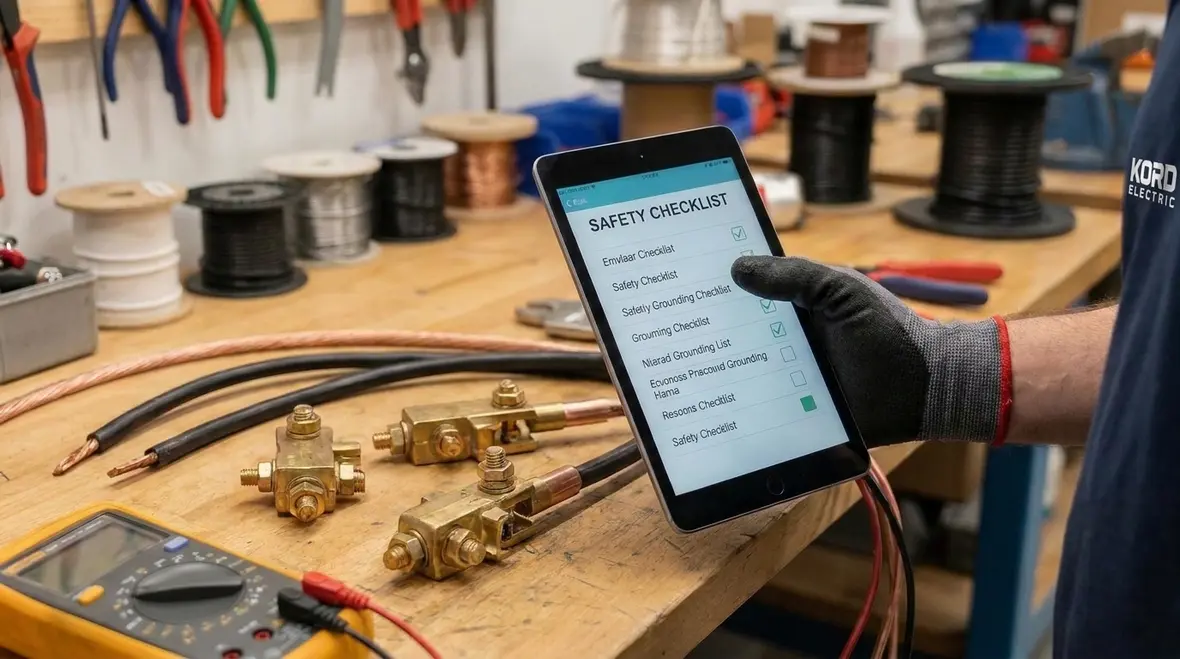
- Document before final close out: we record materials, connection points, and verification results so inspection teams can review quickly.
Now, we will add a bit of humor, because it helps. If a crew says “we will test it later,” we ask them to think of it like leaving the keys in the car and trusting the universe. Later testing often becomes never testing, and then you pay for it during the busiest part of your season.
Common mistakes we see and how to prevent them
In the field, we notice predictable issues. They usually start small, then grow into rework. Our technicians treat these as preventable errors, not inevitable hassles.
One common mistake is incomplete bonding of relevant conductive parts near spectator tub areas. Crews may bond one metal component but miss another, and then they assume “it is close enough.” It is not. NEC bonding requirements focus on intentional connections, not proximity.
Another issue involves poor termination quality. If a connection lacks the correct hardware or proper tightness, corrosion can widen the gap over time. Consequently, the bond becomes unreliable, and protection performance can suffer.
We also see routing problems. Sometimes bonding conductors pass behind finishes, or they get exposed to physical damage during other work. Therefore, we push for routing that keeps the bond protected and accessible, so maintenance teams can inspect it later.
Finally, teams sometimes overlook coordination between electrical and pool or wet area systems. That is where schedule management matters. If electrical bonding work happens after wet area components are installed and sealed, then corrections become expensive and slow.
To support decision making, our teams use the technical context found in industry resources such as our own materials hosted across Kord Electric and Kord Fire platforms, including detailed NEC discussions and training style explanations. For further reading, we point clients to the NEC focused guides we maintain and related electrical and fire life safety resources at kordelectric.com and kordfire.com, as well as broader industry education sources like firepumps.org for context on life safety systems. We also coordinate with our broader fire and safety ecosystem, including kordfire.com.au, when a facility needs a unified approach across electrical and fire protection.
Understanding bonding and inspection evidence for faster approvals
When a facility wants approval without stress, we focus on evidence. Inspectors do not just look for the presence of a bond; they look for correct connection methods, correct routing, and correct integration with the site grounding system. As a result, we help our clients create an inspection friendly package.
During our reviews, we walk step by step with the property team. We explain what we will verify, why it matters, and what documentation we will leave behind. This is where our expert service staff shines, because we translate the code into a field based narrative: what was installed, where it connects, and how it supports safe operation.
To make this easier for facility managers, we sometimes present the compliance evidence in a simple side by side approach during project closeout. Below is a dual column snapshot of what we typically include. This format keeps communication clear and reduces back and forth, which saves everyone time.
| What we verify | What you receive |
|---|---|
| Bonding points around spectator tub areas and conductive metal parts | Connection map and installation notes showing the bonding network |
| Conductor routing and termination quality | Materials list, termination details, and verification results |
| Integration with grounding and fault protection expectations | Closeout summary aligned with NEC requirements and site conditions |
And if someone says, “We will just rely on the original drawings,” we gently smile and remind them: drawings do not tighten bolts. We document what the building actually received.
For facilities in Southern California that want help translating those drawings into real installations, Kord Electric’s Los Angeles County electrical services team supports commercial and industrial properties with inspection ready bonding, grounding, and NEC focused upgrades that keep operations steady.
FAQ on NFPA 70 spectator tub bonding
Conclusion and CTA
At Kord Electric, we serve commercial and industrial facilities that demand clear NEC compliance, stable electrical performance, and dependable inspection evidence. Our technicians and expert service staff explain bonding requirements in practical terms, then install and document them so your project stays on track. If you are planning updates, upgrading a major property system, or preparing for inspection, contact us now. We will review your spectator tub area bonding approach, align it with NEC expectations, and help you close out with confidence.