NFPA 70 Section 680.72 Spectator Tub Equipment Compliance
NFPA 70 Section 680.72 spectator tub equipment plays a big role in how modern pools, outdoor water features, and connected systems keep people safe. When a commercial or industrial site installs these systems, the rules matter not because we enjoy paperwork, but because electricity plus water always demands respect. At Kord Electric, we work with facility managers, general contractors, and owners of major property buildings, and we guide them through what the National Electrical Code requires. We do this slowly and clearly, the way our expert service staff explains changes after an inspection, so your team can act with confidence. And yes, we have met the person who treats electrical safety like a choose your own adventure novel. We do not recommend that plot twist.
What NFPA 70 requires for pool and water related systems
NFPA 70, the National Electrical Code, sets rules that reduce risk for people and property. For water related systems, it also limits how wiring and equipment connect to wet and damp areas. In other words, the code aims to keep fault current from becoming a surprise experience for the public.
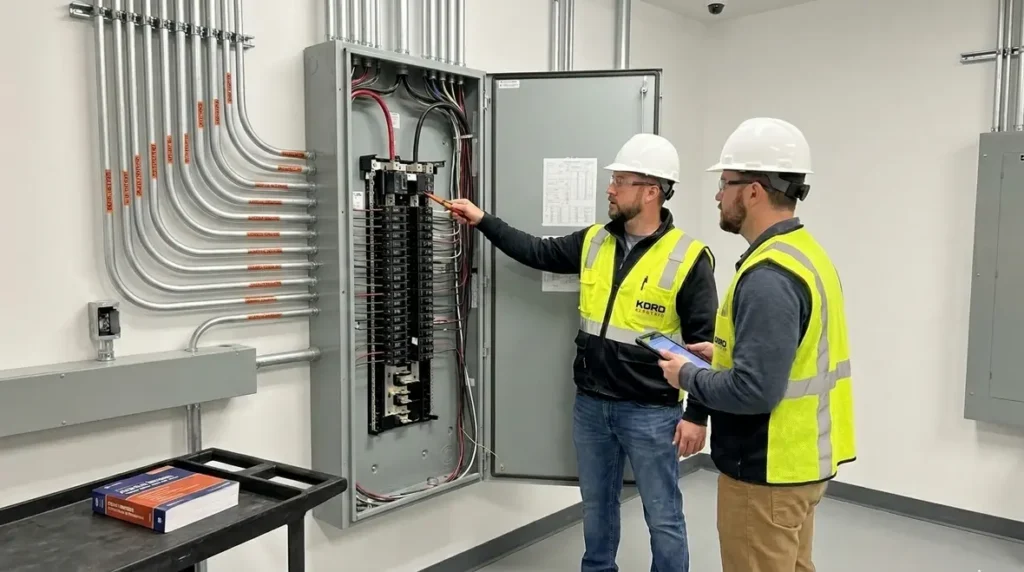
Now, here is the key point our technicians emphasize. The code does not just focus on the pool shell. It focuses on the electrical parts around the system, including how installers route conductors, how they bond metal parts, and how they handle protection devices. For a commercial or industrial facility, those details decide whether a system passes inspection cleanly or triggers expensive fixes after the fact.
At Kord Electric, our team treats these projects as part of the building’s overall safety plan. Therefore, we coordinate our electrical scope with other trade partners so the final installation matches the NEC intent, not just the letter of one worksheet. For facility teams that want a broader code context beyond pools and tubs, resources like Understanding NFPA 70: The National Electrical Code Explained for 2026 help connect individual sections like 680.72 back to the overall NEC structure.
How equipment classification impacts installation decisions
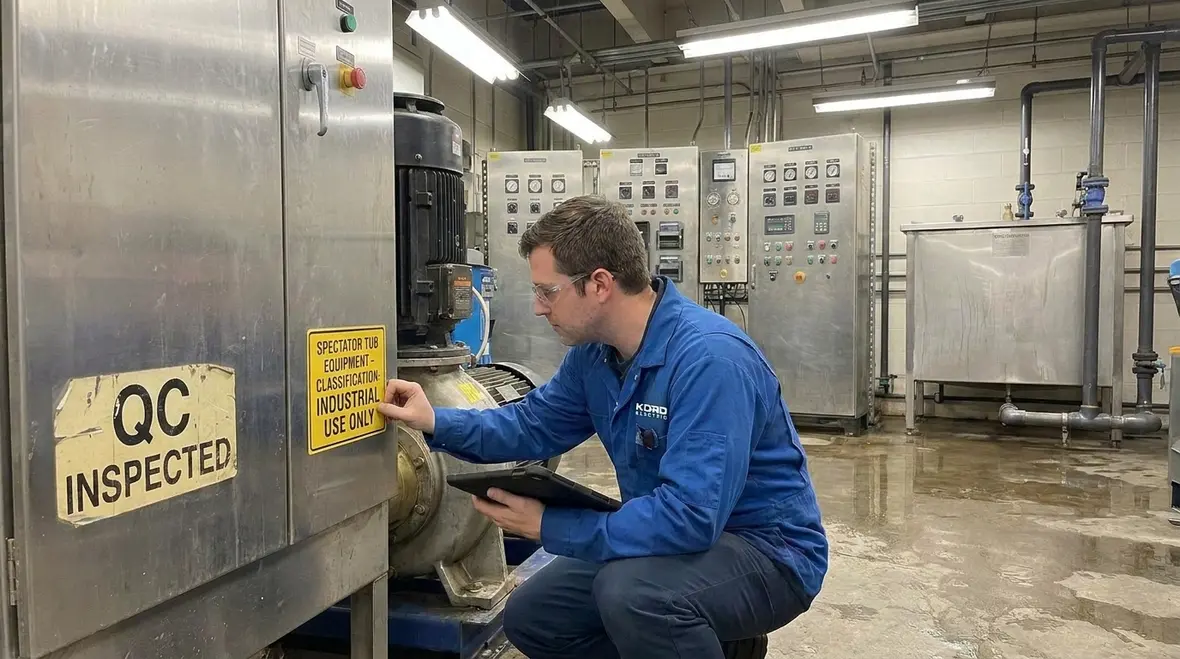
When a facility uses NFPA 70 Section 680.72 spectator tub equipment, the installation requirements link directly to how the equipment operates and where it sits. Consequently, our expert service staff walks clients through the equipment type first, because wrong assumptions early create costly rework later.
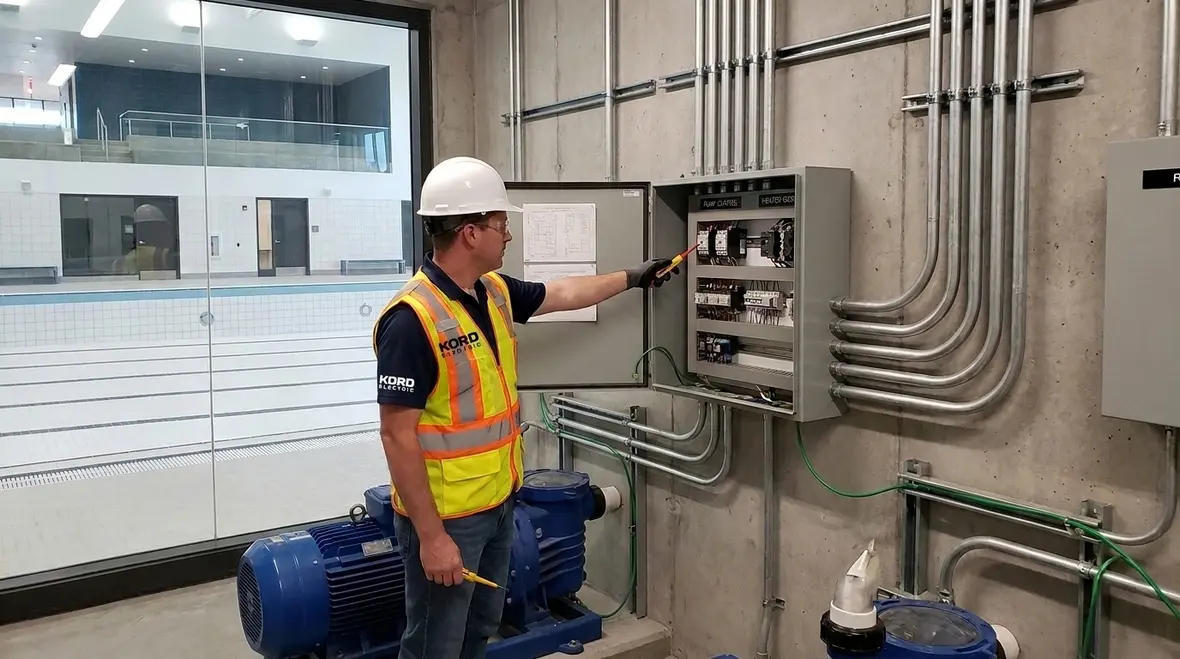
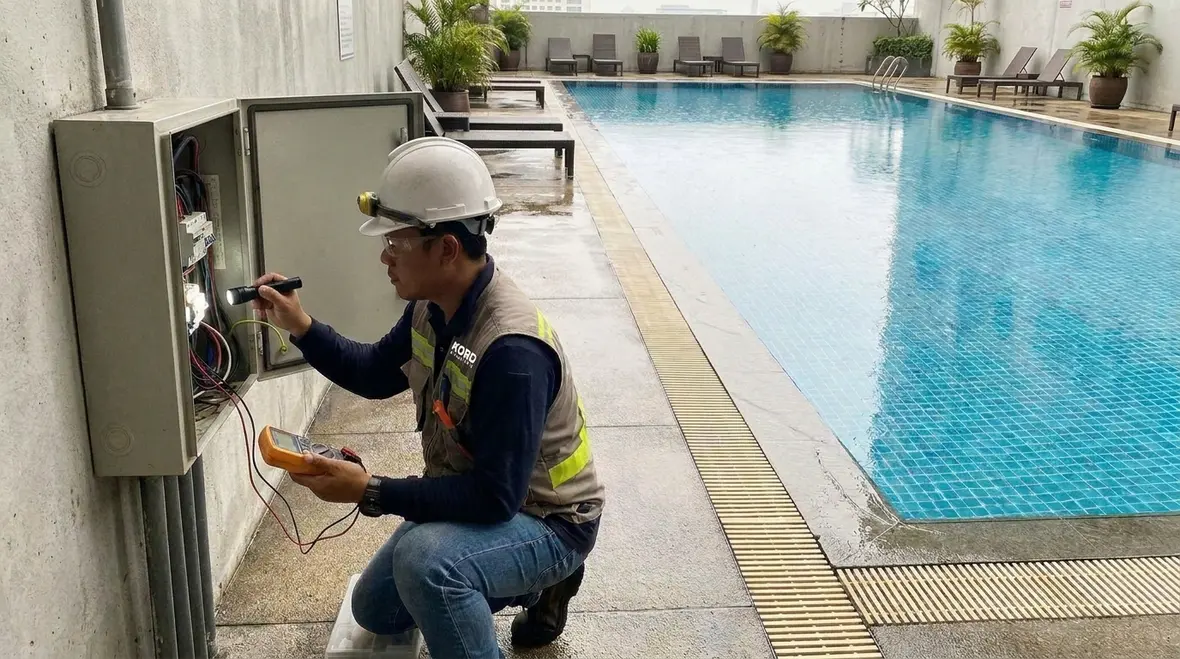
Water features in major property buildings often include pumps, heaters, control panels, lighting, and sometimes communication and monitoring devices. Even when those parts look simple, each one creates electrical pathways that must stay controlled. For example, we review where power enters a control enclosure, how conductors transition between wet and dry spaces, and how grounding and bonding tie equipment to the building system.
Additionally, we look at cable type and installation method. Because the environment around water can be humid and corrosive, the “out of sight, out of mind” approach fails quickly. Instead, we select wiring and protection methods that match real site conditions, not just indoor showroom logic.
And if you are thinking, “We will handle it during commissioning,” we gently remind you that commissioning is for verification, not rescue missions. Our team plans ahead so your schedule stays intact.
Bonding, grounding, and protection from faults
Electric faults happen. That is not a fear tactic, it is a fact of life for complex systems. Therefore, NFPA 70 focuses on bonding and grounding strategies that keep energized parts from becoming dangerous. For commercial and industrial sites, the goal is to control fault current and reduce shock risk.
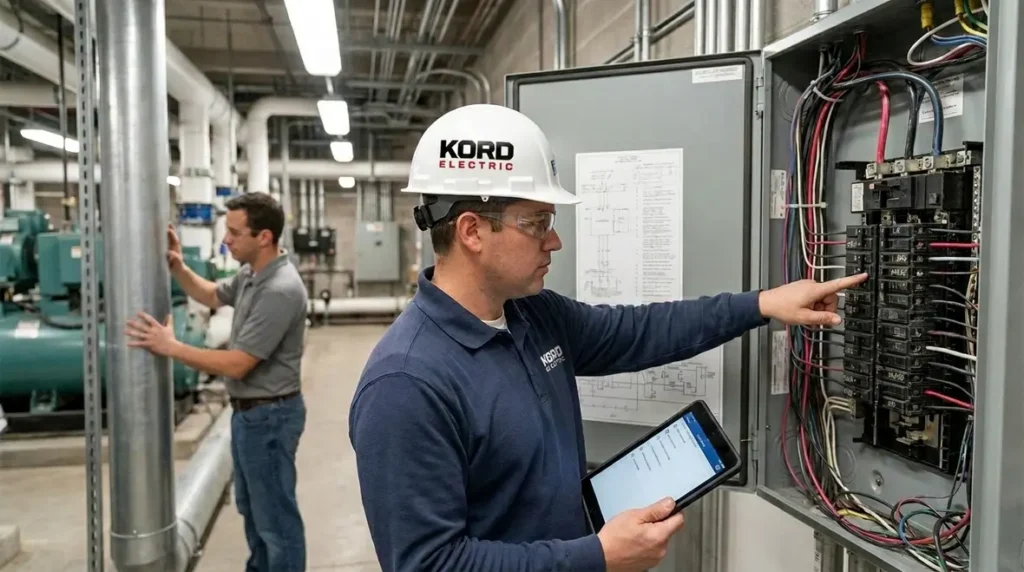
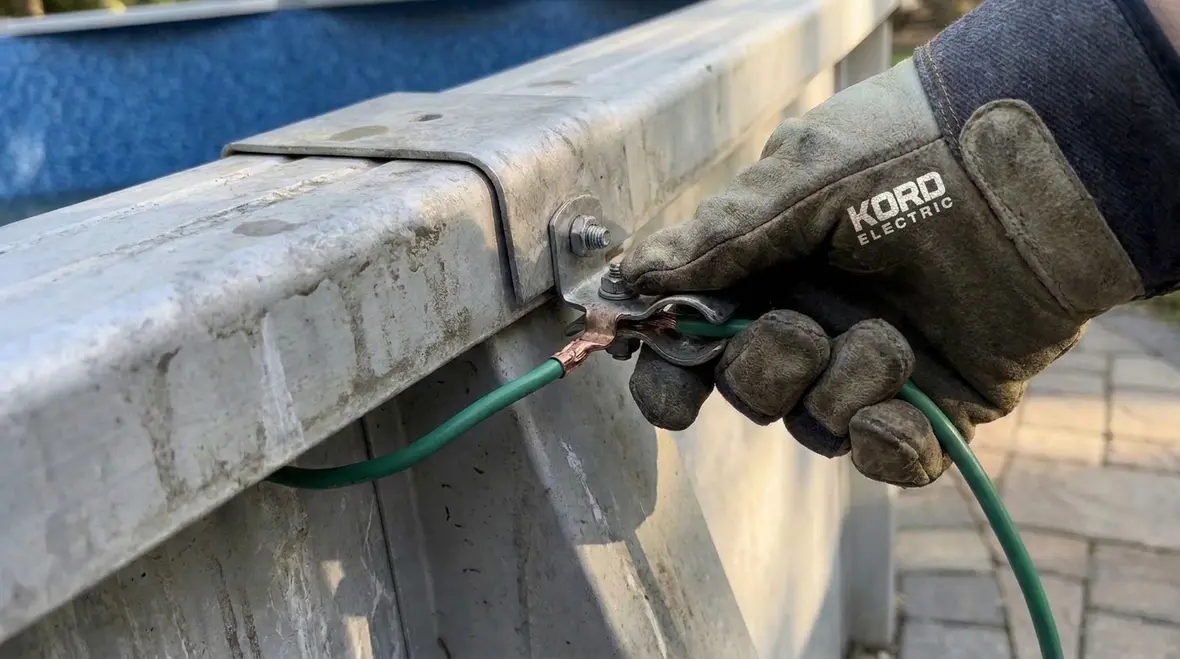
Our technicians start by identifying conductive parts that must connect together. Then, we confirm the equipment grounding path and the bonding points. We also check that the design uses the proper protective devices so a fault clears fast enough to protect people and limit damage. In a pool and water feature environment, the system must behave predictably even under abnormal conditions.
We also pay attention to how installers maintain continuity when routing cables through enclosures and metallic parts. Small gaps, loose connections, or mixed materials can undermine the bonding plan. Consequently, our service staff verifies torque, conductor terminations, and continuity as part of the quality checks.
To keep the process calm, we explain the “why” as we work. As we explain it, bonding and grounding are not bureaucratic boxes to tick. They are the safety rails that help protective devices do their job.
Inspection readiness for major property buildings
Facilities often face a tight timeline. So we help you get ready for inspection before the final walk. Our process connects design intent to field reality.
First, we confirm the scope matches the equipment list and the installation layout. Then, we verify that labeling and documentation align with the installed components. Third, we check that access points and enclosures meet code expectations for maintenance and safe operation.
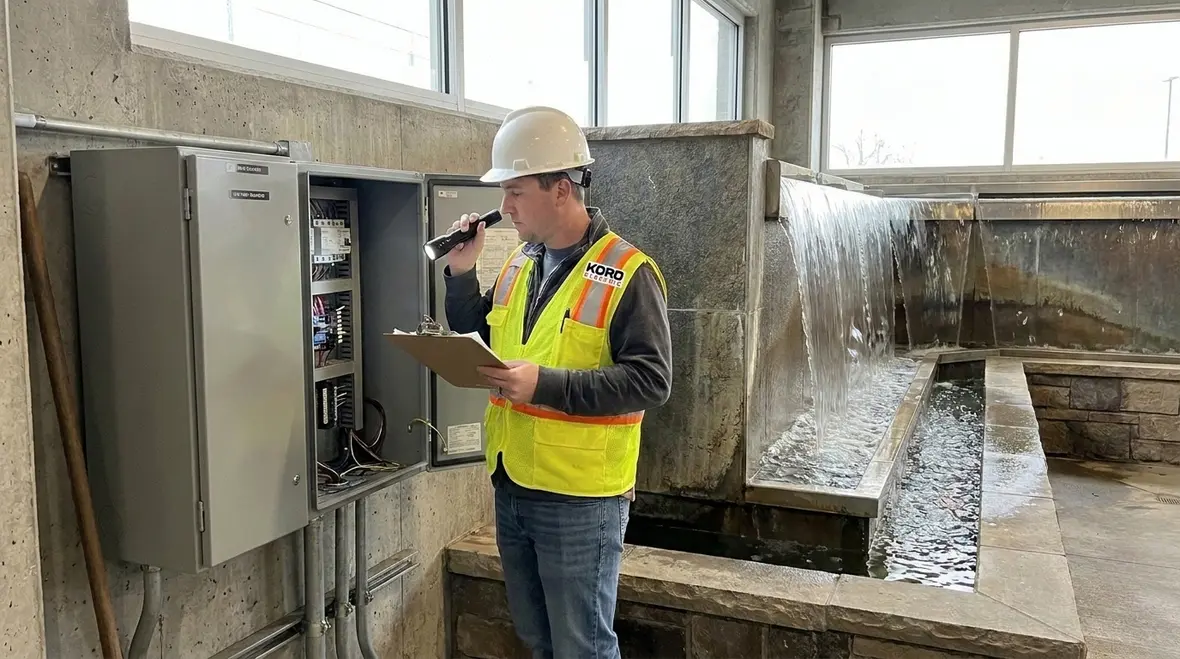
Next, we coordinate with the safety team on site. For example, if the water feature includes controls and alarms, we ensure those circuits follow the intended routing and separation rules. We also verify that any interface with fire alarm systems, building automation, or monitoring equipment does not compromise protective measures.
We use the same steady approach you would want if you were standing near the equipment, because you do not want surprises at inspection time. If something does not match, we tell you early, so the fix stays simple instead of turning into a late-night problem.
And yes, we have seen what happens when someone “improvises” near water. Electricity does not appreciate improvisation. It just writes the trouble ticket for us.
Common mistakes we prevent on NEC related projects
Most failures we see do not come from one huge mistake. Instead, they come from a chain of small choices. Therefore, we focus on the typical trouble spots and we remove risk during installation.
Wrong equipment data: Teams sometimes install based on a generic spec. However, equipment ratings and installation instructions matter. Our technicians confirm the exact device model and how it integrates with the electrical system.
Poor conductor routing: Conductors that cross damp zones without proper protection can degrade faster. As a result, we plan routing paths and check transitions carefully.
Incomplete bonding: Metal parts that should connect may get skipped. Then, fault paths do not behave as expected. We verify bonding continuity and inspect all required connections.
Protection device mismatch: Circuit protection must align with conductor type and load characteristics. So we verify coordination so protective devices operate the way NFPA 70 expects.
Neglecting service access: Equipment needs safe access for inspection and maintenance. We confirm that enclosures allow work without unsafe shortcuts.
To support clients with fire and life safety awareness, some partners also consult guidance from fire focused organizations and resources like Kord Fire, Kordfire.com.au, and fire pump community knowledge at firepumps.org. Still, on the ground, we stay grounded in NEC compliance and practical installation standards for commercial and industrial facilities.
Why we align electrical work with fire and life safety goals
When a major property building designs water features, it also protects people from multiple hazards. Electrical safety and fire safety intersect, especially with pumps, heaters, and control systems. Therefore, our team treats the electrical scope as part of the full life safety plan.
We do this by coordinating with fire alarm and fire suppression teams when those systems share spaces or interfaces. We also review how equipment shutdown and control circuits behave in abnormal conditions. Even when the NEC section focuses on wiring methods, the outcome still impacts how quickly systems respond during emergencies.
Additionally, our expert service staff explains key safety topics during commissioning. We help your stakeholders understand what the system does in normal operation, what happens during faults, and what maintenance checks matter. That clarity reduces confusion later.
In short, we help you build a system that stays safe under daily use and also behaves responsibly under stress.
How NFPA 70 Section 680.72 connects to broader NEC planning
NFPA 70 Section 680.72 spectator tub equipment lives inside a larger NEC framework that covers everything from general wiring methods to grounding, bonding, and overcurrent protection. For commercial and industrial facilities, that bigger picture matters. A spectator tub circuit that meets Section 680.72 still has to coordinate with feeder diagrams, panel schedules, and protection schemes laid out elsewhere in the code.
At Kord Electric, we regularly help facility teams tie these pieces together by walking through companion topics such as NEC organization, multiwire branch circuits, and grounding for nonelectrical equipment. When your site teams already understand the code structure, sections like 680.72 feel less like isolated rules and more like part of a coherent safety story.
That approach also supports long-term maintenance. When your documentation, diagrams, and labels line up with NEC intent, future upgrades to pool decks, spectator seating, or adjoining tenant spaces can be planned without guessing which conductors support which loads. Clear records turn each new project into a manageable step instead of a forensic investigation.
Planning upgrades and renovations around spectator tub equipment
Many spectator tub and pool systems are added as part of broader renovations: a stadium refresh, a resort expansion, or a campus modernization. In those projects, NFPA 70 Section 680.72 spectator tub equipment requirements must sit alongside other upgrade decisions: new feeders, distribution changes, or reconfigured life safety loads.
Our team helps facilities sequence that work sensibly. We look at how new water feature loads affect upstream gear, how shutdown procedures will function under emergency conditions, and how future additions could connect without overloading existing pathways. Instead of treating the tub equipment as a “bolt-on” late in the project, we treat it as a defined part of the electrical design from the first planning meeting.
This mindset supports cleaner inspections and simpler handoffs. Your internal maintenance staff inherits a system that is labeled, documented, and logically arranged, not one where every junction box feels like a plot twist. And when you pair that with training on routine checks, your team can spot small issues early, before they escalate near water and public seating.
Quick answers about NFPA 70 Section 680.72 spectator tub equipment
How Kord Electric supports NFPA 70 Section 680.72 projects
For facilities that manage spectator tubs, pools, spas, and related water features, complying with NFPA 70 Section 680.72 spectator tub equipment is not just about passing a single inspection. It is about designing systems that remain safe, serviceable, and understandable over years of use, upgrades, and events.
Our teams combine field experience with code-focused planning so your projects start on solid ground. From reviewing early design documents and manufacturer instructions, to coordinating with fire and life safety partners, to walking an Authority Having Jurisdiction through the final installation, we treat each step as part of one continuous safety story. If your facility is in Southern California, you can see how this approach extends beyond water features in our broader Los Angeles County electrical services, where we manage commercial and industrial electrical scopes with the same code-minded discipline.
Conclusion and call to action
We at Kord Electric build safe electrical systems for commercial and industrial facilities, and we make NEC compliance feel understandable instead of mysterious. If your project includes water features and NFPA 70 Section 680.72 spectator tub equipment, we will review the scope, plan the installation details, and support inspection readiness from start to finish. Call us to schedule an assessment with our expert service staff. We will help your team move forward with confidence, and keep the only surprises on site reserved for sports scores, not electrical faults.