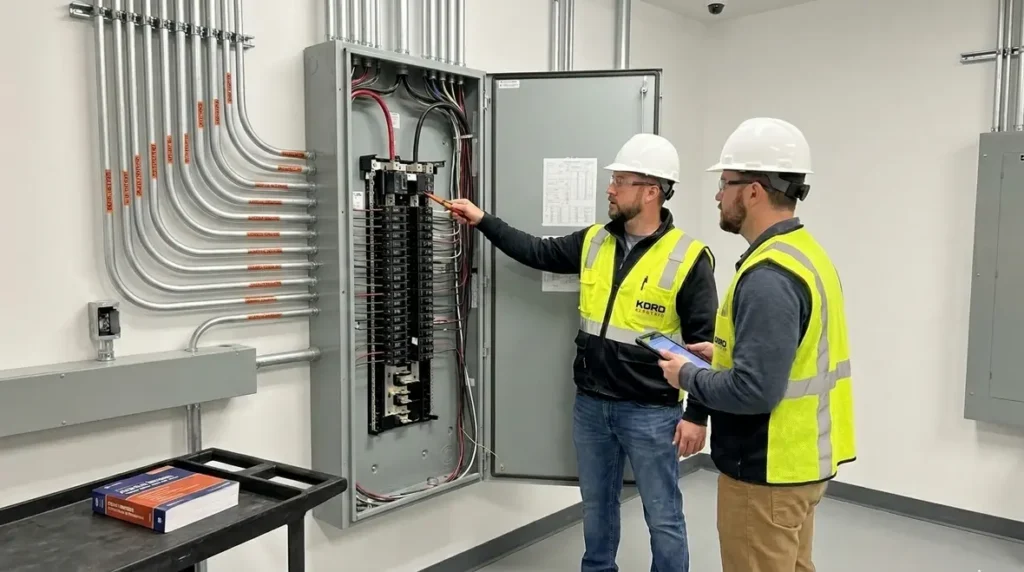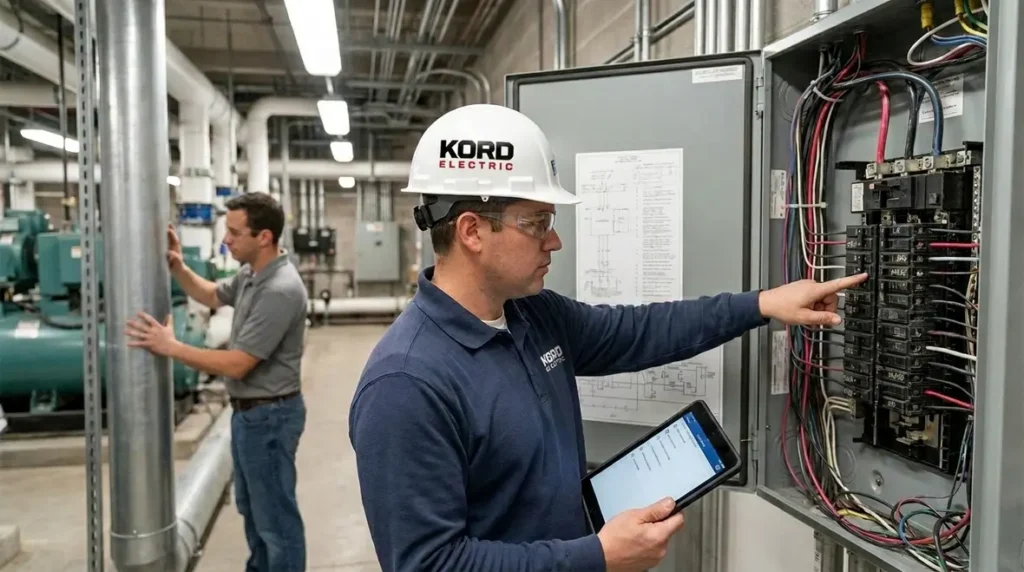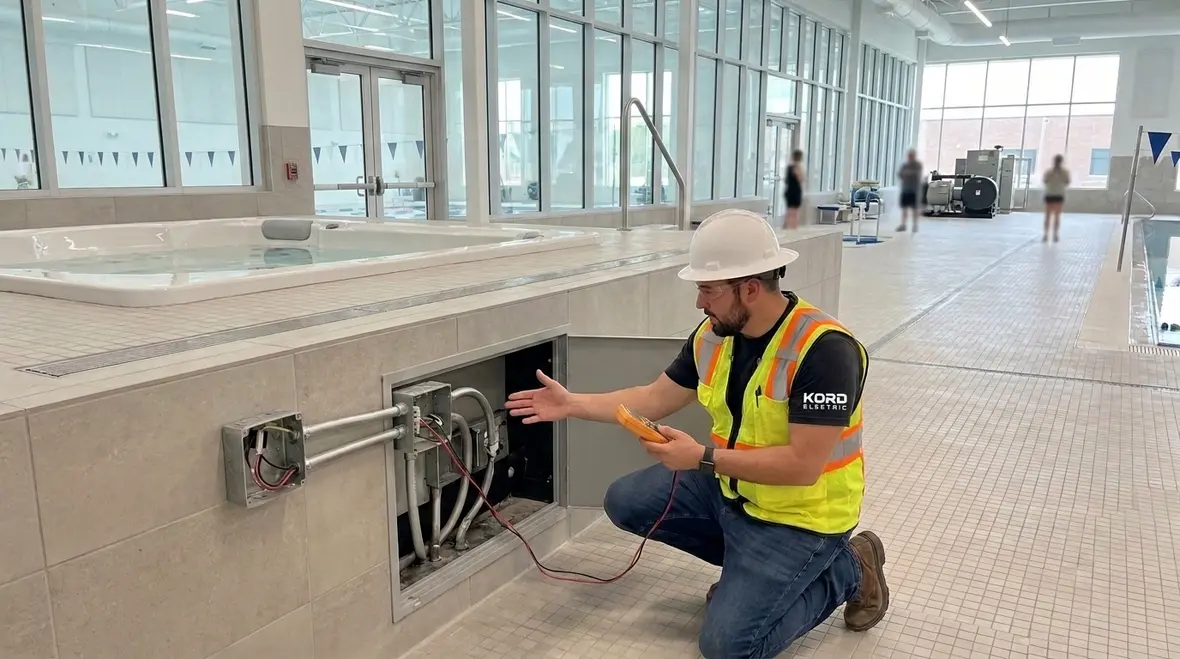
NFPA 70 Section 680.70 Spectator Tub Electrical Compliance Guide
When a building gets wired for water, power, and life safety, we do not treat the job like a hobby. We treat it like a promise. That is why we focus on compliance, testing, and clear documentation. In this guide, we walk through NFPA 70 Section 680.70 spectator tub electrical within the first 100 to 150 words, and then we connect it to the wider rules that commercial and industrial facilities must follow. If you have ever watched a breaker trip and thought, “That can’t be real,” trust us, we have heard that exact line in the field.
So we will explain what the code expects, how it affects large sites, and what our expert service staff checks during commissioning. Then we will show you practical steps to reduce surprises during inspections, occupancy, and routine maintenance.
What NFPA 70 and Section 680.70 require for large pool and spectator areas
In the National Electrical Code, NFPA 70 sets the minimum electrical safety requirements that help reduce risk of shock, fire, and equipment damage. For NFPA 70 Section 680.70 spectator tub electrical, the intent is straightforward: electrical systems near spectator tub type installations must meet specific safeguards, because these areas combine people, water, and elevated expectations.
First, the rules do not rely on “good luck.” They demand design choices that keep energized parts away from normal conditions and keep fault energy from becoming a danger. Next, they guide wiring methods, connection practices, and the protections that systems need when something goes wrong. Finally, they push facilities to plan for inspection and ongoing service.
Our technicians review these requirements with a slow, methodical mindset. We trace circuits, verify equipment ratings, and confirm the installation matches the plan set. In other words, we do not just sign off. We prove it.
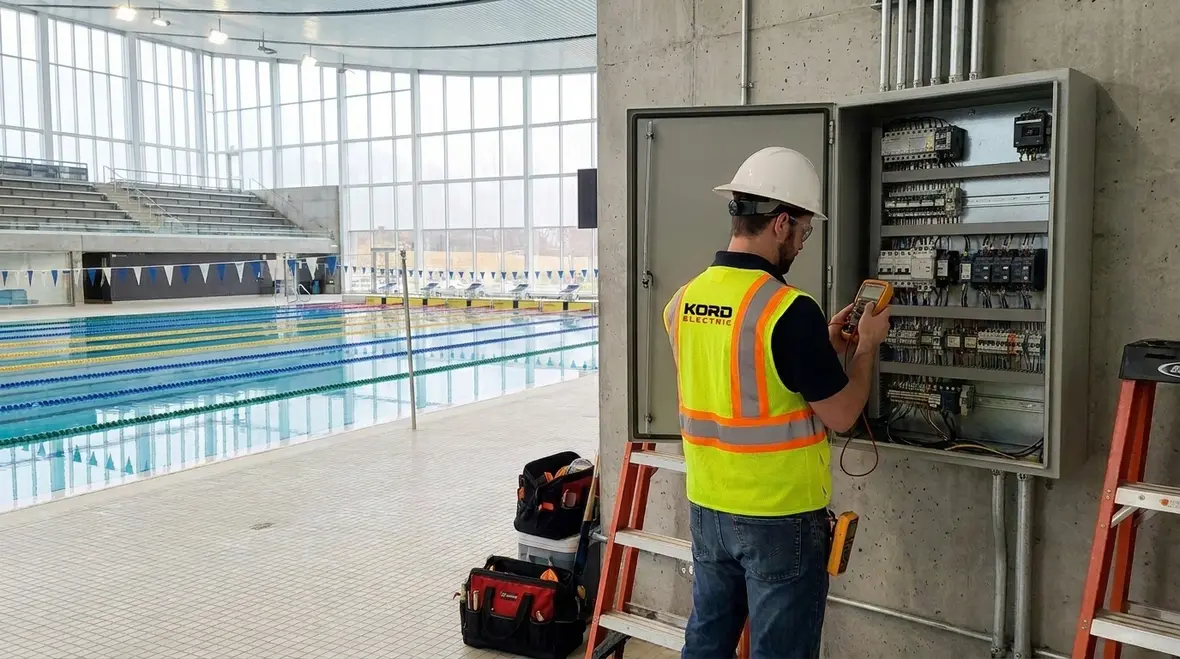
Connecting spectator tub rules to broader NEC expectations
Section 680.70 does not live in isolation. It pulls in definitions, wiring rules, and protection concepts from across NFPA 70. That includes how circuits are sized, how enclosures are selected for wet locations, and how disconnects must be positioned so maintenance staff are not forced into unsafe habits.
For facility teams already reviewing bigger NEC themes, resources like Understanding NFPA 70: The National Electrical Code Explained for 2026 and Kord Fire’s overview on NFPA 70: All About The National Electrical Code (NEC) provide helpful context on how individual sections fit inside the overall rulebook.
How the code protects people: shock, fault current, and bonding
Electrical safety in wet environments depends on three ideas: shock control, fault management, and equipotential bonding. To make this practical for major property buildings, we translate the code into field checks you can actually use.
First, shock control means that accessible metal parts and conductive surfaces do not become energized in normal use or during a single fault. Therefore, wiring insulation, protection devices, and placement matter. Second, fault management means that if a fault occurs, protective devices operate fast enough, and the energy does not linger in a way that can harm people or damage equipment. Third, bonding ties metal parts together so that they stay at the same electrical potential.
We also emphasize how installers can mess this up in ways that look minor at first. For example, technicians sometimes see a “temporary” connection that never gets corrected, or a bonding jumper that gets skipped because it feels redundant. However, the code treats those as real problems, not “cosmetic” ones.
When our expert service staff explains these sections on site, we do it with simple language and direct examples from comparable projects. We also show what we documented during commissioning, because records help when questions arrive during plan review or inspections.
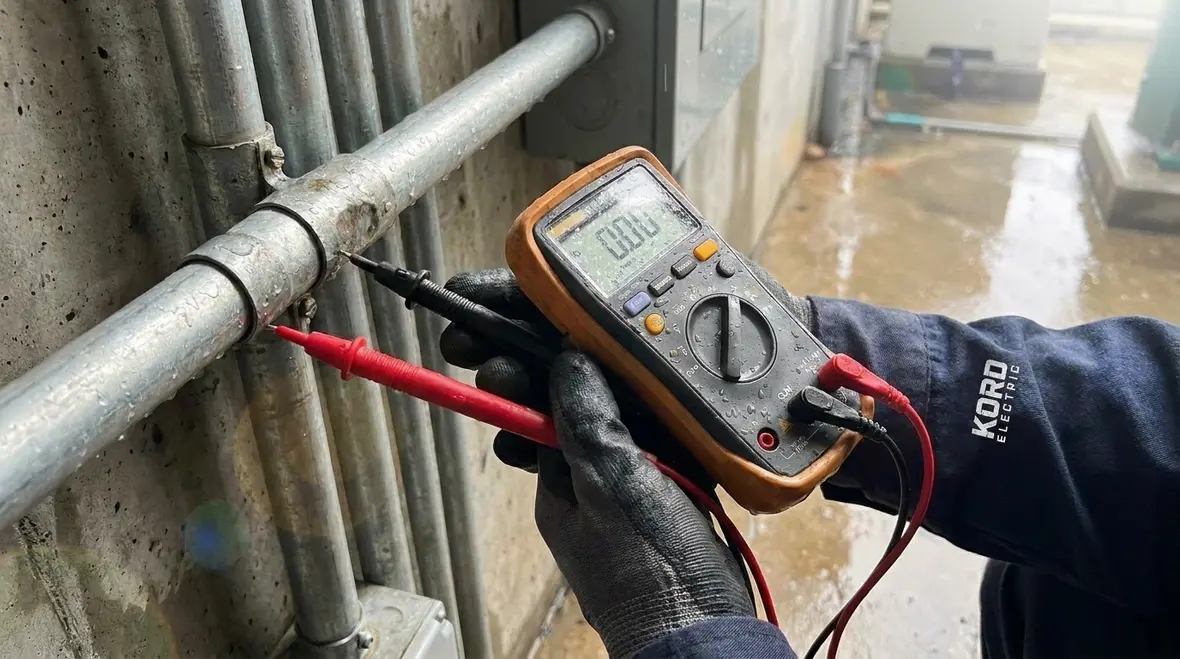
Why equipotential bonding is not optional
In spectator tub environments, a person might be in contact with water, a handrail, and the floor all at once. Without proper bonding, those points can sit at different electrical potentials during a fault. The result is the exact type of shock event the NEC is trying to prevent.
So we verify bonding jumpers, check terminations in metallic raceways and enclosures, and confirm that all required conductive elements are pulled into the bonding grid. When teams skip or “value engineer” these pieces, they do not just bend a rule—they increase real risk.
What inspectors expect to see in commercial builds
For large propertie buildings and commercial facilities, inspections often focus on evidence. Inspectors want to confirm that your electrical system matches the NEC requirements and that the installation does not rely on assumptions.
As we work with Kord Electric and our broader fire and life safety network, we see common inspection themes. Inspectors usually want to understand how conductors were routed, how devices were identified, and how protection is provided. They also want to verify bonding and grounding continuity, and they often ask how the facility will maintain the system over time.
Therefore, we recommend that your electrical contractor keeps a clean paper trail and a clear field strategy. When our technicians perform service, we build checklists that mirror what a reviewer looks for. Then we test and document results using methods that support the final report.
Here is the calm truth: nobody loves paperwork. Yet, in our line of work, paperwork prevents rework. If you want the day to go smoothly, you prepare before the inspector arrives. Yes, that includes labeling. No, the universe will not reward “we will fix it later.”
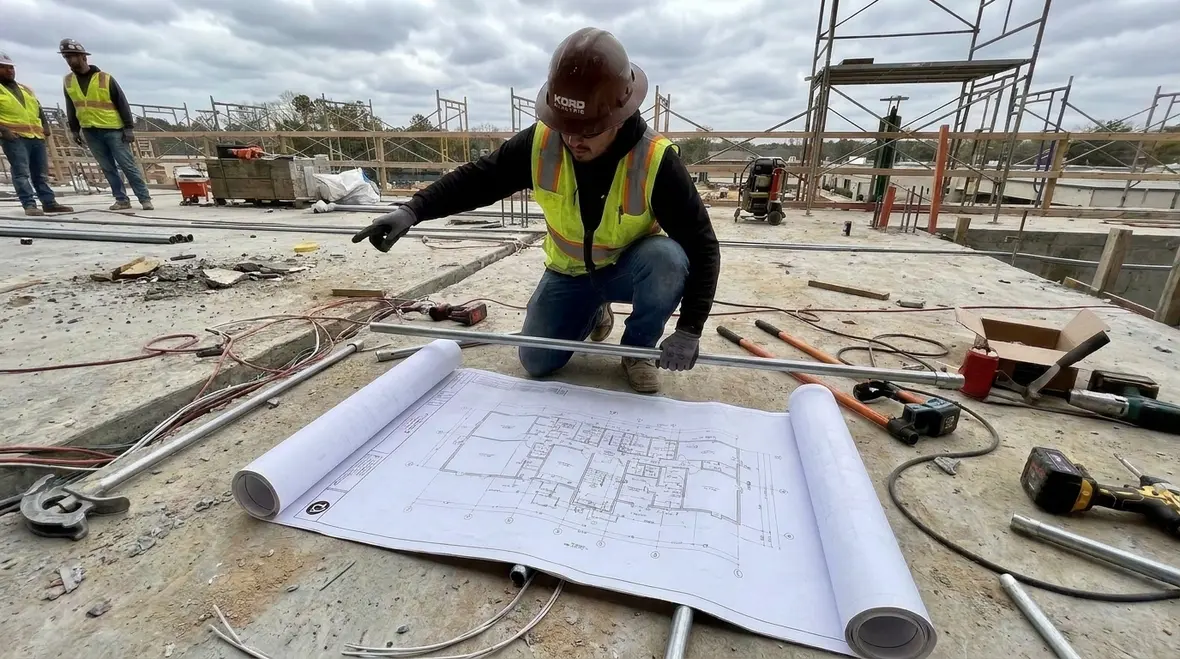
Documentation that keeps inspections calm
For spectator tub and pool-adjacent areas, we recommend documenting:
As-built one-lines that show how wet-area loads tie into distribution
Panel schedules with clear labeling for spa, tub, and spectator equipment
Bonding and grounding diagrams that track conductive paths
Protective device settings and coordination notes for fault management
Commissioning test results, including continuity and insulation checks
These same habits show up in other NEC-focused Kord Electric resources, such as their explanations of NFPA 70 Section 90.3 NEC organization and NEC wiring planning fundamentals guide Section 90.8, where planning and documentation keep complex projects stable.
Design and installation practices that reduce rework later
Commercial and industrial projects run on schedules. Yet, compliance failures cost more than time. They cost delays, replacement, and sometimes expensive shutdowns. So we focus on installation practices that reduce rework, specifically around wet-area electrical systems.
First, we coordinate early. We review electrical one lines, device schedules, and bonding plans before rough in. Then we confirm that the selected equipment supports the environment and meets the required ratings.
Second, we enforce correct wiring and termination methods. That means proper conductor size, correct termination torque, and secure connections that hold under vibration and moisture exposure. Third, we verify routing paths so water cannot follow shortcuts into places it should not go.
Additionally, we plan for access. In a major property building, maintenance teams must reach devices without damaging finishes or disturbing water system components. When we design access strategy, we think like the person who will service it three years from now. We do not build obstacles; we build working systems.
And yes, we explain these points to facility managers in a way that does not sound like a textbook audition. If you want your maintenance staff to keep things stable, you give them clear guidance and realistic expectations.
Pulling spectator tub work into broader NEC planning
For campuses that already manage data centers, irrigation systems, or specialized lighting, spectator tub electrical work becomes one more piece of a larger NEC picture. The same disciplined habits that support projects like NEC electrical code for data centers, NEC Section 675.6 irrigation control panel marking, or NEC 660.7 discharge lighting conductor rating also keep wet areas compliant.
By treating Section 680.70 as part of the same integrated code roadmap, facilities avoid last-minute surprises when pools, tubs, and spectator amenities get added to already busy electrical rooms.

Commissioning and maintenance for spectator tub electrical areas
After installation, the system must prove itself. Commissioning means more than flipping a switch. It means verification under controlled steps so the facility can trust performance, and so we can spot problems before use.
Our technicians typically confirm continuity and grounding paths, verify protective device operation, and review labeling and installation quality. Then we compare field results against the design intent and relevant requirements, including the approach tied to NFPA 70 Section 680.70 spectator tub electrical compliance concepts. Where needed, we recommend corrective actions and document what changed.
Maintenance matters because wet-area electrical systems face wear. Over time, corrosion can occur, connections can loosen, and devices can drift out of calibration. Therefore, we help facilities set maintenance intervals that match usage and environment. Then we train staff to recognize early warning signs, like unusual noise, repeated tripping, or corrosion on accessible enclosures.
For readers who also manage life safety planning, it helps to view electrical reliability as part of the larger protection strategy. In that spirit, we stay aligned with the guidance used across the fire and electrical ecosystem, and we consult resources that support NEC understanding through 2026 updates.
Building a realistic maintenance loop
In practice, we recommend building maintenance loops that coordinate with broader NFPA standards. While NFPA 70 focuses on safe installation, related guidance like NFPA 70E for workplace electrical safety and fire protection standards curated by Kord Fire keep teams aware of how occupants, technicians, and systems interact over time.
That means scheduling regular visual inspections, thermal scans where appropriate, and documented tests for high consequence areas such as spectator tubs, pumps, and life-safety-connected circuits. The goal is not to chase every tiny cosmetic flaw, but to catch the early warning signs that point to bigger electrical issues.
Industry guidance we use and why it matters
We do not rely on memory when safety depends on facts. We use structured references and align our work with current code interpretation trends. For example, our internal guidance draws on explanations and code context published through Kord Electric’s blog on NEC updates and understanding the national electrical code for 2026. We also reference additional practical overviews from Kord Fire resources, because real field work blends electrical rules with life safety needs.
We also coordinate with broader life safety and fire system communities, including organizations like firepumps.org, when projects involve water related fire protection strategies that share physical space and coordination demands. When electrical and fire protection systems overlap in a major property, we plan for safe separation, proper routing, and clear identification across trades.
And while we keep it serious, we keep it human. Code compliance is not a magic spell. Still, if you have ever tried to “wing it” on a multi site job, you know how that ends. Usually with a meeting, a change order, and somebody asking why the label was missing.
Linking NFPA 70 concepts across your facility
Because spectator tub electrical work touches many of the same NEC articles that support other systems, we often cross reference:
General NFPA 70 overviews from Kord Electric, including What Is NFPA 70? Understanding the National Electrical Code
Detailed structure walk-throughs such as NFPA 70 Section 90.3 NEC organization explained
Planning guidance in NEC wiring planning fundamentals guide Section 90.8
Together, these resources help teams treat NFPA 70 as a living framework instead of a one-time book on the shelf.
NFPA 70 Section 680.70 compliance checklist for facilities
Below is a practical checklist our expert service staff uses to keep projects aligned and maintenance focused. It suits commercial and industrial facilities, where documentation and repeatability matter.
Design review: confirm one line, device schedule, bonding and grounding approach, and equipment ratings.
Installation verification: inspect termination quality, conductor routing, enclosure condition, and identification.
Bonding and equipotential checks: verify continuity and correct bonding paths for accessible conductive parts.
Protection strategy: verify protective devices match load requirements and operate as intended during fault conditions.
Wet-area safeguards: confirm spacing, placement, and protection around spectator tub and related areas.
Commissioning documentation: record test results, photos, and field corrections made during installation.
Maintenance plan: define inspection intervals and staff actions to reduce corrosion and connection drift.
We also encourage facility teams to treat compliance as an ongoing process, not a one time event. Code doesn’t change overnight, but wear does.
FAQ
Ready for safer spectator tub electrical systems? Contact Kord Electric
At Kord Electric, we help commercial and industrial facilities avoid costly surprises by aligning design intent with real field execution. Our technicians verify bonding, protection, routing, and documentation, and we support commissioning and maintenance so the system stays safe over time. If you are planning a new build, a major retrofit, or a compliance review, we can step in early and keep your schedule calm. Call us today, and let us do the careful work before the inspection day does it for you.
If your facility is located in Southern California, you can also explore our dedicated Los Angeles County electrical services to coordinate Section 680.70 projects with panel work, distribution upgrades, and broader NEC-driven improvements across your site.