What Is NFPA 70? Understanding the National Electrical Code
What Is NFPA 70? Understanding the National Electrical Code is the question many facility teams ask before they upgrade, expand, or troubleshoot electrical systems. In plain terms, it is the main rulebook for safe electrical design and installation in the United States. And yes, it can feel long, because codes are like that. They do not read fast, but they protect lives and property. At Kord Electric, we guide commercial and industrial facilities through the parts that matter most, using our expert technicians and service staff who explain what the rules mean in real-world work. In this article, we walk through what the code covers, how the 2026 direction affects planning, and how you keep your electrical system steady, safe, and ready for inspections.
What NFPA 70 covers in practical terms
When our team asks “What Is NFPA 70? Understanding the National Electrical Code,” we do it with one goal: to connect the written requirements to the electrical reality on your site. NFPA 70 sets standards for electrical wiring methods, equipment installation, grounding and bonding, overcurrent protection, and more. In addition, it describes how systems should be installed so they reduce shock and fire risk.
However, NFPA 70 is not a checklist you can apply once and forget. As a facility changes, the electrical load changes too. Therefore, code compliance depends on the work being done correctly now and the system being maintained so it stays correct later. And when a commercial or industrial building supports critical operations, you cannot treat electrical safety like an afterthought. You plan for it, you document it, and you verify it.
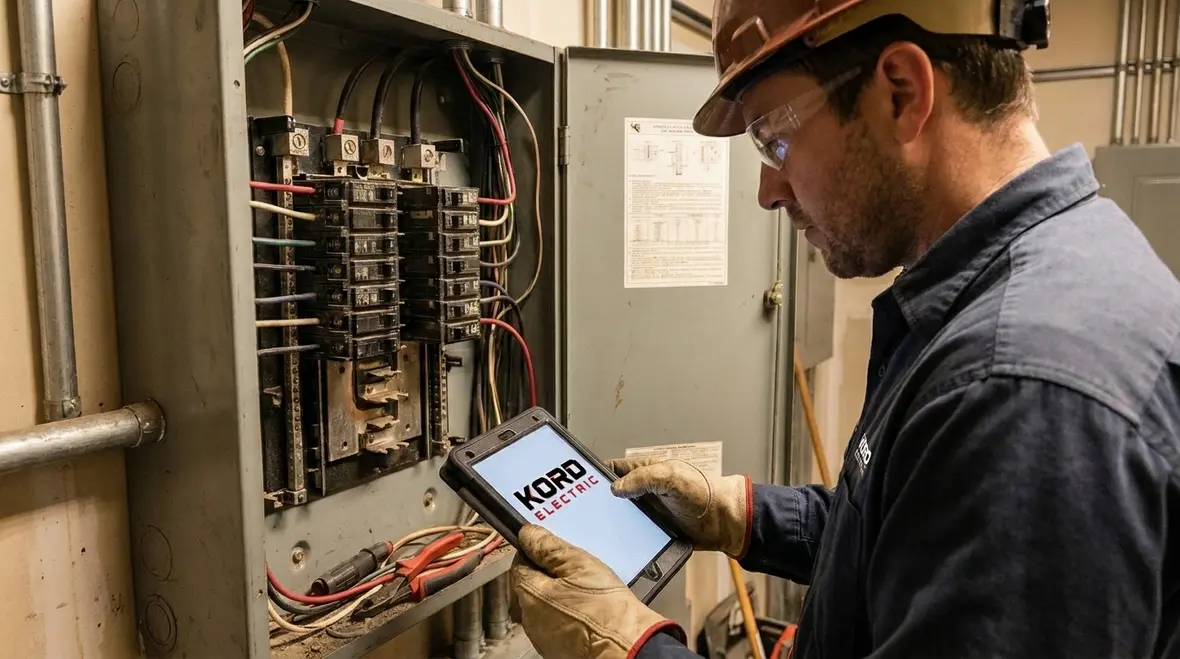
How the NEC supports safety, not just paperwork
Some people hear “code” and picture paperwork. Others picture a stern inspector with a clipboard. Both images show up in pop culture, but safety is the real plot twist. NFPA 70 is built around risk reduction, and we see the value every time we review an electrical project for a major property building.
First, the code focuses on preventing energized parts from causing shock. Second, it aims to stop heat and arcing faults from becoming fires. Then it requires the right protection methods for circuits and equipment so failures do not spread. At Kord Electric, our technicians do not just follow text. They look at the conditions, like conductor type, installation space, cable routing, and environmental exposure, so the solution fits the site.
In many facilities, the electrical system has multiple “stories” running at once: power distribution, life safety loads, controls, HVAC systems, and specialized equipment. If one part ignores the rules, the weak point can show up later, usually during a busy shift when no one wants surprises. That is why we explain the “why” behind requirements before we touch a wire.
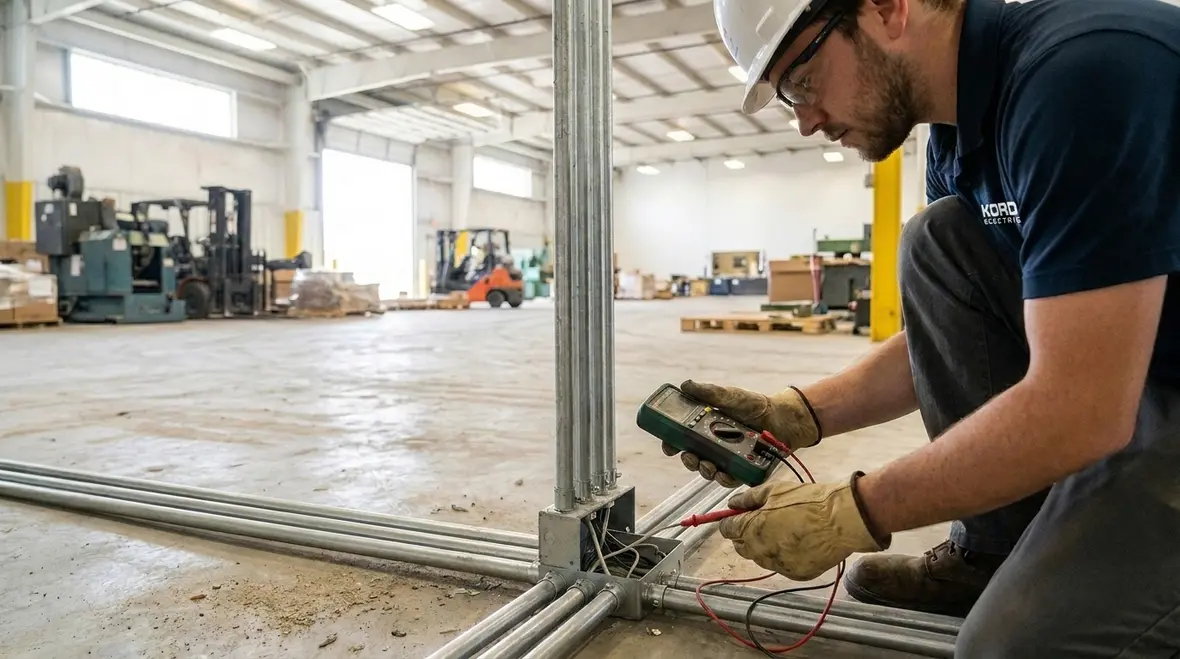
2026 planning: what facilities should watch
As updates move toward the 2026 edition, facility leaders often want to know what changes mean for budgets, schedules, and design choices. In our experience, the earlier you plan, the less you scramble. And when you scramble in electrical work, you pay for it. That is true in movies too, where the hero always runs at the last second and somehow survives. Your building does not need heroics.
At Kord Electric, we use our reading of the latest guidance from our Kord Electric blog resource titled Understanding NFPA 70, the National Electrical Code Explained for 2026 to help clients interpret direction and apply it during design and upgrades. This approach supports better coordination among electricians, engineers, and facility stakeholders.
To keep projects on track, we help commercial and industrial sites clarify scope early. Then we map out where new requirements may affect materials, protection sizing, labeling, commissioning steps, or documentation expectations. Finally, we align installation practices so the finished system matches the intent of What Is NFPA 70? Understanding the National Electrical Code, rather than just matching a plan on paper.
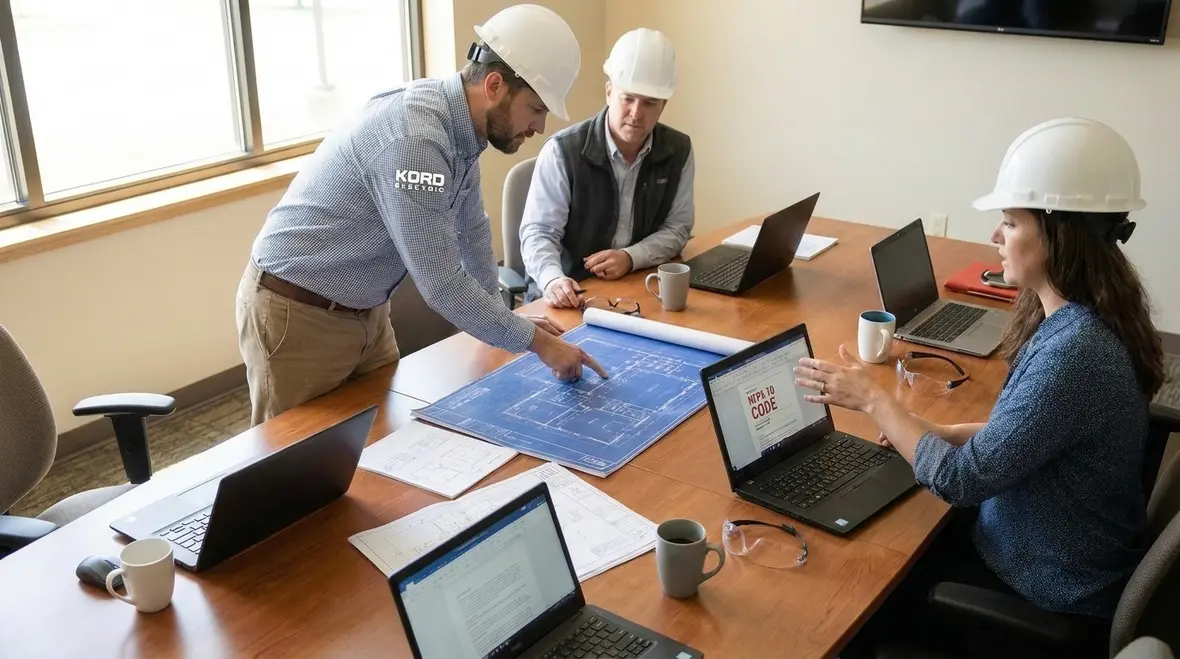
Design, installation, and inspection workflows that reduce downtime
Commercial and industrial environments run on schedules, so we structure our workflow to protect operations. First, our team reviews the existing system and identifies where the electrical design needs adjustment. Next, we coordinate with your operations team so outages stay minimal and work happens in planned windows. Then we verify that installed equipment and wiring methods match the code requirements for the environment.
We also make sure inspection readiness becomes part of the job, not something you chase at the end. Our expert service staff organizes documentation and supports field checks so you do not get stuck answering questions during a tight review window. After installation, we return to test and confirm performance so the system does what you need, safely.
Because building electrical systems often feed many departments, we treat communication like a safety device. When we explain steps in a calm, clear way, people stop guessing. And when people stop guessing, mistakes drop. It is a simple idea, but it saves time and reduces risk.
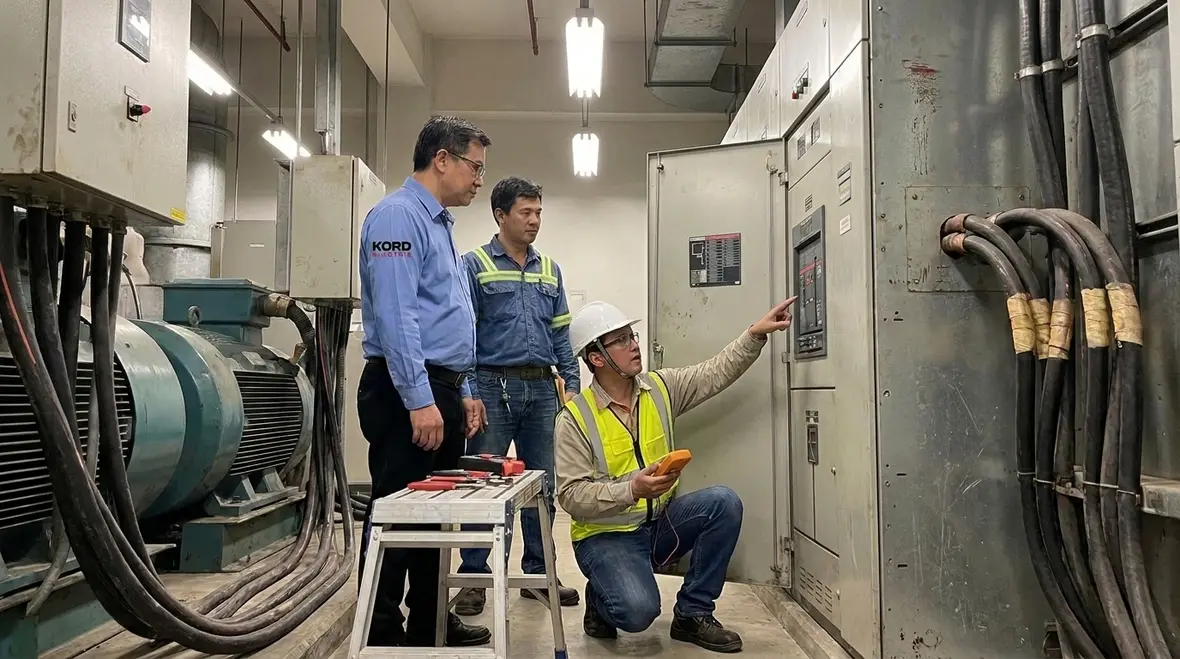
Key electrical topics we address for major property buildings
NFPA 70 spans many subjects, so we focus on what most impacts large commercial and industrial buildings. Below are common areas where our technicians spend time explaining requirements and verifying installations.
- Branch circuit and feeder rules: We help define proper wiring methods and protection so power distribution supports the building load without unsafe stress.
- Grounding and bonding: We verify the system supports stable reference points and fault protection, especially where equipment and metal pathways connect.
- Overcurrent protection: We confirm protective device coordination so failures localize instead of spreading through the facility.
- Wiring methods and cable support: We match cable types, routing, and support practices to the installation environment.
- Service equipment and disconnecting means: We plan access and operational behavior so your facility can control power safely.
- Equipment installation and labeling: We ensure installation steps support safe operation and help maintenance staff work confidently later.
And of course, there is always the human factor. A code can be perfect on paper, but if the labeling is unclear, troubleshooting turns into a late-night guessing game. We do not let that happen. We explain what each component does and where it belongs, because your technicians need clarity when they handle the next call.
Common compliance gaps we see during reviews
Even well-run facilities can fall behind as equipment upgrades accumulate. Over time, changes get added, contractors rotate, and documentation gets messy. As a result, compliance gaps show up. Our team helps clients correct them using a practical plan rather than panic.
Here are gaps we commonly see in commercial and industrial settings:
- Missing or incomplete documentation that does not match the as-built system
- Inconsistent wiring method choices that do not match the environment
- Bonding and grounding that do not support the current equipment configuration
- Protection devices that do not align with updated loads
- Access and working clearances that were acceptable before renovations but no longer fit
When our expert service staff addresses these issues, we explain each correction in plain terms. Then we coordinate implementation so your facility can keep operating. That calm, step by step approach reduces delays. And yes, it reduces the “we thought it was fine” conversations too, which are never fun and always expensive.
FAQ about the National Electrical Code for businesses
Connect NFPA 70 planning with broader electrical reliability
Because NFPA 70 touches nearly every part of a commercial or industrial electrical system, we often connect code reviews with broader reliability work. For example, when we correct common NEC issues or update protection schemes, many property teams also review topics like common NEC electrical code violations in commercial buildings so they can see how code details tie directly to inspection results and everyday operations.
The same pattern shows up in surge protection, emergency power design, and data center infrastructure. In each case, What Is NFPA 70? Understanding the National Electrical Code becomes part of a larger reliability strategy rather than a separate “code box” to check at the end. When code decisions, maintenance planning, and upgrade projects align, facilities move from reactive fixes to calm, predictable performance.
For organizations across the region, it also helps to work with a team that understands both local requirements and regional conditions. Kord Electric supports full commercial electrical needs, and many property leaders coordinate multi-site improvements through our comprehensive Los Angeles County electrical services for commercial and industrial facilities so inspections, upgrades, and operations all move in the same direction.
Choose confidence for your next electrical project
Electrical code matters most when your facility cannot afford downtime or safety risk. At Kord Electric, we work with commercial and industrial buildings to align electrical design and installation with the National Electrical Code, including the planning mindset behind What Is NFPA 70? Understanding the National Electrical Code. Our technicians and expert service staff explain the “why” clearly, coordinate around your operations, and help you move forward with fewer surprises. If you are planning an upgrade, expansion, or system review, call Kord Electric today and we will map the path together.
If you want to go deeper into how NFPA 70 shapes real projects before you start, you can also review our in-depth code-focused article, Understanding NFPA 70: The National Electrical Code Explained for 2026, and pair that guidance with reliability resources such as power audits, surge protection strategies, and emergency power planning. Taken together, these tools help transform code language into a calm, practical roadmap for your facility.
When you are ready to turn that roadmap into action, our project teams are prepared to support everything from initial design through final inspection and ongoing maintenance, so your electrical system stays aligned with NFPA 70 as your building grows.