
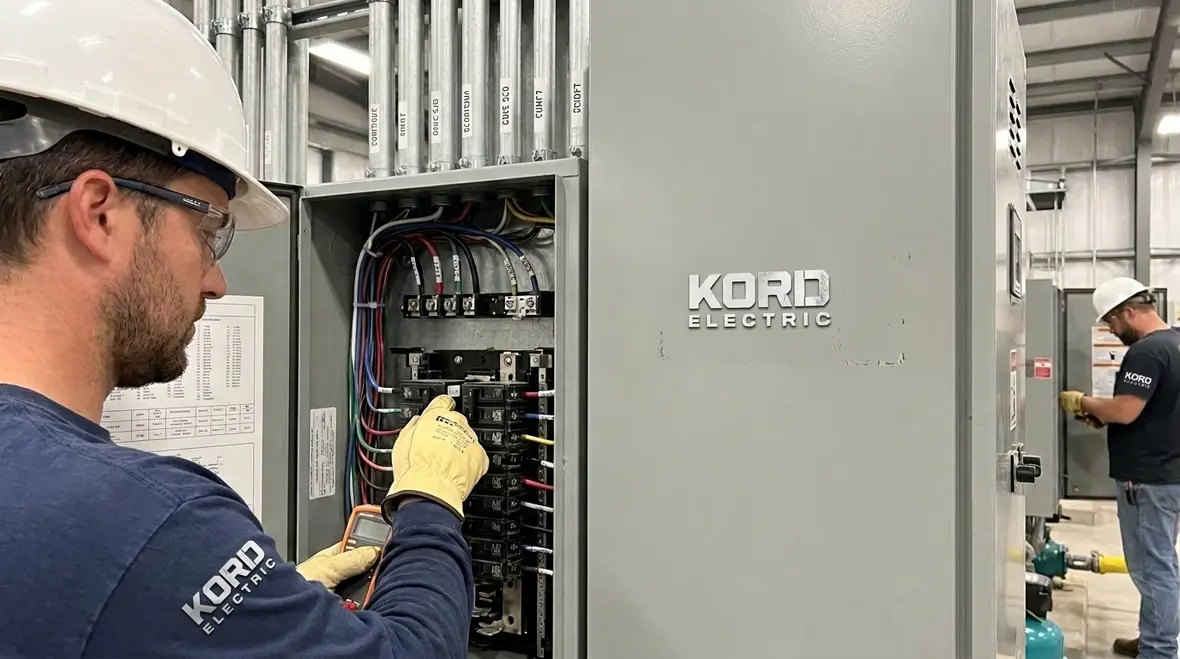
NEC Section 675.6 Irrigation Control Panel Marking for 2026
In commercial and industrial sites, electrical safety is not a “someday” project. It is a daily discipline, backed by code and enforced by trained people. At Kord Electric, we rely on clear standards and calm, expert guidance. In fact, when we review field installs, we often start with NEC Section 675.6 irrigation control panel marking because it sets the tone for how components must be identified and handled. Next, we expand that same mindset across the National Electrical Code for 2026, so our teams and your teams can move forward with confidence. And yes, we know the code language can feel like it was written by someone who hates sleep. We will translate it into something you can use.
What the NEC is really trying to prevent
Third party standards are often explained like they are rules for rules’ sake. They are not. The National Electrical Code aims to reduce fires, shock risk, and system failures. For large facilities, those risks scale fast. A small defect in a single branch can grow into downtime, insurance headaches, and work orders that nobody wants. Meanwhile, the NEC also supports consistent installation practices, which helps technicians troubleshoot faster and safer.
When our expert service staff walk a site, we do not just “check boxes.” We connect the dots between wiring methods, device labeling, and how systems operate under load. As a result, your electrical system performs predictably. Also, it helps facility managers plan upgrades with less guesswork and fewer surprise costs. If the NEC is a playbook, we make sure your team knows the plays, not just the cover.
How the 2026 NEC approach impacts large facilities
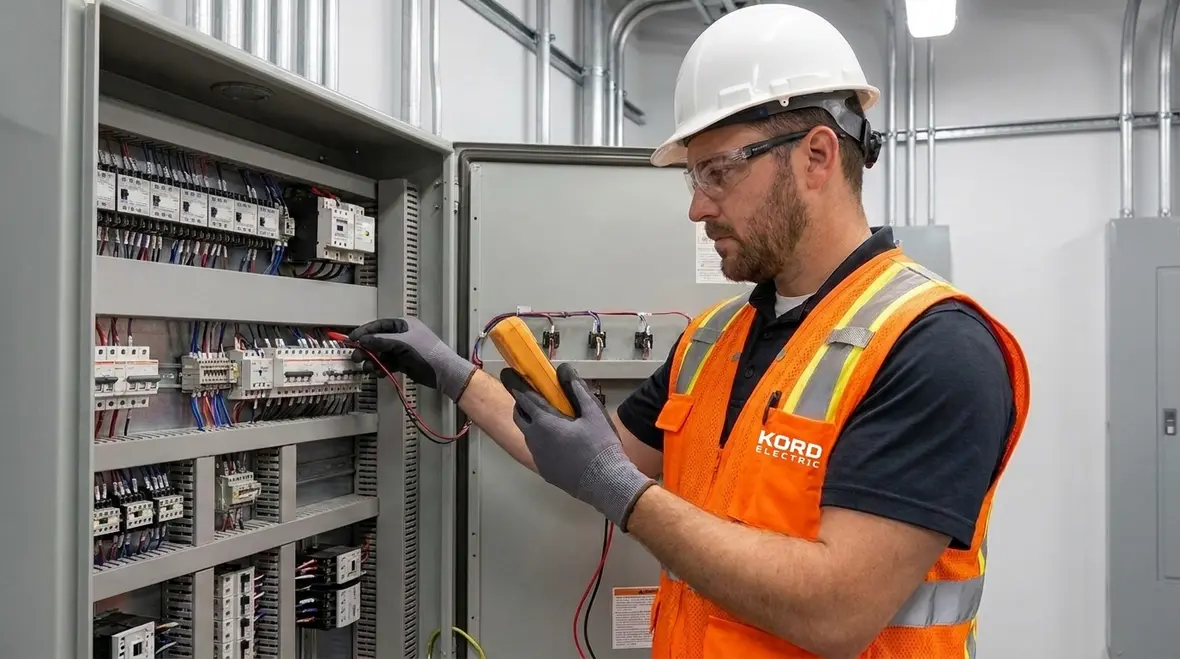
The NEC evolves so the real world can catch up with reality. For major property buildings, and for commercial and industrial work, this matters because changes often affect inspection readiness, documentation, and how new equipment integrates with existing systems. We have seen how a single update can shift labeling requirements, wiring expectations, or how control systems are treated during commissioning.
Therefore, our technicians stay current on the NEC and we help teams interpret it in context. That means we do not treat code guidance like a static document. Instead, we treat it like an operating standard. When a facility adds a pump, upgrades a control panel, or expands an irrigation network, we help align the build with the NEC’s intent from the start. And because people hate delays, we plan for compliance early rather than late, like a boring adult version of “build it before opening night.”
Connecting 2026 NEC planning with broader NFPA 70 guidance
Our internal review process for 2026 draws on the same education themes we share in resources like Understanding NFPA 70: The National Electrical Code Explained for 2026. We use that framework so commercial and industrial facility teams see how specific sections such as irrigation control panel marking fit inside the full NEC story, instead of treating Article 675 like an isolated rule.
NEC Section 675.6 and irrigation control panel labeling in practice
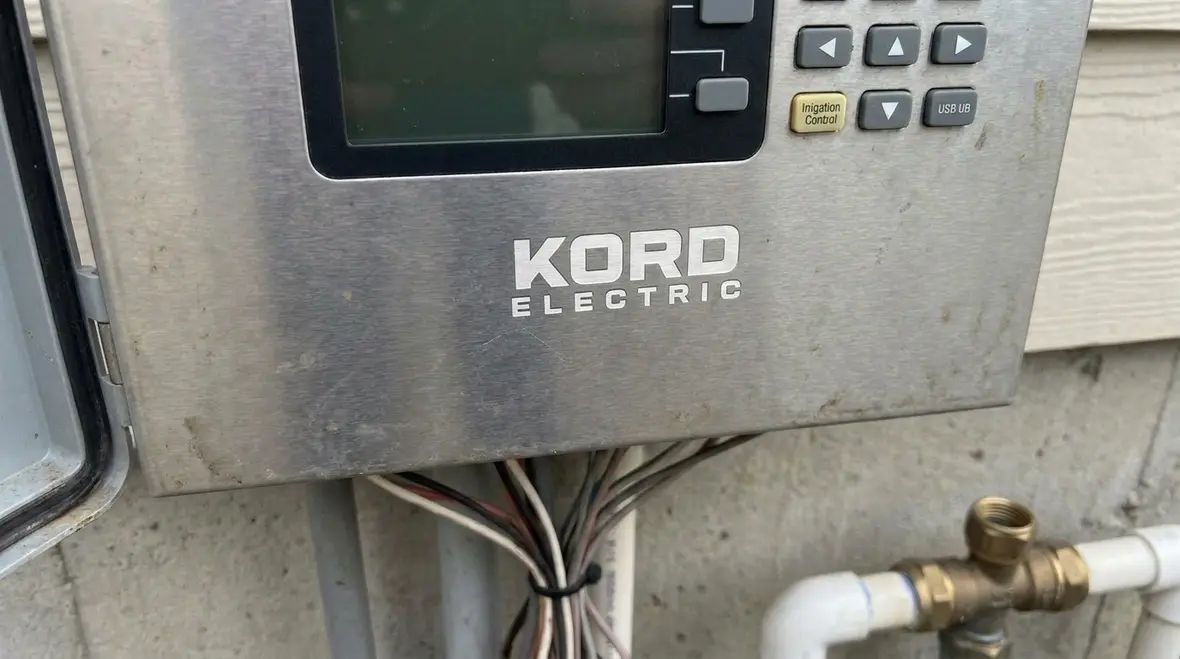
Now, let’s get specific. The NEC Section 675.6 irrigation control panel marking requirement focuses on clear identification for irrigation control equipment. In real installations, labeling and marking are not just for inspectors. They support technicians during service calls, help operators recognize equipment boundaries, and reduce the chance of working on the wrong circuit.
During our review visits, we explain what the marking must communicate and how it connects to safe operation. For example, if the equipment is part of a control system that manages valves, pumps, or schedules, then correct labeling helps everyone understand how the system is supposed to behave. In turn, this reduces the risk of misconfiguration. Also, it keeps maintenance tasks straightforward and traceable.
Our expert service staff often walk through it step by step, because the fastest path to compliance is clarity. And if someone asks, “Do we really need to mark it that way?” we respond with the same calm answer every time: yes, because when a pump controller is confusing, people guess. Guessing in electrical work is like eating a mystery sandwich. It might be fine, but you do not want that on your job site.
What effective irrigation control panel markings actually include
In the field, effective markings go beyond a single label on a door. We focus on panel names that match drawings, circuit identifiers that track back to schedules, and descriptors that explain what the irrigation system controls: zones, pumps, pressure systems, or remote inputs. When your teams can stand in front of a panel and immediately understand what it governs, NEC Section 675.6 becomes more than text — it becomes a working safety tool.
Control systems, wiring methods, and inspection readiness
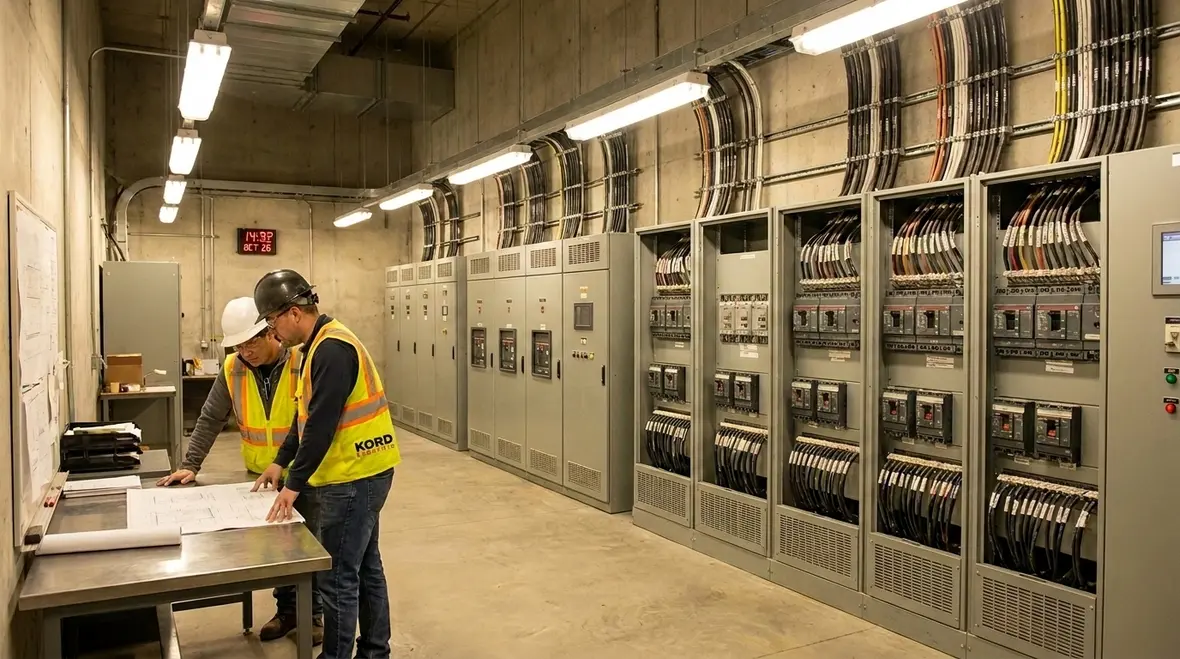
After labeling comes the build itself. For large facilities, we see delays happen when control wiring and installation methods do not align with what inspectors expect. That is why we focus on both the system design and the on the ground execution.
We guide teams through how control panels link to loads and how wiring methods protect performance and safety. In addition, we help coordinate with facility stakeholders so that the documentation matches the installed reality. As a result, when the time comes for inspections or audits, the system tells the same story from panel to device.
Our approach stays practical: we review routing, identify potential interference, confirm termination quality, and verify that protection and separation principles are followed. Then we explain the “why” behind each step in plain language. Our technicians do not just install. They teach. And when your team understands the logic, fewer calls turn into repeat visits.
Bridging NEC control requirements with real-world inspections
Because irrigation control often interacts with building management systems, lighting controls, and even remote monitoring, we make sure the NEC expectations for control circuits, overcurrent protection, and conductor routing line up with how the facility is actually operated. When we prepare a site for inspection, we treat labeled irrigation controls, clean wiring, and accurate drawings as three parts of the same checklist, not separate chores left to chance.
Common compliance gaps we find at commercial and industrial sites
Even well run facilities can run into problems when renovations, phased construction, or vendor changes happen. Meanwhile, code compliance relies on continuity. If documentation or markings get lost during handoffs, a system can look correct but fail during verification.
Here are frequent issues we spot during our work, explained in a way that helps you prevent them:
- Inconsistent device identification: Panels and associated components lack clear naming or labeling that matches drawings.
- Unclear control boundaries: People cannot tell what circuits or subsystems operate together.
- Documentation drift: As builds change in the field, records do not keep up.
- Underestimated commissioning: Testing and verification happen too late, causing rework.
- Weak maintenance handover: Operations teams lack a clear map for service and troubleshooting.
To be clear, we are not here to “catch” anyone. We are here to protect your facility and reduce downtime. Plus, it is a lot cheaper to fix a labeling gap before it becomes a week of troubleshooting and a phone call no one wants to make.
Why irrigation control panel markings show problems early
Because irrigation systems often live at the edge of a property or out in landscaped areas, any confusion in their markings tends to reveal deeper issues in documentation and coordination. When an outbuilding panel does not match the one-line diagram, or when irrigation controls are mislabeled, we treat it like a warning light for larger NEC compliance gaps that should be resolved before they interrupt operations.
How we help your facility align to NEC expectations
At Kord Electric, we support commercial and industrial facilities, plus major property buildings. We bring a compliance mindset to planning, install, and service. And yes, we also bring a steady voice when the code feels louder than the job site.
Our process usually starts with a careful review of existing conditions and the intended changes. Next, our technicians and expert service staff identify what must be updated, what must be documented, and what must be tested. Then we coordinate installation details so the system matches both drawings and code intent.
When labeling requirements come up, we treat them as part of the system, not a late add on. We help teams implement the correct marking and ensure the language on labels supports field use. After that, we confirm verification steps so your team can maintain and operate the system with less confusion. Finally, we support training and handover, because safe electrical work depends on people understanding what they touch.
From irrigation control panels to full-site NEC strategy
Many facilities first call us about a specific concern — an irrigation controller that does not pass inspection, a confusing control panel, or a recurring nuisance trip. We solve that problem and then zoom out. By treating NEC Section 675.6, wiring integrity, equipment access, and calculated load rules as a connected framework, we help you build an electrical strategy that keeps your site steady through upgrades, expansions, and inspections.
Two related resources that support code understanding
Many facility teams ask us where they can learn more without drowning in text. We point them to reputable resources that explain the NEC and related concepts in practical terms. For example, Kordfire offers straightforward insights about the National Electrical Code and how it applies to real settings. We also encourage teams to review broader fire and life safety associations where helpful context exists for electrical risk management.
We use these references to help our staff stay consistent in how we explain requirements. Then we translate what we learn into field-ready guidance for your site. Because in our world, “reading the code” is not the end goal. The end goal is safe, reliable systems that stand up to inspections and daily operations.
Building a practical NEC library for your team
When facility leaders build an internal NEC library, we suggest combining official code language with practical explainers. That can include focused Kord Electric blog articles on topics like how to read NFPA 70, how remote control circuits are handled, and how equipment space, bonding, and cabinet positioning affect daily work. From there, irrigation control panel marking becomes one familiar chapter in a playbook your team can actually use.
FAQ
What to do next for your facility
If you manage a commercial or industrial facility, do not wait for a last minute checklist. Reach out to Kord Electric and we will help you align your electrical systems with NEC expectations through clear review, careful installation, and technician based verification. Our expert service staff can explain requirements in plain terms, including how irrigation control systems should be marked for safe operation. Call us to schedule a compliance focused consult, and move forward with fewer surprises and more confidence.
For facility managers in Southern California, this often starts with a site-wide review of critical systems and priority areas such as service conductors, equipment access, and outdoor controls. Our team can bundle irrigation control panel assessments into a broader Los Angeles County electrical services engagement, so you gain one coordinated plan instead of a patchwork of disconnected fixes.
When you are ready to move from “we should look at that sometime” to “our irrigation controls and electrical systems are ready for 2026 inspections,” we are here to help you get there with steady communication, field-proven workmanship, and NEC alignment from drawing to final label.
Take the time now to verify that your irrigation control panels are marked clearly, your wiring is supported by code-backed methods, and your documentation truly reflects what is built. Your future self — and your next inspection — will be grateful.


