NEC Section 675.4 Irrigation Cable Requirements for Commercial Sites
NEC Section 675.4 and why irrigation cable rules matter to commercial sites
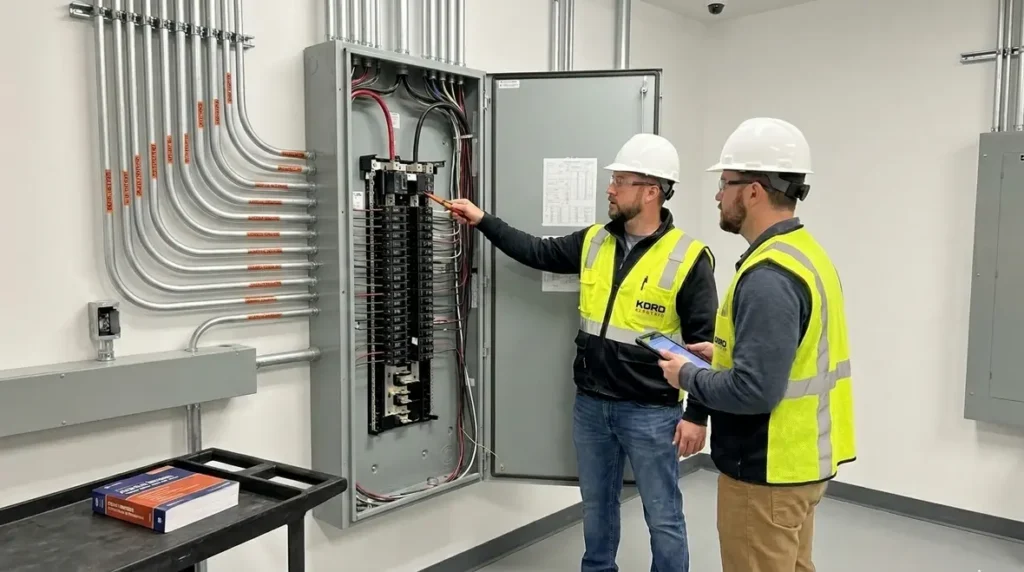
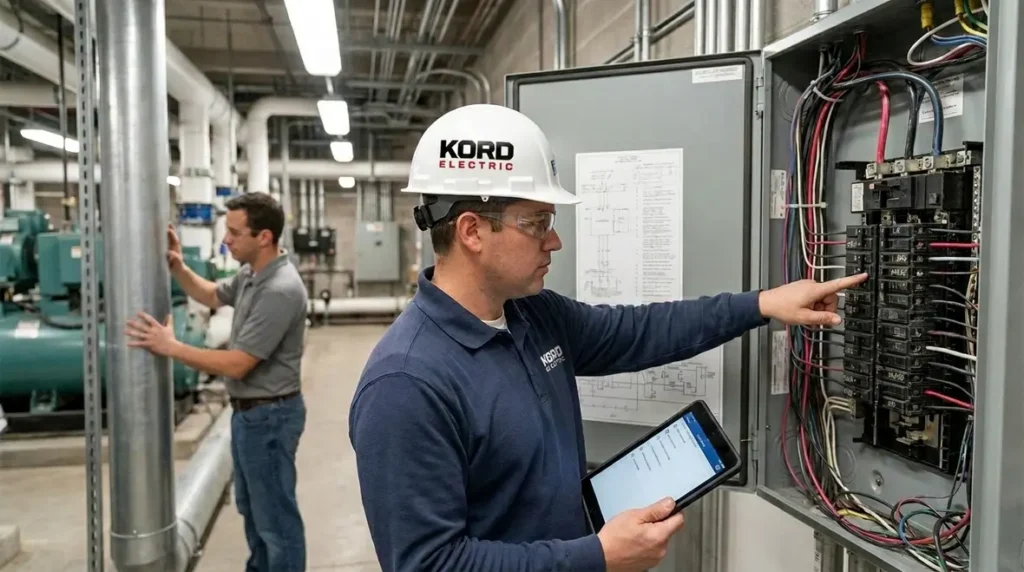
In the real world, commercial and industrial facilities do not fail because of mystery lightning. They fail because small electrical details get ignored at the worst time. That is why we pay close attention to the NEC Section 675.4 irrigation cable requirements when we plan, install, and verify irrigation and related control wiring. Early in the process, our team helps property managers understand how the National Electrical Code approach supports safe design, proper wiring methods, and dependable operation. And yes, we know the code can feel like a textbook that wandered into a construction meeting. However, when your system needs to run every day, we treat the code like a seatbelt, not like homework.
How the NEC protects people, systems, and budgets
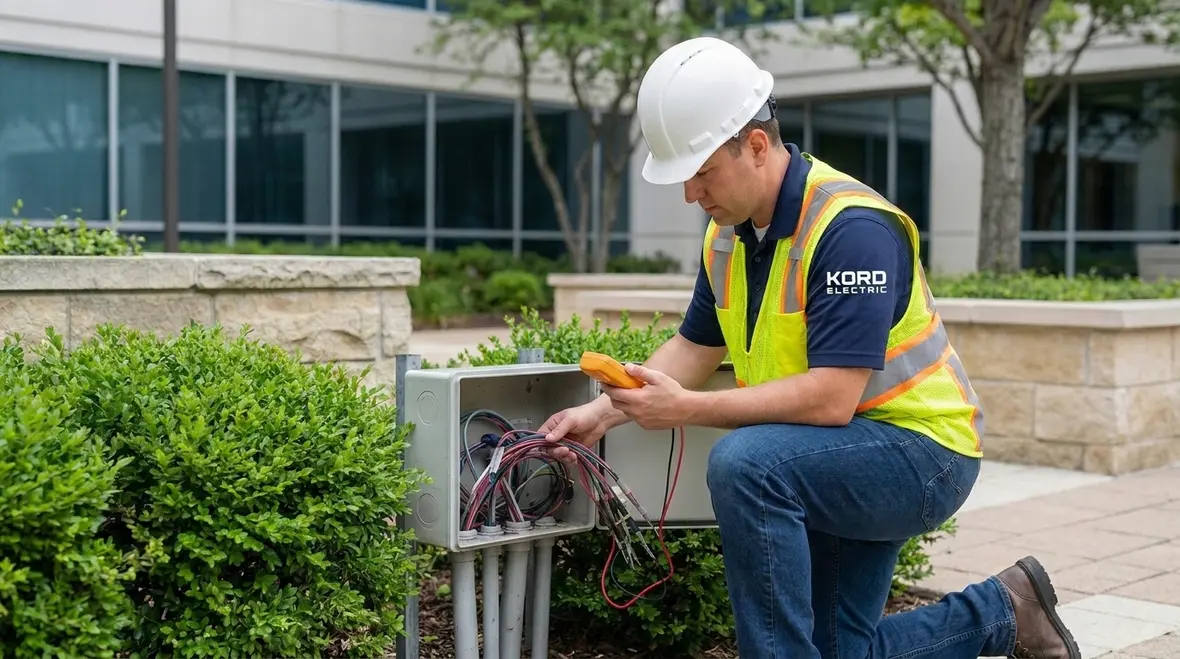
People often ask what the NEC really does. To keep it practical, we look at the NEC as a set of rules that reduce risk and prevent damage. When we work with commercial and major property buildings, we must consider hazards like overheating, moisture exposure, physical damage, and unsafe connections. Therefore, we follow the NEC framework in a way that fits the building’s environment and the equipment’s purpose.
Our expert service staff explains it like this during our inspections: the NEC does not try to predict every job site problem. Instead, it sets minimum safety expectations so that when conditions change, the wiring still performs within safe limits. In other words, we do not just “install wire.” We build a system that can handle the job it was hired to do. And if you have ever seen an irrigation controller act like it is haunted, you already know why that matters.
Across our projects, we also tie individual requirements back to the larger NEC picture, the same way we do in code focused resources such as our article on understanding NFPA 70 for 2026. That broader context helps commercial teams see that the same mindset we use for topics like electrical connection quality or work space dimensions also applies to irrigation cable planning and protection. When the big ideas stay consistent, small details like control wiring become easier to manage without surprises.
NEC planning for irrigation wiring: design choices that reduce risk
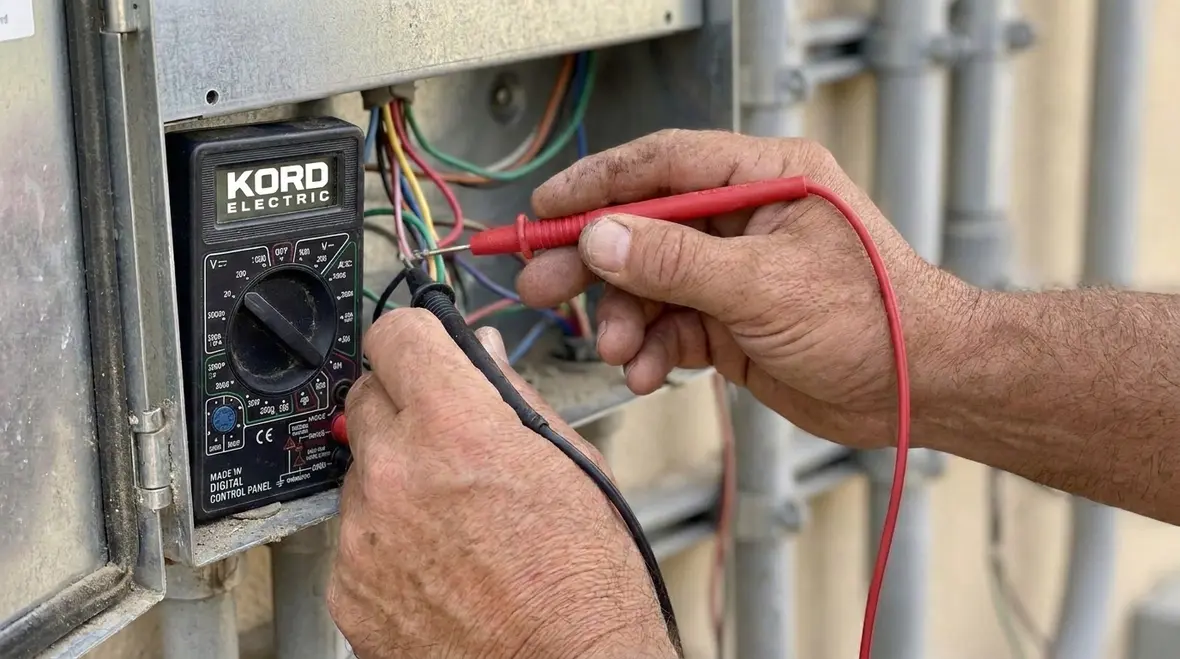
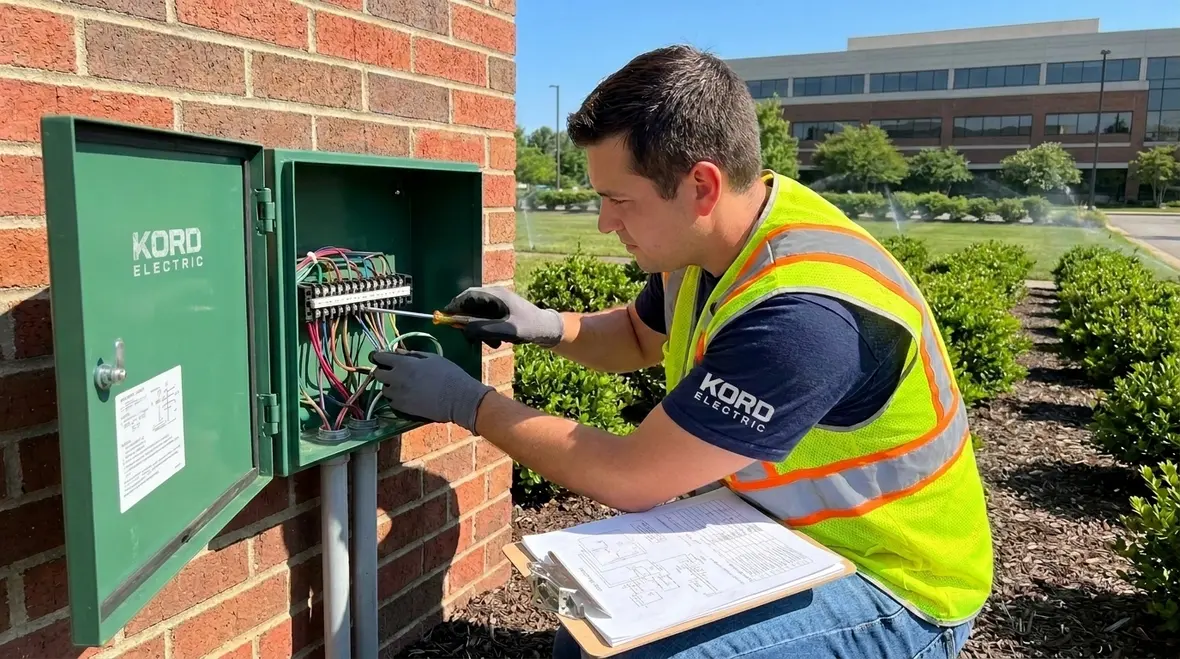
When our technicians review irrigation control and wiring plans, they start with a simple question: what will the cable face in the field? Then we map the answers to safe installation methods. For commercial and industrial sites, that usually means you will see issues like wet locations, buried segments, and equipment that sits near landscaping and drainage. Even if your irrigation system looks neat, the cable path can still hide risk.
Next, we confirm the wiring method and protection needs. We check routing, separation from other conductors, and how the cable connects to controllers and power sources. After that, we verify that the system supports stable performance in real weather, including freeze and thaw conditions where applicable. So, while others may treat irrigation wiring as a “minor run,” we treat it as part of your electrical safety plan.
As our team explains on site, a small wiring weakness can create a chain reaction: nuisance faults, intermittent control signals, and eventually a costly service call at the worst possible hour. We avoid that by planning early and verifying during installation.
Connecting irrigation planning to broader NEC practices
The way we think about irrigation cable planning looks a lot like the discipline we apply in other NEC driven topics. For example, when we handle underground service conductor sizing, we start with load, environment, and protection before we ever pull cable into a trench. With irrigation control circuits, we apply the same “no guesswork” mindset, just scaled to the voltages and control behaviors that irrigation equipment uses in the field.
What NEC Section 675.4 demands for irrigation cable
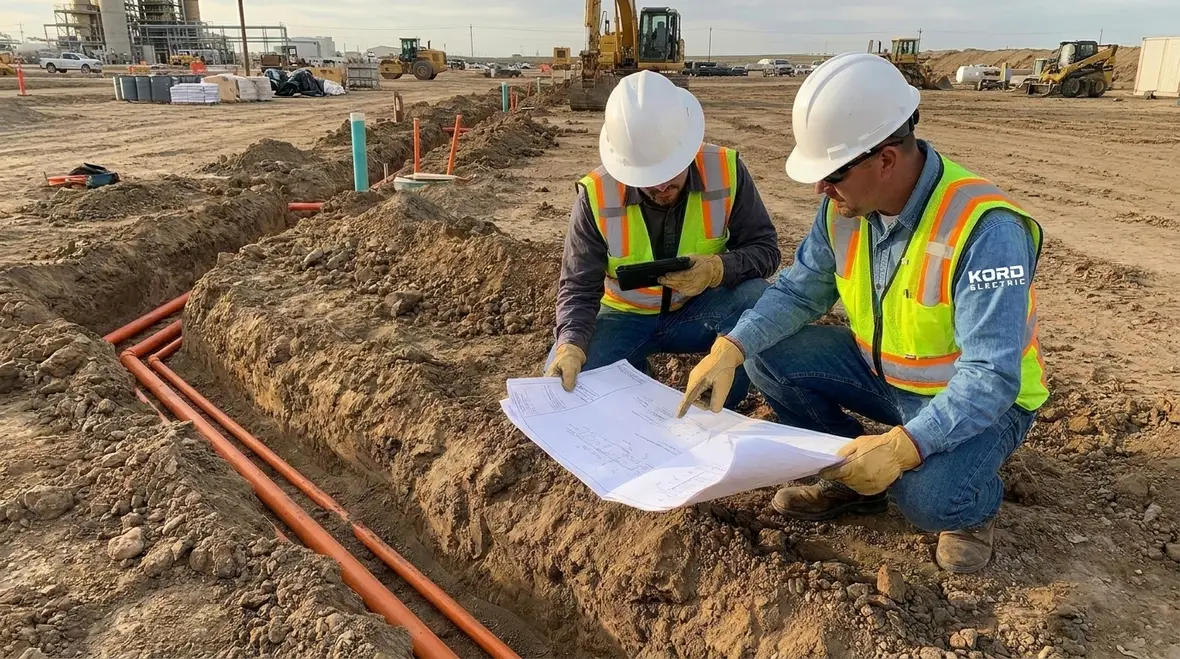
Let us talk about the heart of the matter. Under NEC Section 675.4 irrigation cable requirements, the code focuses on how irrigation cables should be selected, installed, and protected for their intended use. We follow these requirements to help ensure safe operation around irrigation systems and related control circuits. While exact details can vary based on the overall wiring design, our technicians consistently check for the cable type and installation approach that match the code intent.
During review and installation, we look at the cable’s suitability for the environment. Then we confirm proper protection where physical damage is likely. We also verify the installation method supports long term reliability, especially where the cable may face moisture and soil conditions. Finally, we check termination practices and how the cable interfaces with control equipment so that connections do not loosen, overheat, or fail under typical site conditions.
Our expert service staff explains this clearly because we do not want anyone guessing. Guessing leads to rework. Rework leads to schedule slips. And schedule slips, in the commercial world, are basically a subscription service to stress.
How Section 675.4 fits into your NEC game plan
When we walk facilities through NEC Section 675.4, we also point out how it sits next to other code expectations that affect wiring choices. The same diligence we bring to topics like NM cable at boxes and fittings or raceways that must drain shows up when we select and route irrigation cable. The message stays the same: the cable, the terminations, and the environment all have to agree with the code, not just with the drawings.
Common mistakes we prevent on major buildings and industrial sites
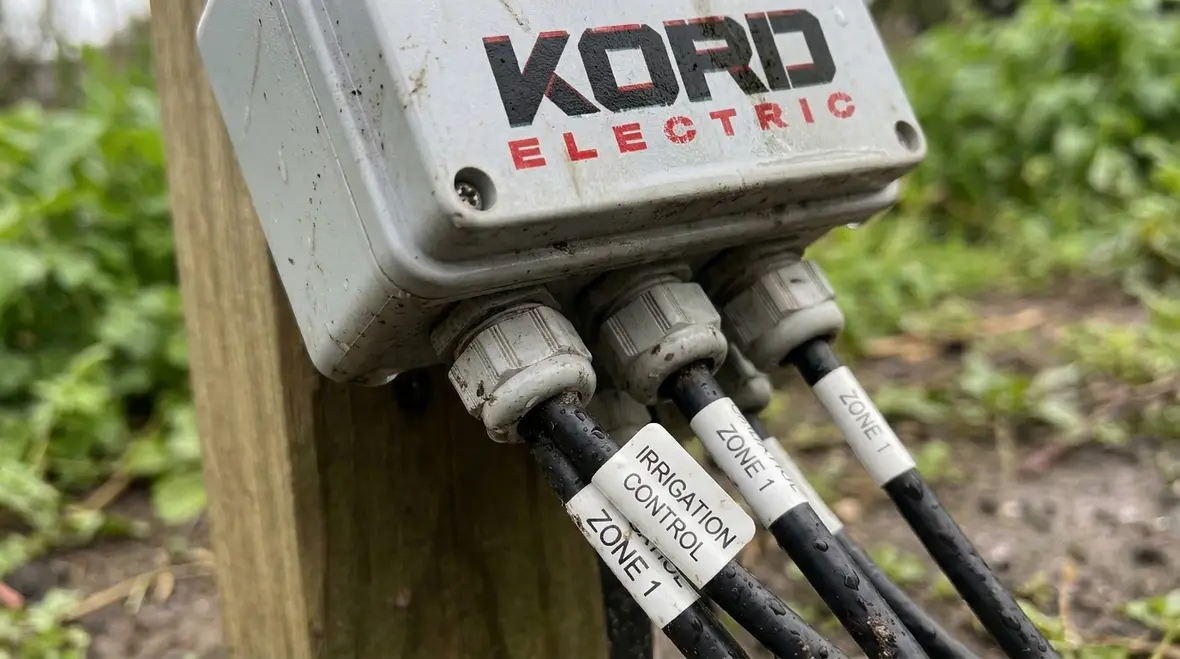
Even when teams mean well, irrigation and related control wiring can get mishandled. That is why our technicians run a practical checklist during commissioning. We see patterns again and again, and we help our clients avoid them.
Using “close enough” cable types
First, some facilities use cables that seem “close enough.” Over time, that mismatch can cause insulation issues or unreliable control behavior. The cable might not be rated for wet locations, burial, or the voltage and signaling method the controller expects. When we apply NEC Section 675.4 irrigation cable requirements, we make sure the cable’s listing and construction truly fit the job instead of hoping the environment will behave.
Casual routing and unprotected transition points
Second, routing gets treated casually. Yet physical damage often occurs at entry points, crossings, and transitions from one area to another. A small section of exposed cable near a curb, sidewalk, or planter edge can take the punishment for the entire run. We address that by planning the path the same way we do for other NEC governed raceways and conductors, not as an afterthought.
Rushed terminations and “it lights up, so we’re done” thinking
Third, installers may rely on quick connections without meeting the required quality for terminations. That is where heat and intermittent faults can start. Our team borrows lessons from our work on topics like NEC electrical connection quality standards, so even low voltage irrigation control terminations follow clean, repeatable practices.
Additionally, teams sometimes skip verification. They move on because the controller lights up. However, stable power at one moment does not guarantee stable performance after months of outdoor exposure. Therefore, we confirm the system operates as intended and that the wiring method matches the conditions at your site.
If that sounds intense, good. Commercial electrical work should feel serious. The only thing that should be playful is the way we explain it. Like when we say, “Your cable should not be treated like a last minute party favor.” Then we get back to business.
Inspection, documentation, and how we communicate with facility teams
Commercial and industrial operations need more than good installation. They need clear documentation and smooth communication. For that reason, we coordinate with building managers, maintenance staff, and general contractors so everyone understands what we installed and why.
Our technicians document the wiring approach, confirm compliance checks, and note any site factors that affect long term performance. Then, when we close out work, we explain what to monitor. That might include controller behavior, signs of moisture intrusion, or changes in irrigation zones. We also help teams understand how to handle service calls without making things worse.
Plain language code conversations
We communicate in plain language, because code compliance should not require a law degree. Our expert service staff takes time to explain the “what” and the “so what.” And if the facility team wants a deeper walkthrough, we provide one. We respect how busy these sites are, and we know maintenance windows can be tight.
When facility leaders want extra context, we often point them to educational pieces such as our explainer on the National Electrical Code for 2026, or topical blogs on subjects like work space dimensions and feeder barriers and guarding. The same habit of documenting decisions and explaining intent carries over into how we handle irrigation wiring, so the story behind the cable remains clear long after the project wraps.
Working across codes and related standards in the field
Electrical safety does not live in one document. While we anchor our approach in the NEC, we also align with broader safety expectations that apply to fire and life safety systems. On some projects, you may also see overlaps with fire protection planning and related equipment coordination. Our company regularly collaborates with professionals who manage those scopes, ensuring the electrical portions support safe system operation.
In practical terms, we make sure wiring designs do not conflict with fire pump control needs, standby power considerations, or coordination requirements across building systems. If your project involves fire pumps and related control wiring, we can help with the electrical side so the system works as a unit, not as separate parts. For example, teams often turn to resources like Firepumps.org to understand how these systems behave, and we align electrical execution with those operational realities.
Staying aligned with Kord Fire and NEC education resources
We also keep up with guidance and updates posted through our broader knowledge channels, including our own NEC focused materials at Kord Electric’s blog and complementary content from Kord Fire. That way, we maintain a consistent safety mindset as codes and interpretations evolve.
For readers who want to zoom out before diving into specific topics like NEC Section 675.4 irrigation cable requirements, we suggest starting with our companion article on Understanding NFPA 70: The National Electrical Code Explained for 2026. From there, it becomes easier to see how irrigation control circuits, fire and life safety wiring, and power distribution all share the same code backbone, even if they serve different pieces of your facility.
FAQ
Ready for code minded irrigation wiring on your facility
If you run a commercial or industrial property, you deserve electrical work that stands up to weather, time, and real operations. At Kord Electric, we plan, install, and verify irrigation and related control wiring with the NEC in mind, including the NEC Section 675.4 irrigation cable requirements. Then our technicians explain what we did and how to keep the system reliable. Contact us for a review or installation support and let us handle the details before they handle your schedule.
Bringing NEC discipline to the rest of your electrical system
Most irrigation wiring projects live inside a much bigger electrical story. If your facility also needs help with feeder protection, underground services, or surge mitigation, our field experience extends across the same NEC landscape you see in our articles on topics like underground service conductor sizing, feeder guarding, and industrial surge protection. That way, the same code minded reasoning you apply to irrigation control also supports panels, transformers, and life safety equipment.
Serving commercial facilities across Los Angeles County
Kord Electric provides comprehensive commercial electrical support throughout the region, from control wiring and distribution upgrades to preventive maintenance and power quality services. If your property is located in Southern California, explore our Los Angeles County electrical services to see how our team can support irrigation projects alongside broader code compliance, reliability, and expansion plans for your facility.
Whether you are planning a new irrigation system, upgrading existing controls, or coordinating with other capital improvements, we help you connect the dots between design intent, NEC requirements, and everyday operation. From the first trench line to the final controller test, our goal is simple: wire it once, wire it right, and keep your commercial site ready for the next season instead of the next emergency call.