
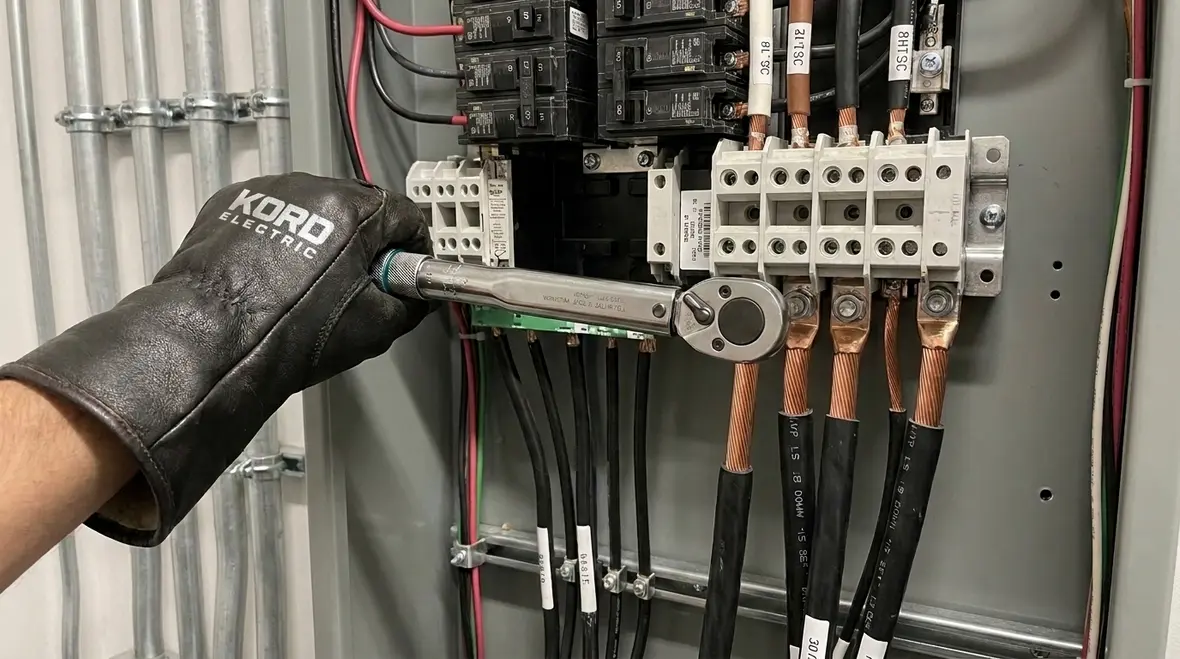
NEC electrical connection quality standards and impact
NEC electrical connection quality standards, and why they matter in real buildings
At Kord Electric, we follow NEC electrical connection quality standards right from the start of every job. We take NFPA 70 Section 110.14 seriously because the quality of an electrical connection affects reliability, heat, and safety. In commercial and industrial facilities, one loose termination can turn into an expensive problem fast. So, in plain terms, we expect proper torque, clean conductors, correct parts, and solid installation practices that pass inspection without drama.
And yes, we have heard every excuse in the field. The wire was “probably fine.” The connector “looked tight.” The breaker “must have tripped for a good reason.” Then the load rises, the connection warms, and the building pays the bill. That is not a strategy. That is just electricity doing what it does best, moving toward failure like it has a standing appointment.
NFPA 70 Section 110.14, explained like your facility actually cares
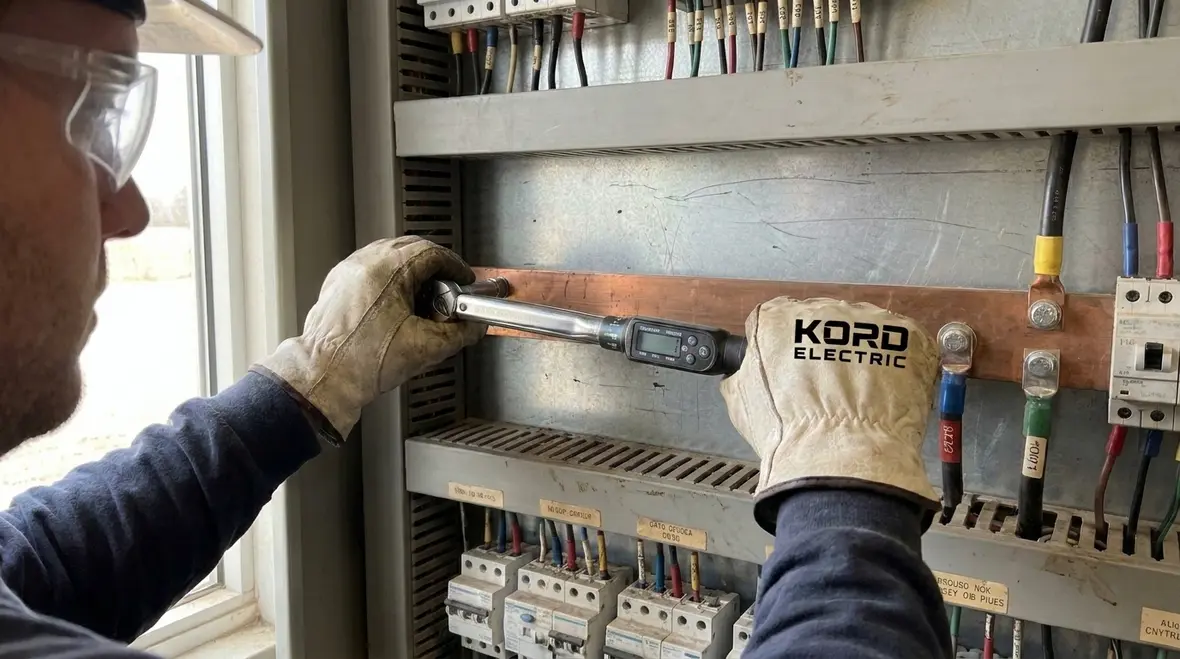
NFPA 70 Section 110.14 sets rules for electrical connection quality. It focuses on making sure conductors and terminals stay secure and maintain good contact under normal conditions. To explain it, our technicians start by looking at the physical connection, not just the wiring diagram. They check if the connection uses the right method and parts, if the termination surfaces remain clean, and if the installer built the joint for long term performance.
Just as importantly, the standard treats “connection quality” as an expectation, not a hope. Therefore, we design our workflow around repeatable steps. That way, we do not rely on one person’s memory or a hurried install. We use documented processes, and we verify the result before the panel closes.
For broader NEC context, many facility teams also review Kord Electric’s resource “What Is NFPA 70? Understanding the National Electrical Code”, which explains how the code shapes everyday design and installation decisions in commercial and industrial buildings.
Where bad terminations start, and how heat quietly escalates the issue
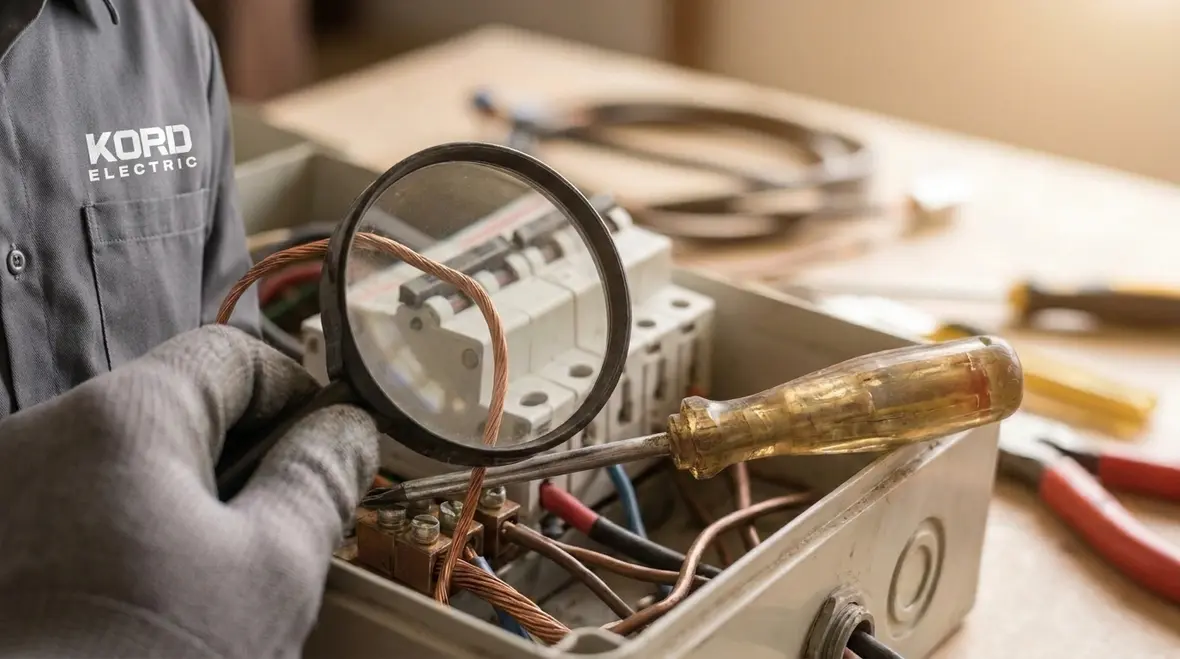
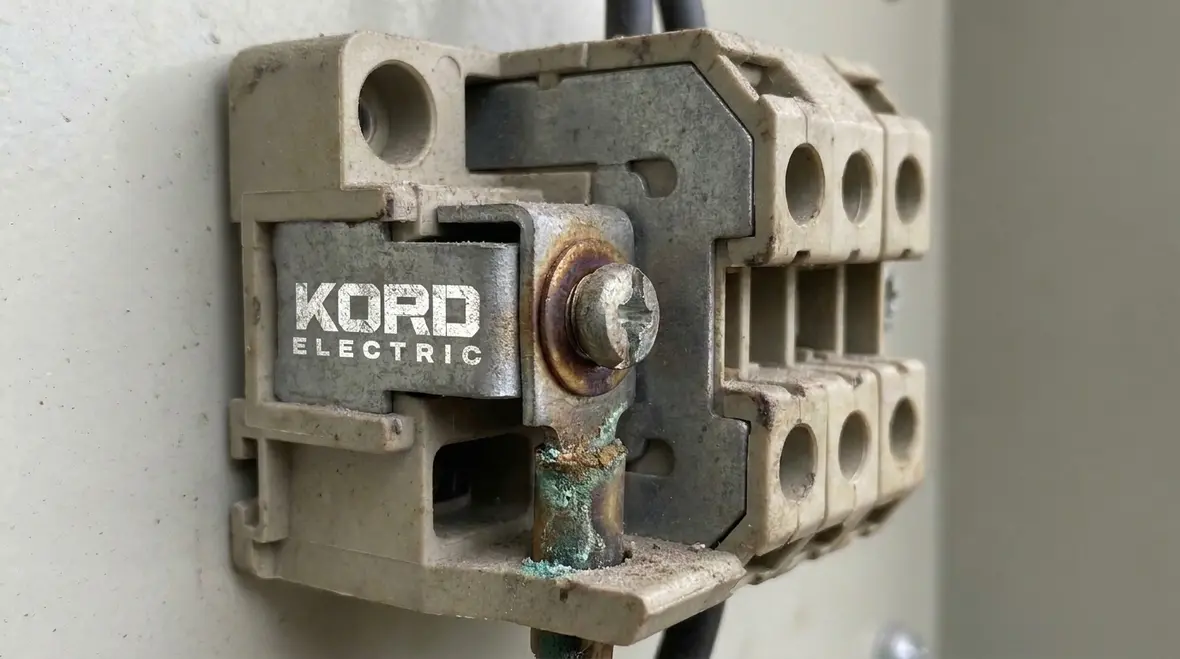
Bad connections rarely announce themselves at first. Instead, heat builds gradually. When contact resistance rises due to poor seating, improper torque, damaged strands, or mismatched parts, energy turns into heat. Then the heat pushes the connection out of spec even more. It is a slow spiral, like a sitcom that keeps running the same joke until everyone in the room finally leaves.
In larger commercial and industrial setups, the problem compounds. Equipment runs longer hours, load levels vary, and systems see more switching events. Consequently, small errors become bigger failures. We see it most often in:
- Terminations on bus bars and breaker connections where torque matters
- Splices and transitions where workmanship affects contact quality
- Connections inside enclosures where heat and dust reduce margin
- Rework areas where shortcuts turn into “mystery connections”
Our expert service staff explain this directly during commissioning and troubleshooting. We do not just tell people what happened. We show them what the connection was doing, and why NFPA 70 Section 110.14 wants the work built to last.
Torque, preparation, and proper parts, the unglamorous trio that prevents failures
If there is one theme we repeat, it is simple. The connection must be made in a way that maintains good contact and stays secure. That includes correct preparation of conductors, correct termination methods, and using listed components made for the application. Therefore, we treat installation details like they are the main event.
Our technicians focus on three areas. First, they prepare the conductor correctly. That means clean surfaces and proper stripping so the strands do not get nicked or contaminated. Second, they use the right termination hardware and components. Third, they apply torque based on the manufacturer requirements and the job needs. In commercial and industrial facilities, that step matters because many terminations fail due to uneven clamping pressure, not because the cable “looked fine.”
Also, we build in a verification habit. After torque, we visually inspect and confirm that the conductor sits properly without gaps or stress. Then we confirm that the enclosure and routing support the connection long enough to outlast the project. Think of it as asking the connection, “Are you stable?” And then following up with a calm, professional “Yes, you are.”
For facility teams who want to see how workmanship and connection quality fit into broader NEC expectations, articles like Kord Electric’s coverage of NEC 110.1 general requirements scope for electrical safety reinforce how terminations, equipment suitability, and safe access all align with long term reliability.
Common field mistakes we catch before the inspection, and before the call
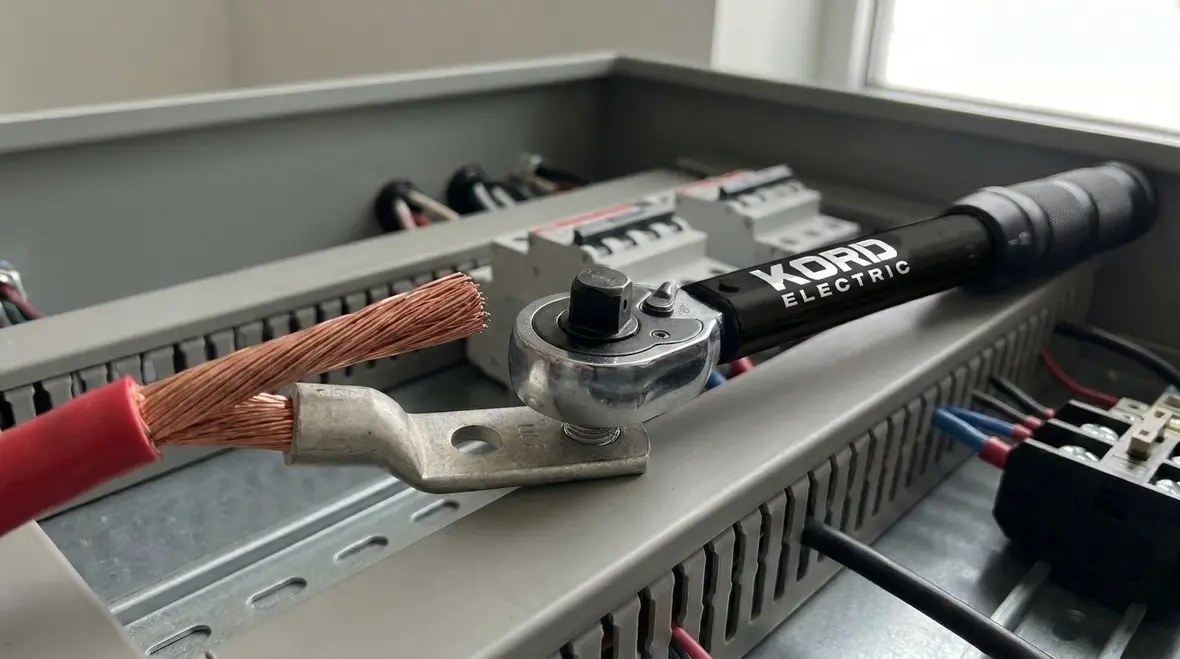
In propertie buildings, schedules and budgets push people toward speed. We understand that. Still, electrical connections do not reward rushing. When we review installation work, we typically look for patterns that show up across sites. We call them the “usual suspects,” but they are not funny to downtime managers.
Here are mistakes we often correct or prevent:
- Undersized termination lugs or incompatible hardware used to “make it fit”
- Stripped conductors left with damaged strands or exposed contamination
- Improper tightening practices, including using the wrong tool or skipping torque
- Loose mechanical seating that allows micro movement under load
- Connections disturbed during later work, like cable pulls or panel rework
When our expert service staff explain these issues, they keep it practical. We tell teams what the standard requires, and we connect it to what will happen on site if the work slips. That is how we keep commercial and industrial facilities from turning a small fix into an interruption that makes everyone stare at the outage map.
How we apply NEC electrical connection quality standards during commissioning
We handle commissioning with a clear goal. We want connections that stay secure, conduct electricity safely, and resist heat over time. Therefore, our process aligns the design intent with the final installation reality.
First, we plan the work with the electrical system in mind. Next, we build inspection steps into the job so issues surface early. Then, during commissioning, we confirm that terminations are installed correctly, the right parts get used, and the installation matches the project requirements. After that, we document what we did so facilities teams can maintain the system confidently later.
We also coordinate with other building trades because connection quality gets affected by the whole environment. Dust, vibration, moisture exposure, cable routing, and enclosure temperature all influence connection performance. So, we treat the electrical system as part of the building, not a stand alone island.
And in case anyone is wondering, yes, we still keep the walkthrough calm. We know the best way to reduce risk is to slow down before problems speed up. Pop culture taught us that slow motion only looks cool in movies. In electrical work, slow motion belongs in our checks, not in our failures.
Commissioning is also where NEC electrical connection quality standards link up with broader reliability themes like those in Kord Electric’s guides on electrical preventive maintenance scheduling and preventing commercial power surge damage, because a clean handoff sets the stage for long term performance.
Regulatory context and safety, from NEC goals to better performance
NFPA 70 connects safety with practical workmanship. It tells professionals to build connections that perform under normal conditions and do not degrade quickly. When teams follow NFPA 70 Section 110.14, they reduce the chance of overheating, arcing risk, and unwanted service disruptions. That is not just compliance. It is a maintenance strategy disguised as a code requirement.
Kord Electric focuses on commercial and industrial facilities and major property buildings. We do not market to small residential jobs because our methods and documentation aim at higher loads, higher uptime expectations, and deeper lifecycle thinking. For owners and facilities managers, that means a connection approach that supports predictable operation.
For broader context on the NEC and how teams interpret it across project years, we reference the guidance and explanations available through Kord Electric’s NEC educational materials, including dedicated resources such as Understanding NFPA 70, the National Electrical Code Explained for 2026. We also connect with Kord Fire resources at kordfire.com NFPA 70 coverage and site materials at kordfire.com.au. In addition, we review related industry learning materials such as those available at firepumps.org, because integrated safety thinking improves the way we handle electrical systems with life safety goals in mind.
FAQ for electrical connection quality and NFPA 70 Section 110.14
Call Kord Electric for connection quality that holds up under load
If you want electrical systems that stay reliable, we help you build and verify electrical connection quality with confidence. Kord Electric works with commercial and industrial facilities and major property buildings, and our technicians apply NFPA 70 connection rules with disciplined installation and commissioning checks. When you are planning new work, expansions, or service upgrades, contact us early so we can prevent connection issues before they turn into downtime. Let us walk your team through what “proper” looks like, and make sure your panels stay calm under real load.
For facility owners and managers across Southern California, our dedicated Los Angeles County electrical services support commercial and industrial sites that cannot afford guesswork in their terminations, protection, and emergency planning.
If you are coordinating broader electrical reliability strategies, you can also connect NEC electrical connection quality standards with topics like emergency power, power quality, and redundancy using Kord Electric’s resources on emergency power for business continuity, data center power quality, and data center power redundancy. Together, these approaches help your building treat electrical work as a disciplined, long term investment instead of a series of rushed fixes.


