
NEC 110.1 General Requirements Scope for Electrical Safety
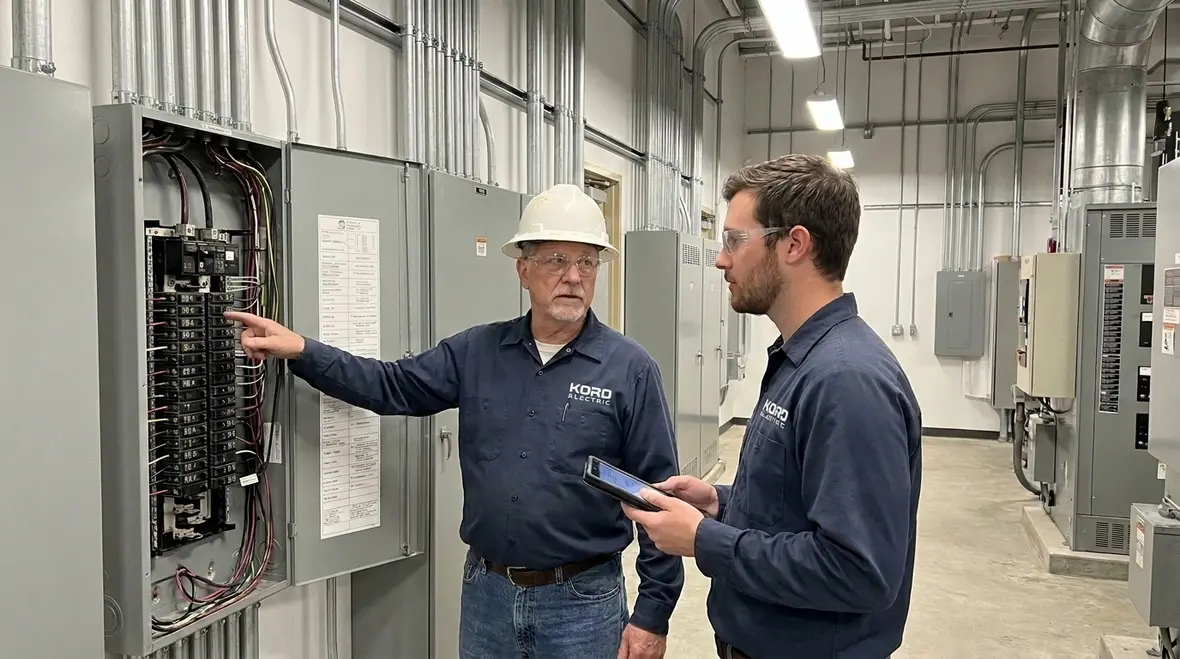
At Kord Electric, we help commercial and industrial facilities and major property buildings stay on top of electrical rules before they become problems. In the NFPA 70 Section 110.1 — NEC General Requirements scope, the code sets baseline expectations for safe installation and safe operation, and it applies broadly across the National Electrical Code. To keep our work grounded, our technicians and expert service staff explain what this scope really means on the jobsite, not just in the text. Moreover, they translate requirements into practical actions like inspections, documentation, and field-ready standards.
Now, let’s walk through NEC 110.1 with calm focus. We do this carefully, because electrical safety should never feel like a pop quiz. And yes, if you have ever seen a breaker label that looks like it was written during a storm, you already know why clarity matters.
NEC 110.1 sets the safety baseline for how systems behave
Why NEC 110.1 matters for real facilities, not just code books
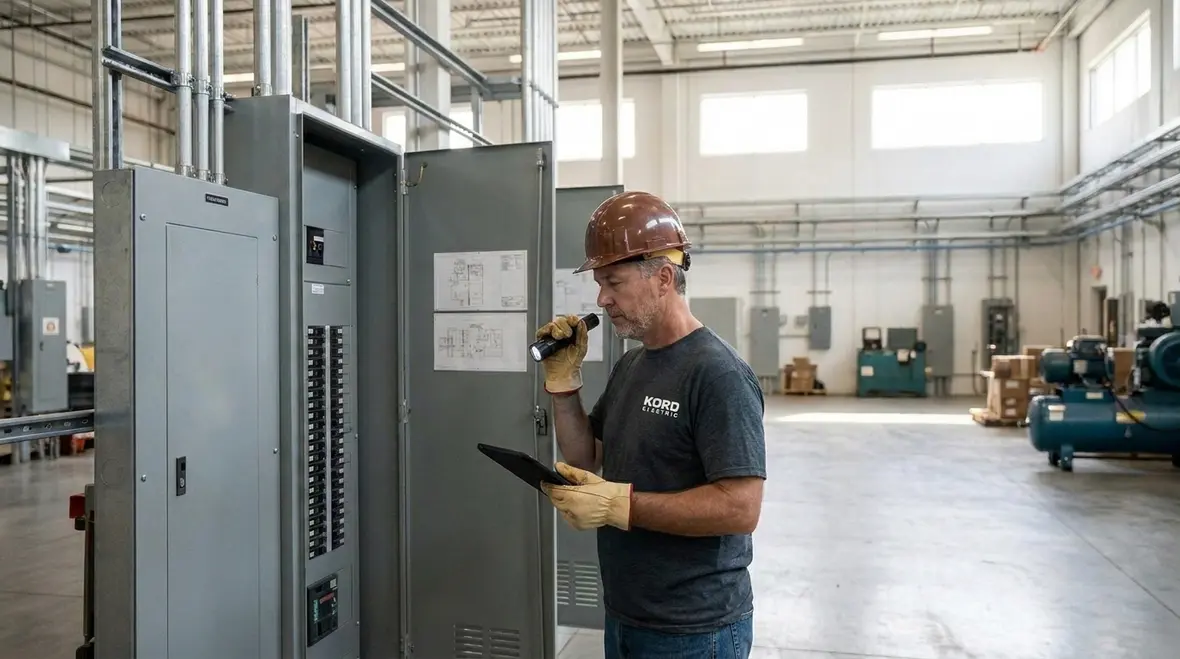
NEC 110.1 establishes the general requirements that guide the rest of the NEC. In other words, it tells us how the code expects electrical systems to be installed, used, and maintained so they stay safe under real operating conditions. Instead of treating safety like a “nice to have,” the scope sets a starting point that applies across many equipment types and wiring methods.
For commercial and industrial work, that baseline matters because your electrical system faces constant load changes, ongoing operations, and maintenance cycles. Consequently, the requirements in NEC 110.1 shape how you address hazards like improper terminations, damaged insulation, and unsafe working clearances.
When our technicians walk the site, they do not simply hunt for the easiest checkmark. They connect the general requirements scope to the details that staff actually touch every day: enclosures, disconnects, circuits, and labeling. And yes, we have met enough buildings where “temporary” wiring stayed around longer than a sitcom character. We help fix that.
What the general requirements scope includes and why it matters
The NEC 110.1 general requirements scope does not operate alone. It interacts with how the code expects equipment to be suitable, protected, and installed with proper workmanship. Therefore, the scope influences field decisions such as:
- How electrical equipment supports safe installation practices and ongoing operation
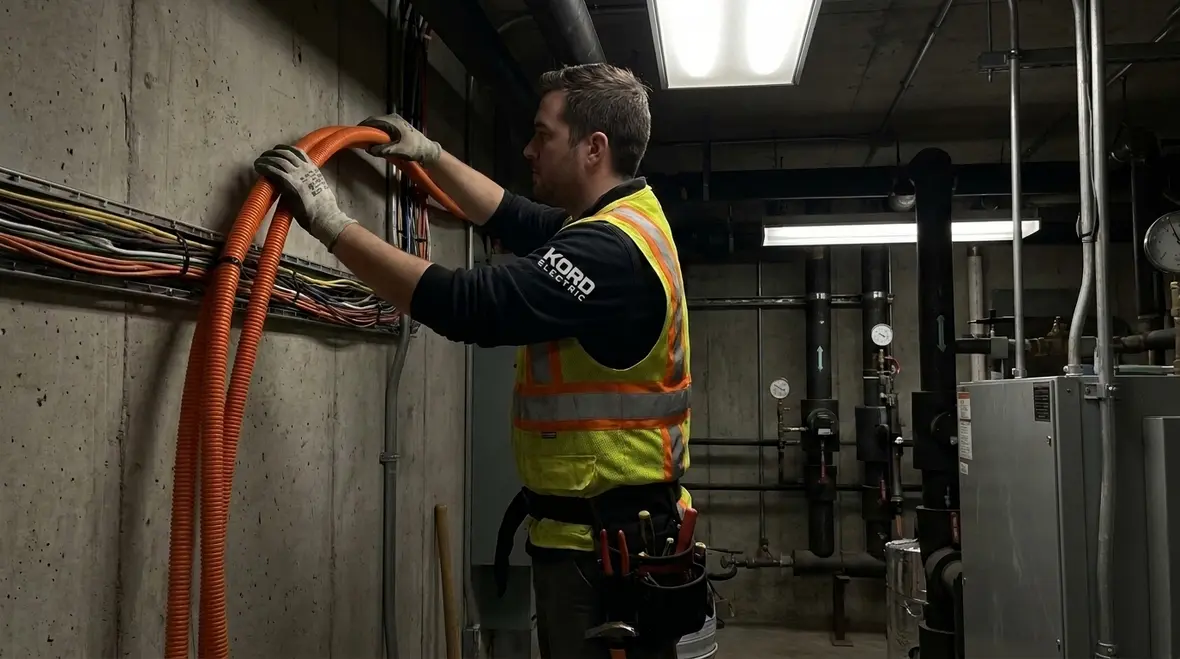
- How we handle protection of conductors and equipment from physical damage
- How we manage working space around electrical equipment
- How we address safe system condition to reduce risk of shock, fire, and failure
Also, the general requirements scope encourages a mindset: if a condition could lead to unsafe performance, it deserves attention early. This approach reduces downtime, avoids emergency fixes, and keeps inspections smoother.
At Kord Electric, our expert service staff explains these points in plain language during walkdowns and pre-project reviews. So the building team does not just get a report. They get clarity on what we will do, what it prevents, and what it means for compliance expectations.
How NEC 110.1 guides installation workmanship and termination practices
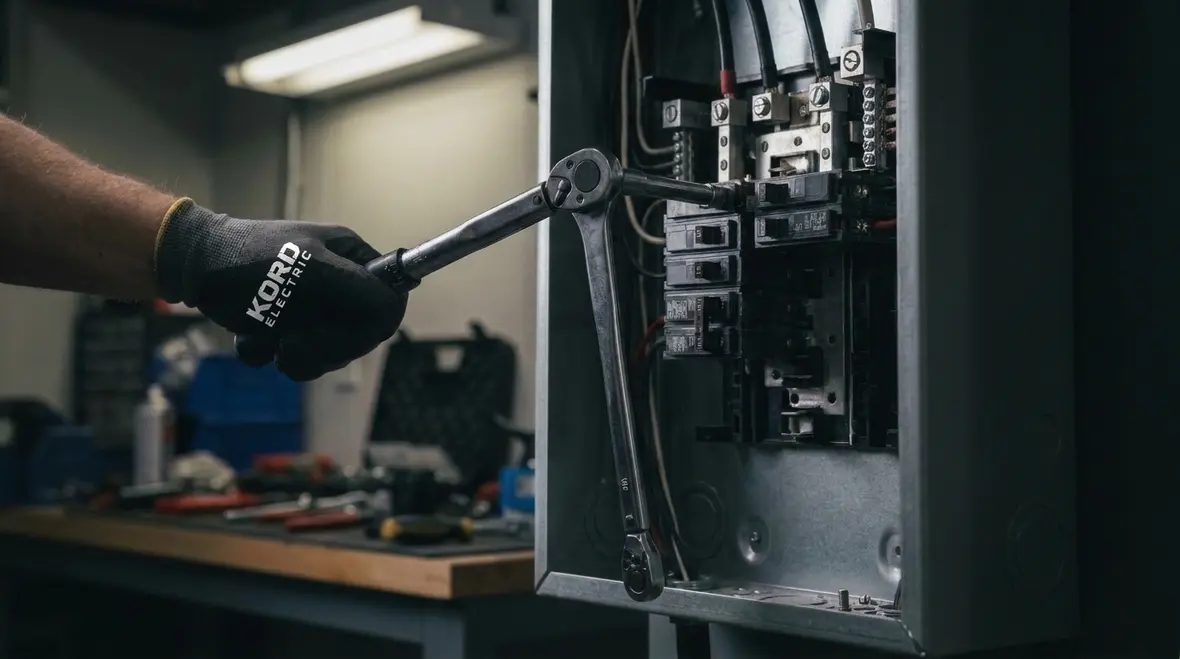
Even when a facility installs the right equipment, workmanship can still fail safety goals. That is where NEC 110.1 general requirements scope becomes practical. It supports the idea that installation must meet recognized safety outcomes, not just meet minimum appearance standards.
In the field, we often see problems that trace back to workmanship issues, such as:
- Loose or poorly torqued terminations that create heat points
- Improper conductor preparation that affects connection integrity
- Damaged insulation at the cabinet edge or during pulling
- Unmanaged strain relief that stresses wiring over time
Then there is the human factor. People rush. Crews change mid project. Equipment gets replaced during a shutdown window that feels shorter than it should. Yet, NEC expectations do not pause for schedule pressure.
So our process focuses on control. We verify termination practices, check for physical strain, and confirm that equipment and enclosures stay in safe condition. Meanwhile, our technicians explain the “why” behind each step so the team can maintain the standard later, not just during install day.
Working space, access, and safety around electrical equipment
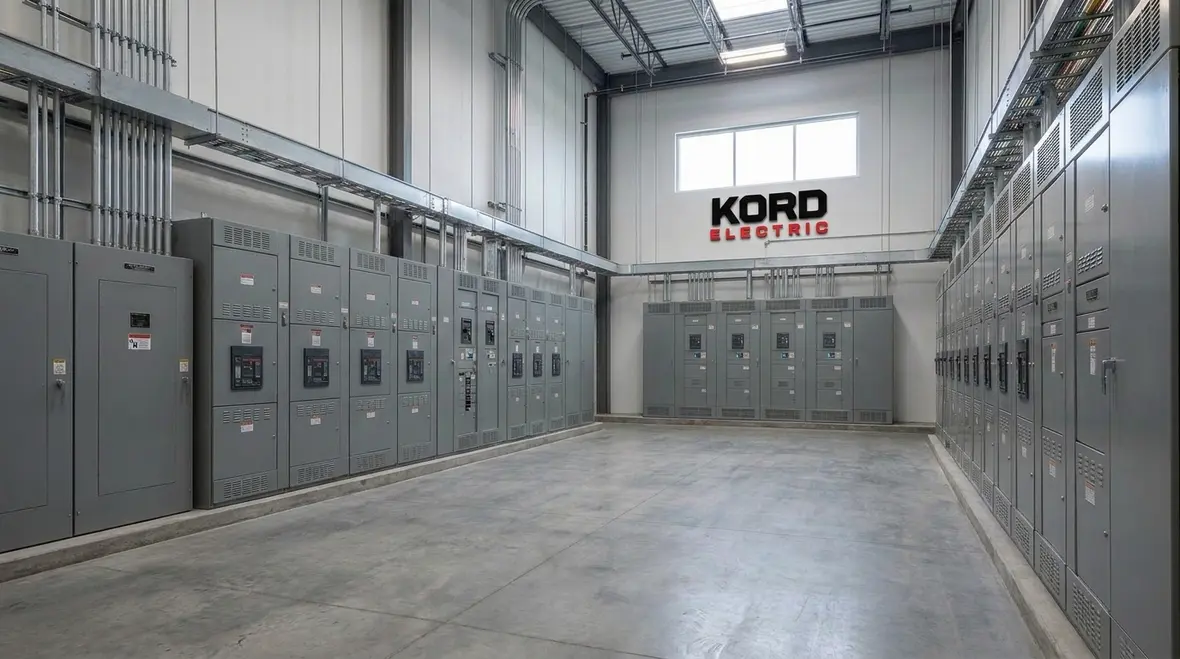
One of the most overlooked parts of code safety is access. NEC general requirements emphasize that workers need space to work safely. When the access plan falls apart, even well designed systems can create hazards during maintenance, troubleshooting, or fault recovery.
In major property buildings, access conflicts show up in multiple ways. For instance, storage racks creep into clearance zones. Maintenance people lean tools against energized gear because “it will be fine.” Even cable trays can shift during renovations, subtly reducing safe space.
Therefore, we treat working space as a design and maintenance topic, not an afterthought. Our team checks the practical layout, not just the drawing. We look for clear paths, proper enclosure access, and reliable ability to operate and service equipment without improvising a solution.
And because we serve commercial and industrial facilities, we also plan for real schedules and real downtime constraints. We help the site protect people and keep operations running. The goal is simple: safe access now, and safe access later.
Equipment suitability, protection, and system condition under real use
Electrical equipment does not live in a lab. It lives in basements with humidity, in mechanical rooms with vibration, and in process areas with changing temperatures. NEC 110.1 supports a baseline expectation that equipment and wiring systems remain suitable and safe in their conditions of use.
That means we pay attention to protection from physical harm and to how the system stays in safe operating condition over time. Consequently, our technicians and service staff look at:
- Whether enclosures remain intact and doors close properly
- Whether wiring pathways remain protected during ongoing work
- Whether labeling and identification support safe operation
- Whether maintenance actions keep the system safe after changes
We also coordinate our approach with how the facility operates. For major property buildings, electrical safety ties into life safety and continuity of service. For industrial sites, it ties into production stability. In both cases, the best time to fix a risk is before it forces a shutdown.
To keep your safety plan aligned with best practice resources, we also reference the broader NEC learning and safety discussions that our partners cover through Kord Electric and related fire and code education platforms such as KordFire and the wider KordFire community. For additional fire and pump system context in many facility environments, teams often also review firepumps.org. We use these resources to support understanding, and then we apply the requirements directly to your site plan.
Staying prepared during plan review, inspections, and upgrades
Many facilities treat code compliance as a “moment in time.” However, we know that for commercial and industrial buildings, compliance must keep pace with upgrades, tenant changes, and equipment replacement. NEC 110.1 general requirements scope sets expectations that stay relevant as conditions evolve.
When we support plan review and field execution, we build readiness into the work. That includes:
- Clarifying scope early so the design and installation match the safety baseline
- Documenting key installation decisions so inspections feel less like guesswork
- Coordinating with building teams to manage access and working space
- Reviewing changes to ensure safe condition remains intact after modifications
And yes, inspections can feel like they happen at the speed of a sitcom montage, but we help you avoid surprises. Our technicians explain what inspectors typically look for, and our expert service staff helps the facility team understand how to maintain the system so it does not drift out of safe condition.
If you want a practical starting point for your own learning, the Kord Electric blog post on understanding NFPA 70 for 2026 provides helpful context on how the NEC connects into real safety outcomes. We then translate that knowledge into installation and service actions that fit your specific building type.
How NEC 110.1 general requirements scope supports ongoing service
For many facilities, NEC 110.1 becomes most visible when something changes: a new tenant, a panel upgrade, or a renovation that rearranges equipment and access. Our team treats those changes as chances to verify that the NEC 110 general requirements scope usage still matches reality, not just old drawings.
During service visits and upgrade projects, we connect Section 110.1 with other NEC sections that govern wiring methods, overcurrent protection, equipment ratings, and emergency systems. That way, the general requirements stay in sync with the specific rules that apply to your switchgear, feeders, branch circuits, and life safety equipment.
Because we work across commercial and industrial sites, we also see where facilities accidentally drift away from the baseline. Common examples include unlabeled panel changes, added loads without updated calculations, and “just for now” temporary feeds that never leave. When we catch those early, we can realign the installation with the NEC 110.1 safety expectations before they show up as violations or outages.
In practice, that means we document what we find, explain how it ties back to the general requirements scope, and lay out clear next steps. Your team gets more than a punch list; you get a roadmap that keeps future work grounded in the same safety baseline.
Quick FAQ on NEC 110.1 general requirements scope
Connect NEC 110.1 with the right electrical services
Bringing NEC 110.1 to life on a real project often means coordinating design, installation, and long term maintenance with a team that understands commercial and industrial priorities. For facility leaders in Southern California who need support beyond a single project, our Los Angeles County electrical services overview shows how Kord Electric helps with permit planning, upgrades, preventative maintenance, and inspection support for complex sites.
By pairing those services with NEC 110 general requirements scope usage, we help buildings stay ready for the next inspection, the next tenant improvement, and the next load increase. That combination of code clarity and practical field work is what keeps electrical systems safe, stable, and easier to manage over the long term.
Conclusion: bring clarity to NEC 110.1 on your next project
If your facility serves people, processes, or assets that cannot afford surprises, you need electrical safety that holds up under real use. Our team at Kord Electric supports commercial and industrial facilities and major property buildings by translating the NEC 110.1 general requirements scope into field-ready actions, clear documentation, and service practices your team can maintain. Contact us for an assessment, plan review support, or an upgrade readiness check. And relax. We handle the code talk so you can get back to running the building.


