
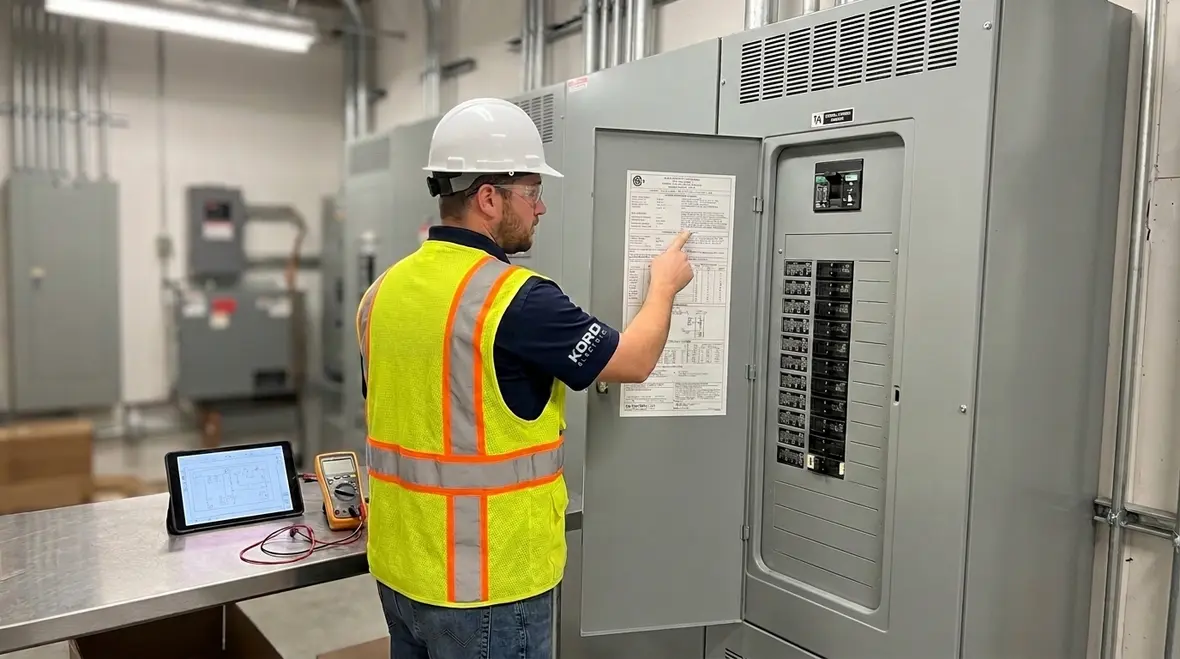
NFPA 70 Section 110.3 NEC Product Certification Compliance
Kord Electric helps commercial and industrial facilities stay confident that their electrical gear meets the rules before it ever lands on a jobsite. In the first hundred and change words, we say it straight: NFPA 70 Section 110.3 sets listing and product certification expectations, meaning equipment must be listed and labeled for its use, and it must match the conditions where people will rely on it. And yes, that matters to everyone on site, from the facility manager to the electrician who just wants the job to run smoothly.
So while others may treat code compliance like a “nice to have,” we treat it like a life line. Our technicians and expert service staff explain the intent in plain language, then we back it up with hands on support for major property buildings.
What Section 110.3 actually requires for product listing
In practice, NFPA 70 Section 110.3 focuses on whether electrical equipment gets tested, evaluated, and marked so the industry can trust it. First, we look for listing and labeling. Next, we confirm that the equipment is used in the manner the certification covers. Then we make sure any installation follows the listed requirements and the NEC rules that apply.
To put it simply, the code does not want “kinda works” gear. It wants product certification that lines up with real conditions and real hazards. And yes, this is the part where a breaker panel and a magician have something in common: you do not want them to pull surprises out of thin air.
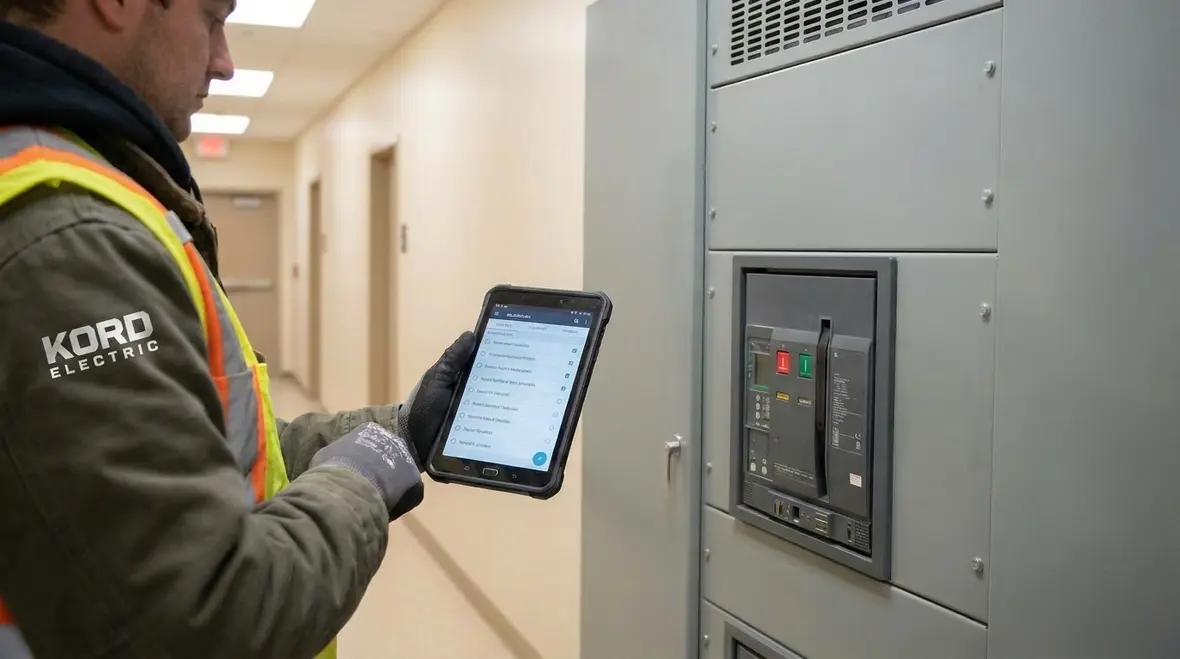
For facility teams that want a deeper foundation on the broader NEC, you can pair these Section 110.3 requirements with resources like Kord Electric’s guide Understanding NFPA 70: The National Electrical Code Explained for 2026, which connects code language to everyday planning choices across commercial and industrial work.
How labeling and certification reduce risk in commercial buildings
Commercial and industrial environments demand repeatable safety. Therefore, listing and product certification rules help prevent mismatches, substitutions, and unapproved uses. When a device carries the right marks, the listing process provides evidence that it meets specific performance and safety expectations.
Additionally, our expert service staff often sees the same pattern during maintenance or upgrades. Someone replaces a part because it fits, but it does not fit the safety case. However, when NFPA 70 listing and product certification requirements get respected, that “it fits” mindset gets replaced by “it belongs” decisions.
We also help clients connect the dots between electrical labeling and field reality. For example, a labeled component might be fine for dry locations, yet a similar looking alternative might not. As a result, the building gets fewer unpleasant surprises and fewer shutdowns that cost more than the original equipment ever did.

On large projects, these labeling and certification checks also align with broader electrical planning. Articles such as Kord Electric’s building electrical system design guides show how NEC product certification listing requirements sit alongside feeder sizing, fault calculations, and coordination studies so a facility gets one coherent, code-aligned design instead of a patchwork of “good enough” decisions.
Why NEC compliance starts before a single wire gets pulled
Many teams wait until a contractor is on site to ask code questions. Yet, we recommend earlier planning because the listing and product certification path shapes everything downstream. When a facility specifies electrical equipment correctly, it reduces rework during rough in and lowers the chance of delays during inspections.
Moreover, the code intent supports consistent outcomes. If the facility uses products that match the listing conditions and installation requirements, then the design and the field work stay aligned. Meanwhile, our technicians can review documentation, verify that the equipment options make sense, and help coordinate submittals that match the NEC expectations.
Think of it like buying the right tool before starting a job. Sure, you can force a wrench to do a job meant for a socket. But then you also get the noise, the slip, and the moment where everyone pretends they did not see it.
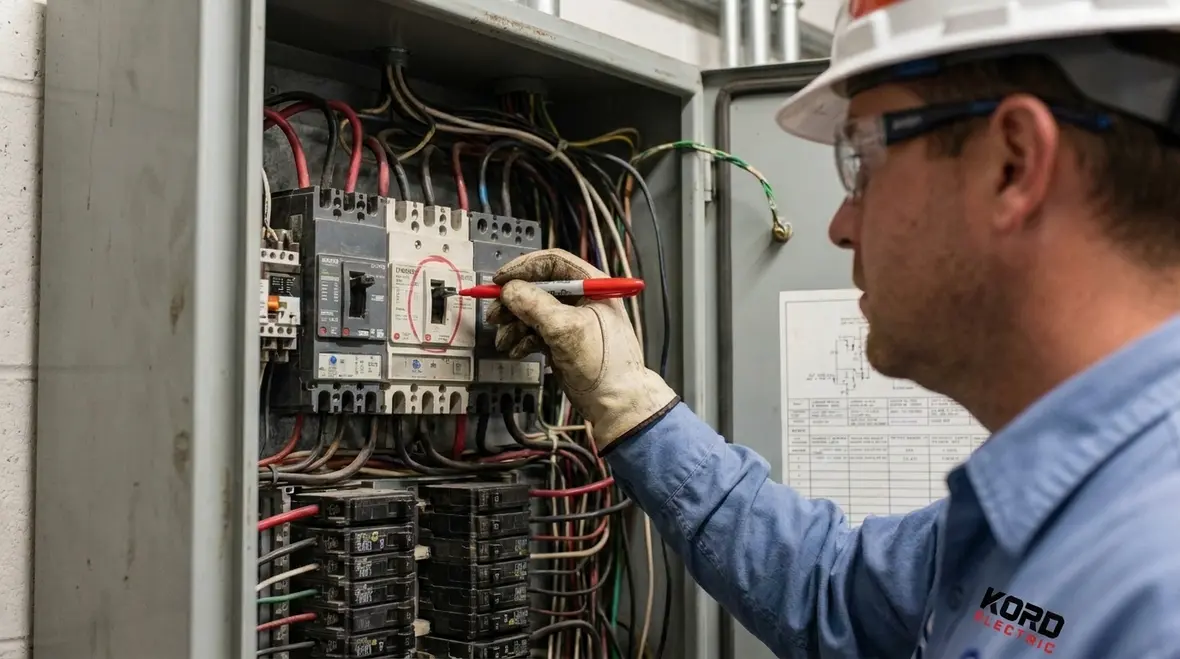
Early NEC planning also pairs well with broader code literacy. Resources such as Kord Electric’s practical guide on how to read NFPA 70 help facility teams understand how Section 110.3 fits into the larger structure of the code, from wiring methods and overcurrent protection to labeling and documentation for inspections.
Common mistakes we see on major property buildings
Our service experience in major property buildings shows that the problem is rarely “people don’t care.” Instead, the issues typically fall into a few predictable traps. First, teams substitute components without checking whether the substitution still matches the listing for that application. Second, they ignore installation limits, such as environmental conditions, conductor types, or mounting requirements tied to the listed equipment. Third, they fail to keep product data available during inspection and maintenance.
Next, some contractors install equipment without fully verifying that it aligns with the design intent. Therefore, even if the equipment looks correct, it may not be correct for the specific electrical system. And when inspection time comes, documentation matters as much as the physical installation.
At Kord Electric, we do not just point out the mistakes. We also help fix the process. Our technicians explain what the listing label means, how it connects to the NEC product certification expectations, and what facility teams should confirm before they lock in purchases.
Before install
- Check the label and listing details for the exact equipment
- Confirm the listed use matches the location and duty
- Review submittals for NEC product certification requirements
- Verify compatibility with the system design
During install and commissioning
- Follow the installation instructions tied to the listing
- Document any changes from the original design
- Confirm wiring and terminations meet the listing limits
- Coordinate with inspection needs early
Because these mistakes often show up during renovations and change orders, many facilities pair NEC product certification listing requirements with dedicated consulting support. Kord Electric’s electrical code upgrade consulting practices help teams align new gear, retrofit work, and existing infrastructure so that substitutions and updates still respect the original listing and code intent.
Field inspections and documentation that make projects smoother
Inspections succeed when everyone can show clear connections between design intent, installation practice, and product certification. That means labeling and documentation do not sit in a drawer. Instead, our team helps clients keep those materials reachable, organized, and aligned with the actual equipment installed.
When facility teams plan upgrades, we encourage them to treat listing and product certification requirements as part of project management, not just code compliance. For example, if a building replaces gear during a shutdown window, documentation helps avoid “wait while we verify” delays. Then the work stays focused on safe operation and reliable performance.
Also, our technicians explain the “why” behind the paperwork. We connect labels to hazards, and we connect hazards to field checks. As a result, teams understand what they are verifying and why it protects people and assets in commercial and industrial facilities.
On complex commercial projects, these documentation habits often extend into broader planning tools. Facilities that follow Kord Electric’s guides on how to read NFPA 70 and how to plan building electrical system design learn to tie drawings, equipment submittals, and NEC product certification listing requirements together so inspectors can see one clear story from specification to final test.
Working with Kord Electric for NEC-ready electrical systems
Kord Electric supports commercial and industrial facilities and major property buildings, so our process stays tailored to those projects. We coordinate practical reviews, and we guide teams through equipment selection and installation expectations related to NFPA 70 Section 110.3.
Furthermore, we help clients plan for inspections and future maintenance. Since electrical systems do not stop existing after commissioning, product certification meaning and labeling checks remain important during replacements, repairs, and component swaps.
In other words, we do not just install. We educate. Then we support. And occasionally, we also get to be the adults in the room when someone says, “We can just use whatever looks similar.” That is when our technicians smile calmly, because we have already explained why “similar” is not the same as “listed for the use.”
For facilities that want ongoing support beyond a single project, Kord Electric’s dedicated Los Angeles County electrical services overview shows how NEC-ready design, installation, and maintenance plans come together across portfolios of commercial and industrial properties.
FAQ for NFPA 70 Section 110.3 and NEC product certification
Conclusion and next step with Kord Electric
When a facility follows NFPA 70 Section 110.3 correctly, it reduces risk and avoids costly delays. Kord Electric supports commercial and industrial facilities and major property buildings with practical guidance and expert service staff who explain listing and NEC product certification expectations in clear terms. If you plan a new installation, a panel upgrade, or a major replacement, let us help you verify equipment labels, align the install with the listed requirements, and keep inspections moving. Reach out to Kord Electric today for a focused compliance review.
By combining NEC product certification listing requirements with thoughtful design reviews, documentation support, and field-ready installation practices, your facility can turn code language into quieter inspections, fewer outages, and electrical systems that behave the way they are supposed to on the days that matter most.
If your team wants to keep building its NEC knowledge, pairing this article with Kord Electric resources such as Understanding NFPA 70: The National Electrical Code Explained for 2026 and How to Read NFPA 70 National Electrical Code can help everyone from project managers to maintenance techs see how Section 110.3 fits into the broader compliance picture across the life of a commercial or industrial building.


