
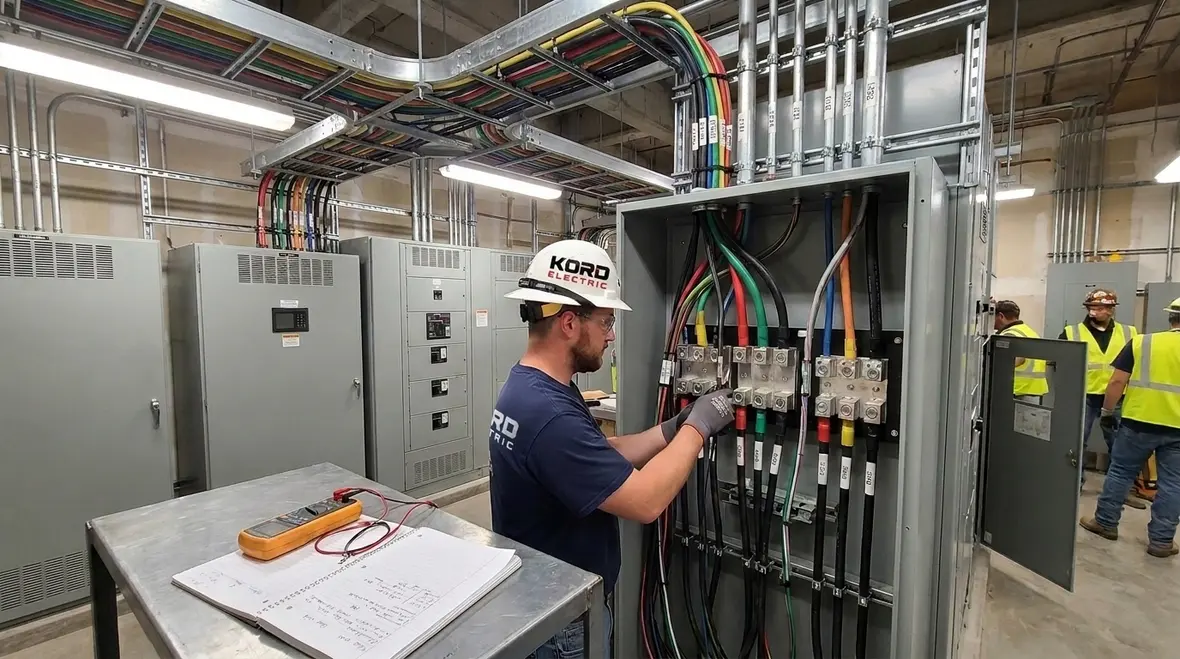
NEC 110.5 Conductor General Requirements Guide for Commercial
NEC 110.5 conductor general requirements guide, explained for commercial sites
When commercial and industrial facilities plan electrical upgrades, the details matter. Early on, our team points to NFPA 70 Section 110.5, the Conductor General Requirements Guide, because it sets the baseline for how conductors must be installed, protected, and handled. In simple terms, NEC 110.5 conductor requirements help others avoid loose ends, overheating surprises, and inspections that feel like they came from left field. We help owners and facility managers understand what the code asks for, not just what it says. And yes, we have a running joke that conductors do not “run hot” out of personality, they run hot because someone ignored the basics.
In this article, third person writers can still feel the calm confidence of expert service: Kord Electric focuses on commercial and industrial facilities, major property buildings, and the real-world conditions that affect conductor installation. Then, our expert technicians walk through the practical meaning of the rules, while we keep the tone steady and the next steps clear.
Why NFPA 70 Section 110.5 matters for commercial power quality
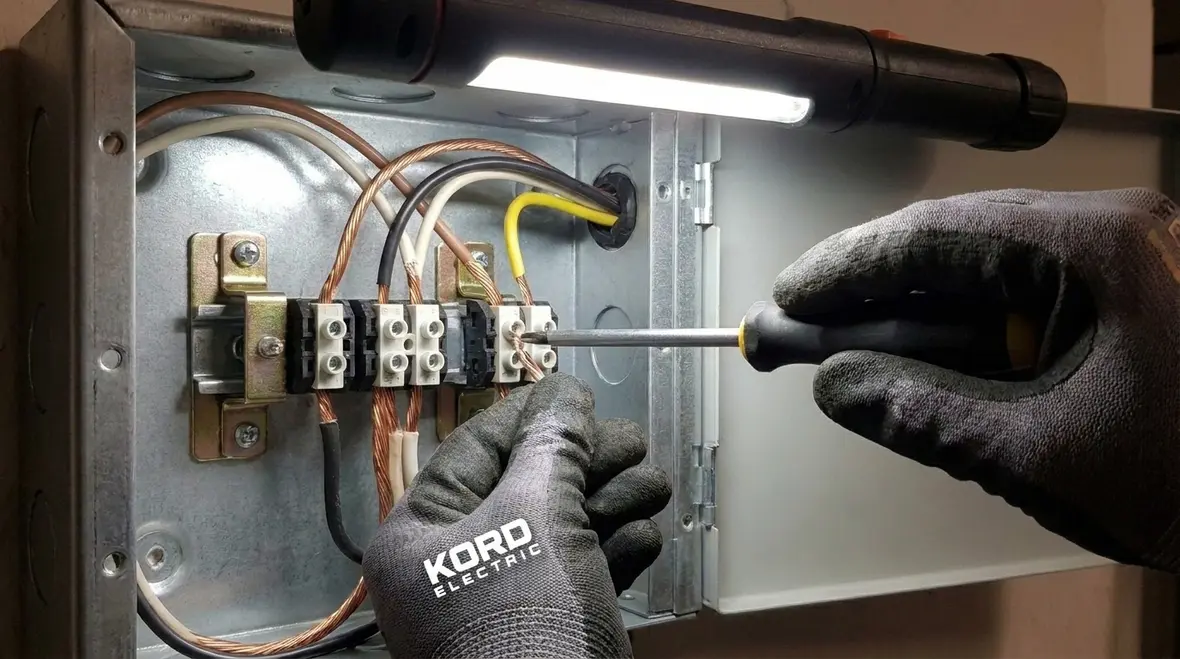
Commercial and industrial systems carry steady loads, frequent equipment changes, and strict schedules. Therefore, the conductor install details in NFPA 70 Section 110.5 become a key driver for long term performance. When conductors meet the general requirements, they stay within safe temperature limits, maintain correct termination practices, and reduce the risk of nuisance faults.
At the same time, the code expects more than “it works today.” It expects consistent behavior through seasonal changes, vibration, future expansion, and upgrades driven by operations. In fact, many inspection findings show up not because a contractor tried to break rules, but because small gaps add up over time. Our service staff, including technicians who actually pull wire in the field, explains these small gaps in plain language, because that is how you prevent repeat fixes.
So, the value of the conductor general requirements is not abstract. It directly supports safer operation, stable connections, and fewer disruptions when property teams need power to stay reliable. For deeper background on how the overall code framework works, many facility leaders also explore our resource on Understanding NFPA 70, the National Electrical Code Explained for 2026, then come back to Section 110.5 when they are ready to focus on conductors.
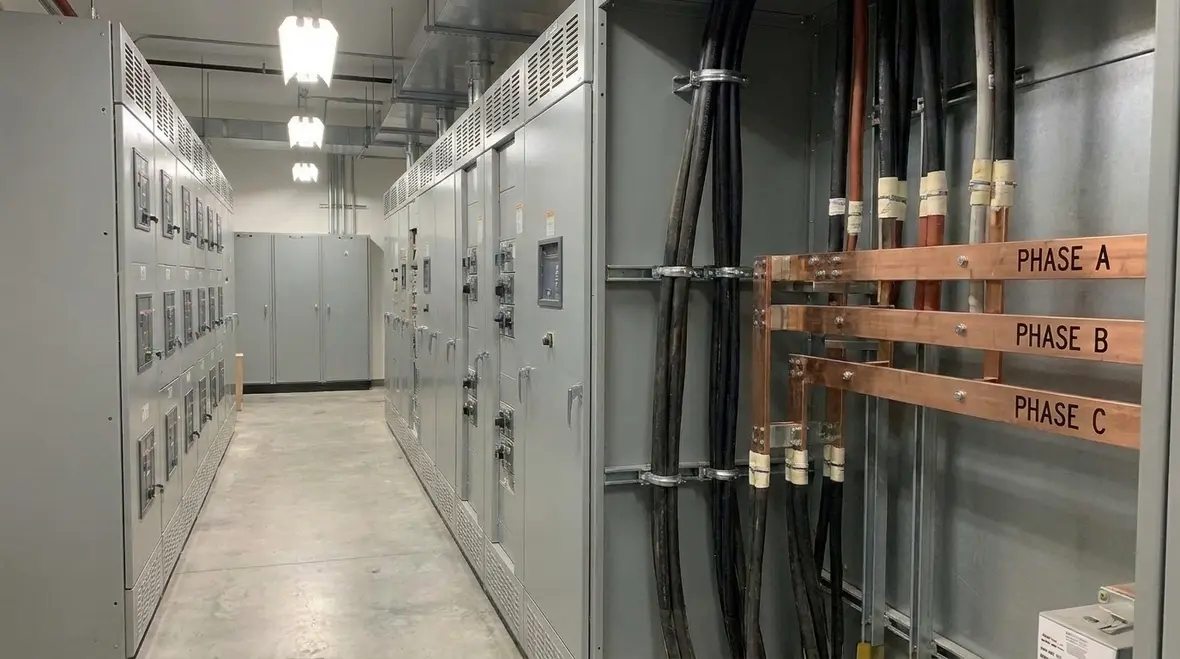
Conductor installation discipline: termination, support, and protection
Next, NEC 110.5 conductor requirements explained in the field usually come down to three themes: termination quality, proper support, and protection from damage. First, conductors must connect using listed equipment and correct methods. Second, conductors need support so mechanical stress does not loosen connections. Third, conductors must avoid physical harm that can nick insulation or cause later failure.
Our technicians handle these tasks with a mindset that feels boring in the best way. Boring means repeatable. Repeatable means predictable. And predictable means safer inspections. When we explain the NEC expectations to facility teams, we point out that “good enough” is not the standard for power distribution in commercial settings.
Also, the code context matters. Section 110.5 connects to installation rules across the NEC. Therefore, if the building plan includes conduit routing, above ceiling pathways, tray systems, or motor feeder upgrades, the conductor general requirements guide acts like the common thread that ties it all together.
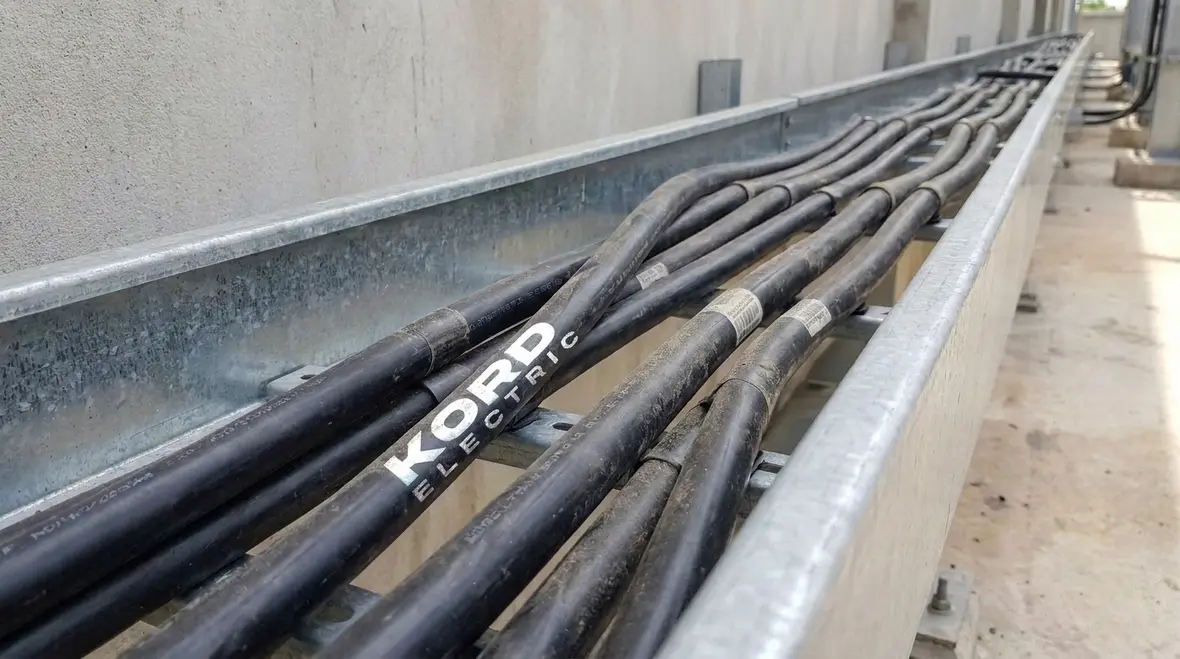
Why disciplined workmanship matters in real buildings
In commercial and industrial properties, conductors live in tight spaces: above ceiling grids, in congested mechanical rooms, and inside panels that support critical loads. Disciplined installation lowers the chance that later trades, equipment moves, or simple vibration will turn one small mistake into a disruptive outage. Our teams treat termination torque, support hardware, and physical protection as non-negotiable instead of “nice-to-have.”
Temperature and ampacity basics that avoid hot spots
Now let’s talk about something that sounds simple and behaves like a troublemaker. Heat. Conductors operate within temperature limits set by their insulation, installation method, and loading. In practice, a site can create hotter conditions through routing choices, bundling, poor ventilation, or equipment placement.
In commercial and industrial buildings, you often see multiple cable systems in the same space. Then, the conductor installation method and support spacing influence airflow and heat dissipation. Consequently, the installation discipline demanded by NFPA 70 Section 110.5 supports safer long term operation.
Our expert service team also explains the “why” behind the rules. For example, if someone shortcuts support spacing or allows excessive bending, termination stress can increase, and resistance can rise. That leads to heat at the worst possible place: the connection. And connections fail with the drama of a sitcom finale, but without the laughs.
When Kord Electric supports a project, we work with the electrical design intent and the site layout so the conductor behaves like it was meant to, not like it got lost on the way to the panel. We also help facility teams connect these temperature and ampacity basics back to broader planning topics like building electrical system design and planning power for commercial facilities, so each circuit, conductor, and termination fits a bigger strategy instead of standing alone.
How NEC 110.5 conductor requirements explained prevent hot spots
By treating installation, ampacity, and environment as a package, NEC 110.5 pushes teams to think beyond “wire gauge on a chart.” It assumes conductors will share raceways, pass near heat sources, and support dynamic loads. When we translate those expectations for owners and engineers, the result is simple: fewer surprise hot spots, fewer nuisance trips, and inspections that concentrate on confirmation instead of correction.
Clear pathways for inspection: labeling, routing, and workmanship
After heat and physical integrity, workmanship and clarity drive the next level of compliance. Section 110.5 expectations align with the broader NEC philosophy: installers must follow the code and install equipment and conductors in a neat, readable, and safe manner. For commercial facilities, this helps operations teams during maintenance and helps inspectors during verification.
Therefore, routing conductors with proper separation, avoiding sharp edges, and keeping labeling practices consistent reduces the time spent troubleshooting. It also reduces the risk of misidentification during future modifications.
Our technicians spend time with facility staff so everyone understands what they will see in the field. We explain, step by step, why routing choices matter and how they connect to safety. In many projects, we find that facility teams want one thing: fewer surprises. When the wiring is laid out cleanly, it becomes easier to locate, verify, and service.
Then, the calming part kicks in. When a team knows what standards apply, they can make decisions with confidence. That is where proper conductor general requirements guide work pays off.
Making inspections smoother with predictable layouts
Inspections on commercial projects often follow tight schedules. Clear labeling at panels, logical routing in ceiling spaces, and consistent color coding all shorten inspection time and reduce questions. When conductors follow NEC 110.5 expectations and the installation tells a clear story, inspectors can trace circuits, verify protection, and sign off without detours.
How to align 110.5 practices with project planning and coordination
Commercial and industrial electrical work rarely happens in a straight line. There are schedules, trade coordination, equipment lead times, and operational constraints. Consequently, the conductor installation plan must integrate with site reality. Kord Electric supports major property buildings with coordination that respects both safety and timelines.
First, our approach starts during planning. We review drawings and the intended installation conditions, including cable trays, conduit runs, and equipment access. Next, we coordinate with other trades to protect conductor pathways during construction. Then, before energization, our technicians verify termination practices and physical protection measures.
To keep this clear, we use a simple two column field check once per project milestone. It helps teams see what matters before problems show up at the worst time, like an unexpected power down during a peak production shift.
| Conductor focus area | What our technicians verify |
| Termination quality | Correct method, proper connection, and stable contact points |
| Support and mechanical stress | Spacing, routing discipline, and stress relief at bends and entries |
| Physical protection | Protection from damage and prevention of insulation wear |
| Temperature conditions | Installation method awareness and load considerations |
Meanwhile, teams can still laugh a little. Even the best plan can run into “surprise” changes. However, good conductor general requirements guide discipline reduces how bad those surprises become.
Bringing NEC 110.5 into scheduling conversations
One of the easiest ways to keep projects on track is to treat conductor requirements as a normal part of scheduling conversations. When someone wants to accelerate a phase or rearrange trade access, we quickly review how that affects terminations, support, or protection. That way the schedule respects the code instead of quietly pushing work toward shortcuts.
Common failures we see, and how expert service prevents them
Across commercial sites, certain failure patterns show up again and again. We mention them because prevention requires honesty. One common issue involves conductor damage during installation. Another involves support gaps that allow movement and vibration to stress terminations. A third involves connection problems that raise resistance and create heat at interfaces.
Also, some failures trace back to rushed coordination between trades. A cable tray might get crowded. A conduit pathway might get altered. Then someone compensates in the field without fully considering the impact on installation integrity. That is where NEC 110.5 conductor requirements explained helps, because it gives teams a stable reference point during change orders.
Our expert service staff explains these risks in plain terms. They do not talk like a textbook. Instead, they connect the rules to the site reality. They show owners and facility managers what “proper” looks like and what “almost” usually turns into later. In other words, we make compliance practical.
If you want a pop culture metaphor, imagine the electrical system as a superhero team. When one member is weak, the whole team suffers. When conductors and terminations meet the code’s general requirements, the system performs like the heroes they were cast to be.
From troubleshooting to long-term reliability
When failures do happen, our technicians approach them as a chance to strengthen the whole system, not just patch one point. We trace issues back to the original installation, compare conditions against NEC 110.5 expectations, and recommend changes that prevent repeat events. Over time, this turns emergency calls into planned upgrades and keeps operations calmer.
FAQ: NEC 110.5 conductor general requirements, answered simply
Final call to action from Kord Electric
Kord Electric helps commercial and industrial facilities apply the NEC with confidence, including the conductor general requirements guide built into NFPA 70 Section 110.5. Our technicians and expert service staff review project plans, coordinate installation details, and verify workmanship so systems perform safely and pass inspection without drama. If your building team plans an upgrade, a tenant improvement, or a major property electrical change, call us now. We will help you keep conductors installed the right way, the first time.
For multi-site portfolios and high demand facilities across Southern California, our dedicated Los Angeles County electrical services bring together NEC-focused planning, skilled field crews, and responsive troubleshooting, so your conductors, panels, and distribution systems stay aligned with both code expectations and day-to-day operational needs.


