

NFPA 70 Section 110.7 NEC Wiring Integrity Workmanship Standards
NFPA 70 Section 110.7 and the NEC wiring integrity workmanship standards we back in the field
At Kord Electric, we treat NEC wiring integrity workmanship standards as more than a slogan. In our commercial and industrial installations, we plan, inspect, and document every step so the electrical work stands up over time. We align our process with NFPA 70 Section 110.7 — Wiring Integrity and Workmanship, which expects safe, solid installation and careful execution. And when our teams walk through a facility, others can feel the difference because the workmanship is consistent, not improvised.
Now, here is the calm truth. Electrical systems fail for boring reasons, not dramatic ones. Poor terminations, sloppy support, and missing checks can quietly turn into expensive problems. Therefore, we built our internal standards so our technicians and expert service staff explain the “why” as they work, and we make sure the “how” matches the code reality.
What Section 110.7 requires for wiring integrity on real projects
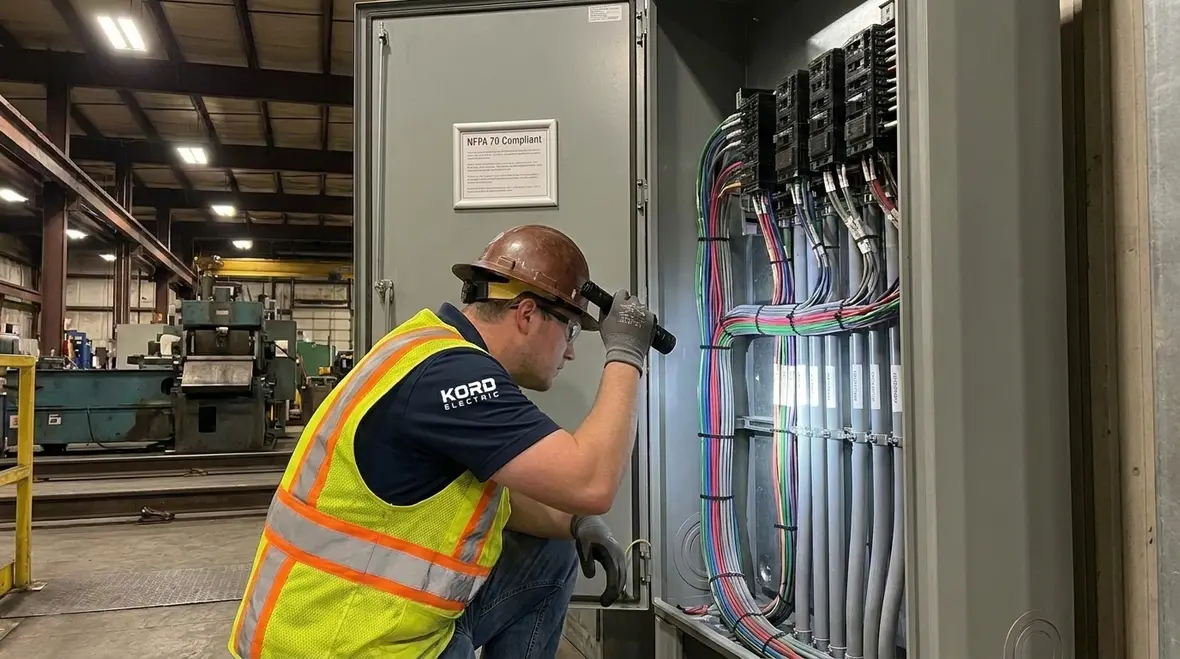
NFPA 70 Section 110.7 focuses on one big idea: electrical wiring must remain safe in the way it is installed and maintained. First, it places responsibility on the installer to use workmanship that does not create hazards. Next, it requires that materials and equipment get installed in a way that supports the intended purpose. Then, it expects proper installation practices that keep conductors, connectors, and raceways from turning into a long term risk.
In plain terms, the code wants you to respect the system. For example, the wiring integrity expectations connect to things like correct conductor size, secure connections, suitable routing, and protection from physical damage. If something will flex, we address support. If something will heat, we keep terminations tight and appropriate. If something will face moisture or exposure, we use the right approach for that environment.
And yes, we have seen the classic “it looked fine in the moment” situation. That is like eating a cupcake and calling it dinner. It might taste okay today, but tomorrow you pay for it. Our technicians do not live in tomorrow only. They verify now, and they document so everyone stays aligned.
How workmanship shows up in the details: terminations, supports, and routing
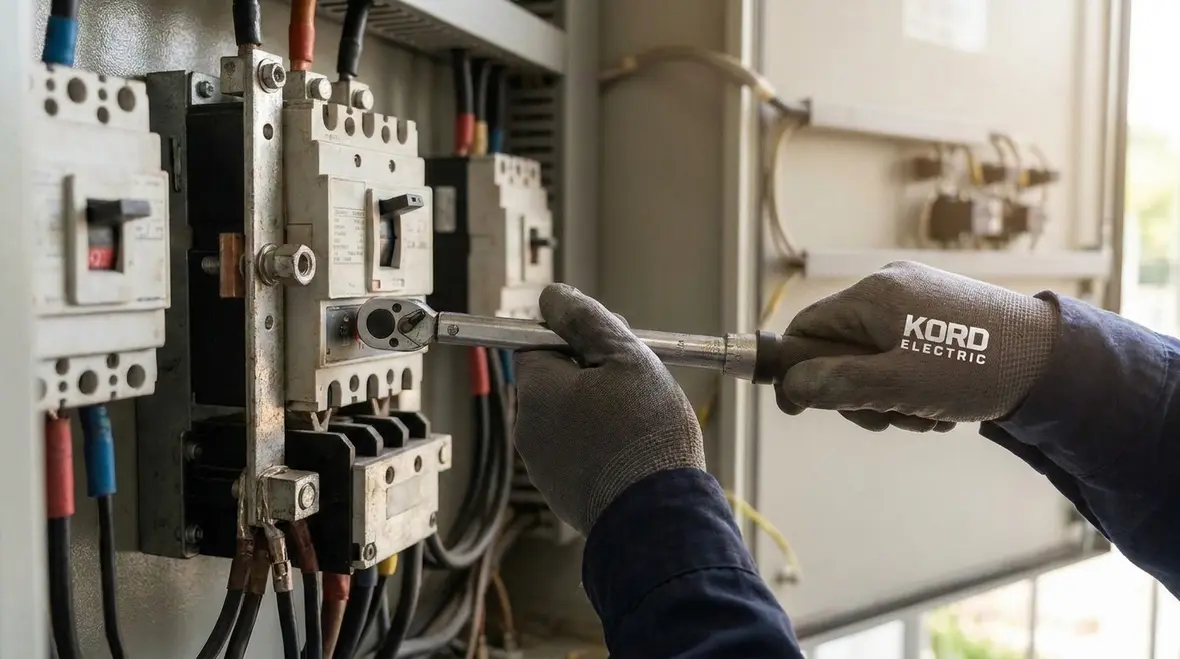
In our commercial and industrial work, we treat workmanship as something you can measure. Therefore, we pay attention to the details that usually separate good installations from trouble. For terminations, we ensure proper torque where required, clean contact surfaces where applicable, and correct conductor preparation. Poor prep can hide inside an apparently “tight” connection. However, it can still lead to looseness, heat, or failure later.
For supports, we install raceways and cabling so they stay stable under normal conditions and do not migrate over time. When systems route through areas where equipment vibration exists, we plan the path so the wiring stays secure. Additionally, we keep routing practices consistent with the equipment and the environment. That means avoiding sharp bends, preventing abrasion, and selecting the right fittings.
Next, we consider how devices and connectors interact with the wiring. If a component requires specific installation steps, we follow them, because the code focuses on installation quality. Then, we verify labeling and identification practices that help the facility team maintain the system later.
To make this practical, our expert service staff often explains the “cause to effect” chain while we work. They point out what a future maintenance tech will look for and how our choices reduce the odds of mystery outages. In short, the wiring integrity standards show up in the process, not just the final inspection sticker.
Why the NEC wiring integrity workmanship standards matter for commercial safety and uptime
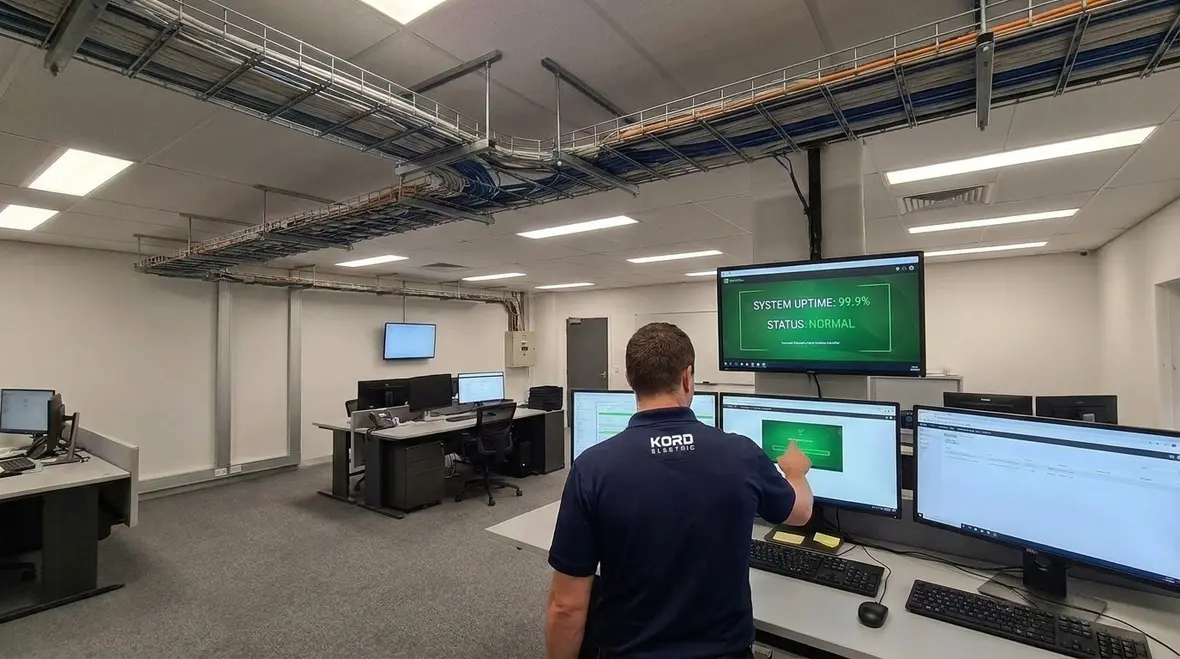
Commercial and industrial properties run on uptime. When electrical systems behave poorly, production slows, operations shift, and downtime becomes a line item no one wanted. Therefore, Section 110.7 connects directly to safety outcomes and reliability outcomes. It reduces the chance that heat buildup, loose connections, or degraded wiring paths create hazards.
Just as important, facilities need predictable maintenance. As systems age, teams rely on clear workmanship history and consistent installation methods. When wiring is installed with care, future troubleshooting becomes faster and more accurate. That means fewer guesswork hours and fewer shutdowns that drag on because nobody can trace what was done.
We also consider the bigger picture for property owners. A facility that follows NEC expectations and wiring integrity practices often sees fewer emergency callouts. So, others spend their budgets on planned upgrades instead of reactive firefighting. And yes, we joke with clients that emergency electrical work is like “watching Netflix with the volume off.” You can still do it, but it is not how it was meant to work.
Our inspection mindset: documentation, testing, and clear explanations
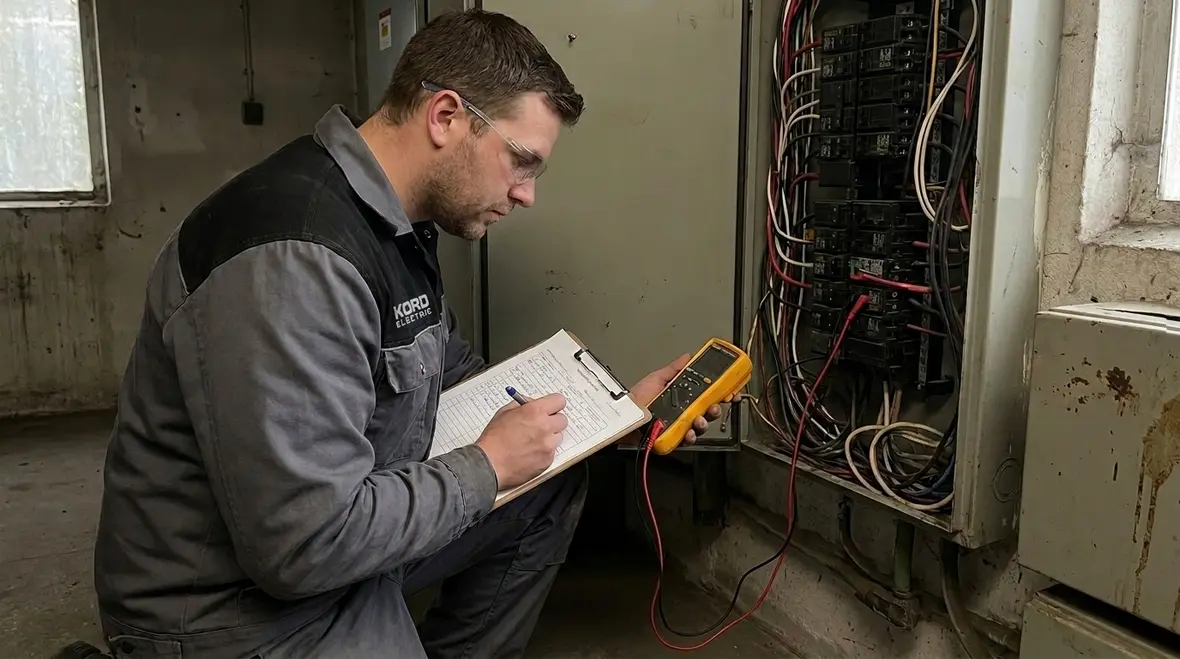
Kord Electric runs inspections as a normal part of the job, not a last minute panic. First, our teams check installation quality while the work is exposed and correctable. Then, we follow a structured approach so nothing important gets skipped. During commissioning, we verify that connections, terminations, and system behavior match the design intent.
We also document the critical steps, because documentation helps the facility staff and it supports compliance goals. Furthermore, our technicians and expert service staff explain what we check and what we see, so the building team does not feel shut out. If a question comes up, they answer it with practical detail, not vague promises. That communication style keeps projects calmer and it reduces rework.
In other words, we do not just install and disappear. We coordinate with facility stakeholders, and we make sure others understand how workmanship choices protect the system. When you operate a major property, that kind of clarity matters.
Implementation strategies for property buildings with complex loads
Large facilities bring real complexity: multi-floor distribution, different load profiles, varied environments, and strict schedule constraints. Therefore, we implement wiring integrity practices in a way that fits how these buildings operate. First, we plan wiring pathways early so route congestion does not force shortcuts later. Then, we align support spacing and protection methods with the expected conditions.
We also coordinate with other trades. When a facility has overlapping work, wiring integrity depends on how trades handle sleeves, penetrations, and final finishing. So, our team sets expectations early, and we check before areas get closed. Additionally, we use a consistent approach to labels and identification, so future maintenance teams can find the right circuits quickly.
For major property buildings, we treat commissioning as a reliability tool. That means we verify that the system performs as expected, and we identify any workmanship issues early. If something does not meet the standard, we correct it right away, because waiting turns a fix into a bigger fix.
It is the same philosophy used in industrial fire and pumping ecosystems. If you want dependable performance, you plan for real conditions and real stress. We respect that logic across electrical, service, and related systems, and we build a practical path from code requirement to daily operation.
Related code context: how NEC adoption connects to dependable electrical design
For our clients, code clarity reduces confusion. When the NEC gets applied with care, it becomes a roadmap rather than a hurdle. Resources like the National Electrical Code Explained for 2026 guide on the Kord Electric blog and related KordFire insights break down how the National Electrical Code works in modern settings, including the way people interpret installation requirements. We use that understanding to guide our teams and to help facility partners make confident decisions.
Additionally, it helps to look at how the electrical code connects with broader life safety thinking in the industry. For example, organizations and resources focused on fire pumps highlight that electrical reliability often supports the full emergency response chain. When wiring integrity workmanship standards get treated as essential, it supports the stability of systems that facilities depend on.
So, while Section 110.7 stays specific to wiring integrity and workmanship, the outcome shows up across the whole property. In that sense, it is like the foundation under a building. You do not always see it, but you feel it every day.
How NEC wiring integrity workmanship standards support long term reliability
When we talk about NEC wiring integrity workmanship standards in the field, we connect them directly to everyday reliability. Proper conductor preparation and terminations reduce nuisance trips and unexplained equipment resets. Clean routing and physical protection help keep forklifts, carts, and maintenance work from turning into surprise damage events. Consistent labeling and panel schedules shorten the time from symptom to solution when a fault appears.
Those details matter most in buildings that never really sleep. Facilities with 24/7 loads, critical production windows, or dense tenant use patterns need electrical systems that behave predictably. When someone adds a new run or modifies an existing feeder, the workmanship either supports that predictability or erodes it. Our teams treat every modification as part of the bigger picture, not a one-off repair that lives on its own.
We also fold NEC wiring integrity workmanship standards into our troubleshooting work. When a facility calls us to solve flickering, intermittent outages, or recurring breaker trips, we do not stop at the first visible symptom. Instead, we inspect the wiring path, terminations, and support strategies that sit behind the issue. That approach ties everyday service calls back to the same workmanship expectations that guide new installations.
Linking workmanship, NEC planning, and broader facility strategy
When property teams think about upgrades, they usually start with visible goals: new equipment, better lighting, or expanded capacity. Behind those goals sits a quieter requirement: the installation has to match both the NEC and the building’s long term plan. That is where wiring integrity workmanship standards shape outcomes more than most people realize.
For example, facilities looking at data-driven design or new distribution layouts benefit when field crews apply the same disciplined workmanship across feeders, branch circuits, and control wiring. That alignment keeps as-built conditions closer to design intent, which pays off when someone opens a panel three years later and expects the drawings to match reality. It also makes later projects—such as power reliability audits or lighting control integration—simpler, because the underlying wiring behaves the way the NEC anticipates.
In the same way, a building’s emergency power strategy only works if the wiring serving transfer switches, life safety loads, and critical panels is installed with care. Loose neutrals, poorly supported conduits, or improvised terminations do not just violate code theory; they undercut the building’s ability to respond when something goes wrong. We bring that context into every project conversation so facility leaders can connect daily workmanship choices to the larger reliability and safety story.
FAQ: Section 110.7 and wiring integrity workmanship
Conclusion: bring Kord Electric in before wiring issues turn into downtime
If you manage a commercial or industrial property, you already know what electrical problems cost. Therefore, do not wait for the “it only failed once” phase to become a habit. Kord Electric brings expert technicians, clear explanations, and a disciplined installation mindset aligned with NFPA 70 Section 110.7. We verify workmanship, support wiring integrity, and help your team maintain reliable power.
For facilities across the region, our dedicated Los Angeles County electrical services connect those workmanship standards with broader design, troubleshooting, and upgrade support. Contact us to review your project needs, planned improvements, or ongoing service requirements, and we will map a safer, steadier path forward from the first conduit run to the last inspection.


