
NFPA 70 Section 110.9 Interrupting Rating Requirements Explained
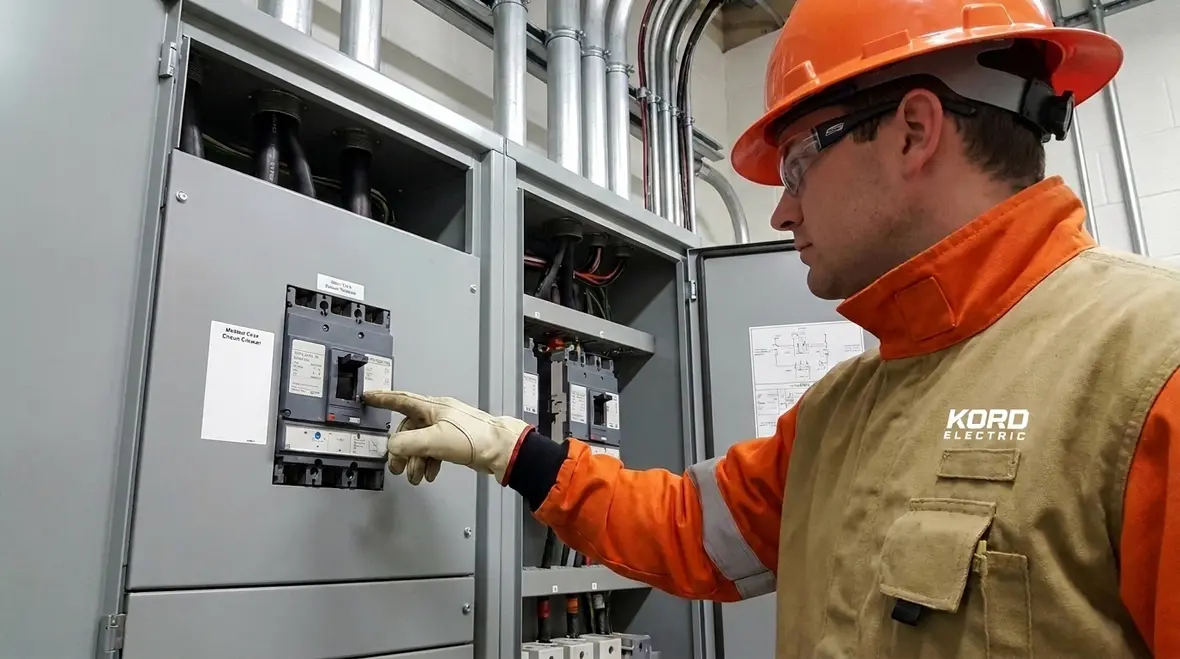
At Kord Electric, we help commercial and industrial facilities understand the NFPA 70 Section 110.9 interrupting rating requirements explained, because that one small label on a breaker can decide whether a system keeps working or turns into expensive confusion. In the first 100 to 150 words, we say this plainly: the NEC requires that the overcurrent protective device interrupt current without failing, and it must match the available fault current at the installation point. Then our expert service staff and technicians go further, walking through what the rule means in real switchgear, real panels, and real job sites.
And yes, we have met systems where someone sized a breaker like it was a coffee coupon. It worked on paper, until the fault arrived. Then it turned into a drama series with no happy ending. Let’s slow down, get it right, and keep the lights on.
What NFPA 70 Section 110.9 actually demands in field terms
NFPA 70, also known as the National Electrical Code, sets expectations for how equipment performs during abnormal conditions. Section 110.9 focuses on the ability of equipment and devices to interrupt fault current safely. NEC interrupting rating requirements explained means the breaker or protective device must clear a fault current at the available level without causing unsafe conditions.
In practice, this rule links three things that do not want to be separated: the available short circuit current at the equipment location, the interrupting rating of the protective device, and the installation point where the device sits. If those pieces do not align, the system can experience failure, fire risk, or an outage that lasts longer than anyone’s patience.
To keep this simple, we explain it like our technicians do on inspections. First, we find the available fault current. Next, we confirm the device interrupting rating is high enough for that value. Finally, we verify that the device type and system setup allow safe interruption under fault conditions.
How available fault current links to breaker interrupting ratings
Available fault current comes from the system design and its electrical characteristics. Utility source strength, transformer size, conductor impedance, and system voltage all play a role. Therefore, the same building can show different fault levels at different points. That is why we do not treat ratings like a one time worksheet. We treat them like a living part of the design.
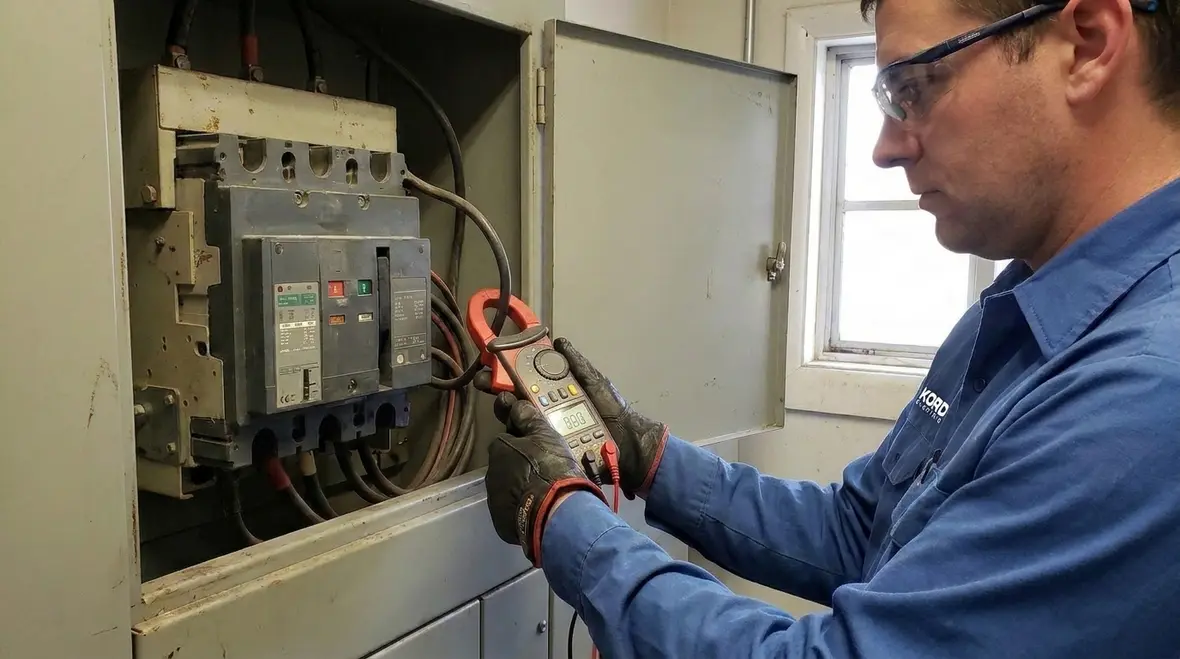
When our expert service staff reviews commercial switchgear and distribution equipment, they compare the calculated available fault current at each bus or panel section with the protective device interrupting rating. Then they ask a grounded question: can the device interrupt the current at that location?
It helps to remember this: a breaker interrupting rating is not a decoration. It tells you how the device performs when fault current tries to rip through the system. If the rating is too low, the breaker may not interrupt properly. Instead, it can vent, fail, or allow continued arcing. And arcing does not care how nice the facility lobby looks.
Device types, ratings, and why “it fits” does not mean “it works”
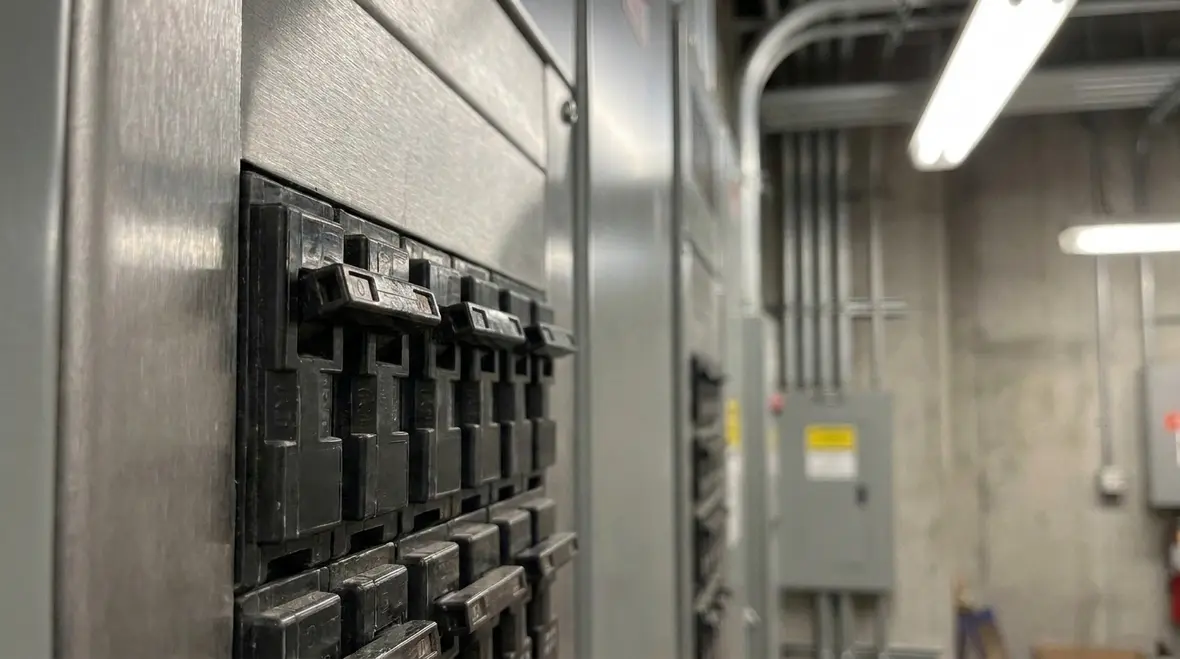
In industrial and major property buildings, you often see different device categories: molded case circuit breakers, insulated case breakers, switchboards, and sometimes specialized protective devices in switchgear. Each device may show a voltage rating and an interrupting rating, and sometimes multiple ratings for different operating conditions.
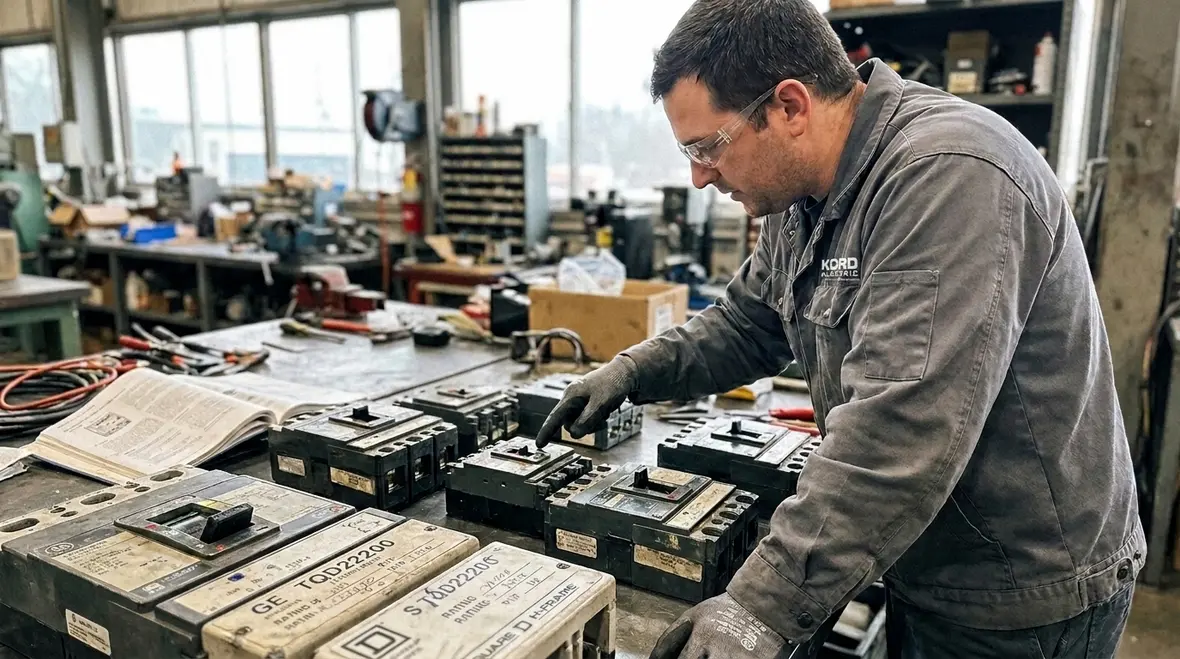
So, our technicians help teams read the labels correctly. They confirm the device interrupting rating matches the system voltage and the fault clearing scenario. They also watch for misunderstandings that show up during design changes. For example, if someone swaps a transformer, expands a feeder, or increases motor load, the fault current profile can shift even if nothing looks visually different.
As a result, interrupting ratings that once matched can become mismatched. And if someone says, “We installed it before, it should be fine,” we respond with calm honesty. Before does not cover after. Fault current levels can change, and NFPA 70 Section 110.9 addresses that real risk.
Coordination and selective protection under the interrupting rating rule
Interrupting rating requirements explained often get separated from coordination, but they actually work together. Coordination helps keep faults limited to the smallest part of a system. Yet coordination only helps if the devices in the chain can interrupt fault current safely.
Here is the practical flow we use for commercial and industrial facilities. First, we verify each device’s interrupting capability at its location. Then we evaluate time current coordination between upstream and downstream devices so that the system clears faults without unnecessary shutdown.
Transition matters here. If downstream protection can clear properly, the rest of the system stays stable. However, if downstream devices have insufficient interrupting ratings, the system might not clear at all in the intended way. Then the coordination plan becomes a well designed traffic map for the wrong city.
Our expert service staff also looks at arc flash concerns when dealing with protective device performance. While arc flash calculations can involve more than just interrupting rating, device failure or unexpected clearing behavior can elevate risk. Therefore, we push for correct ratings as a foundation before moving into deeper protective strategies.
Common mistakes we see during inspections and upgrades
Over the years, we have watched teams chase performance while quietly ignoring the details that NFPA 70 Section 110.9 cares about. Here are the mistakes that show up again and again in commercial and industrial settings.
- Using a breaker interrupting rating without confirming it matches the available fault current at the device location
- Assuming the same rating works across multiple switchboard sections when the system model shows different fault levels
- Swapping equipment during an upgrade without rechecking fault current calculations or protective device labels
- Relying on a past study that no longer reflects current transformers, bus ties, or feeder routing
- Confusing voltage rating with interrupting rating as if the breaker only cares about how it looks on the nameplate
Then there is the classic one: “The breaker hasn’t tripped yet.” Sure. Fault current does not arrive on a calendar. It shows up when you are busiest, when production goals matter, and when downtime gets expensive. So we steer facilities toward documented verification, not hope.
In the same spirit, we also remind clients about related code context. NEC requirements exist for many parts of electrical safety, and a compliant interrupting strategy supports the wider system goals. For deeper general NEC background, our team aligns discussions with the National Electrical Code explanations we share on our sites, including resources like Understanding NFPA 70: The National Electrical Code Explained for 2026, so facilities see how Section 110.9 fits into the bigger picture.
Service approach: how Kord Electric verifies interrupting ratings for property buildings
We focus on commercial and industrial facilities and major property buildings. That means our workflow targets the equipment that actually moves power and runs life safety and business operations. Our goal stays consistent: reduce risk through clear verification, practical documentation, and expert guidance that technicians and facilities teams can trust.
First, our technicians review single line drawings, panel schedules, switchgear layouts, and equipment nameplates. Next, we confirm the system voltage levels and the protective device types. Then we support or review short circuit and coordination studies as needed, because we cannot responsibly compare interrupting ratings without accurate fault current values.
After that, we verify the match between available fault current and the protective device interrupting rating at each relevant bus or termination. Finally, we document findings clearly and recommend fixes where ratings do not align. Transitioning from theory to action keeps the project moving without guesswork.
And yes, we also explain the process in plain language. We have seen too many facilities hand contractors a binder and hope for the best. Instead, our expert service staff walks teams through what matters, why it matters, and what decisions must be made before commissioning. This reduces rework, protects budgets, and keeps operations stable.
Regulatory context and why this matters for real life safety
NFPA 70 provides the framework for electrical safety in the United States. Section 110.9 addresses equipment performance during fault conditions, not just routine operation. That is why the standard forces a practical reality: protective devices must interrupt the current they are expected to handle.
Moreover, in major property buildings and industrial campuses, fault events can cascade. One failure can impact multiple loads, disrupt critical systems, and create cascading shutdowns. Interrupting ratings provide a first line of defense against those failures by ensuring clearing actions remain within safe performance limits.
We also keep a business minded lens. A compliant system reduces downtime risk, simplifies insurance conversations, and supports smoother maintenance planning. It keeps your facility from becoming a surprise headline. Nobody wants that. Not your team, not your leadership, and certainly not our technicians who prefer solving problems instead of chasing them.
FAQ for NEC interrupting rating requirements explained
Connecting interrupting ratings with broader electrical planning
Interrupting ratings are not a side note; they tie directly into how you plan upgrades, renovations, and new construction. When a facility team adds new equipment, restructures distribution, or adjusts transformer sizes, the available fault current map changes. That is why we pair NFPA 70 Section 110.9 reviews with wider design conversations instead of checking it once and walking away.
For larger projects, we often connect our interrupting rating verification with the type of design support described in our building electrical system planning and data driven design resources. That way, the same clear thinking that guides conductor sizing, feeder routing, and load diversity also guides how you select and apply breakers and protective devices. When ratings, studies, and field conditions line up, facilities spend less time chasing surprise outages and more time running steady operations.
Facilities across the region also lean on our Los Angeles County electrical services when they want a single partner to manage both day-to-day troubleshooting and long term power strategy. That combination lets us spot interrupting rating gaps during maintenance, then fold the fixes into broader system improvements instead of a string of one-off emergencies.
Conclusion: next steps with Kord Electric for safer switchgear
If your commercial or industrial facility uses switchgear, switchboards, or distribution panels, NFPA 70 Section 110.9 cannot stay in the “someone else will handle it” category. Kord Electric helps your team verify available fault current and confirm that protective devices meet the NEC interrupting rating requirements explained, so faults clear safely and downtime stays controlled. Contact us to schedule a review with our technicians and expert service staff. Then we turn complex code requirements into clear, actionable steps for your building.


