
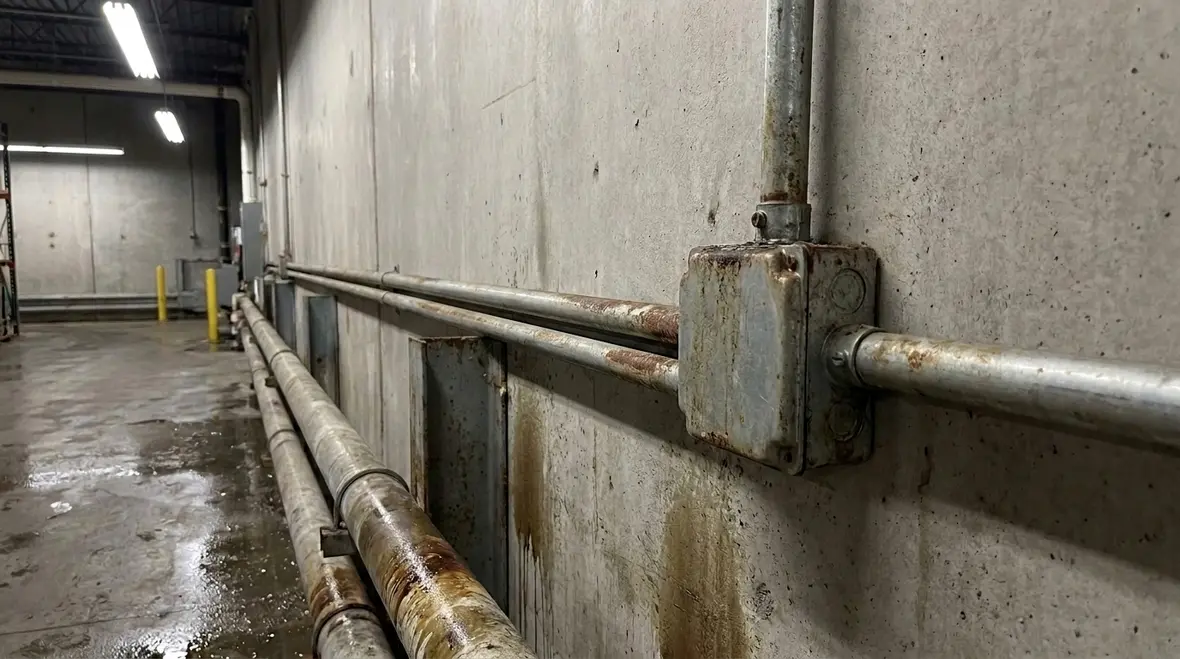
NEC Deteriorating Agents Protection Requirements Explained
At Kord Electric, we take NEC deteriorating agents protection requirements seriously because wiring does not simply “sit there and behave.” It lives in real buildings where moisture, chemicals, heat, and physical wear show up on schedule, even when the schedule is inconvenient. In commercial and industrial facilities, as well as major property buildings, we follow NFPA 70 Section 110.11 so wiring stays safe as conditions change. And yes, our team explains the reasoning in plain language, because nobody should need a decoder ring to understand code. Still, if code were a superhero movie, Section 110.11 would be the scene where the hero finally protects the wiring from the villains labeled deterioration.
Below, we cover what NFPA 70 Section 110.11 requires, how it connects to NEC basics for the 2026 cycle, and how our expert technicians apply it on real jobs. Then we close with a practical checklist your facility team can use before an inspection, audit, or major remodel rolls in.
NFPA 70 Section 110.11 explained for commercial wiring
NFPA 70 Section 110.11 focuses on protecting wiring from deteriorating agents. In plain terms, it tells us to consider the environment where the wiring runs and to choose methods and protections that prevent failure. For commercial and industrial facilities, this matters because the environment is rarely mild. Even well managed sites can experience condensation, chemical vapors, dust, washdown, grease, corrosive gases, heat cycling, and vibration.
Therefore, before we install, extend, or alter wiring, we look at what the wiring will face. Then we apply the correct protection so the insulation and conductor remain dependable through the life of the system. This also supports continuity of operations, which matters to a building owner when downtime turns into payroll plus overtime plus “Why is everything down?”
What qualifies as deteriorating agents in the NEC
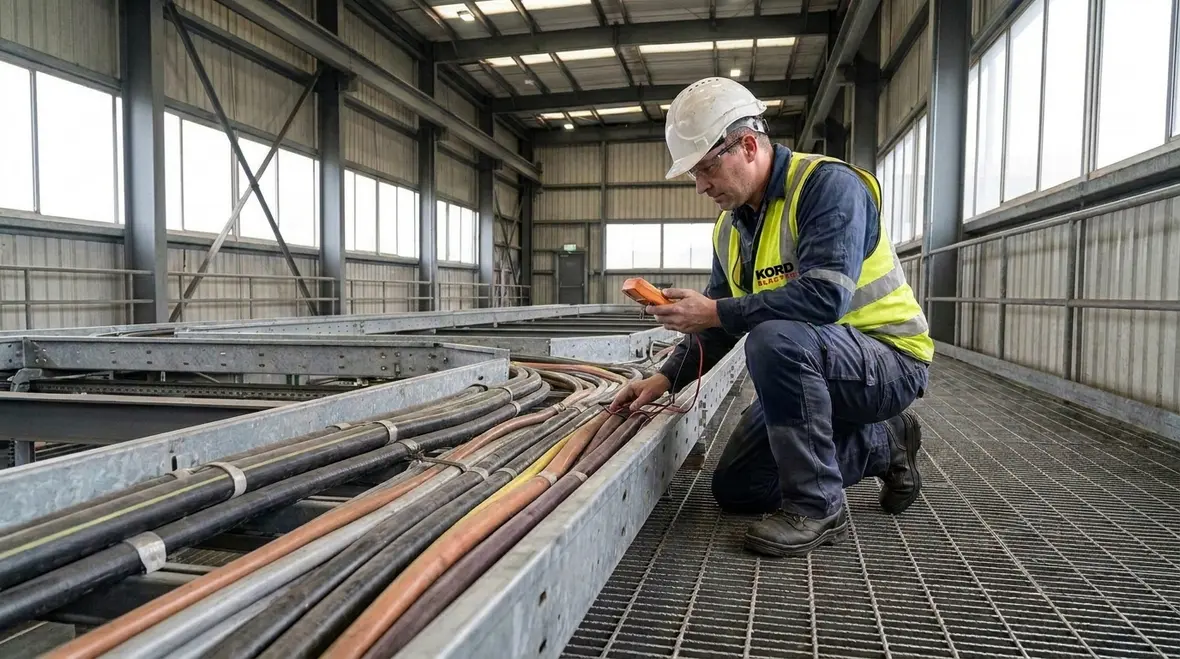
Deteriorating agents are not a single thing. They are a collection of real-world risks that can attack wiring over time. Our technicians and expert service staff typically evaluate these categories on site, and then we document our findings so there are no surprises later.
Common examples include:
- Moisture and damp locations, including condensation and repeated wetting
- Chemicals such as cleaning agents, corrosive vapors, and industrial fluids
- Heat from process areas or hot exhaust environments
- Physical damage from impact, vibration, or maintenance traffic
- Corrosive atmospheres that attack metal and insulation compounds
After we identify the agent, we match the wiring method and materials to the risk. Next, we consider how the agent reaches the wiring, whether through surface contact, airborne exposure, or water pathways. Finally, we verify that the protection plan aligns with the wiring method requirements found across the NEC, including any sections that apply to location and installation conditions.
How we apply the NEC deteriorating agents protection requirements in the field
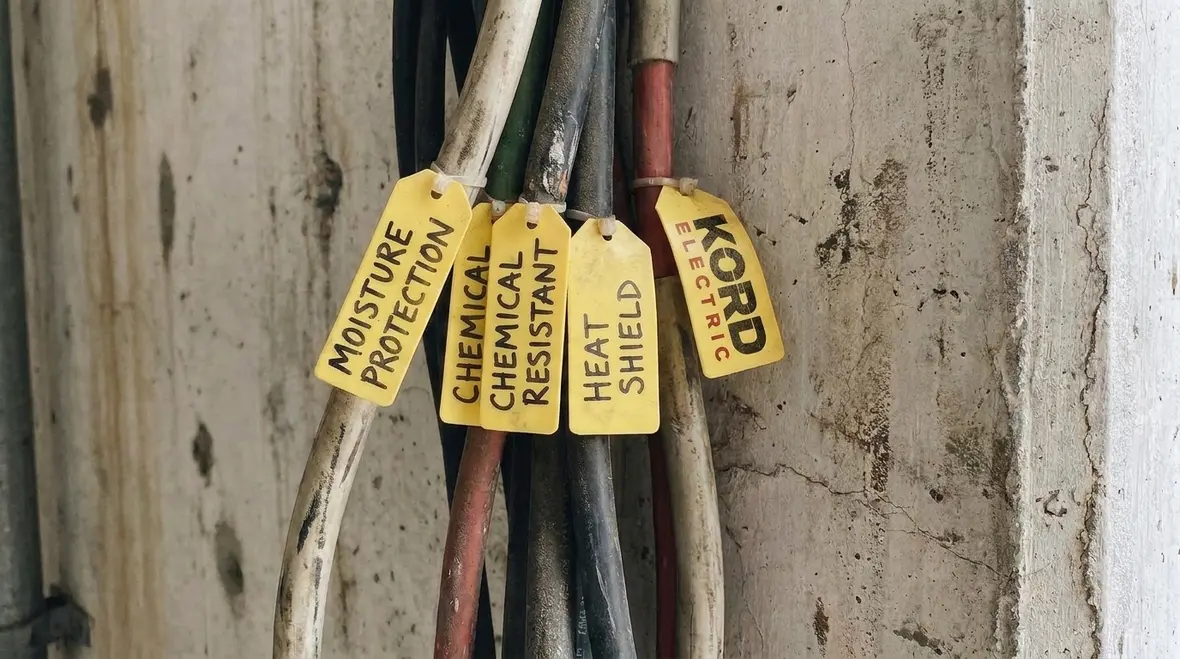
In practice, we do not treat NFPA 70 Section 110.11 as a checkbox. We apply it as a design and installation decision framework. First, we review the job scope and the building’s operational areas. Then we map wiring routes, because the same facility can include dry offices, washdown rooms, process bays, and storage areas within a few feet of each other.
Our expert service staff often explains this step in a simple way: “Wiring does not care what room it is in. But deterioration agents do.” So we build protection around the room, route, and use case.
Typical field actions include:
- Using wiring methods suited to damp, wet, or corrosive conditions
- Selecting materials that resist chemical exposure where cleaners or process fluids exist
- Upgrading mechanical protection where the route faces impact or maintenance access
- Ensuring correct sealing and routing so moisture cannot work its way into enclosures
- Coordinating with facility operations so temporary construction does not create long term exposure
Then we document what we used and why. That documentation helps during internal reviews, utility coordination, and inspections. It also helps when someone later asks, “Who chose this route,” and we want the answer to be factual, not vague.
Why wiring protection matters more than people think
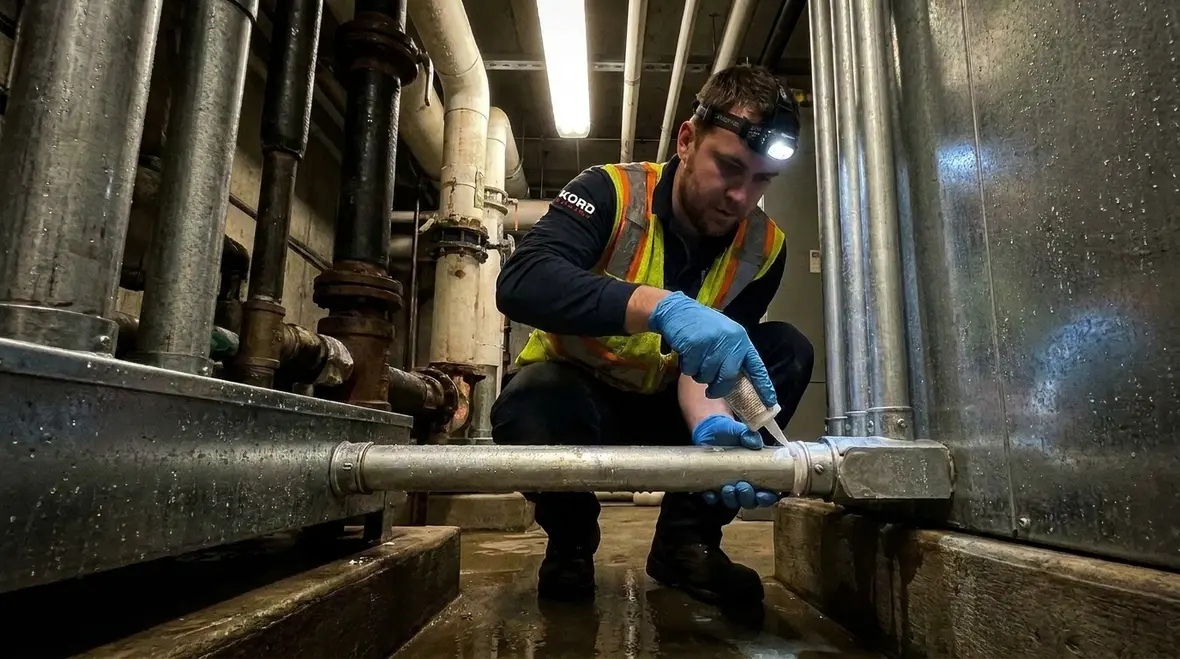
Many teams view wiring protection as an installation task, but it is really a reliability strategy. As conditions push against insulation and terminations, failure rarely happens instantly. Instead, it can begin as small degradation: insulation breakdown, corrosion at terminations, loosened connections from heat cycling, or damage from repeated wetting. Over time, these issues raise risk for faults, equipment downtime, and safety hazards.
So, when we follow NEC deteriorating agents protection requirements, we also protect operations. For a warehouse, that might mean fewer interruptions to conveyors and controls. For a plant, it might mean fewer nuisance trips in motor circuits. And for a major property building, it means safer life for power distribution systems that serve many occupants and tenants.
In other words, this is not “extra work.” It is the part that prevents the fire drill that nobody wants to host. And if you think a fire drill is exciting, we respect the enthusiasm, but we still prefer your wiring stays boring.
Connecting NFPA 70 Section 110.11 to modern NEC understanding
When we talk with customers about the National Electrical Code, we connect the dots between requirements and real building behavior. Articles we review and resources we align with help us interpret how NEC structure applies to the 2026 environment for electrical work, even when code language stays focused on core principles.
At Kord Electric, we also stay aligned with the broader NEC discussions that cover how the code is organized, how updates impact installations, and why the NEC often asks us to think about use conditions rather than only the device name on the drawing. In the same spirit, we support our commercial and industrial clients by focusing on the practical application of code rules, not just the theory.
To keep this calm and clear, our expert service staff usually summarizes it like this: NFPA 70 Section 110.11 tells us to expect deterioration. The rest of the NEC guides how to install and protect so deterioration does not win. That is the whole match.
If your facility team wants to see how this fits into the bigger NEC picture, you can also review related guidance in the Kord Electric blog resource Understanding NFPA 70: The National Electrical Code Explained for 2026, which pairs these protection decisions with overall code structure and application.
Real world examples in commercial and industrial facilities
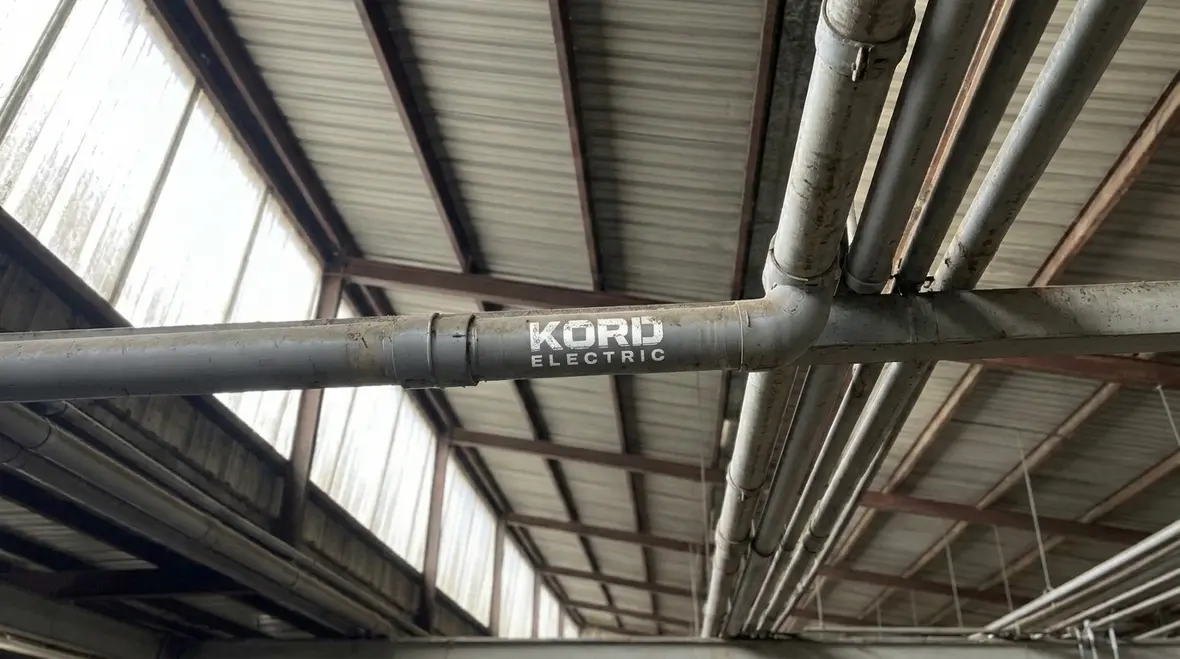
Let us bring this to life with scenarios we see in major property buildings, warehouses, and industrial sites. Each scenario includes deterioration agents and a wiring protection response that fits the environment.
Example 1: Washdown and cleaning chemicals
In areas where floors, walls, or equipment get cleaned often, moisture and chemical residues can reach cable assemblies. Therefore, we choose wiring methods and materials that tolerate exposure and we route to reduce direct contact. Next, we verify that enclosures and fittings resist water paths.
Example 2: Outdoor portions of a facility
Outdoor runs face heat, UV exposure, rain, and freeze thaw cycles. As a result, we address deterioration by selecting compatible components and ensuring proper protection where the wiring is exposed. Then we pay attention to terminations, because moisture loves to find the smallest route into a system.
Example 3: Equipment areas with vibration and impact
Mechanical wear can degrade cable over time. In those spaces, we add protection that limits physical damage. We also consider where maintenance staff may bump, pull, or handle materials around the route. That means we plan paths that fit the workflow rather than forcing the wiring to survive on hope.
Across these examples, our technicians explain what they see, why it matters, and what they recommend. And yes, they also explain it without the kind of language that makes you wonder if you accidentally joined a chemistry class.
Coordination, documentation, and inspection readiness
After installation, we help keep the system inspection ready through coordination and clean records. This matters for commercial and industrial facilities where multiple contractors work in the same space and where electrical scope often intersects with fire protection and life safety planning.
Therefore, before work starts, we coordinate routes with other trades so we do not compromise protection. Next, we confirm that changes during construction do not introduce new exposure paths. Then we maintain documentation that shows installed methods, protection decisions, and how the approach meets the intent of NFPA 70 Section 110.11.
For clients who also manage fire and pump systems, we remain mindful of how electrical dependability supports the overall safety plan. When building teams integrate electrical reliability with fire system needs, they reduce the chance that one system fails because another system was treated as an afterthought. Resources and industry guidance from fire and electrical communities also reinforce this mindset.
To visualize it, our teams often use a simple evaluation approach, and during planning we can summarize it like this in dual-column form:
| Site condition | Protection action |
| Moisture, damp or washdown risk | Use suitable wiring methods, sealing, and routing |
| Chemicals in cleaning or process areas | Select materials that resist exposure and prevent migration |
| Heat and cycling near equipment | Confirm compatibility and termination durability |
| Impact, vibration, and traffic near routes | Add mechanical protection and plan accessible routing |
These decisions also align with broader NEC planning concepts described in resources like the 2026 NEC application and scope discussions and related Kord Electric blog materials, helping your team see how deteriorating agent protections fit into your overall electrical reliability plan.
FAQ about NFPA 70 Section 110.11 and wiring protection
Take action with Kord Electric
If your facility includes washdown areas, chemical use, outdoor exposure, or equipment zones with vibration and traffic, we can help you protect wiring the right way. Kord Electric serves commercial and industrial customers and major property buildings, and our technicians explain the requirements clearly while we plan and install with care. Contact us to review your existing routes, discuss upcoming upgrades, and build a protection plan that supports safety and uptime. Let us handle the wiring details, so your team can focus on running the business.
For organizations operating across Los Angeles County and nearby regions, our dedicated Los Angeles County electrical services team can integrate NEC deteriorating agents protection requirements into broader projects like service upgrades, panel work, and system expansions so environmental risks are addressed from the first design conversation.
If you are also planning larger electrical code updates or want to align deteriorating agent protection with your long-term NEC strategy, pairing this guide with other Kord Electric resources on NFPA 70 will help your facility team see how Section 110.11 connects to scope, application, and inspection expectations.
When you are ready to turn this into a clear plan for your building, our electricians will walk the routes, document the risks, and implement protection that fits your operations instead of working against them.


