
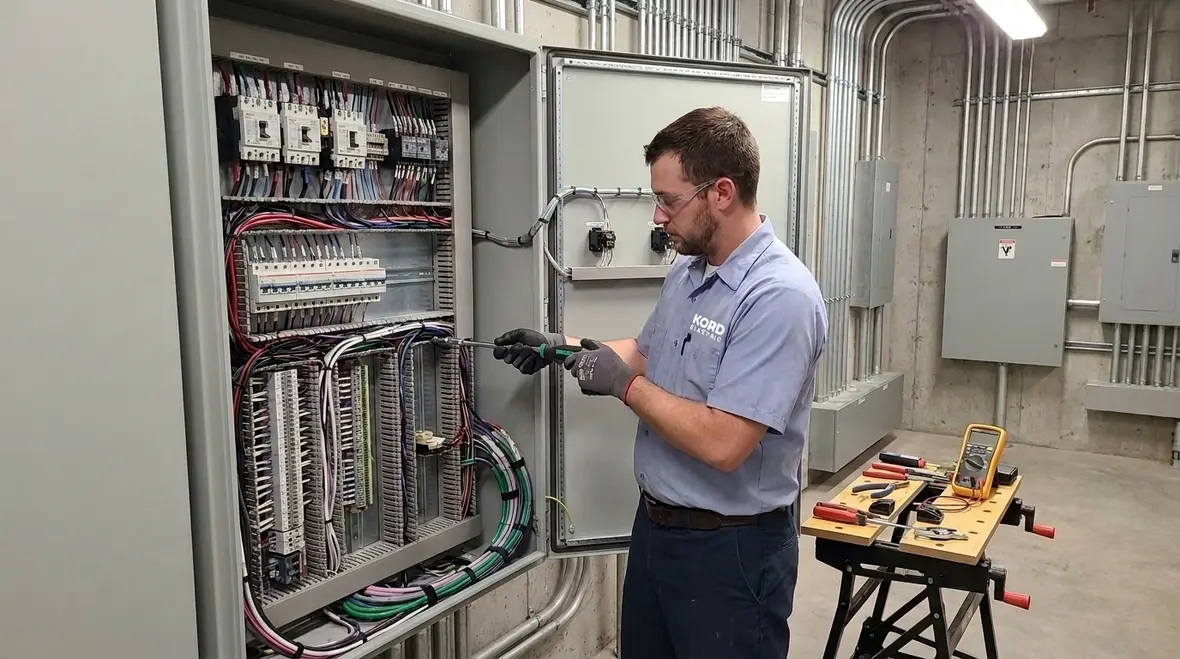
NFPA 70 Section 110.12 Mechanical Execution Work Standards
At Kord Electric, we treat electrical work like a craft, not a random act of wiring. That means we follow the NEC mechanical execution workmanship code mindset from NFPA 70 Section 110.12, which sets mechanical execution of work standards so equipment stays safe, reliable, and built to last. In plain terms, we make sure the job looks right, functions right, and holds up when real life shows up, which it always does.
Others may rush the finish, then act surprised when callbacks arrive like that one sitcom character who always returns for the next season. We do it differently. Our technicians and expert service staff explain what they are doing and why, and then they execute the work with steady, careful workmanship, because commercial and industrial facilities deserve that kind of calm certainty.
What NFPA 70 Section 110.12 requires for mechanical execution of work
NFPA 70 Section 110.12 focuses on how electrical installation work must be carried out. It does not just say “install it.” It requires that the electrical equipment be installed and finished so it meets safety expectations under normal use and during foreseeable conditions. Therefore, we plan, we inspect, and we finish with care.
In practical terms, the section pushes workmanship quality across the whole installation. Even if the design is correct, poor execution can create hazards. For example, loose terminations, damaged insulation, incorrect mounting, or messy routing can all become failure points over time. As a result, the standard protects people and assets by setting an expectation for mechanical execution.
Now, we know that mechanical details can sound boring. However, in the field, these details decide whether a system behaves during peak loads or acts like a drama queen at the worst moment. Our team keeps the work disciplined, because in major property buildings and industrial settings, downtime costs real money.
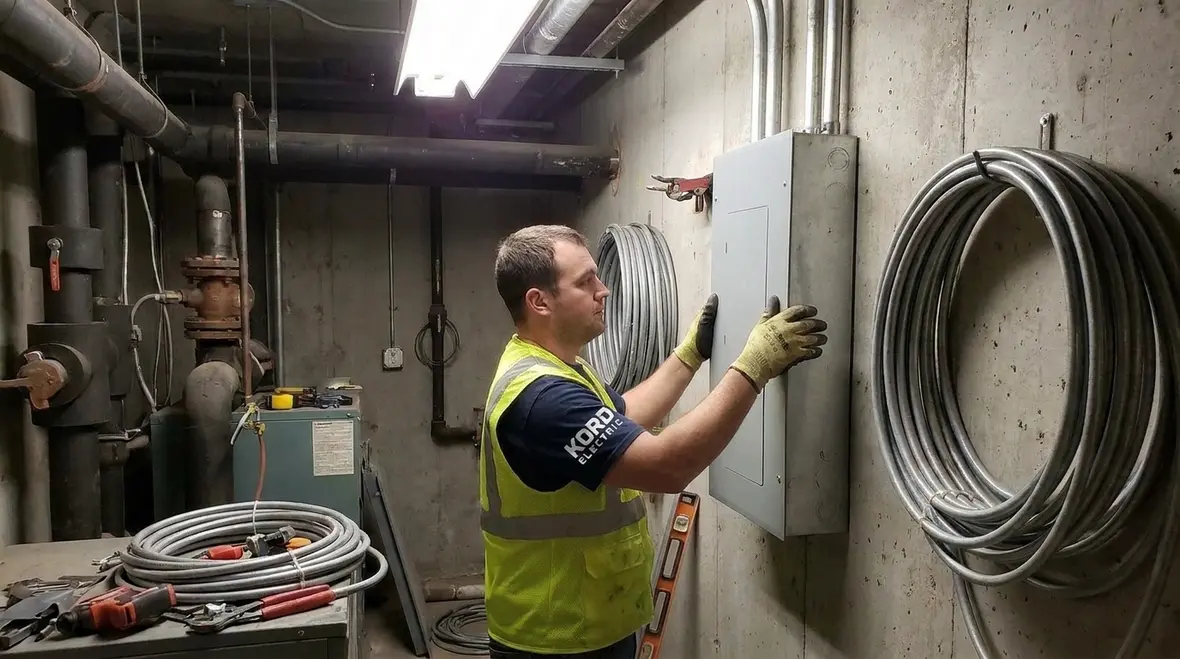
That focus on disciplined workmanship connects directly to how we interpret the broader National Electrical Code. When facilities teams want a full code roadmap, we often point them to our related resource Understanding NFPA 70: The National Electrical Code Explained for 2026, which zooms out to the bigger NEC picture while this article zooms in on Section 110.12 and the mechanical execution details.
How our technicians apply the standard during installation
We do not treat Section 110.12 as paperwork. We treat it as a work method. First, our technicians review installation conditions, including support methods, environment, and access needs. Then they install devices and equipment with proper alignment, secure mounting, and correct terminations.
Next, we control the details that prevent future problems. We keep conductors routed cleanly, avoid unnecessary bending that stresses insulation, and ensure enclosures and covers stay intact. Moreover, we verify torque and connection integrity so the installation maintains performance over time.
Here is the key: we also check the mechanical condition of the installation, not only the electrical testing results. For instance, we look at strain relief, conductor protection, and secure fastening. We confirm that the equipment is positioned so it does not loosen or shift due to vibration, thermal cycling, or routine building movement.
Our expert service staff also communicates with facility teams. We explain the steps, what we are verifying, and how the installation supports code compliance and safe operation. In other words, our work is not a mystery box. It is a documented, understandable process.
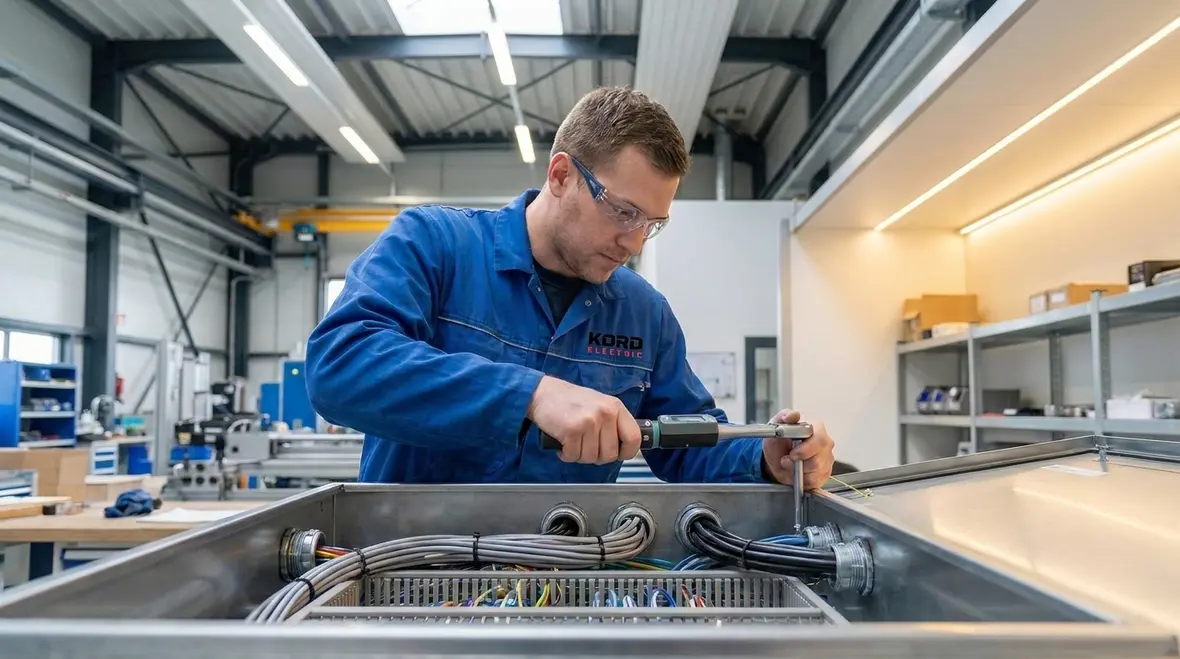
Because this method touches both design and field work, it also pairs well with our planning resources like the How to Read NFPA 70: National Electrical Code guide, which helps facility teams see how mechanical execution fits inside the bigger NEC workflow they manage from project kickoff through inspection.
Where poor mechanical execution creates real hazards in commercial buildings
Commercial and industrial facilities often run on schedules, not on patience. Therefore, when mechanical workmanship slips, hazards appear faster, and the impacts grow wider. Poor mechanical execution can cause overheating, intermittent faults, and damaged components that degrade insulation or connections.
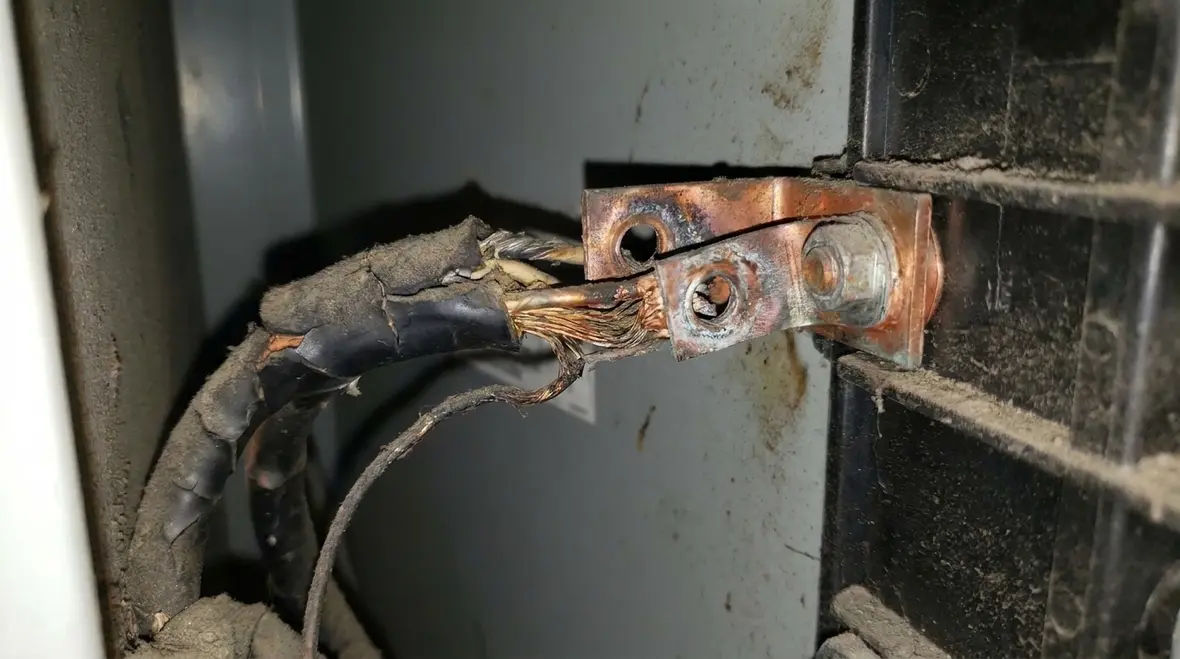
Consider the usual failure chain. If a terminal connection is not made properly, it can heat under load. If the installation uses weak mounting or incorrect supports, vibrations can loosen components. If covers are missing or improperly secured, dust and moisture can enter areas that should stay protected. Then, equipment reliability drops, and maintenance becomes more frequent.
Additionally, mechanical disorder can hide problems. When routing looks chaotic, it becomes harder to confirm separation, clearances, and protection. As a result, safety risks increase, and troubleshooting takes longer. Nobody wants to play “find the problem” when the building is already demanding uptime.
That is why we focus on execution standards from the first day of installation through final closeout. We build installations that remain stable and serviceable, because major property buildings need systems that stay dependable. Our work in this area ties closely into how we help facilities confront common post-installation electrical issues in commercial buildings so that flickering, nuisance trips, and coverage gaps do not become a permanent part of the operating routine.
NEC mechanical workmanship for enclosures, supports, and terminations
Section 110.12 ties directly to mechanical discipline. In our work, we pay particular attention to the areas that affect physical integrity and long term function. First, we ensure enclosures and equipment are installed so they stay secure, covered, and properly finished. Then, we confirm that supports and mounting methods maintain stability.
Supports matter more than people think. In industrial spaces, equipment can see vibration and changing temperatures. Therefore, we use appropriate mounting methods and ensure hardware fits correctly, sits flush, and resists loosening. We also avoid shortcuts that might “work today” but fail when the environment shifts.
Terminations receive the same focus. We verify that conductors are prepared correctly and that connections maintain the proper mechanical grip. We follow the details that keep strain off the connection and ensure insulation stays intact. In addition, we check that labels, covers, and access points remain functional, so future service remains efficient.
To keep this practical, we sometimes run through key inspection points in a simple two column walkthrough during planning sessions with clients. The goal stays the same: clear expectations, clean execution, fewer surprises.
Mechanical area we verify
Enclosure security and cover fit
Conductor routing cleanliness
Mounting stability and hardware integrity
Strain relief and conductor protection
Why it matters for code and safety
Helps prevent exposure and damage
Protects insulation and supports serviceability
Reduces loosening and failure under load
Keeps connections reliable over time
Those same checkpoints align with the broader NEC mechanical execution workmanship code mindset: do the small things right so the big things — like uptime and safety — stay under control. For facilities planning bigger changes, we often connect this checklist-style approach with higher-level resources on NEC scope and application, such as our 2026 NEC and NFPA 70 overview materials from both Kord Electric and our code education partners.

How we document and inspect workmanship for compliance
We treat mechanical execution as a process with checks, not a one time event. Therefore, our technicians perform inspections during installation and before handoff. We look for obvious issues, and we also look for the subtle ones that can grow into bigger problems.
We document critical steps so our clients and facility teams can understand what we installed and what we verified. This supports transparency and helps maintenance staff later. Moreover, documentation reduces confusion during operations, because major property buildings run on coordination between trades, contractors, and facility staff.
Our expert service staff also supports follow up needs. If a facility team has questions about access, maintenance, or safe operation, we explain the mechanical design decisions that support long term reliability. When people understand the “why,” they manage the system better. And when they manage it better, the system performs better. That is the whole game.
That same mindset shows up when we help facility managers evaluate Los Angeles County electrical services across a whole portfolio. When documentation and inspection habits are strong, upgrades and maintenance work tie together instead of becoming a pile of disconnected projects with different workmanship standards on every floor.
Common execution mistakes we help facilities avoid
Even good teams can make errors when schedules push hard. We help prevent the mistakes that often show up in rushed projects. First, incorrect mounting leads to movement or stress on conductors. Next, poor routing creates strain points or complicates future access.
We also watch for damaged insulation, improper enclosure finishes, and loose hardware. Additionally, we ensure that terminations stay neat and mechanically secure. You can test a system today, but if the mechanical execution is weak, the installation can degrade under real conditions.
Here is where the humor comes in. Some people act like electricity will follow vibes. Unfortunately, it does not. Electricity follows physics. So we follow the standard, and we let the job behave like it is supposed to. That keeps facilities operating and keeps teams confident.
And while the code book itself can feel dense, resources like the Kord Fire article on NFPA 70 and the National Electrical Code help explain why these mechanical details exist in the first place. When teams see that connection, they stop treating neat work as “extra” and start seeing it as the shortest path to fewer headaches.
FAQ for NFPA 70 Section 110.12 mechanical standards
Conclusion: choose disciplined workmanship for dependable power
NFPA 70 Section 110.12 sets a clear expectation for mechanical execution of work standards, and we build to that expectation at Kord Electric. Our technicians execute carefully, our expert service staff explains the details, and our process helps commercial and industrial facilities protect people, equipment, and uptime. If you need electrical work that stays solid through real operating conditions, contact Kord Electric. We will listen to your site goals, then deliver an installation with calm confidence and documented workmanship.
For facility leaders planning broader upgrades, it often makes sense to connect Section 110.12 with a full review of how NFPA 70 applies to your building. Our team supports that through code education resources, consulting on design and renovation work, and field-ready services that keep your systems compliant and resilient. When you are ready to tie mechanical execution, code planning, and real-world operations together, Kord Electric is ready to help you plan the next steps with clarity.
And because disciplined workmanship should never stop at a single panel or project, we encourage facility managers to look at mechanical execution as part of a larger service strategy. Whether you are addressing long-standing issues, expanding capacity, or coordinating across multiple sites, a partner that treats the NEC mechanical execution workmanship code as a daily habit — not a slogan — will keep your power steady when the schedule gets intense.


