
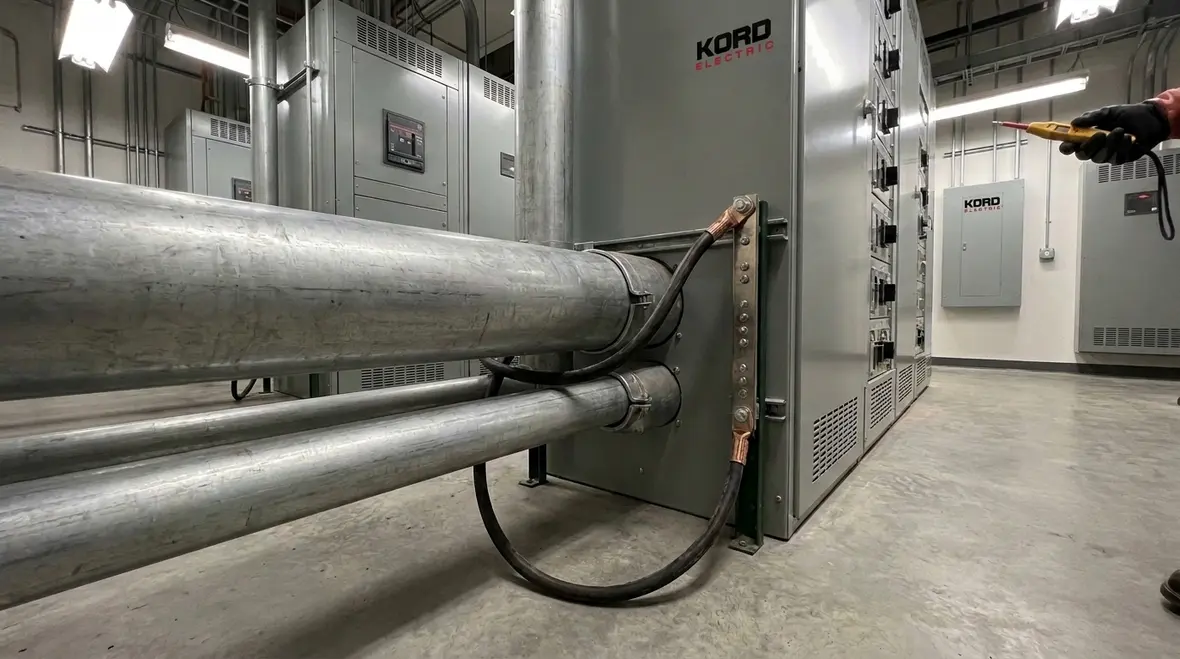
NEC Raceways to Drain 2 kV NFPA 70 268.53 Explained
At Kord Electric, we service commercial and industrial facilities and major property buildings, and that means we live in the practical world where electrical systems must behave the same way every time. Early in our planning, we look at how NEC raceways to drain 2 kV are handled at high voltage service entrances. In the first few pages of life, NFPA 70 Section 268.53 focuses on draining raceways so charge does not linger where it can surprise people later. And yes, that can feel like leaving your phone on the charger just long enough to power up again when you did not ask it to.
Because that is the theme: control what happens after the electrical event. Therefore, our technicians and expert service staff explain the rules, then translate the code into jobsite steps that crews can follow. In the sections that follow, we break down what 268.53 requires, why it exists, and how we implement it for the buildings we support.
NEC raceways to drain 2 kV: What NFPA 70 Section 268.53 means in plain terms
In plain language, NFPA 70 Section 268.53 exists so your high voltage service entrance does not behave like a mystery box after the main electrical event is over. Once energy moves through those conductors, parts of the system can keep holding charge, especially along enclosed paths like raceways. That leftover charge is where trouble starts, from surprise shocks to confusing test readings.
The code’s intent is simple: any raceway that is part of a high voltage service entrance must be installed so charge has a defined, reliable way to drain. Instead of hoping that it “finds its way out,” the design must give that energy a controlled path to settle. When we talk to facility teams, we describe it like this: the raceway should act more like a pressure relief path than a storage tank. Your system should calm down after an event, not keep simmering in the background.
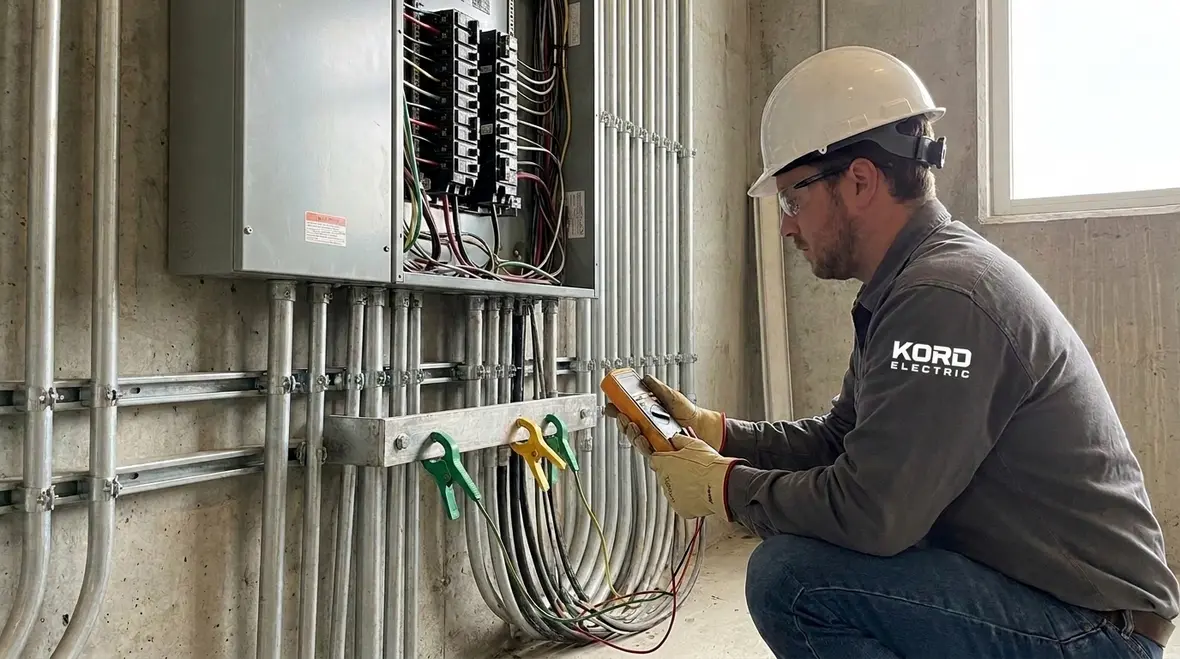
For our commercial and industrial clients, this is not a theoretical idea. It is a daily planning issue at the point where power first enters the building. That is where the voltages are higher, clearances are tighter, and everyone wants absolute clarity on what is live, what is bonded, and what is safely discharged. We treat Section 268.53 as one of the early checkpoints that shapes the rest of the design and construction sequence.
Because high voltage work sits at the intersection of engineering, code compliance, and real-world construction, we also connect this topic with broader NEC guidance. Resources like Kord Electric’s Understanding NFPA 70: The National Electrical Code Explained for 2026 help facility leaders see how individual rules, like 268.53, fit into the bigger safety and reliability picture.
What NFPA 70 Section 268.53 actually requires for high voltage entrances
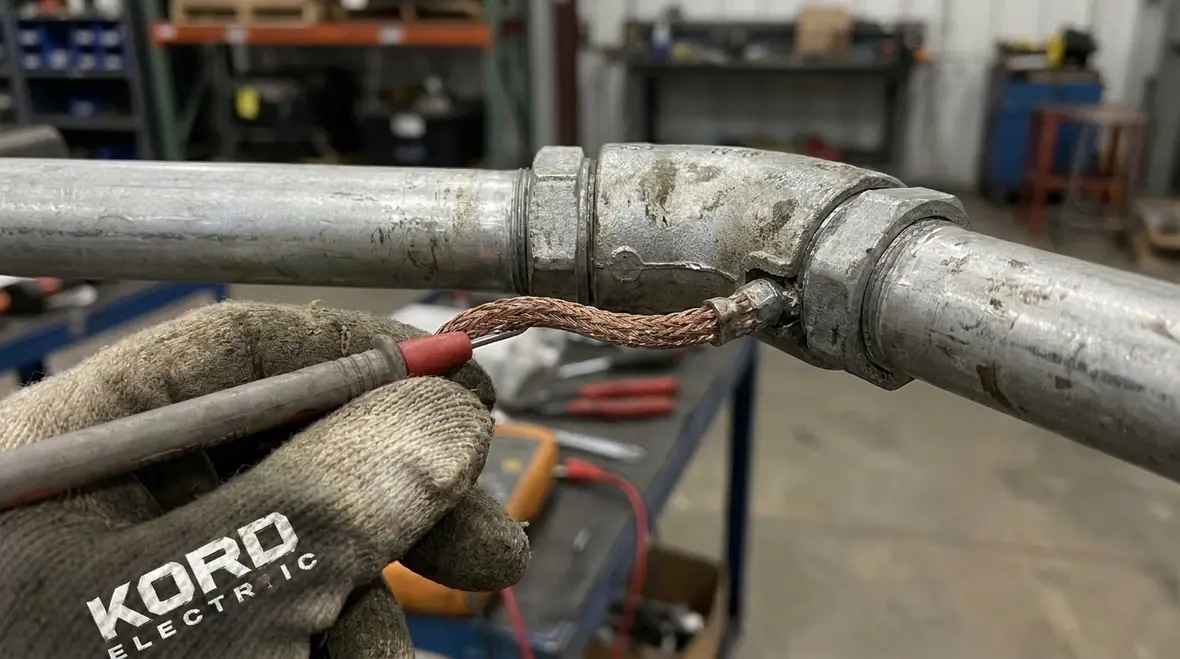
Section 268.53 targets a specific problem: when electrical energy is present at a service entrance, parts of the system can hold an electric charge. Over time, that charge can move to places you do not expect, especially along enclosed paths like raceways. NFPA 70 Section 268.53 requires design and installation methods that ensure those raceways can drain charge in a controlled way.
So, the goal is not to “remove electricity” in a dramatic way. Instead, it focuses on safe discharge. In other words, the system must provide a path that helps energy settle rather than accumulate. Additionally, this requirement supports safer maintenance and safer operation because the building staff and contractors do not have to guess what is still energized or potentially hazardous.
To make this real, we treat it like a process: we verify the route of the raceway, how conductors enter and exit, and how the high voltage source is handled. Then, we design or confirm the draining approach so it matches the actual configuration on site.
Because every facility has its own layout and constraints, we avoid “copy and paste” solutions. Instead, we look at whether NEC raceways to drain 2 kV are working with the rest of the system or fighting against it. That includes bonding jumpers, grounding electrode connections, and point of entry details that can turn a good drawing into a great field installation—or the other way around if nobody checks.
Why draining matters for NEC raceways and real jobsite safety
When we talk to property managers and electrical supervisors, we usually start with consequences. If charge does not drain as intended, it can create conditions that complicate troubleshooting, maintenance, and testing. Moreover, it can influence how equipment behaves during switching, faults, and abnormal operating moments.
Also, draining affects reliability. A building electrical system often gets checked on a schedule, but field work still happens on the fly. Therefore, we want the system to return to a safer baseline after every event. Think of it like a subway platform: you want clear signage and a predictable route. If the rails behave differently every night, everyone ends up sprinting in the dark. Nobody enjoys that plan.
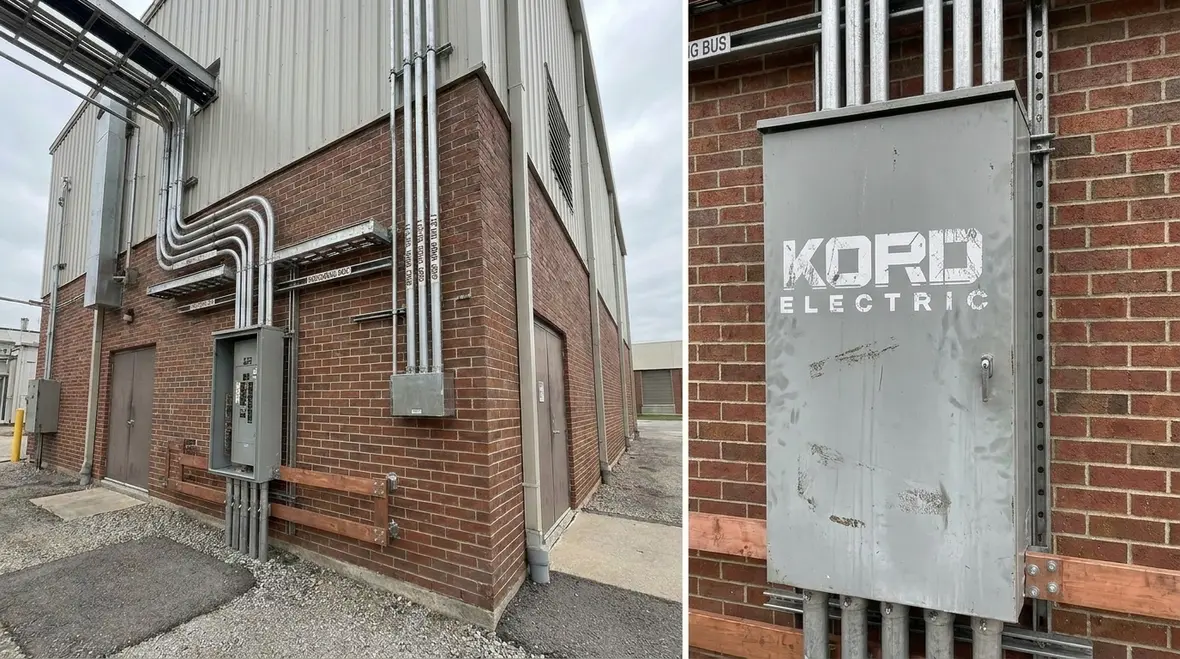
Our technicians, who regularly work in commercial and industrial environments, document the raceway layout and the connection points. Then, they confirm the draining method aligns with the high voltage entrance design. In the end, this reduces uncertainty for the next task on the schedule.
Because high voltage raceways operate inside a much larger NEC framework, we often connect conversations about draining to related topics like how to interpret overcurrent protection, grounding, and bonding requirements. For facility teams who want a deeper view, pieces like Kord Electric’s guide on How to Read NFPA 70: A Practical Guide to the National Electrical Code help turn code language into a practical roadmap instead of a confusing rulebook.
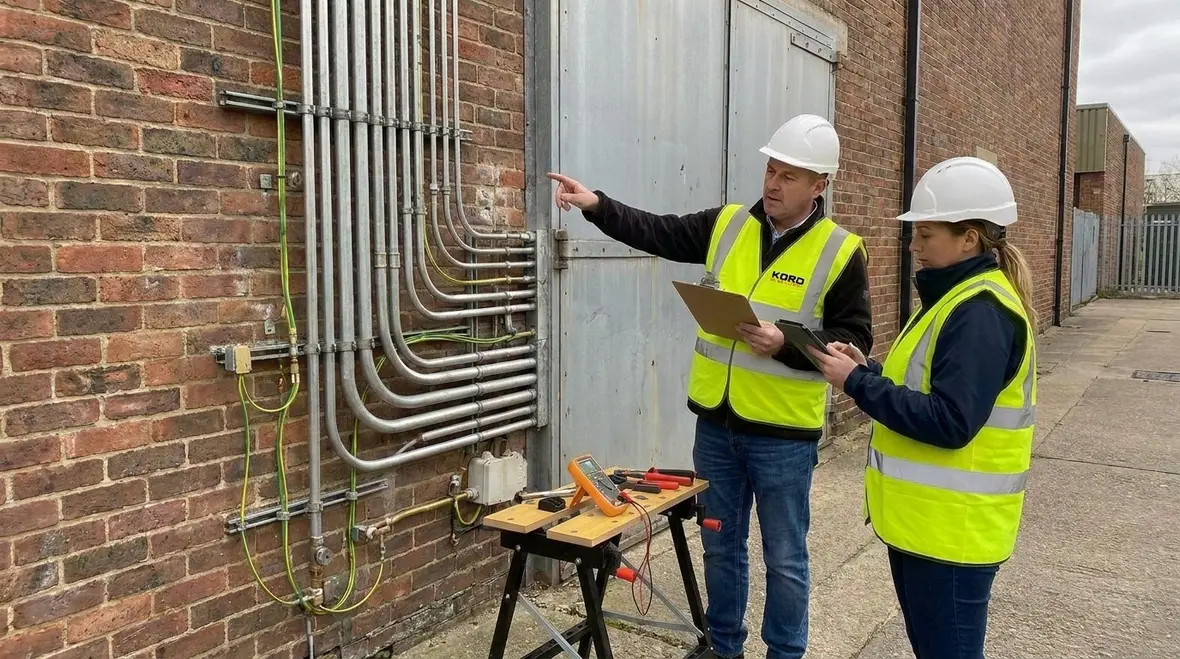
How we implement draining at service entrances for commercial and industrial sites
At Kord Electric, we do not treat code language like a poster on the wall. We implement it like a checklist that protects people and equipment. First, we review the one line diagram and the physical routing of raceways at the high voltage service entrance. Next, we identify where conductors enter, terminate, and transition to other equipment.
Then we focus on the draining path. In practice, this often involves confirming bonding, grounding, and the selection of components that provide a reliable discharge route. Because buildings vary, we match the draining concept to the actual installation method. Additionally, we verify clearances, sealing, and any provisions that affect how the raceway performs in normal and abnormal conditions.
Our expert service staff also coordinates with other trades where needed. After all, draining strategies do not live alone. They connect to how panels, transformers, switchgear, and metering equipment are installed and tested. So, we sequence the work to avoid rework and we verify the details before the final close up.
On larger projects, we combine this work with broader system planning. For example, when we are designing emergency power systems or data-driven distribution layouts, we make sure the same logic that protects uptime also supports safe discharge behavior at the service entrance. Articles like our deep dive on data-driven electrical design for commercial and industrial facilities show how that system mindset keeps all the details, including raceway draining, aligned instead of scattered.
Common installation mistakes we help facilities avoid
In commercial and industrial work, small errors can turn into big operational headaches. That is why we actively look for the mistakes that show up again and again. For example, one common issue involves incomplete bonding or grounding where the raceway system transitions at the high voltage service entrance. Another issue involves raceways that are routed in ways that block the expected draining path, even if the design looked fine on paper.
Also, crews sometimes assume that because a raceway is metal, it automatically drains charge in all conditions. That assumption can be costly. Furthermore, changes during construction can create unplanned junctions or altered routing, which can undermine the original draining intent.
We reduce these problems by doing three things. First, we verify the raceway route and all entry and exit points. Second, we confirm that the draining strategy still works after field conditions and schedule changes. Third, we document what was verified so the next inspection or maintenance visit has a clear story to follow.
And if you are wondering whether this is like finding a hidden plot twist in a movie, yes. But unlike a mystery thriller, you want the ending to be safety, not suspense. That is why we align 268.53 planning with other code-aware efforts like preventive maintenance, load planning, and backup power design. The fewer surprises your system holds, the easier it is for your team to keep operations steady.
Coordinating with standards, inspections, and other systems
NFPA 70 runs alongside other requirements that facilities must follow, including inspection expectations and labeling practices. Therefore, we help teams coordinate electrical work so the documentation matches the installed system. When the inspection day arrives, we want there to be no “surprise walkbacks.”
For property buildings, especially those with shared infrastructure, we also coordinate the electrical work with the site’s operational needs. That can include limited downtime windows, critical load considerations, and access constraints in active facilities. Consequently, we plan the work so the draining provisions remain intact during the entire installation phase, not just after final energization.
Additionally, we align our approach with the broader NEC framework described in resources like Kord Electric’s NEC explainer for the 2026 update and similar guidance on NEC fundamentals. We also reference local and related fire and electrical perspectives from KordFire channels, since facilities often treat electrical and fire safety as a connected system. When those viewpoints work together, the entire building stays more predictable under stress. Even fire pumps and related emergency systems benefit from coordinated design logic, and organizations that track fire industry practices stress the value of integration.
For facility leaders who want to see how all of this connects to high-level planning, our blog on what NFPA 70 is and how it shapes commercial electrical systems offers a practical overview. It complements the more detailed work we do around focused topics like NEC raceways to drain 2 kV at high voltage entrances.
How NEC raceways to drain 2 kV fit into broader system reliability
From a reliability standpoint, draining raceways at 2 kV and similar voltages is one piece of a much larger puzzle. Your facility cares about uptime, predictable behavior during faults, and clear recovery after disturbances. When NEC raceways to drain 2 kV are designed and installed correctly, they support that bigger reliability story instead of quietly working against it.
For instance, emergency power systems, data center feeds, and critical process lines all depend on stable behavior at the service entrance. If trapped charge or unclear bonding creates confusing voltage conditions, every downstream protective device has a harder job. By contrast, when draining paths are deliberate, your test readings make sense, your switching operations behave as expected, and your maintenance team can trust what their meters tell them.
We also pay attention to how NEC raceways to drain 2 kV interact with grounding grids, building steel, and other conductive infrastructure. The goal is not only to meet the language of NFPA 70 Section 268.53, but to make sure the building’s entire electrical environment “resets” in a predictable way after load changes, faults, or switching events. That system-level discipline is one of the reasons our clients use Kord Electric for both new installations and ongoing upgrades.
Just like our planning for data center redundancy or industrial lighting efficiency, we take the same evidence-based approach to high voltage entrances. When we plan how NEC raceways to drain 2 kV should behave, we back that plan up with drawings, field checks, and documentation instead of assumptions. It is dry work on paper, but it pays off the first time your team needs to perform maintenance or respond to an unexpected event.
FAQ
Ready for a code-minded electrical service team
If your facility has a high voltage service entrance, Kord Electric helps you verify draining raceways with the care the job deserves. Our technicians and expert service staff explain the requirements, then execute practical, jobsite steps that support safe operation in commercial and industrial environments. We document what we check, coordinate with the rest of your electrical systems, and help you avoid the “paper compliance” trap.
For organizations planning wider upgrades, we also tie NEC raceways to drain 2 kV into broader initiatives like emergency power planning, panel upgrades, and data center reliability. That way, your investment in code compliance also supports uptime, easier maintenance, and clearer documentation. If you are operating in Southern California, you can explore our dedicated Los Angeles County electrical services for commercial and industrial facilities to see how our field experience translates into safer, more predictable power systems across your buildings.
Contact Kord Electric today to schedule an electrical compliance review and get a clear plan for what comes next. Whether you are reviewing an existing service entrance or planning a new installation, our team will help you interpret NFPA 70 Section 268.53 in practical terms and implement draining strategies that protect people, equipment, and operations.


