
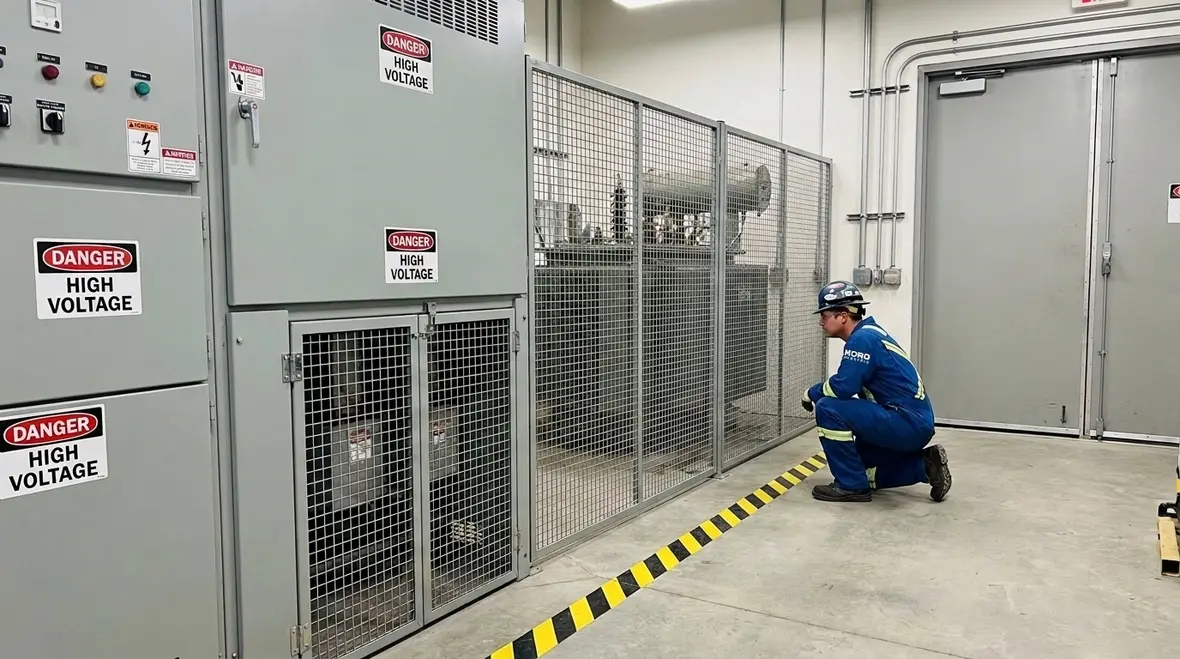
NFPA 70 Section 268.62 Enclosed Guarded High Voltage Service
At Kord Electric, we see the real world every day: facilities with bus bars humming, transformers doing their quiet work, and people who just want things to stay safe and reliable. That is why we pay close attention to NFPA 70 Section 268.62 and the rules for Enclosed or Guarded High Voltage Service Equipment, especially when NEC service equipment guarded 2 kV shows up in the project notes. In this article, we explain what that requirement really means in plain terms, how our technicians and expert service staff interpret it on site, and what facility teams should expect during planning, installation, and inspections. And yes, we will keep it professional, but we will not pretend electrical safety is exciting like a blockbuster. Safety is better than a blockbuster, though, because it does not end with anyone in a hospital gown.
Why NFPA 70 Section 268.62 matters for industrial service areas
Most commercial and industrial buildings rely on medium and high voltage service gear that feeds panels, switchboards, and distribution systems. However, once voltage rises, the risk also rises. Section 268.62 addresses that reality by requiring that certain high voltage service equipment must be enclosed or guarded to limit access and reduce the chance of accidental contact.
In practical terms, we help property teams understand that these rules are not “extra paperwork.” They act like the guardrails on a highway. You may still drive fast, but you do not want to test whether physics cares about your confidence.
When we review a design, our team asks a simple question: where could a person reach energized parts, and how does the building layout influence that exposure? Then we map the enclosure or guarding requirements to the actual service room, yard, and service path. This is where our technicians earn their keep. They do not just read standards. They walk the space, note clearances, check doors and access points, and confirm that the physical protection matches the electrical plan.
For facility teams who want to zoom out and connect these enclosure and guarding rules to the broader National Electrical Code, resources like Understanding NFPA 70: The National Electrical Code Explained for 2026 help show how Section 268.62 fits into the overall NEC structure and safety intent for commercial and industrial buildings.
What “enclosed or guarded” means in the field
NFPA 70 Section 268.62 uses two main approaches: enclosures and guards. Enclosures physically block direct contact with energized parts. Guards reduce the likelihood of approach or contact by installing barriers around accessible energized components.
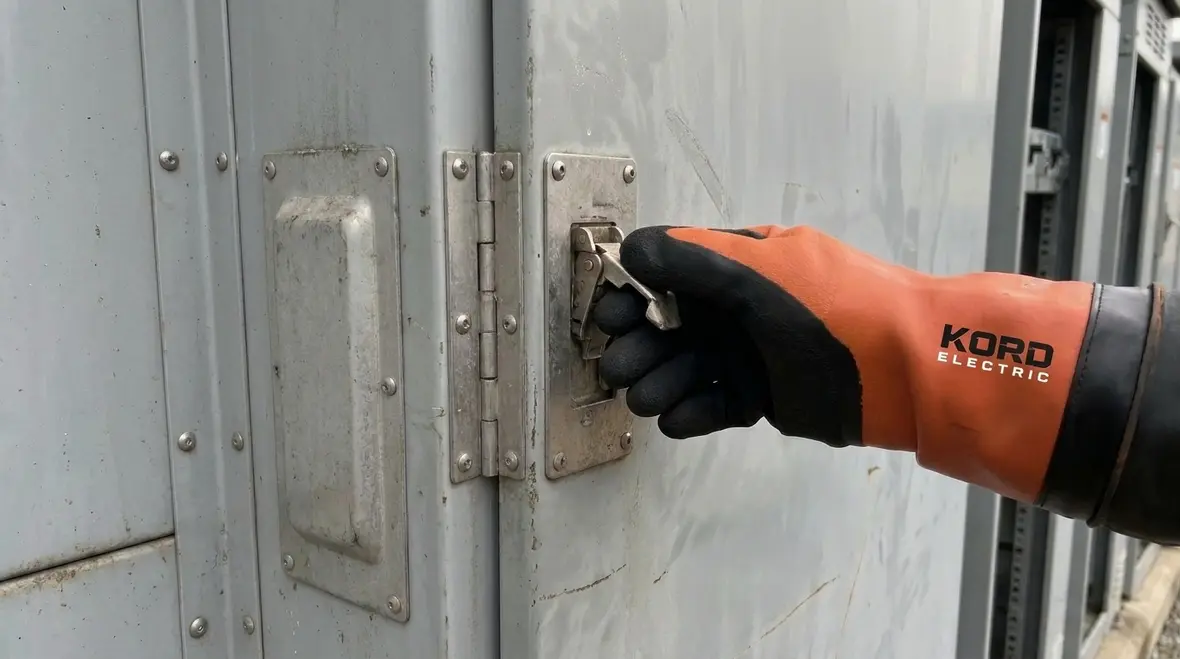
Yet a common misconception shows up in many facility discussions. People assume that a cabinet door equals protection, even when the equipment inside still presents a hazard if someone opens, reaches, or bypasses that barrier. So, we emphasize the difference between “there is a box” and “the box performs as a barrier under the NEC intent.” Our expert service staff explains this with on site examples for major property buildings, including how latching, door hardware, and access control affect real safety outcomes.
Additionally, we consider operational access. Equipment areas often include routine tasks like inspection, cleaning, and testing. Therefore, we design the guarding strategy so authorized staff can work safely without opening a path to energized conductors. In other words, the protection stays in place during day to day business, not just during the first inspection photo.
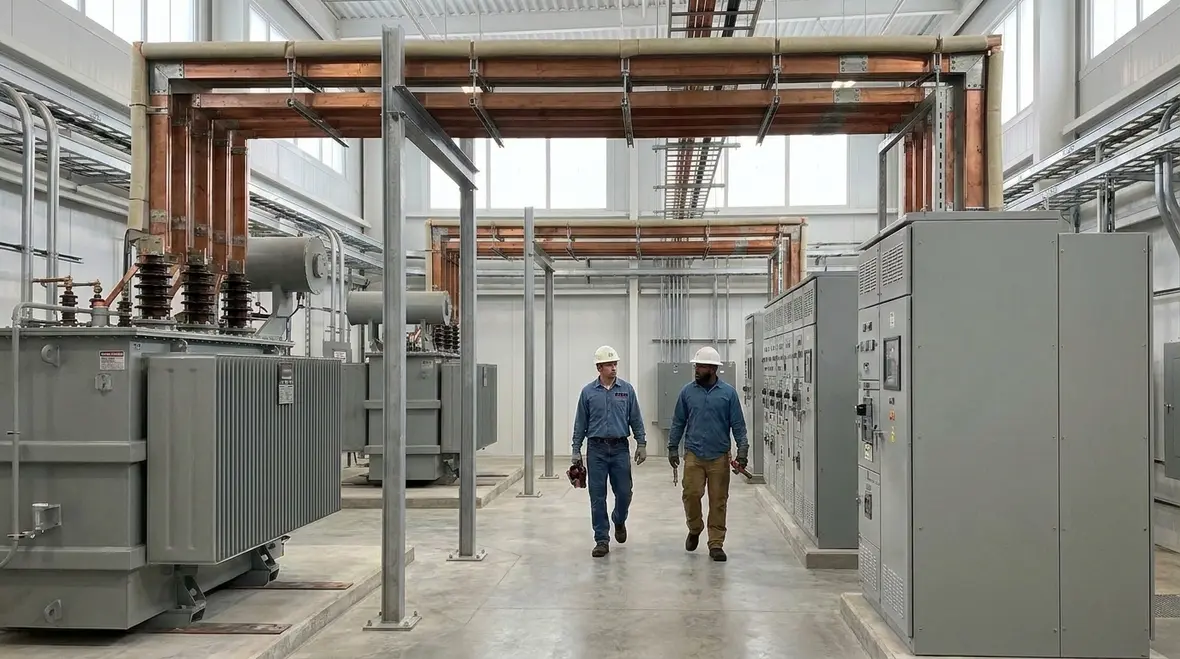
Our team also bridges the gap between code language and workplace reality by linking guarding strategies to broader NEC guarding guidance. For example, the same mindset that drives Section 268.62 shows up in other Kord Electric resources, such as our discussions of NEC work space guarding rules for safe electrical work, where boundaries and access control keep people away from energized parts unless they are trained and properly protected.
NEC service equipment guarded 2 kV: what teams should verify
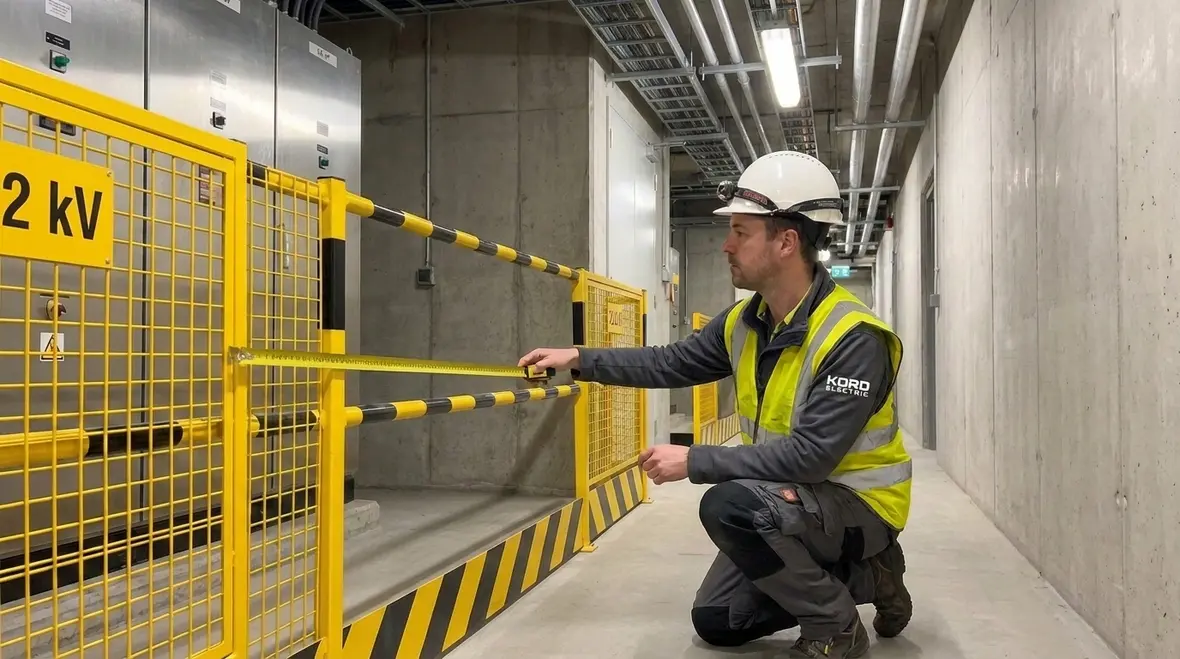
When project documents call for NEC service equipment guarded 2 kV, teams should confirm that the protection approach matches the service voltage level and the accessible environment. While the exact application depends on the equipment type and installation details, the key point remains: equipment at these levels must have physical barriers designed for safety.
At Kord Electric, we guide commercial and industrial clients through practical verification steps that reduce surprises during commissioning and inspection. First, we confirm the equipment boundaries, including any locations where unqualified personnel could enter. Next, we check whether the equipment is in a dedicated service area, how doors open, and what happens when doors remain closed versus open during approved maintenance.
Then, we assess the guarding effectiveness. For example, if guards exist, we check whether they prevent reaching into hazardous zones. If enclosures exist, we examine whether they remain intact under normal wear, and whether the design prevents accidental contact while someone performs routine tasks. Finally, we validate markings and access procedures so facility staff know where boundaries are and how to work safely.
Sometimes, the facility team asks for a quick shortcut. We usually respond with a calm, professional laugh. The shortcut is called “do it right the first time.” It costs less than emergency callouts, and it does not turn electrical safety into a punchline.
For leaders planning long term upgrades, pairing this voltage specific guarding work with a broader NEC planning lens, such as the guidance in Kord Electric’s 2026 focused articles on scope and branch circuits, helps make sure the phrase “NEC service equipment guarded 2 kV” is more than a line in a spec. It becomes a well documented, field verified safety commitment.
How access, space, and clearances affect compliance
Guarding and enclosure requirements do not live in isolation. They interact with the room layout, mounting height, working clearances, and the likelihood that people will approach energized parts during normal operations.
For major property buildings, we often see service equipment installed near walkways, loading areas, or utility corridors. That proximity can look harmless until you consider how people actually move through the space. A cart, a ladder, a storage bin, or even a temporary barrier can change the risk picture. Therefore, our technicians document access routes and confirm that guarding remains effective after typical facility usage.
We also pay attention to the “time between inspections.” Equipment areas can change over years, with new racks, updated signage, and altered maintenance patterns. As a result, we encourage property teams to treat guarding and enclosure elements like life safety systems. They should be inspected, maintained, and updated when the space changes.
To support facility leaders, we also help them plan maintenance workflows. For example, if staff need periodic access to equipment, we align access control steps with safe operation, rather than relying on improvised habits. That is how we keep safety steady, even when schedules get busy and someone is trying to beat the clock.
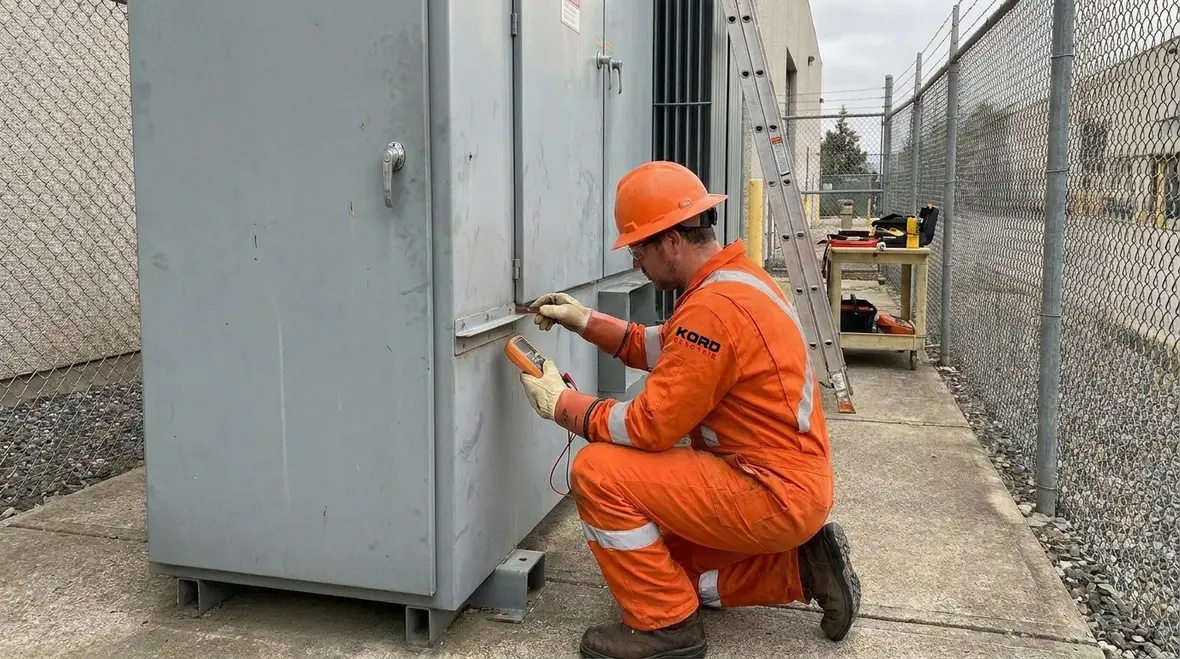
These space and access decisions also connect to the wider NEC view of working clearances and guarding rules, the same mindset that appears in Kord Electric’s coverage of work space guarding and general requirements for electrical safety. When we align service equipment guarding, room layout, and access policies under a single code aware plan, compliance becomes much more durable.
Coordination with design drawings, inspections, and commissioning
Standards compliance works best when the electrical design, physical protection plan, and commissioning steps all point in the same direction. That is why we coordinate closely with engineering teams and facility managers during preconstruction planning.
Our expert service staff uses a methodical checklist to connect NFPA 70 Section 268.62 intent to what the drawings show. We verify details like equipment location, enclosure type, guard configuration, door arrangements, and any access points. Then we compare that to site conditions so the final install reflects the plan, not the guess.
During commissioning, we confirm that the equipment room behaves like a protected zone, with no unintentional openings or bypass paths. We also support facility teams with documentation and explanations. People forget that commissioning is not only about “turn it on.” It is about proving that installed safety features work as intended and remain intact for ongoing operation.
Meanwhile, we keep the mood grounded. Safety meetings can become dramatic, like a sports pregame where everyone talks louder and forgets the playbook. We keep it clear and practical. If a detail needs adjustment, we explain why, then we show what correct looks like.
For facilities in Southern California that want this same calm, code aligned approach from planning through commissioning, the Los Angeles County electrical services team at Kord Electric helps integrate NEC driven guarding, enclosure, and verification practices into real world project timelines.
Ongoing maintenance: how we keep guarding effective over time
Electrical safety is not a one time event. Even when equipment meets code at installation, guarding and enclosures can degrade due to impacts, replacements, missing fasteners, or changes in how the room gets used.
So we build maintenance guidance around real facility behavior. Our technicians check that enclosures remain secure, guards stay in place, and access control steps still match operations. We also train facility staff on what they should report immediately, such as damaged panels, misaligned barriers, broken latches, or any condition that could allow contact with energized parts.
For commercial and industrial facilities, we focus on preventing small issues from becoming big ones. A loose door handle today becomes a risky access point later. And yes, that is as annoying as losing a screw in a machine room and finding it months later. The difference is that the electrical hazard does not wait for you to feel organized.
We also recommend periodic review when renovations occur. If a storage rack enters the service room, if traffic patterns shift, or if maintenance routines change, the risk can change too. Our team helps property leaders revisit guarding strategy so the NEC service equipment guarded 2 kV protection stays meaningful.
Quick FAQ for facility managers
Call Kord Electric for code aligned protection
When your facility uses high voltage service areas, we recommend you treat enclosure and guarding like a core safety system, not a checkbox. Kord Electric supports commercial and industrial property teams with expert service staff who review plans, confirm field conditions, and explain compliance in clear language. If you want a calm path through NFPA 70 requirements, including how NEC service equipment guarded 2 kV protection should work, contact us. We will show you what meets the standard, what needs correction, and how to keep it safe long after commissioning.
If your team wants to connect these service equipment details to the broader NEC roadmap for 2026, you can also review Kord Electric’s dedicated resources on reading NFPA 70, understanding scope, and planning code aligned upgrades, then bring those insights back to your own electrical rooms, yards, and high voltage service corridors.


