
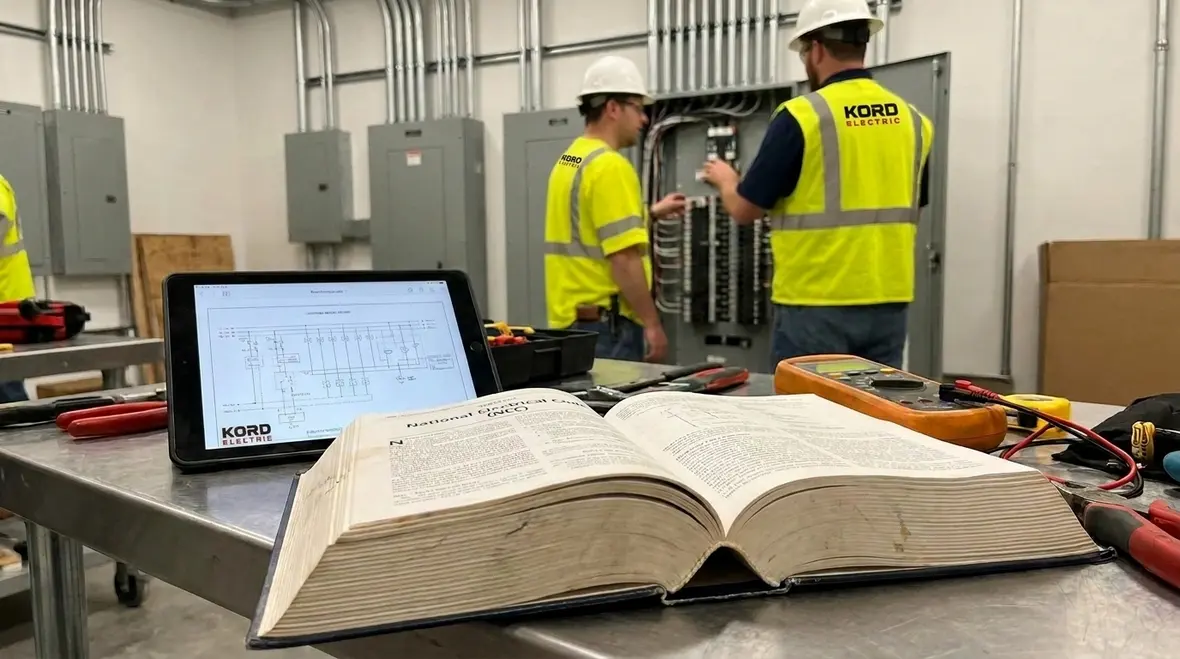
NFPA 70 Section 90.3 NEC Organization Explained
NFPA 70 Section 90.3 and the NEC Organization, Explained for Commercial and Industrial Sites
In the real world, electricians do not start with memorizing rules. Instead, they follow a clear structure. That structure starts with NFPA 70 Section 90.3, which explains how the National Electrical Code is organized and how the NEC is meant to work for safety and clarity. At Kord Electric, we use these NEC code arrangement structure basics to help facility teams, our clients, and even curious site managers understand where to look, how to verify compliance, and what order makes sense when the job gets busy.
Our expert service staff, and our technicians in the field, explain it in plain language. So yes, we will talk about “organization,” but we will also connect it to real commercial and industrial decisions, like panel schedules, circuit labeling, and how crews plan their work. Because if the NEC felt like a mystery novel written by a committee, we would still help you find the chapter. Even then, the plot twist is always the same: the code is not random. It is built to be used.
How Section 90.3 Frames the Rules and Their Boundaries
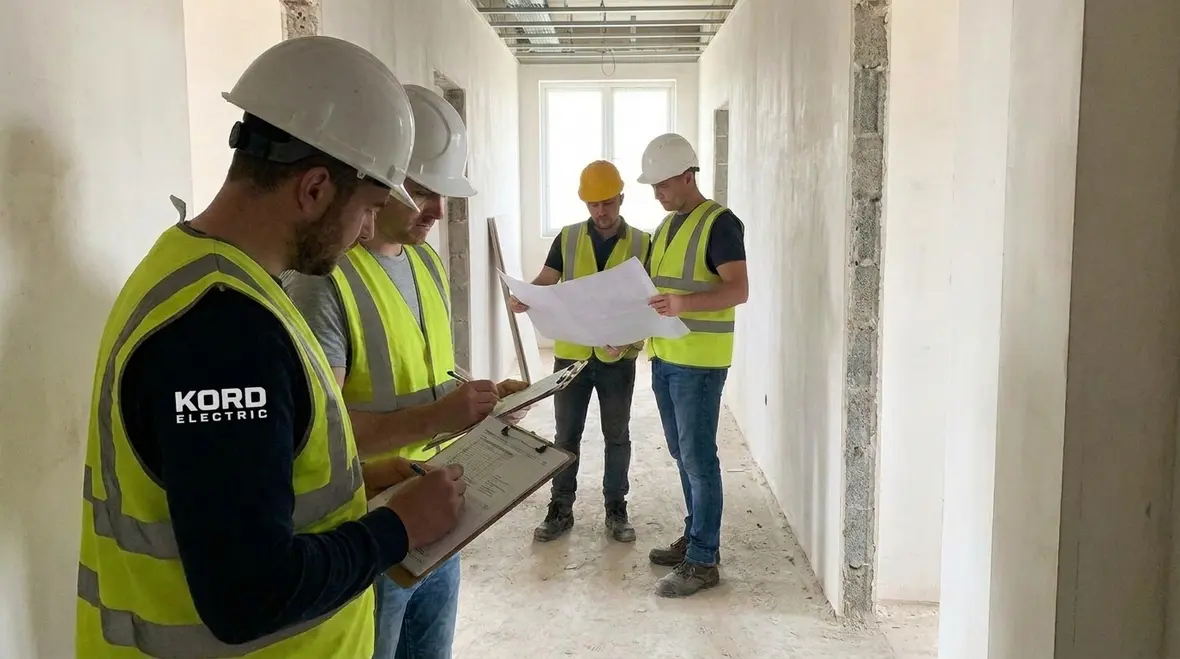
NFPA 70 Section 90.3 sets the stage for how the NEC should be interpreted. It tells users that the Code provides requirements for practical safeguarding of people and property from hazards caused by electrical conductors, equipment, and systems. However, it also clarifies that the NEC does not cover every single scenario. So while a facility team may want a single rule to solve every problem, Section 90.3 points you back to the Code’s purpose and scope.
When our team supports commercial and industrial facilities, we treat this as a workflow guide. First, we confirm the installation falls under the NEC’s intended use. Next, we identify the right articles and sections for the equipment and wiring method in the field. Then, we verify the details that matter, such as conductor ampacity rules, equipment ratings, and installation practices. In other words, we do not “guess” the Code. We navigate it.
And because electrical work has a sense of humor that nobody asked for, the “best” rule is often the one you can actually find quickly. Section 90.3 helps you do that.
NEC Layout, Articles, and What You Look Up First
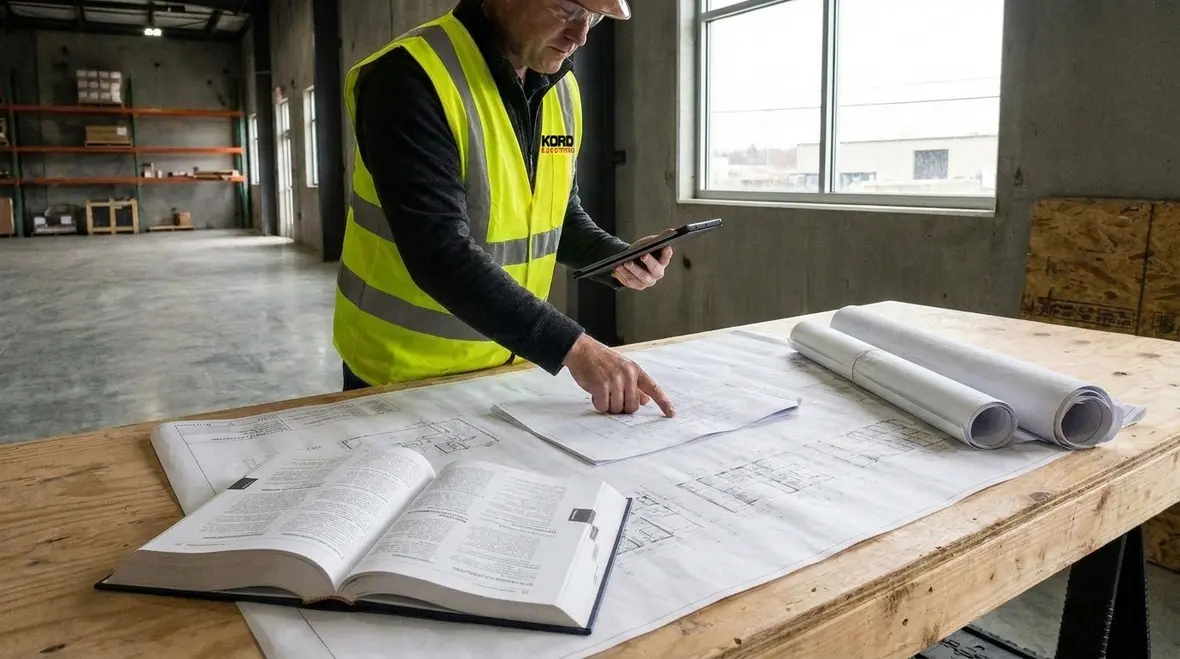
The NEC uses an organized arrangement of chapters and articles so that designers, contractors, inspectors, and facility electrical teams can locate requirements without chaos. A building plan does not change just because someone wants to read the Code in a different order. So our process starts with mapping the site needs to the NEC organization.
Here is the practical way we approach it at Kord Electric for major property buildings and industrial campuses. First, we identify the system category, such as branch circuits, feeders, or specific occupancy related rules. Then we move to the article level that matches the work. After that, we apply installation requirements that govern the method, location, and equipment type.
Our technicians and expert service staff explain this to others using a simple idea: think of the NEC like a filing system. If you place items in the right folders, you stop wasting time and reduce errors. And when you build schedules, label circuits, and coordinate with life safety equipment, those “time savings” turn into real safety wins.
For teams who want a deeper, parallel walkthrough of how the rulebook works in practice, we often point them toward our code explainer resources such as Understanding NFPA 70: The National Electrical Code Explained for 2026 and related NFPA 70 overviews at our fire protection partner site. These articles complement the NEC code arrangement structure basics you see on real projects and help connect organization charts to field conditions.
Why the NEC Uses Multiple Scales of Detail
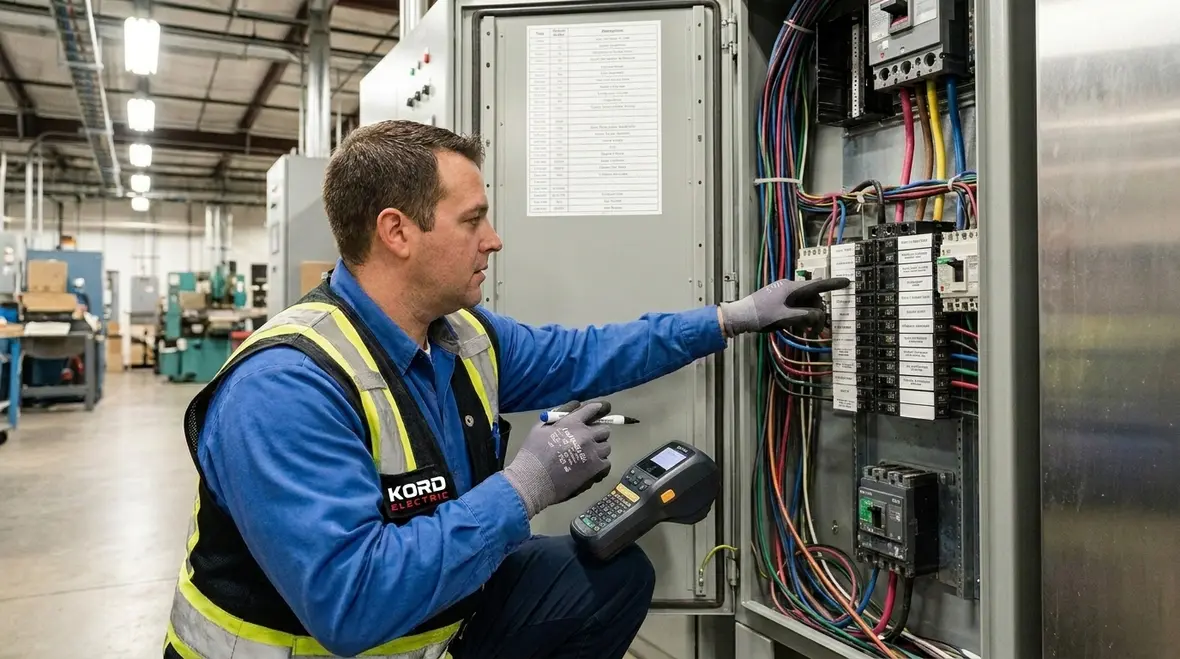
One reason the NEC can feel dense is that it balances different levels of detail. Some requirements address general installation practices. Others focus on specific equipment, wiring methods, or conditions like wet locations or heat buildup. Therefore, the Code does not ask you to treat everything the same. It asks you to match the requirement to the situation.
For commercial and industrial facilities, that matters because real systems often include more moving parts than a typical office tenant fit out. We may see different power systems, multiple levels of distribution, and specialized loads that behave differently. So our team relies on the NEC organization to avoid the classic mistake: applying a rule that fits a different system type.
In the field, we use a check based approach. First, we confirm the equipment and the wiring method. Next, we validate the conditions where it gets installed. Then we verify the rule language that governs that exact setup. Finally, we document the compliance path so facility staff can maintain it over time. That last step sounds boring, but it prevents the “mystery modifications” that show up six months later and then ruin everyone’s day.
Applying the Code Organization to Real Commercial and Industrial Work

When teams install or upgrade electrical systems, they usually do one of three things: extend existing distribution, replace aging equipment, or add capacity. Each scenario demands careful navigation through the NEC. If you skip steps because “it looks similar,” you create an avoidable risk.
At Kord Electric, we help facility owners and general contractors by translating the NEC arrangement into jobsite decisions. For example, when we review a distribution upgrade, we first determine what parts of the system fall under which NEC article categories. Then we confirm conductor requirements, overcurrent protection coordination expectations, and installation rules for the wiring method. After that, we coordinate with other building systems where electrical interfaces matter.
Our approach also supports ongoing operations. A major property building does not just need a safe install on day one. It needs a system that can be inspected, repaired, and modified without starting from scratch. That is where our technician experience and expert service staff communication help. We explain what the code requires and how to keep the system compliant during maintenance and future additions.
Because electrical safety and fire protection go hand in hand, we also reference NEC focused fire protection guidance from our partner team at Kord Fire’s NFPA 70: All About The National Electrical Code (NEC) when projects connect distribution gear to fire pumps, alarms, and life safety systems. That coordination keeps protection strategies aligned across both electrical and fire code expectations.
Common Misreads When People Ignore NFPA 70 Section 90.3
Misreads usually happen when people treat the NEC like a single list of facts instead of an organized set of requirements. Yet Section 90.3 reminds us that the NEC aims for practical safeguarding and that its boundaries matter. When teams ignore this, they often jump to conclusions that feel right but do not match the intended scope.
For example, some teams look for a rule that matches the general topic but forget to check whether the installation conditions and system type align. Others overlook that the Code has a logical order for a reason. When crews cannot locate requirements efficiently, they fill gaps with assumptions. And assumptions are like movie sequels: sometimes they work, but usually they leave you wishing the original was still playing.
Our experts help prevent these errors by using the NEC organization to confirm that each rule applies to the installation before it gets treated as truth. That method reduces rework and helps support smoother inspection outcomes for commercial and industrial facilities.
Best Practices for Staying Aligned From Design Through Inspections
Even with strong planning, electrical projects can drift if teams lose track of how requirements connect. So we stay disciplined from design through inspection. First, we identify the correct NEC articles for the equipment and wiring methods in the scope. Then we check the installation conditions described for the site. Next, we verify labeling, conductor sizing logic, and protection details based on what the NEC requires for that setup.
Then we bring our experience to the coordination phase. Major property buildings often involve multiple contractors and ongoing tenant activities. So we plan routes, access requirements, and installation timing to reduce conflict and keep systems safe while work progresses. When questions come up, our technician team and expert service staff provide clear answers based on code logic rather than guesswork.
For additional context on code background and how teams interpret NEC content, some clients refer to resources like Kord Fire and code explainer pages hosted at kordfire.com, along with local guidance. We also stay current with published NEC related updates that our partners share, including content hosted at kordfire.com.au and firepumps.org when relevant to fire pump and life safety interfaces. We do this so our commercial and industrial clients do not just get an answer, they get the reasoning behind it.
On more complex projects, we often pair this NEC organization mindset with broader planning articles such as our guide on building electrical system design for commercial facilities or our walkthrough on how to read NFPA 70 step by step. That way, design, installation, and inspection all follow the same structure, instead of each team inventing their own rulebook.
FAQ: NEC Organization and Section 90.3
Ready to strengthen compliance planning with Kord Electric
If your commercial or industrial facility needs electrical upgrades, inspections support, or clearer code driven planning, Kord Electric helps you move with confidence. We use NEC organization principles so your team can find the right requirements faster, reduce rework, and keep systems safer over the long run. Our technicians and expert service staff explain what the Code says and why it applies to your specific scope. Contact Kord Electric to review your project and build a compliance path that does not rely on guesses.
When you are ready to roll those NEC code arrangement structure basics into a real project, our Los Angeles County electrical services team supports everything from infrastructure assessments and distribution upgrades to coordination with fire protection systems and inspection walkthroughs. We align design, installation, and maintenance so the system your team operates every day still reflects the intent of NFPA 70 years after the project closes out.
For facility leaders who want to keep learning in parallel with active work, pairing this article with how‑to resources on reading NFPA 70 and understanding the latest NEC cycle gives you a bigger picture. The goal is the same in every case: turn a dense rulebook into a clear, workable roadmap that protects people, property, and operations without slowing your schedule to a crawl.


