
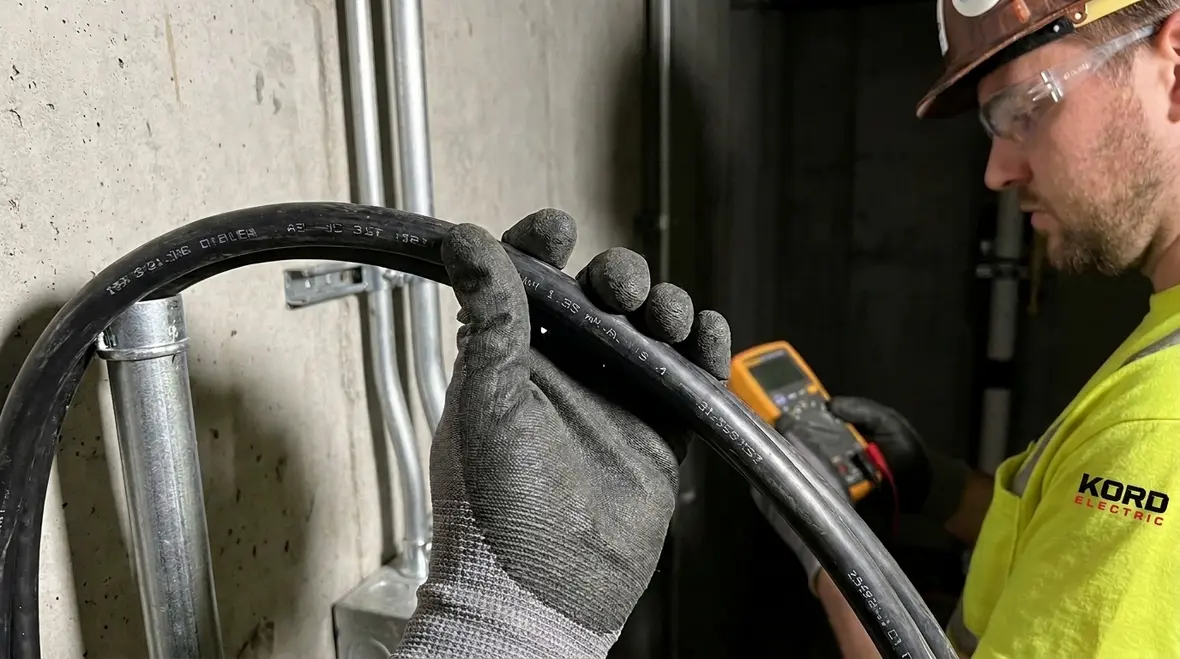
NEC USE Cable Insulation and NFPA 70 326.112 Explained
Kord Electric serves commercial and industrial facilities, and we treat code compliance like a seatbelt: not glamorous, but it keeps people safe when everything else gets loud. In this guide, we focus on NEC USE cable insulation and what NFPA 70 Section 326.112 expects. We explain the rule in plain language, then we translate it into real jobsite steps our technicians use every day. After all, the National Electrical Code already speaks clearly. The only problem is that most people read it like it is written for robots. We do it so your team does not have to.
Why Section 326.112 matters for commercial electrical systems
Third person writers might say “it matters,” but we say it matters because the insulation on conductors controls what the cable can safely do when heat, moisture, and installation stress show up. Section 326.112 addresses insulation requirements for USE cable, which gets installed in ways that can differ from standard building wiring.
To put it simply, the insulation is the first line of defense. It helps resist damage during normal use and during the kind of conditions that happen on real projects: cramped raceways, tight conduit runs, and the occasional contractor decision that makes everyone sigh. Yet, when the insulation meets code needs, the system performs the way it should.
Also, because our clients run offices, warehouses, data centers, campuses, and major property buildings, they need predictable performance. Consequently, we help teams plan for cable selection and inspection readiness, not just cable “installation.”
What the NEC expects for USE cable insulation
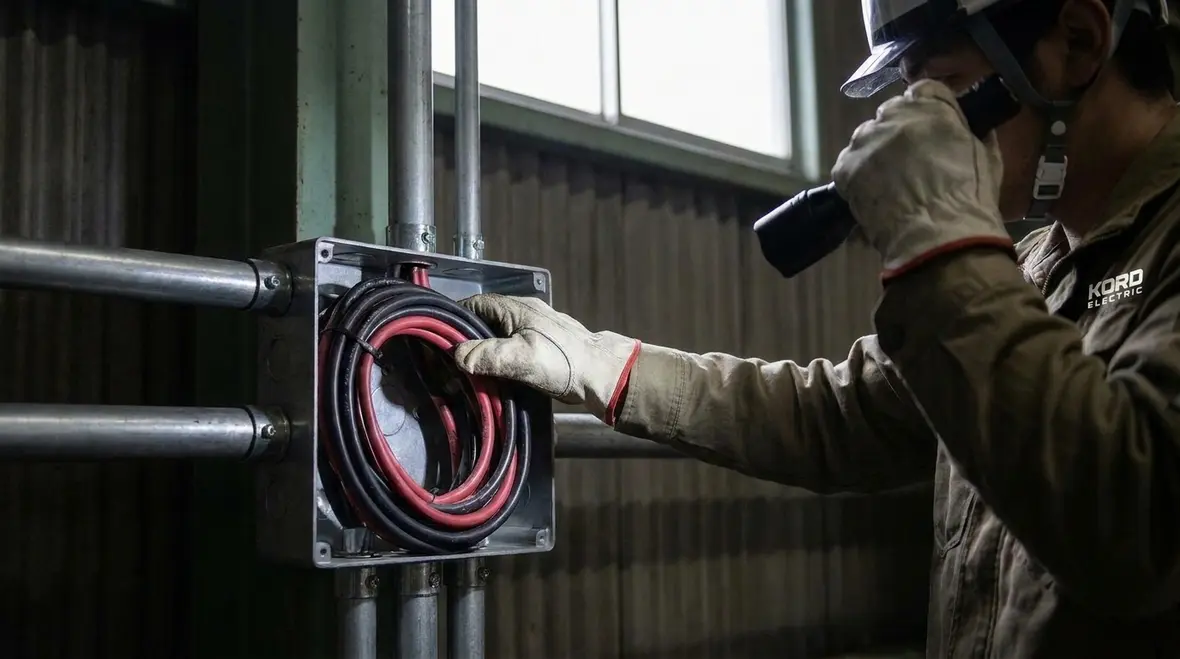
NFPA 70 Section 326.112 focuses on what insulation types and insulation characteristics are allowed for USE cable. In practice, we treat the insulation requirement as a match problem. The cable must be the right type for the use case, and the insulation must meet the standards that Section 326.112 calls for.
When our expert service staff explains this on site, we break it down into three points. First, we confirm the cable is identified correctly on the product label. Second, we verify that the insulation rating fits the environment and the installation method. Third, we document the results so inspection teams see the same story we see.
Transition wise, this approach prevents the most common failure pattern: the cable gets pulled, the system gets energized, and only later someone wonders if the insulation type truly matches the code intent. That is like ordering a pizza and then arguing with the oven. It can work, but it will be stressful.
How we verify insulation compliance during planning and install
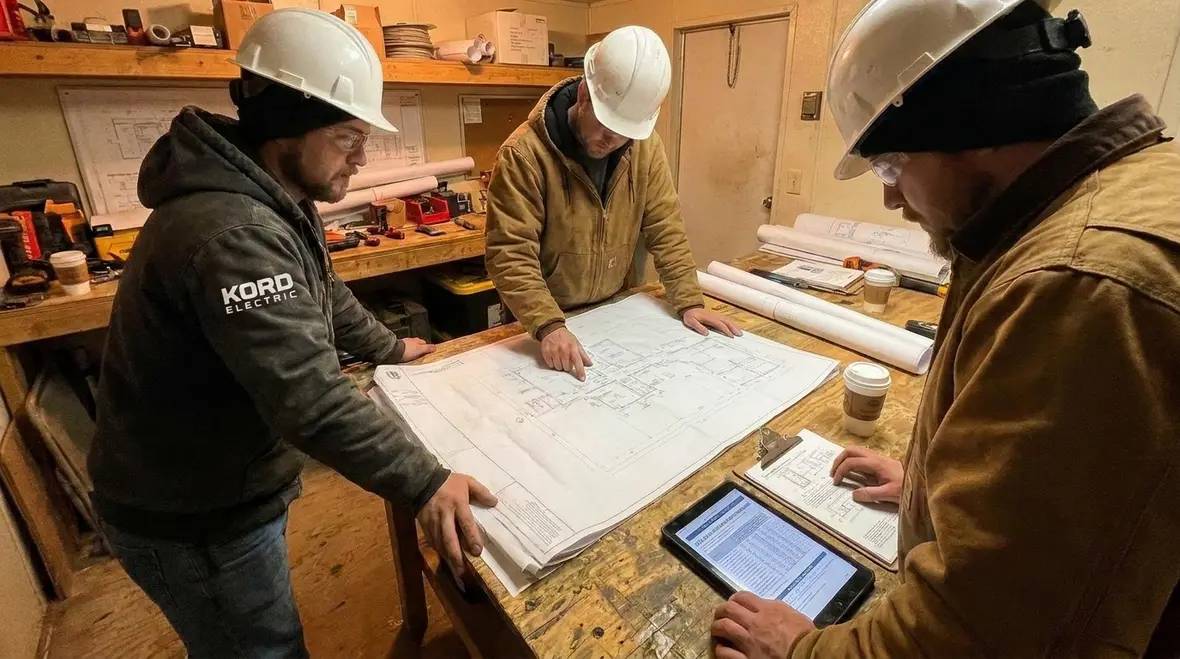
Commercial and industrial projects move fast, and crews need clarity. Therefore, we built a practical verification routine aligned with NFPA 70 requirements, including the insulation needs tied to NEC USE cable insulation.
Our technicians start with the plan set and the scope. Then we cross check:
- Conductor and cable type selections against the project spec and code requirements
- Insulation markings and ratings on the cable jacket and paperwork
- Installation conditions such as temperature exposure, physical protection, and routing
- Termination and connection methods that avoid unnecessary insulation stress
Next, we stage work so you do not end up with a last minute replacement. In many cases, we review cable runs before the pull. As a result, we can prevent pinching, abrasion, or bending that can harm the insulation before it ever reaches its final location.
Finally, we coordinate with stakeholders. We explain the “why” behind the steps, so operations teams and facility managers understand what we do and why we document it. We do not just hand over a checklist. We help people connect code requirements to safe outcomes.
Where insulation failures usually start on big jobs
It is rarely one dramatic event. Instead, insulation problems often begin with small mismatches and then snowball. For example, insulation can degrade when cable is exposed to heat beyond its intended rating, when it is pulled through rough edges, or when the cable experiences repeat stress from movement or vibration.
In addition, facilities teams sometimes assume all cables “look the same.” Yet, insulation is not just a cover. It is the protective layer that must stay intact through the full life of the system. Therefore, we encourage clients to treat cable handling like a controlled process.
We also remind project teams that code compliance does not stop at the material choice. It continues through installation practice, inspection readiness, and proper termination. If you want a pop culture analogy, think of insulation like the plot armor in an action movie. If it breaks early, the whole story gets messy fast.
Practical guidance for facility managers and project teams
Facilities managers need answers that help them schedule inspections, reduce downtime, and control risk. Project managers need answers that keep procurement and install work aligned. Both groups also need calm. So, our expert service staff uses a clear sequence that fits the way commercial buildings operate.
First, we help you plan cable selection based on the facility environment and the installation layout. Then we align procurement to the approved product, so the team does not swap to a “close enough” alternative. After that, we define inspection points before the schedule gets tight.
To keep this practical, Kord Electric supports commercial and industrial projects with guidance that ties back to NEC expectations found in NFPA 70 resources. We also align with the broader NEC context, because cable insulation requirements exist within a larger electrical system framework. If you need background on the NEC and how it connects to facility builds, we point teams to Kord Electric’s and Kord Fire resources, including Understanding NFPA 70: The National Electrical Code Explained for 2026 and related explainers for 2026 updates and code context. For deeper fire and electrical coordination, our teams also reference Kord Fire materials and local guidance paths that help facilities stay coordinated.
For facility leaders planning broader upgrades or system changes, it can also help to review “What Is NFPA 70? Understanding the National Electrical Code” alongside your project goals, so you see how individual insulation requirements for USE cable fit into the bigger NEC picture across design, protection, and inspection.
One place where we often see confusion: insulation vs. cable type
People sometimes mix up insulation requirements with cable type requirements. They are related, but they are not the same thing. To keep it clear, we explain the difference like this:
- Cable type answers what the product is and how it is intended to be used.
- Insulation answers what protective layer the cable uses and what it can handle safely.
Consequently, even if a contractor picks the right cable style, the insulation must still meet NFPA 70 Section 326.112 needs for USE cable. Meanwhile, if the insulation matches but the cable type does not, the system still fails the code logic.
We handle this with jobsite checks and documentation. Therefore, when inspectors ask questions, the answers come from the product identification, the project plan, and the install records. We keep the process smooth, not theatrical.
Technical checks we run before energizing
Before power goes live, our technicians run final checks that focus on reliability. That includes verifying that terminations do not damage insulation and that cable routing follows the approved plan. Transition wise, we also confirm the system supports the insulation’s intended protection and that nothing during installation created hidden stress points.
Here is how we structure the final review for commercial and industrial facilities:
|
Insulation focused checks
|
System reliability checks
|
Frequently asked questions
Planning NEC USE cable insulation in the larger system context
NEC USE cable insulation decisions never sit alone. They interact with conductor sizing, raceway fill, overcurrent protection, and how your facility plans for outages, upgrades, and inspections. When our teams review a project, we pair the Section 326.112 details with practical resources on how to read and apply NFPA 70 for real buildings, not just for exams.
That means we look at how USE cable insulation rating lines up with grounding, bonding, and protection rules, as well as how it connects to emergency systems, surge protection, and distribution choices. For example, when facilities invest in emergency power or data-driven electrical design, the insulation performance on buried and exterior cable runs becomes part of the reliability equation, not a background detail.
By treating NEC USE cable insulation usage as one link in a longer chain, facility leaders can avoid the trap of fixing symptoms instead of causes. When an outage, nuisance trip, or cable failure shows up years later, insulation decisions made on day one often sit near the root of the story.
For teams that want to go one step further, reviewing “How to Read NFPA 70: A Practical Guide to the National Electrical Code” alongside this insulation-focused guidance gives project managers a way to trace requirements from the big picture down to the specific Section 326.112 checks they run on each reel of cable.
And when those projects move from planning into heavy construction, we connect NEC USE cable insulation choices with electrical supply planning tools, so that the right cable types, jackets, and insulation ratings show up on site when crews need them, instead of becoming a last-minute scramble that risks shortcuts.
If your facility operates in Los Angeles County or the broader Southern California region, and you need a partner that can line up NEC USE cable insulation decisions with permitting, emergency systems, and long-term operations, Kord Electric’s Los Angeles County electrical services team supports everything from early scoping to final inspection and documentation.
Final word from Kord Electric
At Kord Electric, we support commercial and industrial facilities with expert guidance that keeps your electrical work aligned with NFPA 70 and NEC intent, including insulation requirements for USE cable. Our technicians explain the “why,” then we help teams apply it through planning, installation, and documentation. If you want a clear path to safer installs and smoother inspections, reach out to us. We will review your cable approach, answer the tough questions early, and help you move forward with confidence.
When you want to see how Section 326.112 lives alongside the rest of the code, we also recommend reviewing our education resources on NFPA 70, including explainers that walk through what the National Electrical Code covers, how it evolves for 2026, and how electrical and fire protection teams coordinate around it in real buildings.
From there, our project support team can help you connect those concepts to your specific facility: which cable types make sense, what insulation ratings protect your routes, how to document compliance, and how to keep everything ready for future inspections, expansions, and maintenance windows.


