
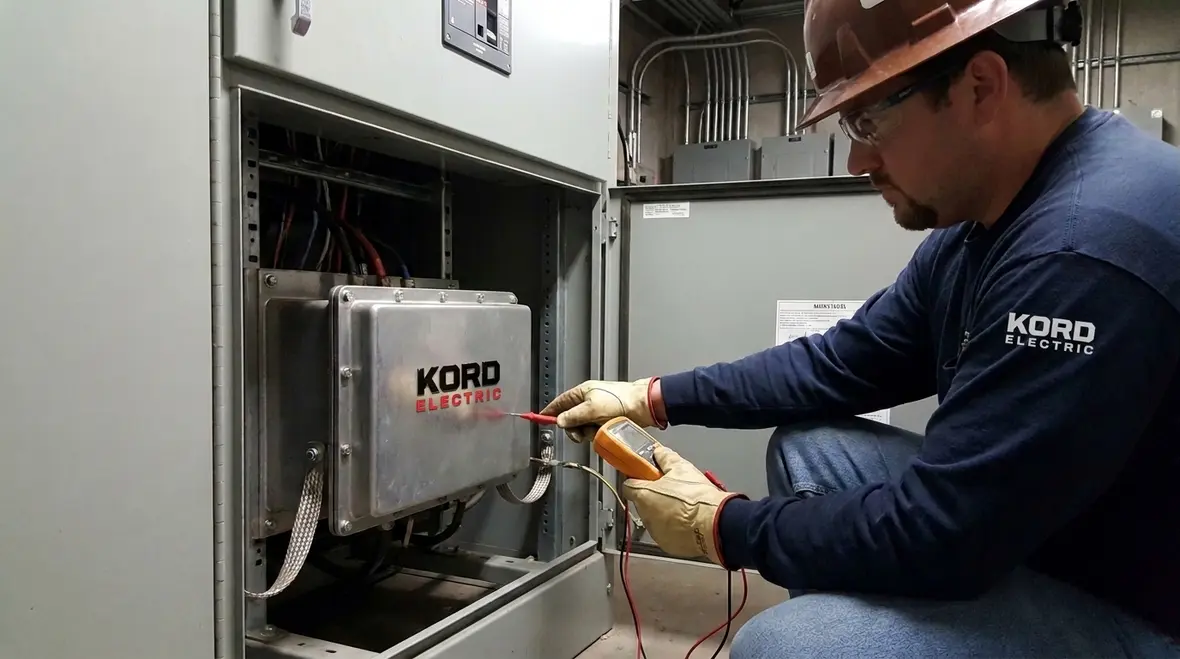
NFPA 70 Section 250.176 High Voltage Instrument Grounding
At Kord Electric, we focus on NEC high voltage instrument grounding for commercial and industrial facilities and major property buildings, because safe control and accurate readings depend on it. One of the rules we explain again and again is NFPA 70 Section 250.176, which deals with grounding instrument cases above 1000 volts. In plain terms, it tells us how to keep metal enclosures from becoming surprise paths for fault current.
Now, that sounds dry, like a corporate training video filmed in a windowless room. However, when our technicians walk a site, they see the real-world issues: damaged insulation, loose bonds, and cases that were wired correctly last decade but not replaced when the equipment changed. Then we step in with expert service staff who explain the “why,” not just the “what.”
NFPA 70 250.176 and why it matters in high voltage control
NFPA 70 Section 250.176 addresses the grounding of instrument cases when the system operates above 1000 volts. In practice, these instruments might include metering devices, relays, transducers, and similar equipment mounted on switchgear, transformers, or control panels.
When voltage rises above 1000 volts, the consequences of a fault get more serious, and the electrical system can behave in ways that surprise people who only think in low voltage terms. Therefore, the instrument case must connect to an equipment grounding path so that, if insulation fails or a conductor energizes the case, the fault current has a low impedance route. As a result, protective devices can operate faster, and touch hazards reduce.
At Kord Electric, we do not treat 250.176 as a checklist item. Instead, we look at the entire setup: case construction, mounting method, bonding points, conductor sizing, and the path back to the grounding electrode system through approved grounding conductors.
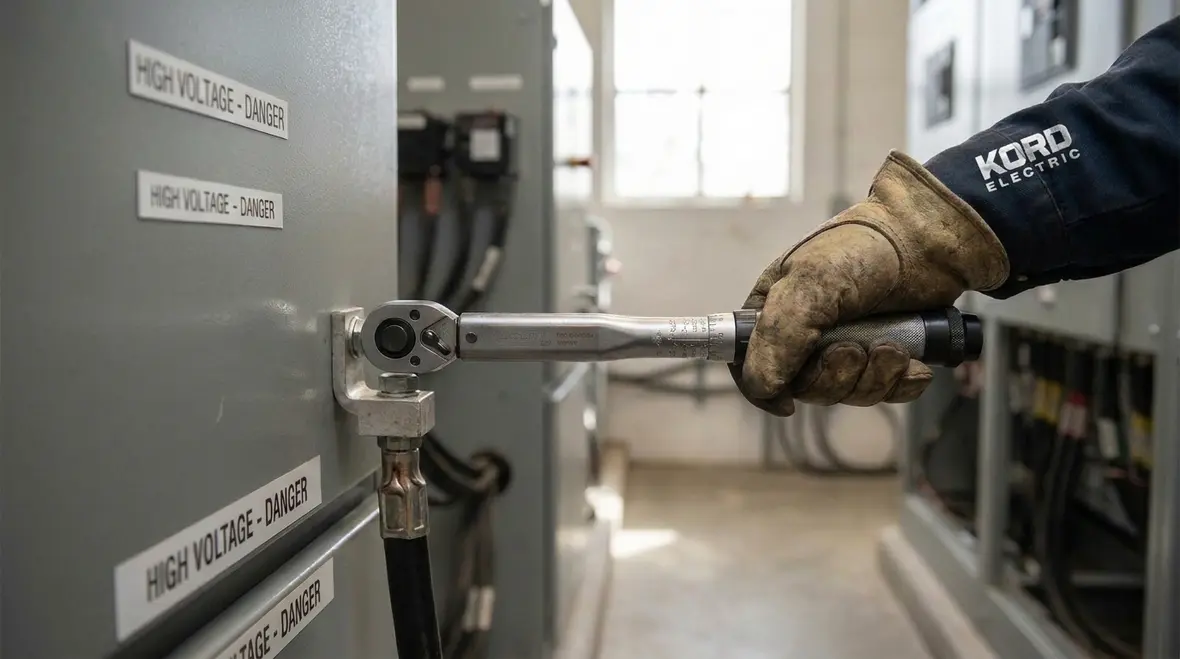
How NFPA 70 treats instrument cases above 1000 volts
Section 250.176 sets expectations for grounding the metal enclosures of these instruments. Put simply, if the instrument case is metal and it needs grounding, we connect it in a way that supports safe fault clearing.
First, we confirm whether the case is likely to be energized during abnormal conditions. Then we verify that the grounding connection is not “good enough in theory.” We check the actual bonding surfaces, fasteners, coatings, and cable terminations. After all, a painted surface where bonding should occur behaves like a locked door. And unfortunately, electrons do not care about our hopes and dreams.
Next, we make sure the grounding method aligns with the NEC framework for equipment grounding. We also coordinate with the rest of the high voltage installation, because the instrument case is only one part of the grounding system. If other parts are weak, the case grounding may not perform as intended.

What our technicians check before they connect a grounding conductor
Because commercial and industrial systems run hard, we inspect conditions that can undermine NEC high voltage instrument grounding even when the design looks correct. Our technicians and expert service staff follow a practical flow, and they explain each step while they work so your team understands what changes and why.
Typically, we review:
- Case construction, including whether the case is properly bonded to its mounting points
- Bonding surfaces, since paint, corrosion, or grime can increase resistance
- Mounting method, because isolated standoffs can break the intended conductive path
- Conductor routing, since sharp bends, abrasion, or poor support can damage insulation
- Connection integrity, because loose lugs and under-torqued hardware cause problems that show up later, usually during a busy time
Then, we check continuity and workmanship before energization where feasible. Moreover, we document the installation so maintenance staff can repeat the process correctly during future work. When people say “keep it simple,” we agree. We just mean simple to operate, not simple to ignore.
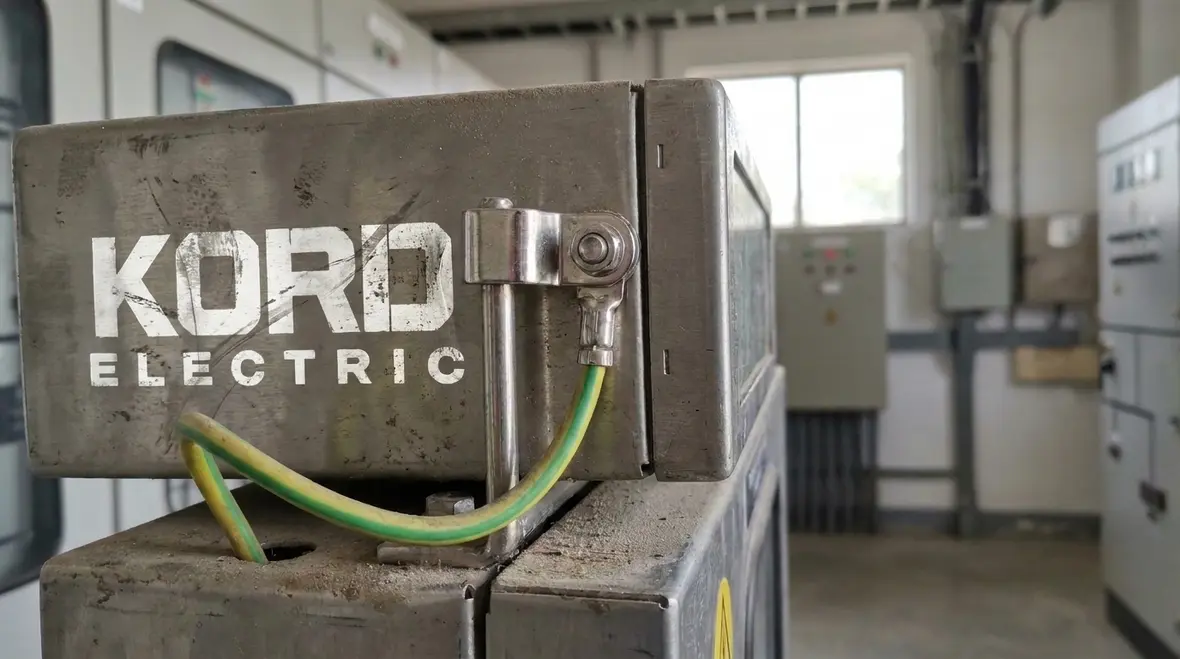
Common failure points we see in major building installations
In major property buildings and larger industrial facilities, high voltage equipment sits in environments that change. Over time, vibration, thermal cycling, and renovations can alter how grounding performs.
Here are the issues we often find during troubleshooting or during upgrades that follow real business needs, not just calendar schedules:
- Missing or compromised bonds on instrument cases where the original bonding point got covered during maintenance
- Corrosion at connection points that quietly increases resistance and affects fault clearing
- Improper isolation between the instrument case and the grounded structure, especially when panels get replaced
- Damaged insulation on grounding conductors due to routing conflicts during construction
- Unapproved field modifications that disconnect the grounding path because someone wanted “faster installation”
And yes, sometimes the failure shows up like a pop quiz: the equipment works fine until it does not. Then everyone suddenly cares about grounding. We prefer to care earlier, when changes cost less and uptime stays high.
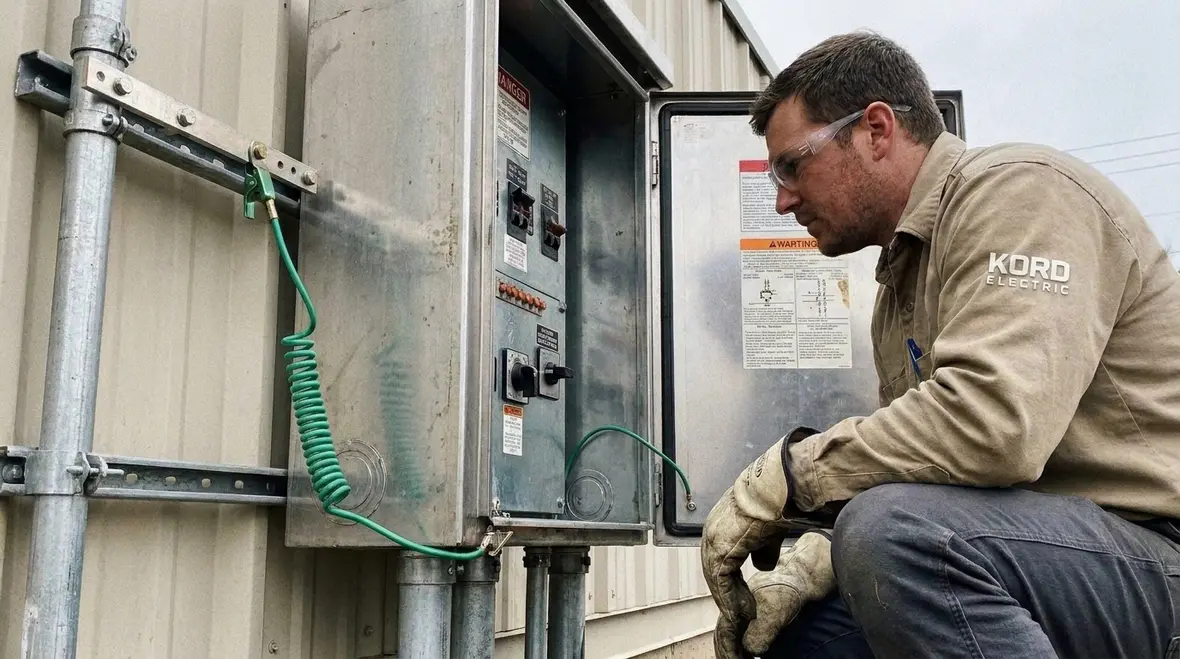
How we coordinate grounding with your overall high voltage system
NEC high voltage instrument grounding does not live in isolation. It connects to switchgear, transformer compartments, and control infrastructure. Therefore, we coordinate the grounding plan across the system so the fault path works end to end.
Our team considers how the grounding electrode system connects, how bonding links route through the facility, and how protective devices clear faults. In addition, we confirm whether the instrument case should tie into an equipment grounding conductor or another NEC compliant grounding arrangement based on the configuration.
Because commercial and industrial customers need clarity, our expert service staff explains the decisions in business language: what we are doing, how it improves safety and reliability, and what you can expect during installation. For example, we help your team understand how correct bonding supports protective device operation and reduces risk to personnel and equipment.
If you are also building your internal understanding of code structure, our resources help. We often point clients to Kord Electric’s guide Understanding NFPA 70: The National Electrical Code Explained for 2026, which connects high level NEC direction to everyday decisions in commercial and industrial projects. We support those concepts with field checks and coordination across your grounding and bonding plan.
You can also explore related NEC context through our pages at kordfire.com and our general site at kordelectric.com and kordfire.com.au, which expand on how electrical design, grounding, and life safety systems interact in real buildings.
Grounding instrument cases above 1000 volts in real service work
When we install or modify equipment, we follow safe, repeatable steps. First, we verify the equipment details, including nameplate ratings, enclosure materials, and how the instrument connects mechanically to the installation.
Then we prepare the termination. We clean bonding points when needed, we verify that the contact surfaces will conduct reliably, and we connect the grounding conductor with proper hardware and torque. After that, we route the conductor so it does not rub on edges or get pinched during panel closure.
At this stage, we also explain what good looks like. Our technicians show your team where the bonding point is, how the conductor supports the grounding path, and how to avoid common mistakes during future service calls.
Finally, we validate the installation with checks that make sense for the facility environment. We do not just “finish and leave.” We make sure the grounding performance matches the intent of NFPA 70 Section 250.176 and the NEC grounding rules applied to the overall system.
FAQ for NFPA 70 Section 250.176 and instrument case grounding
Call Kord Electric for NFPA 70 compliant grounding in your high voltage system
If your facility runs above 1000 volts, we recommend reviewing instrument case grounding as part of your safety and reliability plan. At Kord Electric, our technicians and expert service staff apply NFPA 70 and the NEC with field based checks, clear explanations, and careful installation practices. Reach out to us for an assessment, a targeted upgrade, or service work that supports safe fault clearing and protects your people and equipment. Don’t wait for the next “surprise quiz” from your switchgear.
If you are planning broader upgrades, our team also supports Los Angeles County electrical services for commercial and industrial properties, aligning NEC high voltage instrument grounding with panel work, distribution changes, and code driven renovations so your system stays consistent end to end.
For a deeper foundation on how this grounding work fits into the rest of the code, you can review our companion resource Understanding NFPA 70: The National Electrical Code Explained for 2026, then walk your site with our technicians to translate those principles into specific checks on each instrument case, enclosure, and grounding path.
When you connect the rulebook to the real gear in front of you, NFPA 70 Section 250.176 becomes more than text. It becomes a daily protection layer for operators, maintenance staff, and the property itself, backed by a grounding system that behaves the way the NEC expects when a fault shows up without an invitation.


