
NFPA 70 Section 268.10 Vegetation Support High Voltage
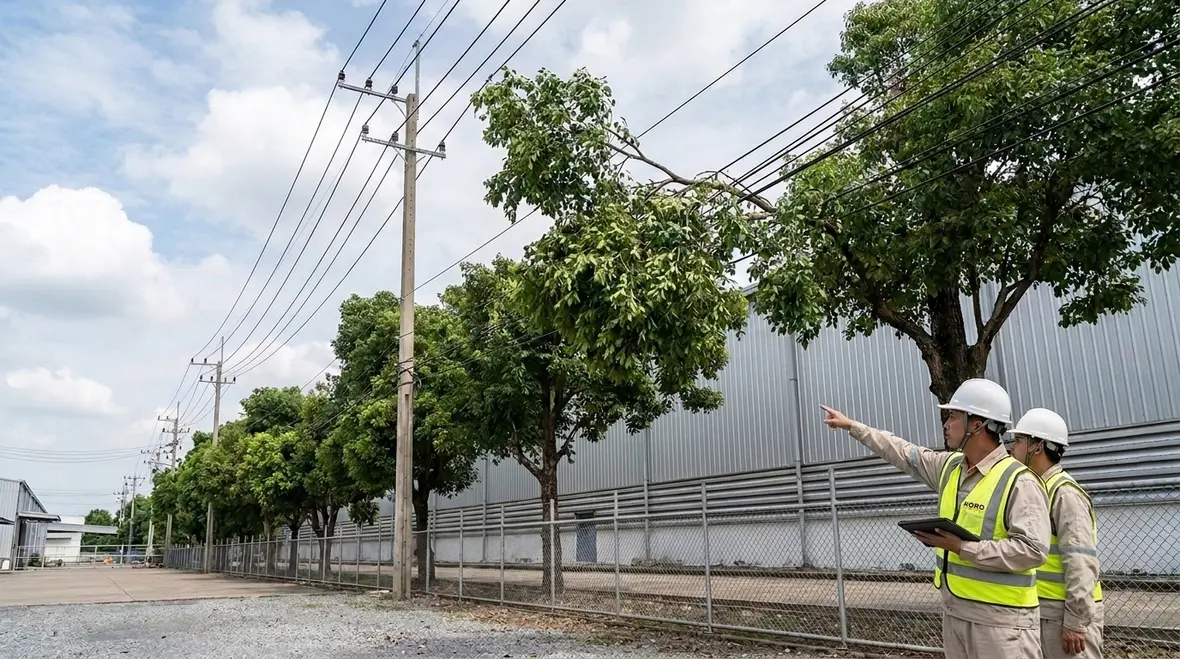
At Kord Electric, we help commercial and industrial facilities stay safe and code compliant. That includes the NEC vegetation support high voltage rules found in NFPA 70 Section 268.10. In plain terms, the National Electrical Code treats certain plants and growth near high voltage conductors as more than just scenery. If vegetation touches, threatens to contact, or can fall onto energized lines, it can create an outage, a fire risk, and a liability problem. So, while the outside world grows quietly, our teams and expert service staff verify that the electrical system stays protected, year after year. And yes, we have seen “it was just a little branch” turn into a very expensive lesson. Even plants, it seems, can be dramatic.
Why NFPA 70 Section 268.10 exists for high voltage safety
NFPA 70 is the backbone for electrical safety in the United States, and Section 268.10 focuses on a specific threat: vegetation as support for high voltage conductors. In other words, the code does not want the line to rely on living or growing material. That might sound obvious, but in the field we keep running into the same situation. A line hangs in a way that makes nearby trees and vines “help” it, and then time takes over. Wind, ice, seasonal growth, and maintenance access all change the picture.
Furthermore, vegetation can affect conductor behavior. When growth bridges toward conductors, it can reduce clearances. When plant material holds moisture, it can increase leakage paths and flashover risk. And when branches loosen, they can swing and strike conductors during storms. So, even if the wiring looks fine today, Section 268.10 exists to address the long-term reality of how nature works.
Our technicians approach this with a practical mindset. They do not just “check a box.” They map the risk and verify that the facility has a plan that matches the site, the equipment, and the environment.
What counts as vegetation support for conductors
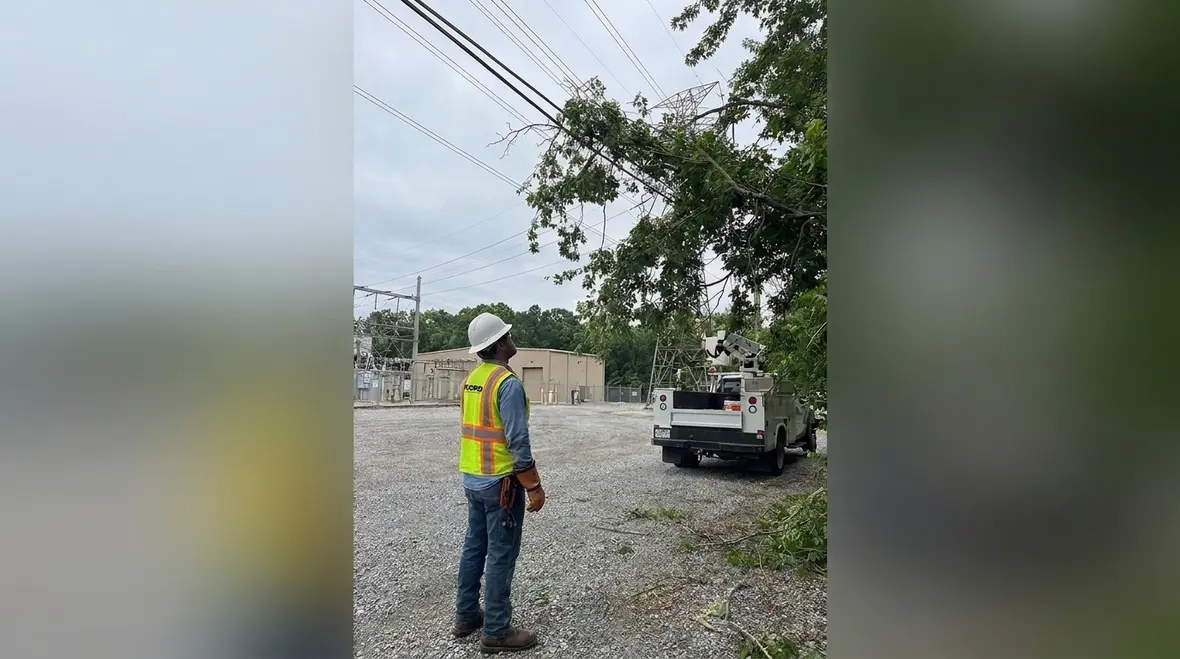
Section 268.10 does not only target contact that already happened. It also targets the conditions that make contact likely. For commercial and industrial sites, this often shows up near yards, loading areas, substation boundaries, and perimeter utility corridors.
In our experience, vegetation support usually includes these patterns:
- Direct contact: leaves, vines, or branches touch or wrap around conductors.
- Bridging: growth bridges the space between a tree, fence line, and conductor.
- Load bearing behavior: the conductor sits in a way that makes plants “hold it,” then later the plant grows and tightens contact.
- Fall risk: branches can drop onto lines during storms or routine trimming.
Then there is the less obvious issue: vegetation changes fast. A site can look clean after a seasonal cut, then quickly lose clearance when growth accelerates. That is why our expert service staff explains the rule in simple terms during inspections. They show what the code is trying to prevent, and they help facility managers understand that “future growth” counts, not just present appearance.
How clearances and conductor behavior connect to compliance
NFPA 70 aims to prevent dangerous electrical conditions. Vegetation support matters because clearances and conductor operation do not exist in a vacuum. When plants close the gap, the system faces new electrical paths, and those paths can fail under heat, humidity, or fault conditions.
As conductors carry current, they experience thermal expansion and movement. Add wind loading and plant movement, and you get an environment where contact can happen during the exact moment when the electrical system cannot tolerate it. In a commercial or industrial setting, that matters even more because equipment downtime can stop production lines, delay deliveries, and trigger costly remediation.
So, we also look at physical factors:
- Conductor routing and slack: whether movement changes clearance.
- Proximity of vegetation zones: whether plants can reach the span over time.
- Seasonal growth patterns: how the site behaves during different months.
- Maintenance access: whether staff can safely trim without creating new hazards.
At this stage, Kord Electric keeps the talk grounded. We do not talk like a textbook. Instead, our technicians explain how vegetation support high voltage can turn into nuisance faults first, then into a serious safety event. It is like starting a movie late and thinking the ending will be fine. It almost never is.
Risk signals we look for during inspections
To serve major property buildings and industrial facilities, we use a site-focused approach. We walk the area with the same mindset a future incident would force. If a storm came tomorrow, where would a branch fall, and where would it land?
Common risk signals include:
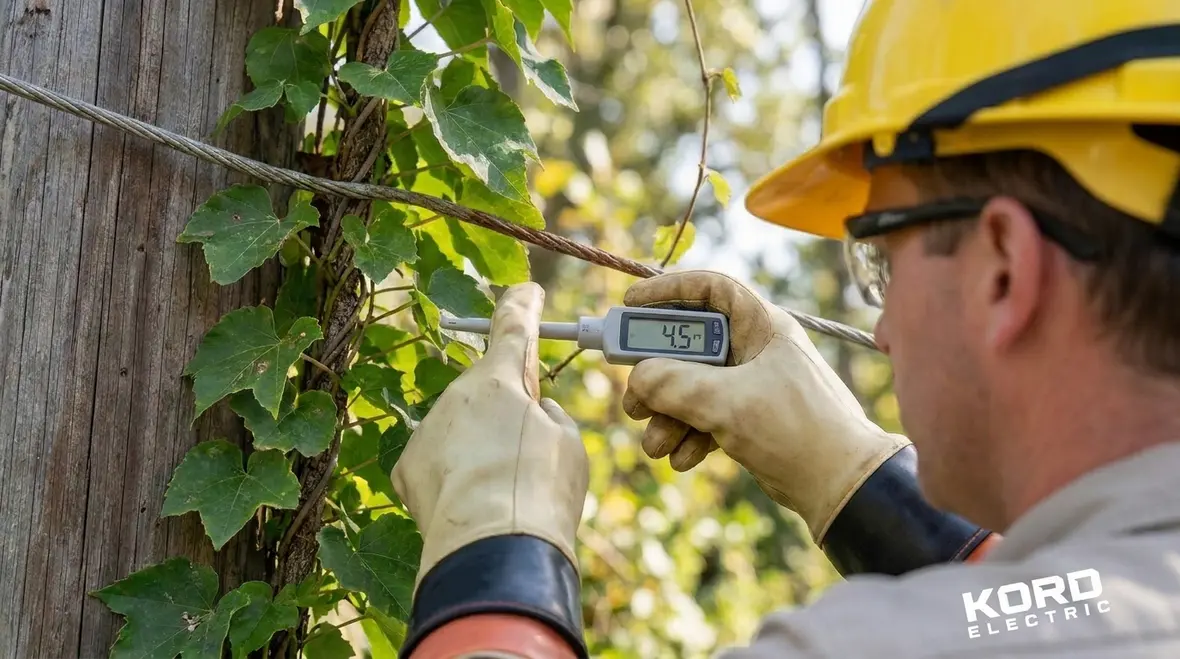
- Climb points: vines that track upward toward poles, supports, or conductor runs.
- Growth at conductor height: branches that routinely grow into the “danger zone” after trimming.
- Unusual wear patterns: marks on insulation or deposits on nearby vegetation.
- Frequent maintenance calls: recurring problems that suggest contact is returning.
Then, we connect what we see to what the code demands. Our team helps owners and safety managers understand that vegetation is not only a fire issue. It is also an electrical clearance and reliability issue. And reliability is how you protect both people and budgets.
For related code context, we also align our work with how NEC requirements operate across systems, which you can review through our educational resources at kordelectric.com and kordfire.com. Our team frequently references resources like our code explainer for 2026 and companion articles that walk through how NFPA 70 shapes real facility decisions, so vegetation control fits into the broader compliance picture instead of sitting off on its own island.
We keep the guidance practical, because commercial sites do not have time for vague talk. They need clear next steps.
Practical steps to keep conductors free from vegetation support
Compliance does not mean “do nothing until something breaks.” It means building an ongoing plan that accounts for growth, weather, and maintenance realities. Our expert service staff often helps facilities implement an approach that reduces risk without causing unnecessary disruption.
Here are practical steps we recommend and document for commercial and industrial properties:
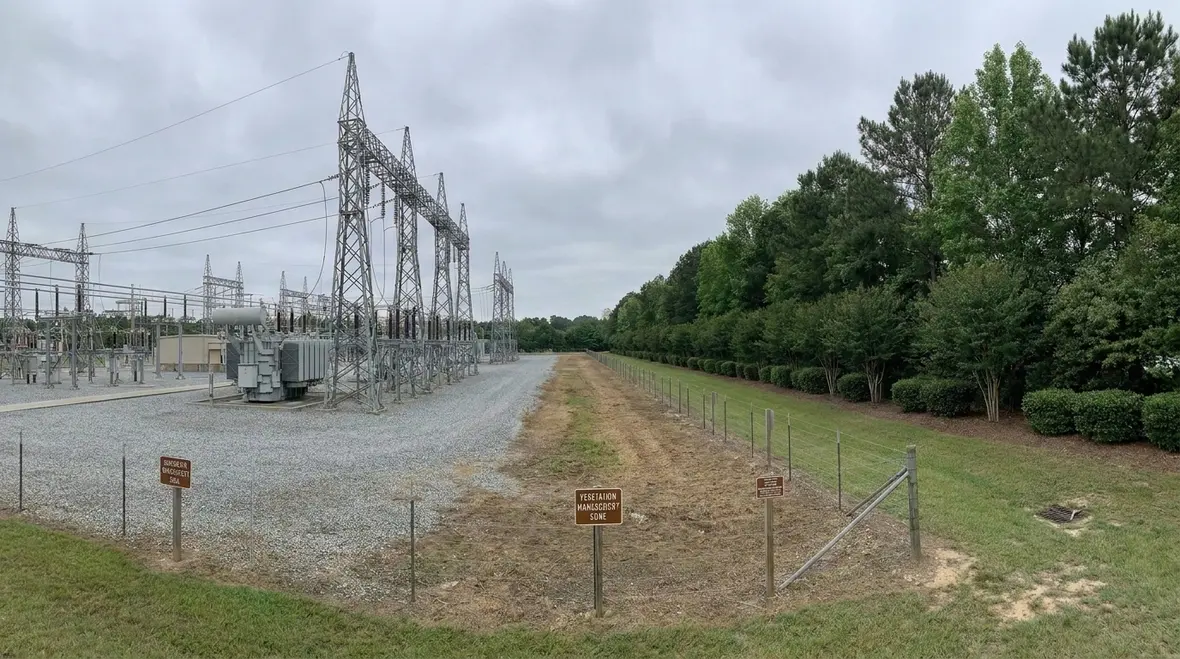
- Create a vegetation management boundary: define a zone where growth must be kept away from high voltage conductors and associated support structures.
- Set trimming intervals: choose a schedule based on growth rate, not on hope and vibes.
- Use safe work practices: coordinate with trained personnel and ensure trimming does not disturb conductors.
- Maintain clearance after storms: wind and ice often change plant position fast.
- Document findings: record inspection results, corrective actions, and dates so owners can show due diligence.
In addition, we coordinate with facility leaders so the plan fits operations. Some sites run 24 hours. Others load materials daily. So, we avoid approaches that block access or create new safety conflicts. The goal stays simple: prevent vegetation from acting as support for energized conductors over time.
And if your site includes fire protection systems or related equipment, you already know safety planning needs to work as a system. We also encourage teams to keep cross-discipline awareness, similar to the way many industry resources frame code and protection planning through fire-focused organizations such as firepumps.org and our own educational content at kordfire.com.au. When electrical and fire safety efforts coordinate, everyone sleeps better. Even the building manager.
If you want a deeper dive into how this ties back to broader NEC strategy work, we also point many facility teams to long-form explainers like our National Electrical Code overview for 2026, which translates dense requirements into field-ready guidance. That way, your vegetation plan lines up with how you manage feeders, diagrams, and open conductor supports instead of becoming a one-off project.
How facilities use documentation to prove due diligence
For commercial and industrial properties, documentation matters because it turns good intentions into verifiable actions. When an inspection happens, owners and safety teams need evidence that they addressed hazards that can create electrical risk.
At Kord Electric, we help structure records around real site observations and corrective actions. That includes:
- Photo and location notes: what vegetation was present and where it was relative to conductor runs.
- Risk statements: how vegetation could contact, bridge, or fall onto energized equipment.
- Corrective plan: what the facility should do next, including trimming and monitoring steps.
- Follow-up schedule: when to recheck, based on local growth patterns.
Third person teams often overlook this part, but it is vital. If a claim comes up later, the facility needs a paper trail that shows you acted before a failure. Our technicians and expert service staff explain the process clearly to help stakeholders make decisions quickly, without turning compliance into a never-ending project.
We also encourage facility teams to connect their vegetation documentation with broader NEC records. For example, if you maintain feeder diagrams, open conductor support spacing checks, or records tied to NFPA 70B maintenance tasks, your vegetation entries should reference the same equipment identifiers. That way, reviewers can see how your NEC vegetation support high voltage strategy fits into the rest of the electrical safety story rather than appearing as a separate, one-off notebook that nobody opens until after an incident.
FAQ: NFPA 70 vegetation and high voltage conductor support
Ready for a safer, code-aligned site
If your facility has overhead conductor runs near trees, vines, or brush, we recommend a focused review. Kord Electric brings technicians and expert service staff who explain what matters under NFPA 70 and how vegetation risk develops on real sites, not just in theory. Then we help you build a practical plan you can maintain and document so your NEC vegetation support high voltage strategy stays aligned with the rest of your electrical safety program.
For teams who want to see how this fits into a larger NEC roadmap, you can explore educational resources from both Kord Electric and Kord Fire, including in-depth treatments of NFPA 70 for 2026 that connect code language to day-to-day facility decisions. Pairing those guides with your vegetation management plan gives you a clearer path from rulebook to real-world field work.
If your property is in Southern California, you can also align this work with Los Angeles County electrical services for commercial and industrial facilities, so vegetation control, conductor support, surge protection, and broader electrical preventive maintenance all move in the same direction instead of competing for attention.
When facilities treat vegetation as part of their high voltage strategy instead of a background landscaping issue, outages drop, near misses shrink, and stakeholders sleep better. Contact us today to schedule an inspection and protect people, operations, and uptime before nature makes the decision for you.
To see how conductor rules, diagram requirements, and vegetation limits interact across your system, we also encourage teams to review companion NEC-focused articles in the Kord Electric blog. Together, they help turn scattered code sections into a single, clear plan for keeping high voltage conductors supported properly and free from unwanted “help” from nearby trees and vines.


