
NEC raceway seal high voltage: what NFPA 70 Section 268.8 really demands for service entrances
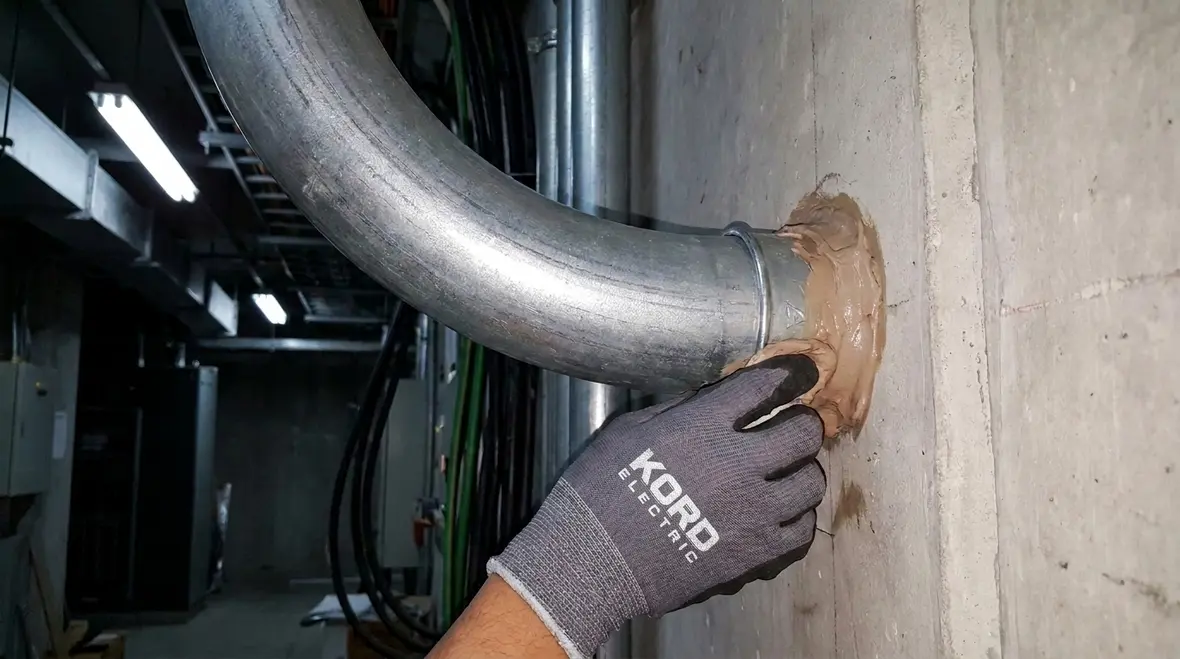
At Kord Electric, we handle commercial and industrial facilities and major property buildings, and we treat code compliance like it is a safety system, not paperwork. That is why we pay close attention to NFPA 70 Section 268.8, which addresses raceway seals for high voltage service entrances. In plain terms, it explains when we must seal raceways so gases, smoke, and flames do not travel through conduits during a fault. Our expert service staff and technicians explain it in the field, step by step, because the right details matter when the utility, the building, and the electrical room all share one moment of truth. And yes, when someone skips a seal, electricity does not politely wait for them to catch up. It moves on.
Where Section 268.8 fits in the NEC plan
Section 268.8 lives in the NEC framework that governs how we route conductors and protect raceways. Therefore, it connects directly to how a high voltage system enters a building. First, we identify the service entrance raceway path. Then we check whether that path passes through spaces where fire or smoke could spread. After that, we apply the sealing requirement at the points the code intends. Finally, we verify that our installation method supports the building’s overall fire and life safety design.
Our technicians often compare it to a smoke alarm that does not just detect smoke, but also blocks smoke movement so the alarm can do its job. In other words, the seal is not a decorative item. It is a controlled interruption.
How Section 268.8 connects to the National Electrical Code
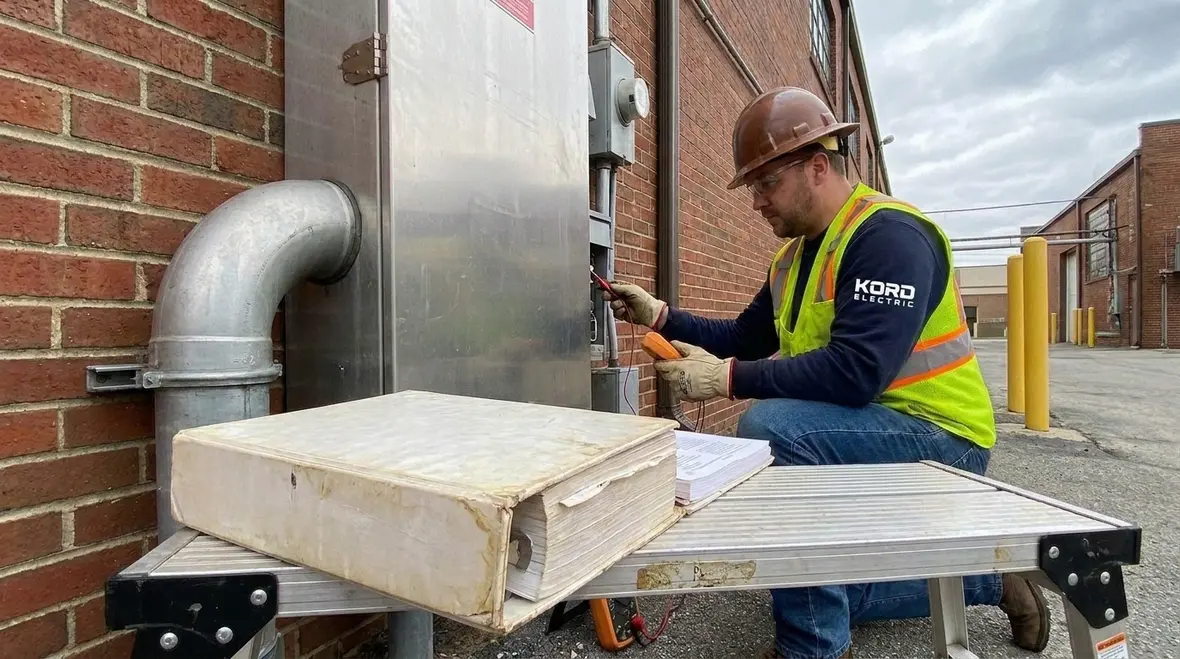
To make sense of NFPA 70 Section 268.8, it helps to see it as one chapter in a much bigger safety rulebook. The National Electrical Code sets the overall structure for how conductors, raceways, and equipment enter and move through a building. Section 268.8 narrows that focus down to one specific risk: the way a high voltage raceway can quietly become a tunnel for fire gases if nobody thinks about sealing it.
That is why our team often points facility leaders to broader resources like our guide on understanding NFPA 70 for 2026. When you understand the larger NEC logic, it becomes much easier to see why a detail like a NEC raceway seal high voltage requirement is not a picky add-on. It is one more layer in a system built to resist the worst five minutes a building ever faces.
In practice, this means we do not read Section 268.8 in isolation. We align it with wiring methods, grounding and bonding, overcurrent protection, and fire protection coordination. That alignment keeps the design readable for plan reviewers and inspectors while keeping your electrical room ready for real-world events, not just neat drawings.
When a raceway seal becomes required
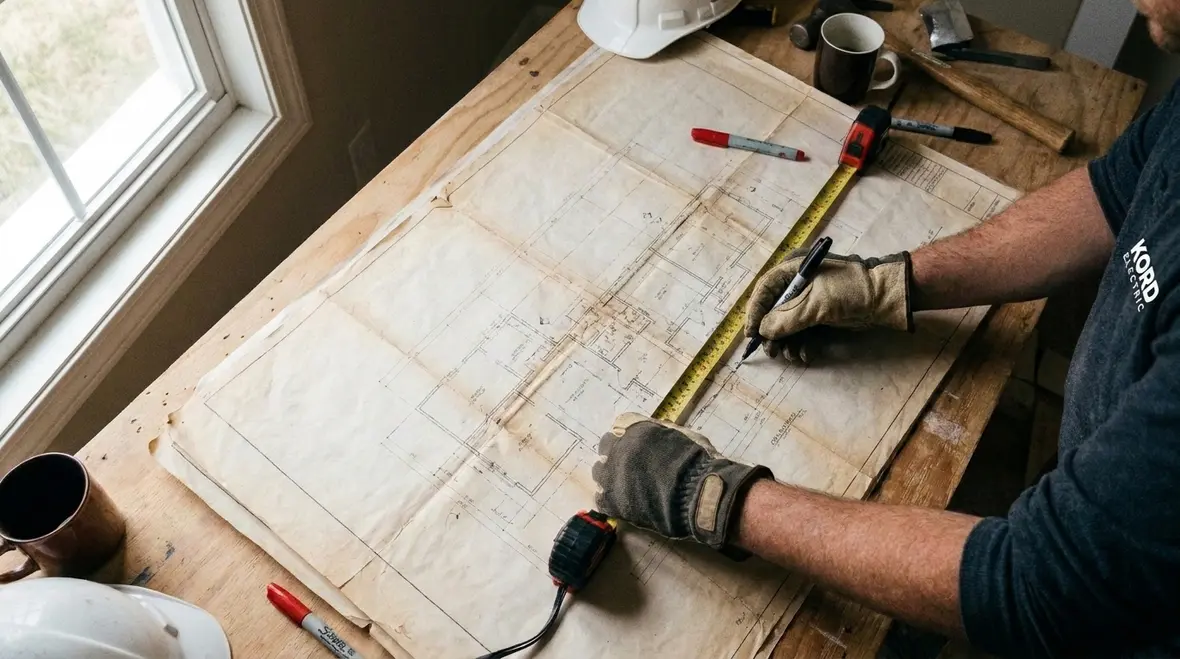
NFPA 70 Section 268.8 focuses on sealing raceways at high voltage service entrance points where the raceway can become a pathway for fire, smoke, or gases. So we do not treat it as “if it looks good.” We treat it as “if the raceway can transmit the problem, then we must stop it.”
In practical terms, we look at the service entrance configuration and the building envelope. We also consider how the raceway transitions from outdoor or exposed areas into the interior. Additionally, we consider how the raceway penetrates areas that would otherwise need fire and smoke control. Our team approaches this with the same mindset we use on other NEC topics, because we see the consequences when people make assumptions on job sites.
Sometimes a client asks whether seals matter if the conductors are rated and insulated. We explain that insulation protects conductors. Meanwhile, seals protect the building. Those two goals work together, and code recognizes that reality.
How we decide what to seal, and how we place it
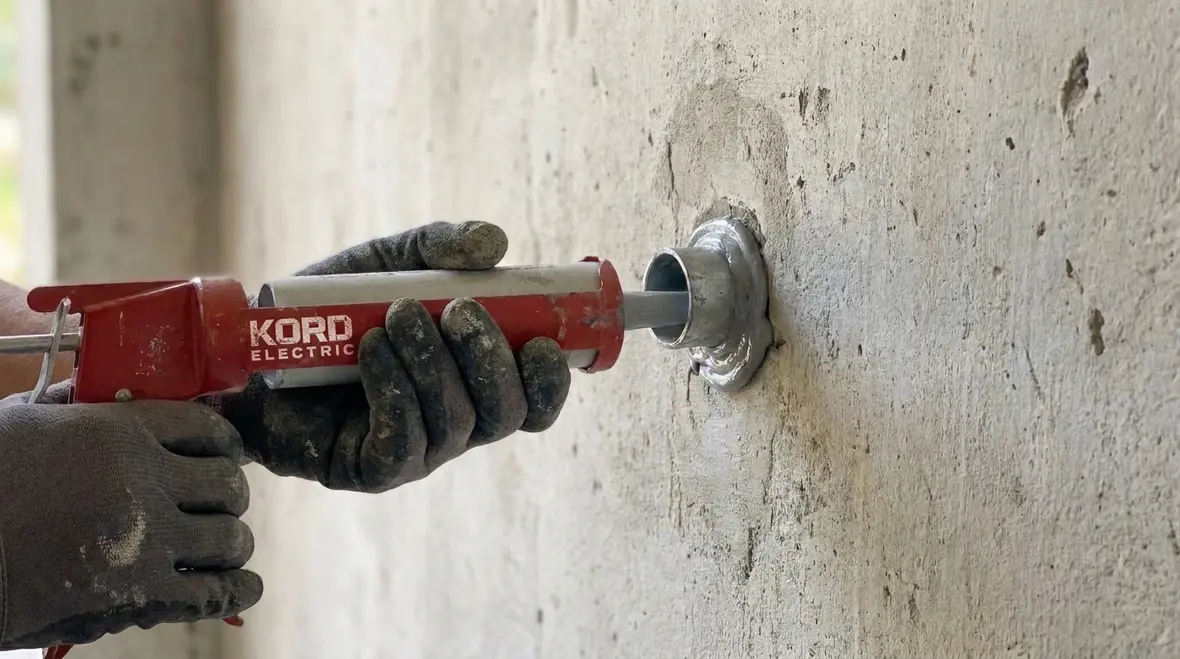
To install correctly, we do more than mark a spot and wrap some material around a conduit. We plan the route, then we plan the seal location. Because the code requirement depends on where the raceway serves as a potential passage, placement matters as much as the seal itself.
Our expert service staff uses a simple sequence during commercial and industrial projects:
- We map the raceway path from the service entrance to the first interior termination or enclosure.
- We identify penetration points where the raceway passes through walls or partitions that function as fire or smoke boundaries.
- We verify seal type and compatibility with the raceway material and system design so it behaves as intended under emergency conditions.
- We coordinate with fire stopping requirements so the electrical seal aligns with the building protection plan.
- We document the work so the finished installation supports inspection and ongoing maintenance.
Now for the part clients forget: if we seal too early, we might interfere with maintenance access. If we seal too late, the pathway stays open where it should not. That is why we treat sealing like a system component, not a last minute touch.
Raceway seal high voltage methods that hold up during inspection
Different installations use different approaches, but the key idea stays the same. The seal must block the movement of gases and flame along the raceway. Therefore, we focus on sealing methods that match the environment and the raceway construction.
In the field, we also confirm that the installation supports practical realities: temperature changes, vibration, and the way conduits settle over time. Consequently, we train our technicians to follow the method exactly, because code intent does not survive shortcuts.
When we explain this to facility managers, we keep it calm and straightforward. First we say why the seal matters. Then we show how we install it. After that, we point to how it supports safe emergency behavior. Sometimes we add a gentle joke, like, “We do not build raceways like a prank room. We build them like a building has an emergency plan.” Then everyone laughs, and the work gets better.
Coordination with fire and life safety planning in major buildings
Commercial and industrial facilities do not live in isolation. Mechanical systems, fire alarm layout, smoke control, and fireproofing all work together. So we coordinate raceway sealing decisions with the overall building strategy.
Our team frequently collaborates with the professionals managing fire protection requirements, because the seal and the fire stop approach cannot conflict. If the building uses compartmentation, then the electrical penetrations must respect the boundaries. In addition, we consider how high voltage service entrance areas get accessed for operation and testing, so sealing does not prevent lawful maintenance.
And yes, we’ve seen projects where someone treated the fire plan and the electrical plan like they were two different universes. Then an inspector asks a question, and the room goes quiet. We prefer calm before that moment, not calm after.
What facilities should ask before the work starts
If you manage a major property building, you can keep the process smooth by asking the right questions early. Our expert service staff recommends you confirm these items with your electrical contractor during planning:
- What portions of the service entrance require sealing? We confirm locations based on the code intent.
- Which sealing method matches our raceway type? We verify compatibility and installation requirements.
- How does this coordinate with fire stopping plans? We align electrical seals with building protection strategy.
- How will the seal be verified? We document details to support inspections.
When teams ask early, we reduce rework. When teams guess late, we all pay for it with time, schedule risk, and stress.
For projects across Los Angeles County and surrounding areas, that conversation often includes service scope. Many facility managers connect these questions directly with their broader Los Angeles County commercial electrical services plan so that raceway sealing, panel work, and distribution changes move together instead of in conflict.
FAQ
Why Kord Electric installs this the right way, the first time
Our approach stays consistent across NEC raceway sealing, high voltage service planning, and the real jobsite conditions that inspectors care about. We send technicians who know the details and we support them with clear guidance. And because we focus on commercial and industrial facilities and major property buildings, we understand how these systems must work together without surprises.
We also keep an eye on how the code evolves. As NFPA 70 updates roll into new cycles, our team connects raceway sealing requirements with other changes to overcurrent protection, grounding and bonding, and service entrance coordination. We do not treat a project like a one-off guess; we treat it like another opportunity to apply the same disciplined, code-informed process you see in our broader NEC-focused resources.
If you are planning a high voltage service entrance upgrade or a new installation, contact Kord Electric. We will review your raceway sealing needs under NFPA 70 and help you move forward with confidence, not guesswork. Call us, and we will get your project on a safe, code-aligned path that supports inspections, operations, and the people who walk through your building every day.


