
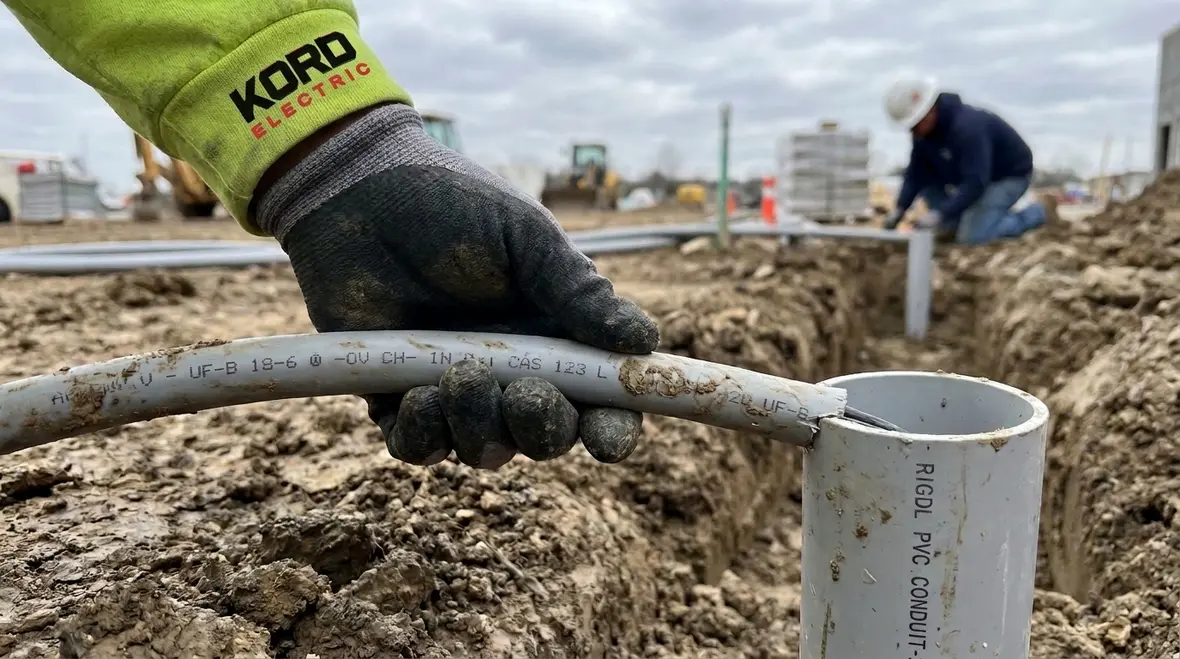
NFPA 70 Section 324.100 NEC UF Cable Construction Checked On Site
NFPA 70 Section 324.100 and NEC UF Cable Construction: What Kord Electric Teams Verify on Site
At Kord Electric, we treat NEC UF cable construction like a building’s quiet backbone. In the real world, UF cable construction matters most when a facility needs power that runs outdoors or through areas where cables face moisture, soil contact, and the kind of surprises that keep electricians awake. Early in the planning process, we confirm what NFPA 70 Section 324.100 demands for UF cable construction requirements, then we match those rules to the project layout, routing, burial depth, protection, and terminations.
From that point on, our technicians explain the “why” behind each requirement, not just the “what.” And yes, we know nobody wakes up excited to talk about cable jackets, but our job is to keep commercial and industrial facilities running safely, so the conversation has to happen anyway.
How Section 324.100 Shapes Reliable UF Cable Construction in Facilities
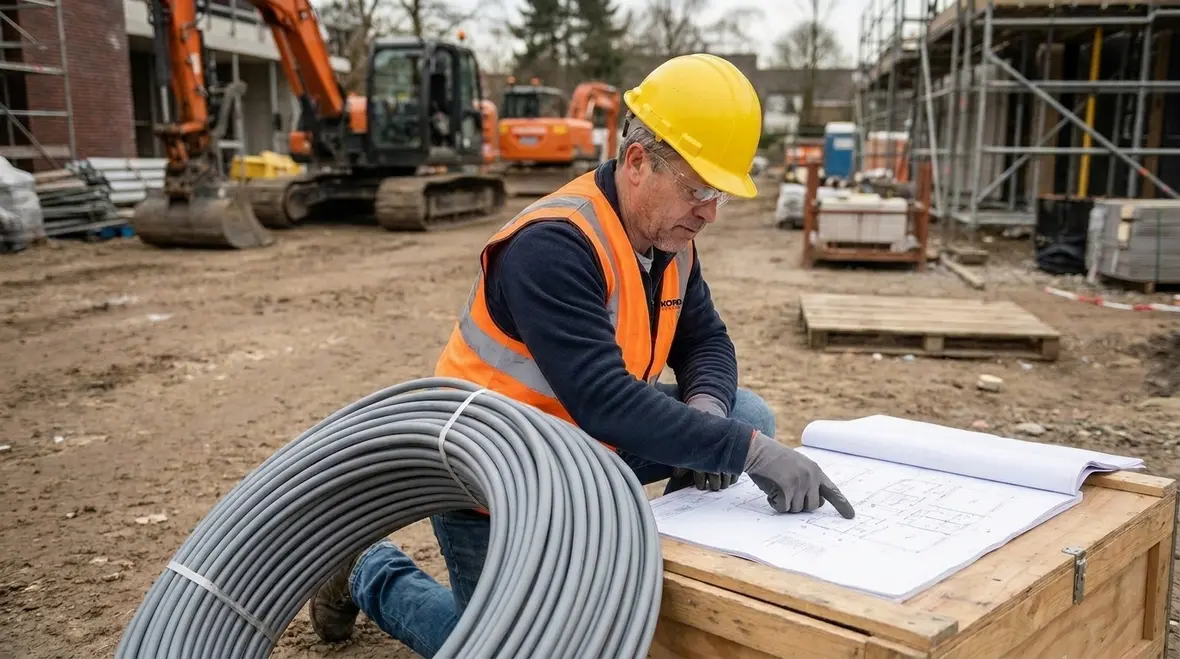
NFPA 70 Section 324.100 focuses on how underground feeder and branch-circuit cables get built and marked for the job. First, we help others understand that UF cable is not the same as random “wire you found in the truck.” It must meet the proper construction so it can handle underground exposure without turning into a slow-motion problem.
Next, facilities benefit when the cable’s insulation, jacket, and conductors meet the intended environment. Because soil is not polite, moisture and temperature swings push stress into the cable over time. Therefore, the code requirements exist to reduce failures that can lead to downtime, repairs, and costly troubleshooting.
Meanwhile, our expert service staff does more than read the rulebook. They walk the route with the site team, then they look for where the cable will sit, how it will transition, and what could damage it during backfill or future work. That site level thinking is where many projects win or lose.

Materials and Markings: The Details That Stop Future Headaches
When we talk about NEC UF cable construction for commercial and industrial buildings, we focus on the parts that determine long term performance. UF cable construction typically includes conductors suitable for the electrical load, insulation that protects against electrical leakage, and an outer jacket designed to resist moisture and physical harm from the burial environment.
Most importantly, we verify the cable’s suitability by matching its rating and construction type to the use case. Then we confirm proper labeling so the installed product matches what the electrical design expects. If the cable is wrong, every downstream decision becomes guesswork. And guesswork, like a sequel no one asked for, rarely ends well.
Our technicians also look at how the cable gets handled during installation. Pulling tension, bending radius, and damage to the outer jacket can all undermine the intended protection. Therefore, we build a habit of careful installation practices, because the fastest way to ruin a cable is to treat it like it is indestructible.
Routing, Burial Depth, and Protection: Keeping Power Where It Belongs
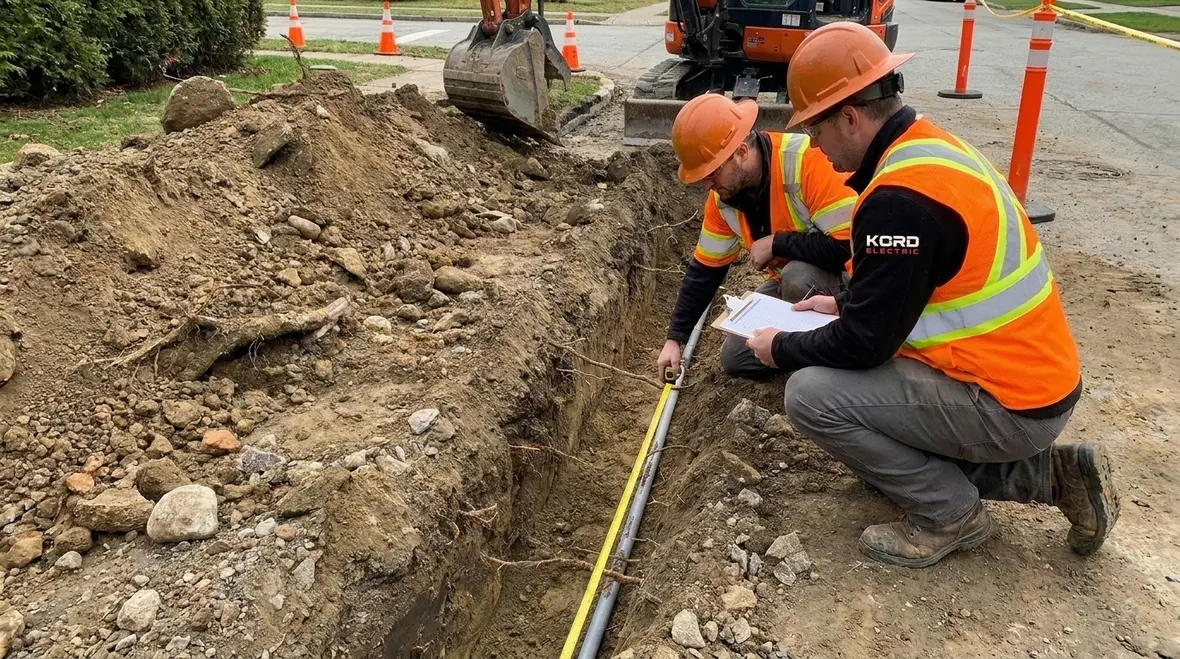
Even when the cable itself meets the standards, the job still has to follow the installation intent. For commercial and industrial facilities, routing and protection often create the biggest real-world differences. To keep projects stable, we review how UF cable construction integrates with pathways, slabs, trenching, and building penetrations.
Next, we help facilities plan for burial depth and separation from other utilities. Because other systems share the ground, conflicts can appear where someone schedules work out of order, or where the as-built drawings do not match reality. Our teams coordinate with site leaders so the cable route avoids damage during future excavation and maintenance.
We also pay attention to where UF cable transitions from underground to exposed areas. Those transitions often face higher risk because the cable can be subject to physical impact, sunlight, or moisture in different ways. Therefore, we specify the proper protection method at the transition, so the cable keeps its protection rather than losing it when it reaches the building.
And yes, in the field, people sometimes “improvise.” Our technicians politely stop that behavior. A facility manager may not want to hear it, but the cable does not care how confident we all feel. The jacket will age, and the environment will eventually win.

Terminations, Splices, and Indoor Transitions for Commercial Power Runs
After the underground section, the installation continues. Terminations, splices, and indoor transitions decide whether the system performs like a designed solution or a collection of compromises. Our crews focus on the end points because that is where failures often start: loose connections, improper fittings, or splices placed where moisture can collect.
We confirm that splicing and termination methods follow accepted practices and fit the cable type and environment. Then we ensure equipment connections use proper components sized for the application. In commercial and industrial settings, those details prevent nuisance faults, intermittent outages, and the kind of “it worked yesterday” issues that make people check their phones before they check the wire.
Also, where UF cable enters raceways or building penetrations, we coordinate with the broader electrical scope. That means we align with conduit systems, sealing practices, and routing plans used for power and control circuits. As a result, the installation stays organized, serviceable, and easier to troubleshoot later.
Inspection Readiness: How Kord Electric Supports Compliance and Smooth Startup
Commercial facilities do not have time for rework. So we treat NFPA 70 compliance like part of the schedule, not a surprise at the end. During installation, our technicians document key details so inspectors and facility teams can understand what they see and why it is correct.
We also communicate with project managers and electrical contractors to confirm what to expect during inspection. Because the fastest path to approval is clarity, we make sure our installed details align with the design intent, including cable selection, routing, protection measures, and transition points.
At this stage, our expert service staff also explains the system so the facility team can maintain it. That means we describe what sections of the run should remain protected and what areas require careful handling during future construction. In short, we help others avoid “maintenance by accident,” which is a common theme in large properties.
What Kord Electric Recommends for Major Properties Using UF Cable Systems
Major property buildings often need dependable underground feeders and branch circuits, especially where outdoor equipment and parking lot power require consistent service. For those projects, we recommend starting with a clear routing plan, then confirming the cable’s suitability early, and finally installing with protection at every transition.
We also recommend that teams plan for future access. Where possible, we design the run so service and troubleshooting can happen without digging up half the site. That reduces disruption for tenants, operations, and facility staffing.
And when a facility team asks, “Do we really need to follow every step?” our technicians answer in plain language. The code exists to manage risk that builds up quietly, like dust in a warehouse corner. You might not notice it today, but it shows up tomorrow.
If you want to align with NEC guidance and local expectations, we connect our process to the broader NEC context covered in our educational materials on Kord Electric and KordFire websites, including resources like Understanding NFPA 70: The National Electrical Code Explained for 2026 that help facility teams see how Section 324.100 fits inside the bigger rulebook.
How UF Cable Planning Connects to Broader Electrical Strategy
UF cable runs do not live alone. They share ground, raceways, and terminations with the rest of the distribution system. When we plan an underground feeder for a commercial or industrial site, we tie that work into the facility’s broader electrical strategy, not just a single trench detail.
That means we confirm how the UF feeders land at panels and switchgear, how loads will grow, and how maintenance teams will support the system during future shutdowns and upgrades. When underground distribution aligns with upstream gear and overcurrent protection, the entire system behaves more like a coordinated design and less like a collection of patches.
On major projects, our technicians and design partners use the same planning mindset we apply to data-driven power distribution, emergency power, and other specialized systems. That shared discipline helps keep UF cable decisions consistent with choices made for panels, transformers, and critical equipment, instead of treating the underground scope as an afterthought buried under the schedule.
Coordinating UF Cable Work with Other Site Trades
In the field, UF cable installation rarely happens in a quiet, empty jobsite. Excavation crews, concrete teams, low-voltage installers, and site utilities may all share the same space. Without coordination, that environment can turn careful NEC UF cable construction into a game of “try not to hit the thing you just installed.”
To avoid that, we work with general contractors and other trades to sequence trenching, backfill, and slab work so UF routes stay clear, documented, and protected. We highlight transition points, mark pull boxes and junctions, and make sure everyone understands where cables run before someone decides a new sleeve “will only take a minute.”
That coordination is especially important when UF cables support outdoor equipment like parking lot lighting, EV chargers, or exterior mechanical loads. Those systems often get adjusted late in the project, but the underground feeders that power them do not move easily. By locking in routing and keeping as-built information accurate, we reduce the odds that future work will dig up the wrong spot or nick a cable that was quietly doing its job.
Planning UF Cable for Long-Term Operations and Maintenance
Once a facility opens, nobody wants to think about the cables in the ground until something fails. Our goal is to keep that day as far in the future as possible. That is why our UF cable planning and installation include the same long-term mindset we bring to emergency power design and data center power quality: prevent surprises before they become outages.
We document routes, depths, and transition details so future maintenance teams are not guessing with a shovel. We also call out where UF cable shares space with other systems, which areas should remain off limits for casual digging, and what signs to watch for if moisture, soil movement, or settlement might be stressing the installation.
For larger properties, this kind of record keeping pairs well with a broader electrical maintenance strategy. Facility leaders can combine UF cable information with panel schedules, breaker coordination studies, and preventive testing plans, turning “we think the power runs over there” into “we know exactly how this feeder is built, protected, and maintained.”
How Kord Electric Helps Facilities Apply NFPA 70 UF Cable Rules
NFPA 70 Section 324.100 gives the outline; our teams turn that outline into work you can see in the trench and at the gear. We walk project managers, engineers, and facility staff through how UF cable construction rules translate into choices about materials, routing, depth, protection, and terminations so that compliance is not just a checkbox during inspection but a feature of everyday operations.
Because the NEC ties into so many other parts of the electrical system, we also help clients connect underground work to topics like grounding and bonding, overcurrent protection, and the coordination of feeders that support emergency power, automated lighting, and sensitive electronic loads. That big-picture view makes UF cable decisions feel less isolated and more like part of a complete reliability plan.
For facilities in Los Angeles County and across Southern California, our field teams combine this code knowledge with local expectations and inspection habits. When you bring us in for planning, installation, or a review of existing UF cable runs, you get a crew that already understands how local AHJs look at underground work and how to keep your project moving instead of rewriting details in the field.
If your site needs more than just UF cable help and you are looking for a broader partner for design, installation, and troubleshooting, our Los Angeles County electrical services team can support everything from panels and lighting to emergency systems and complex distribution upgrades while keeping NEC requirements at the center of each decision.
FAQ: NEC UF Cable Construction and NFPA 70 Section 324.100
Conclusion: Schedule a Compliance Check With Kord Electric
Commercial and industrial facilities cannot afford guessing when it comes to NFPA 70 and NEC UF cable construction. Kord Electric helps your team verify cable suitability, installation details, transitions, and inspection readiness so the power system performs the way it should. Our technicians explain each step in clear terms, and they document what matters for smoother startup and safer long-term operation. If your project needs a compliant UF cable system, contact Kord Electric and let us handle the details before they become downtime.


