
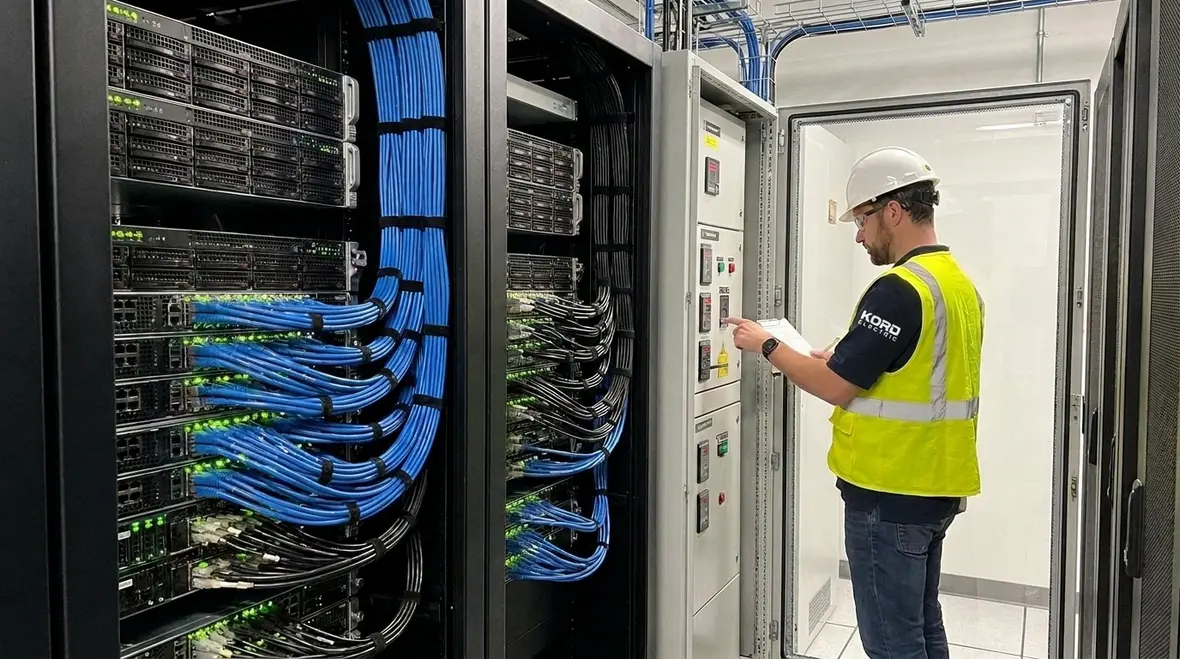
NFPA 70 Section 645.6 IT supply circuits basics
Commercial and industrial NEC basics: what NFPA 70 Section 645.6 IT supply circuits mean in practice
At Kord Electric, we support commercial and industrial facilities and major property buildings, so we focus on the parts of the electrical code that keep critical systems stable and safe. Early in our planning discussions, we often start with how NFPA 70 Section 645.6 IT supply circuits should behave when IT loads need dependable power. In simple terms, those IT supply circuits help ensure the right power path for equipment that cannot just “restart later.” And yes, we have heard the joke that data can wait, right up until the outage report is printed.
As we work through each project, we also explain the bigger picture of the National Electrical Code, now aligned with the upcoming 2026 updates. Moreover, we show our clients how these rules connect to wiring methods, grounding, bonding, and the way protection devices coordinate across a facility. Therefore, the rest of this guide breaks the topic down step by step, so your team can make confident decisions without guessing.
What NFPA 70 actually does for real electrical design
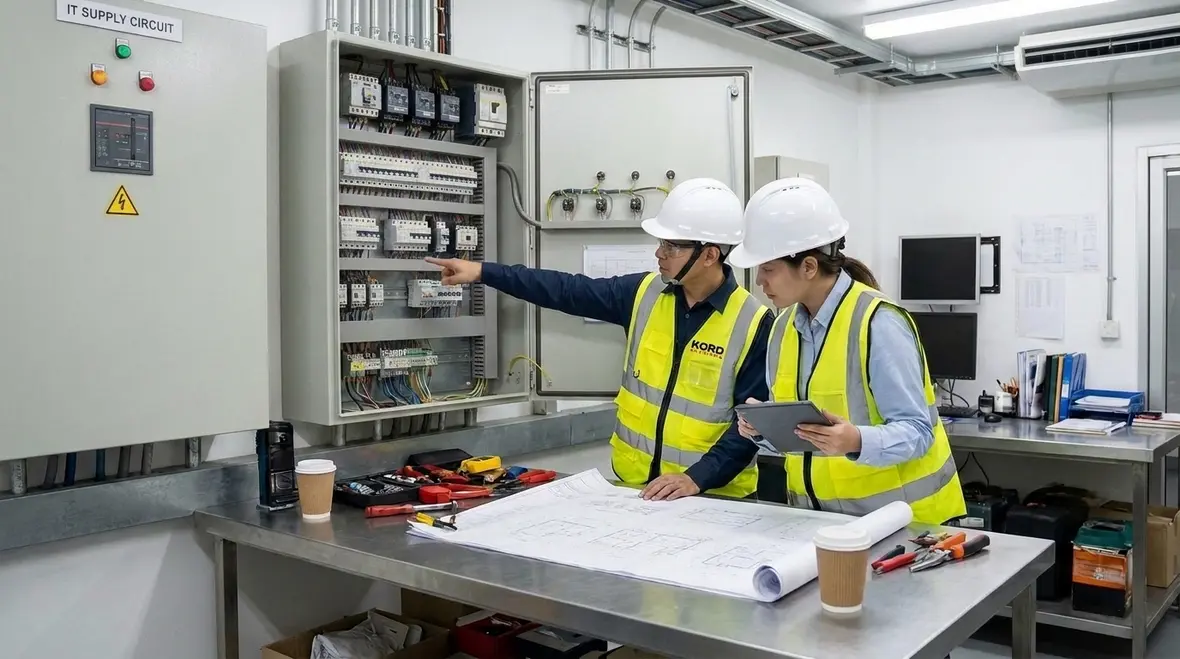
The NEC, based on NFPA 70, sets the minimum requirements for safe installation of electrical systems. However, safety is not the only goal. It also shapes how engineers and electricians design systems to reduce risk, improve performance, and support proper inspection and testing.
When our expert service staff and technicians review designs, we look for practical compliance points, not just code language. For example, we help clients understand how rules affect construction details like cable routing, protective devices, and system separation. In addition, we pay close attention to coordination across areas because buildings rarely have one “single” electrical system. Instead, they have a layered set of systems that must work together.
Also, commercial and industrial sites often include networks, control systems, and mission critical loads. Consequently, the NEC’s scope becomes more than a checklist. It becomes a blueprint for how your power behaves when conditions change, such as during equipment faults, maintenance, or planned switching.
If your team wants a broader orientation to how these rules work together, you can pair this guide with Kord Electric’s National Electrical Code education, including our resources in the Kord Electric blog on topics like NEC working space clearances, branch circuit scope, and emergency power planning, as well as Kord Fire’s overview of NFPA 70: All About The National Electrical Code (NEC) 2026.
How IT supply circuit rules support reliability, not just compliance
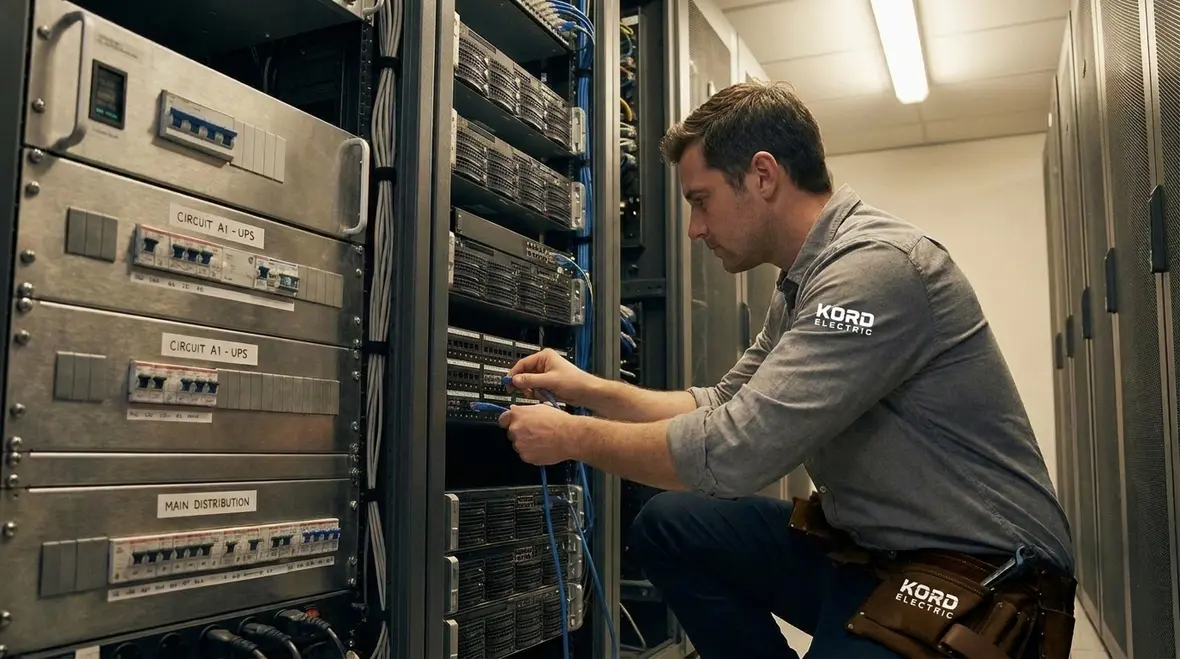
IT equipment demands a power supply that stays stable and predictable. As a result, NFPA 70 Section 645.6 IT supply circuits place specific attention on how circuits feed IT equipment, especially when you consider separation from other systems and how the power distribution is arranged.
In the field, we explain it like this. If a data closet power circuit is handled like a regular convenience outlet circuit, you can end up with nuisance trips, unwanted interruptions, or unsafe fault conditions. Therefore, we focus on building layouts and how circuit paths connect from distribution to the final IT load.
Our technicians also walk teams through how to plan for testing. Even if drawings look correct, real life includes cable runs, terminations, labeling practices, and installation tolerances. That is why we emphasize the “last mile” details: labeling, proper connection quality, and how protective devices operate under expected loads.
And yes, we have seen the “we will test later” plan. Later usually means the first time someone needs the system, which is a fun time to learn that fun was not a plan at all.
NEC 2026 direction: where teams need to pay attention now
Many facilities plan in cycles. They design, purchase, schedule installation, and coordinate inspections across multiple trades. Meanwhile, code updates land on a timeline that teams must plan around early. So, we help clients bridge the gap between what drawings show and what inspectors expect when the NEC revision takes effect.
To support this, we reference the same NEC interpretation themes that appear in our educational materials from related resources, including the broader national electrical code coverage we share across our platforms such as Kord Fire and the Kord Electric blog. When we review projects, we focus on how the changes affect commercial and industrial wiring practices and how those practices tie into system safety.
In particular, we emphasize design clarity. Clear single line diagrams, defined circuit boundaries, and documented protection settings reduce confusion during installation and testing. Additionally, good documentation helps your operations team during future maintenance because the “why” stays attached to the “what.”
For facility managers who want to connect this topic with other NEC-focused planning, you can explore related Kord Electric resources on branch circuit scope, working space, and emergency backup systems, as well as Kord Fire’s NFPA 70 overview, which ties electrical rules to fire and life safety decisions.
In short, we help you treat code updates as planning tools, not surprise pop quizzes.
Grounding, bonding, and protection: the triad that prevents headaches
Electrical safety does not rely on one rule. Instead, it relies on how grounding, bonding, and overcurrent protection coordinate. When these elements work together, fault conditions clear properly and exposed parts remain controlled.
Our expert service staff explains this with a calm, step by step approach during site walks. First, we identify the system type and the equipment that depends on it. Next, we review how grounding paths connect across the building. Then we verify that protective devices match the conductor sizes, load profiles, and fault clearing requirements.
However, if IT circuits receive inconsistent grounding or if bonding points are missed, you can create unsafe touch voltages or unreliable operation. Consequently, we emphasize attention to detail during installation. That includes checking terminations, verifying conductor integrity, and confirming that grounding conductors follow the planned routing.
We also discuss how protective device coordination affects downtime. A well-coordinated system clears faults selectively, which limits the number of rooms and racks impacted during a problem. In a major property building, that selectivity can mean the difference between one floor’s disruption and a facility-wide scramble.
Design and installation steps we use for commercial power distribution
When we build compliance into the schedule, projects move smoother. So, we follow a sequence that our technicians have used across commercial and industrial facilities and major property buildings.
Step 1: Map the load and define circuit boundaries
We separate IT supply needs from other loads so the system supports the equipment it serves. Then we align the circuit plan with the building’s power architecture, including distribution points and panel schedules.
Step 2: Verify wiring methods and routing constraints
We check cable and raceway choices for compatibility with the environment and installation method. Moreover, we review route plans to limit strain on terminations and keep access for maintenance.
Step 3: Confirm protection and settings
We coordinate protective devices so they clear faults reliably. Additionally, we verify that device ratings match conductor and load requirements.
Step 4: Execute clean terminations and labeling
We insist on solid workmanship because code compliance depends on real installation. And we label clearly, because future troubleshooting should not require a detective novel.
Step 5: Test, document, and support operations
We test systems and provide documentation that operations teams can use. Therefore, your maintenance staff can trace circuits and understand the system behavior without guesswork.
When needed, we also coordinate with fire and life safety teams, especially when buildings involve detection, suppression, and emergency power. We do not treat electrical and fire safety as separate worlds because, in real life, they overlap.
Common mistakes we help facilities avoid
Even strong teams can miss details. That is why we identify the usual problem patterns early, so your facility does not pay the price later.
- Mistake 1: Treating IT circuits like general-purpose circuits
When circuits serving IT equipment do not follow the intended IT supply circuits approach, you risk unsafe fault conditions and poor performance under stress. - Mistake 2: Missing bonding or grounding continuity
Small gaps in bonding practices can cause nuisance trips or unsafe conditions. Therefore, we verify connections with care. - Mistake 3: Weak coordination between design documents and field reality
Drawings change during construction, and we help keep the system aligned through site verification. - Mistake 4: Relying on “we will troubleshoot later”
Later often becomes a costly delay. So we test and document from the start.
Here is the playful part: electrical systems rarely fail politely. They usually fail in the middle of a deadline, a holiday, or a board meeting. We aim to make sure “mysterious” stays in the movies.
Quick reference: what the rules affect and what we check
Dual column reference for facility teams
|
System area we review IT supply circuits boundaries Grounding and bonding continuity Protection device fit and coordination Cable and raceway installation Labeling and documentation |
What good looks like Defined circuit routing to IT loads Safe fault clearing and controlled touch voltage Selectivity that limits downtime Install quality with access for service Clear records for maintenance and inspection |
FAQ: NEC, IT supply circuits, and inspections
Ready for code based confidence in your facility
When your building depends on stable power, we do not treat NEC requirements as paperwork. At Kord Electric, we bring technicians, expert service staff, and a practical compliance process to commercial and industrial facilities and major property buildings. If you want a clear plan for NFPA 70 Section 645.6 IT supply circuits, proper grounding, and protection coordination, we will help you map the work, verify the install, and document the results. Contact us today to schedule a site review and get your project moving with calm, real certainty.
For multi-site portfolios or properties across Southern California that need both immediate support and long-range planning, our dedicated Los Angeles County electrical services team helps facilities combine upgrades, maintenance, and code-driven improvements into one coordinated strategy.


