
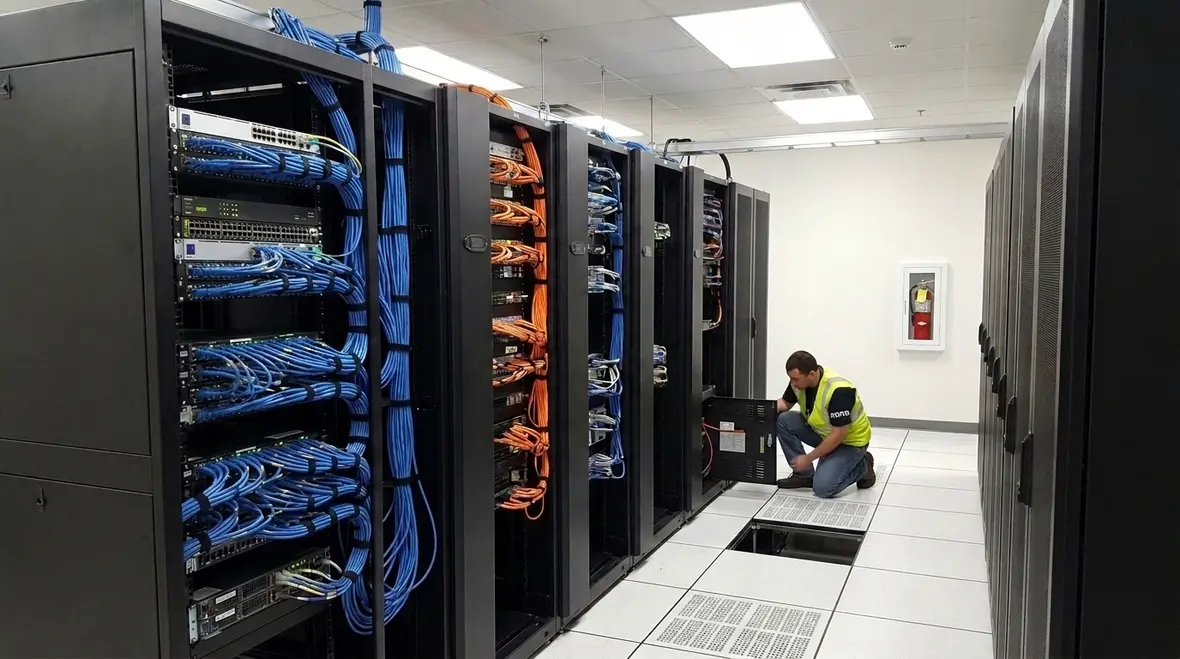
NEC Section 645.5 IT Equipment Room Requirements
NEC Section 645.5 and the IT equipment room baseline
At Kord Electric, we keep commercial and industrial projects running safely, and we do it by respecting the rules that control risk. In the first few minutes of any design or upgrade conversation, we focus on NEC Section 645.5 IT equipment room requirements, especially the expectations for suitable electrical installation, proper power distribution, and clear practices that protect IT gear. These requirements help ensure that the IT space stays dependable, not chaotic. And yes, chaos can happen when a data room is treated like a storage closet. We do not do that.
From there, we explain the National Electrical Code in plain terms. Then our technicians show how the theory turns into field-ready decisions that owners, engineers, and facility teams can trust. If you are planning a new build or a major retrofit, we help you map the “why” and “how” so the electrical system supports uptime, not surprises.
What the NEC really does for electrical safety and function
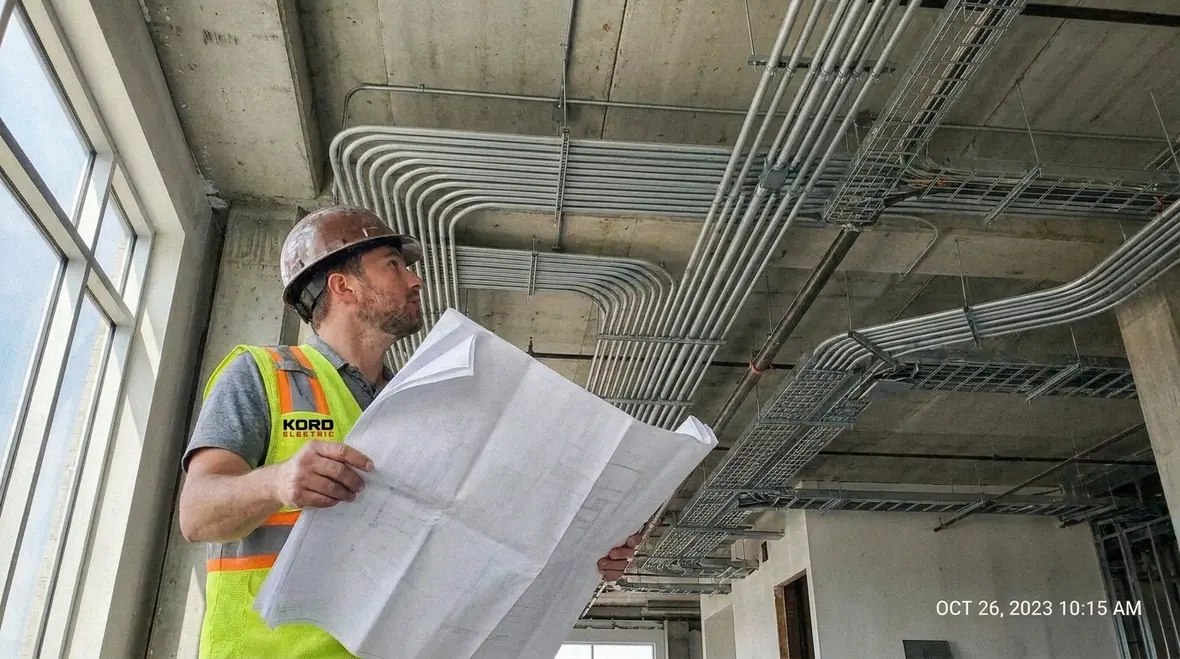
The NEC does not just list rules. It provides a structured way to protect people and property while supporting safe operation. First, it sets minimum installation standards. Next, it influences how systems are wired, labeled, protected, and maintained. As a result, facilities can avoid shock hazards, reduce fire risk, and improve reliability in real working conditions.
When people hear “code,” they often picture a 900 page book that nobody reads. We get it. But NEC guidance is what keeps the lights on, keeps machines safe, and keeps inspections from turning into long meetings with sad coffee. For commercial and industrial facilities, that matters because the electrical system is not a background utility. It is part of the process.
Even better, the NEC does not stop at “install it.” It pushes for smart selection of components and methods that fit the environment. In practice, that means we consider the building layout, equipment load, and expected operation. Then we align the wiring approach, grounding, and protection strategies with code intent.
How electricians translate NEC rules into real wiring plans
Our technicians handle NEC compliance like it is a practical job site tool, not a vague goal. Therefore, we start with a few key inputs: what equipment you run, where it sits, how it is powered, and what loads grow over time. Then we build a plan that supports safe installation and clean fault performance.
Next, we coordinate with the rest of the project team. We talk with engineers, controls contractors, and facility stakeholders. Then we align cable routing, panel schedules, and protection levels so everything works together. That reduces rework, and it also keeps the project moving.
At this stage, our expert service staff explain the “why” behind decisions. For example, we do not only say what needs to be done. We also point out what can fail when it is ignored. And if you are thinking, “We will just handle it later,” we politely remind you that later often shows up as a call at 2 AM. We are good at troubleshooting, but we prefer preventing the problem in the first place.
Single points of failure: power quality, grounding, and fault control
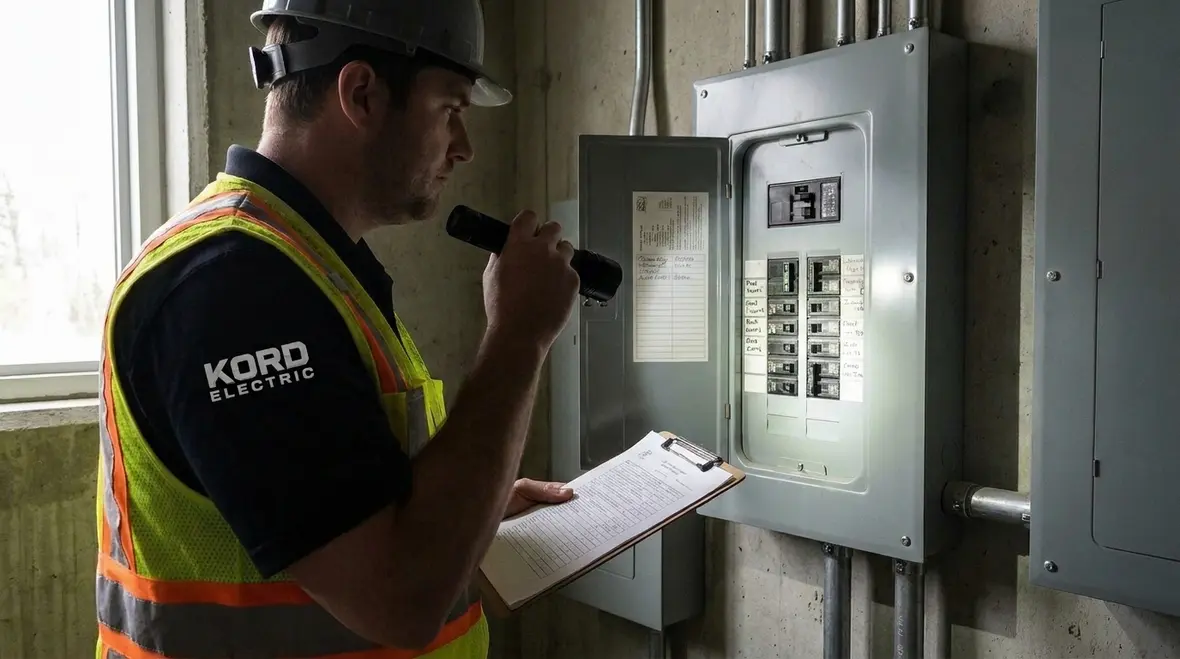
In many commercial and industrial sites, downtime does not come from one dramatic failure. Instead, it comes from small weaknesses that stack up over time. Power quality, grounding, and fault control are where those weaknesses often hide.
First, power distribution needs the right protections and correct coordination. When a fault occurs, the protective device should clear the right portion of the system. This helps limit equipment stress and keeps the outage from spreading. Second, grounding and bonding practices reduce the risk of shock and help stabilize system behavior. That matters for sensitive systems where steady performance is not optional.
Then there is power quality. Facilities increasingly rely on servers, networking gear, automation controllers, and medical or lab devices in major property buildings. That equipment does not tolerate random interruptions. So we plan for stable power delivery and we select components that match the operational reality. Our team supports this with careful layout and installation practices that follow NEC intent.
Design considerations for IT spaces and critical electrical paths
When an IT space needs to stay dependable, the electrical plan must treat that room like a mission area, not a storage zone. This is where the NEC Section 645.5 IT equipment room requirements influence more than one line item on paper. They affect where equipment connects, how distribution is arranged, and how the system supports safe operation.
Additionally, we consider how cords, raceways, and wiring methods support orderly installation. We also consider how labeling and maintenance access support long term operations. Therefore, if a facility team needs to service a device, they should be able to do so without turning the room into an obstacle course.
We also think about the full electrical path, not only the final outlet. From upstream protection through the distribution layout, the goal is consistent performance. In a typical major property building, that might include dedicated circuits, planned capacity for growth, and an approach that avoids random device tapping. In short, we help IT rooms get a power structure that stays predictable.
Inspections, documentation, and the calmer path to approvals
Compliance is not complete when the wiring is finished. Inspections and documentation close the loop. At Kord Electric, we help commercial and industrial customers handle this stage with clarity. That means we organize records, verify installation practices, and align the work with what the inspector expects to see.
Our technicians and expert service staff explain what they check on site. We look at installation methods, equipment labeling, proper connections, and the overall layout. Then we confirm that the protective devices and circuit arrangements match the plan. This process keeps projects from getting stuck in back and forth revisions.
Also, we prepare owners and facility managers for how the system will be maintained. If a facility team knows the service approach ahead of time, it reduces operational surprises. Think of it like giving the driver a map before the road trip. You can still get lost, but at least you are not navigating by vibes and bad directions.
Common commercial mistakes we help you avoid
Most electrical issues in commercial and industrial buildings do not start because people hate safety. They start because shortcuts feel convenient. We see patterns over and over, and our teams work to prevent them early.
One common mistake is treating IT or critical rooms as “good enough.” The installation method, circuit protection, and room practices must match the intended use. Another mistake involves poor coordination between electrical distribution and equipment needs. When the system is not planned for growth, additions become messy and unbalanced.
We also notice a trend of unclear labeling and messy documentation. Later, that turns into slow troubleshooting and longer downtime. In major property buildings, this affects operations beyond one room, because systems often share infrastructure.
Finally, some teams select components without checking how they integrate into the full system. That can create inconsistent performance or reduce fault control effectiveness. Our approach helps prevent that by connecting design intent to installation reality.
Quick reference: NEC related resources and expert support
Some customers ask where we pull our guidance from. We use recognized references and current updates, and we stay aligned with the approach discussed in industry resources that cover the National Electrical Code. You can review our related discussions through Kord Electric and Kord Fire materials, including NEC overviews and practical guidance on electrical safety for professional environments. For additional context on related topics, many teams also reference fire and safety organizations that discuss NEC fundamentals and its impact on building safety.
Facility teams who want to dive deeper into broader NEC direction can also review Kord Electric’s guide to the code for upcoming cycles in Understanding NFPA 70: The National Electrical Code Explained for 2026, which connects code language to practical field decisions for commercial and industrial projects.
When you work with us, you get more than a citation. You get decisions that fit your facility. And because our service staff explain the steps in plain language, your team understands what was done, why it matters, and what to watch during maintenance.
Want a professional electrical plan that holds up under real operation? Kord Electric supports commercial and industrial facilities with expert design coordination, installation, and service.
FAQ
Conclusion and call to action
If your facility runs critical operations, you cannot treat electrical planning as an afterthought. Kord Electric helps commercial and industrial teams follow NEC expectations, including NEC Section 645.5 IT equipment room requirements, and translate them into safe, dependable installations. Our technicians and expert service staff explain decisions clearly, so your team knows what matters and why. If you are planning a build, major retrofit, or IT room upgrade, contact us. We will help you move forward with confidence, not guesswork.
For organizations in Southern California that need a partner to design, install, and maintain critical electrical systems, our Los Angeles County electrical services bring together code-conscious planning, practical field experience, and responsive support so your IT rooms and facility power stay aligned with NEC and real-world operations.
If you are ready to align your IT equipment room with NEC, protect uptime, and simplify inspections, Kord Electric is here to help plan, install, and maintain a system that supports long-term performance for your operations team and technology stack.


