
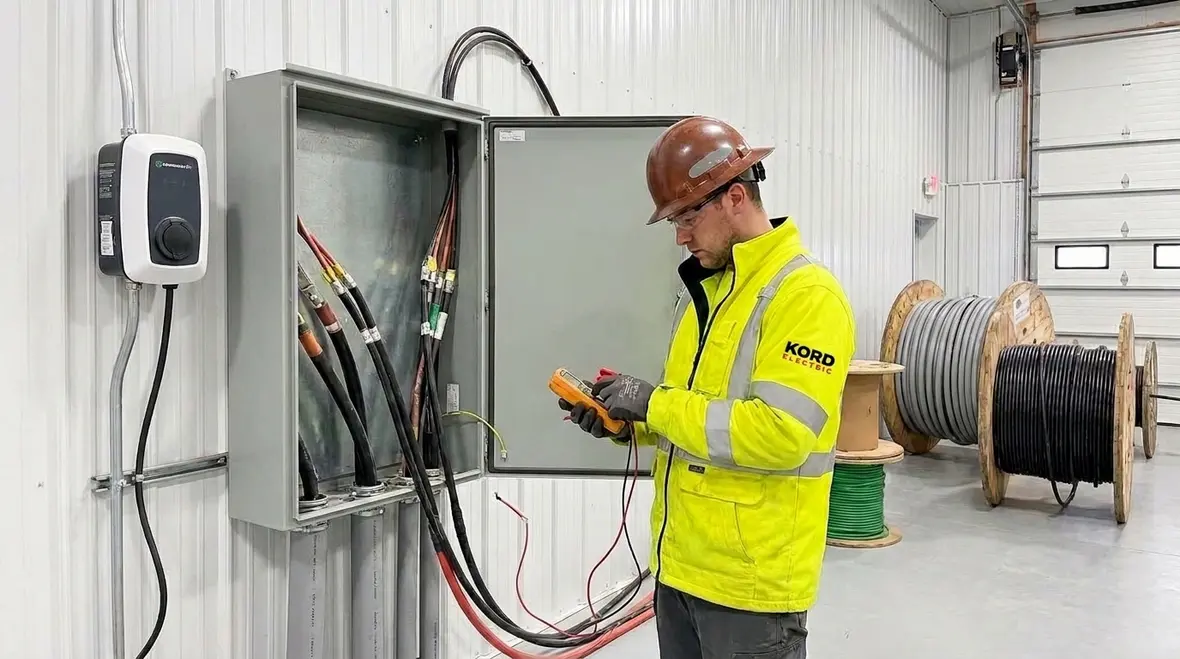
NFPA 70 Section 650.7 EV Charger Conductors Explained
When we plan an EV charging upgrade for a commercial or industrial facility, we start with one idea: the wiring has to be safe, clear, and code compliant. That is why we pay close attention to NFPA 70 Section 650.7 EV charger conductors early in the project, right at design and before a single cable is pulled. In other words, we do not wait until the inspection day to “figure it out.” Our technicians and expert service staff explain the rules in plain language, so decision makers know what will be installed, where it will run, and why it matters.
Now, yes, the National Electrical Code can sound like bedtime reading. But we treat it like a work order, not a mystery novel. And when your facility needs reliable power for vehicles and people, we move with care, not guesswork. Let’s walk through what NFPA 70 requires, how EV charger conductors fit into the bigger picture, and how our team at Kord Electric handles it with steady hands and calm professionalism.
How NFPA 70 shapes safe electrical design
In practice, NFPA 70 sets the baseline for electrical systems in the United States. It covers design, installation, and safety requirements that help prevent shock, fire risk, and equipment failure. For commercial and industrial sites, that baseline matters even more because systems run longer hours, serve more people, and often support critical operations.
Our approach at Kord Electric stays grounded in how code intent becomes real-world hardware choices. For example, we do not treat wiring rules like paperwork. Instead, we look at the environment a facility faces. We consider raceways, conductor sizing, installation methods, connection rules, and the type of loads feeding the system. Then, we match those needs to NFPA 70. Our expert service staff explains each decision step by step, so facility managers and engineers see the logic, not just the result.
And yes, we get it. Some people read code the way others watch a slow courtroom drama. However, when the lights stay on and charging works without drama, everyone appreciates why we took the time.
NFPA 70 Section 650.7 EV charger conductors in plain terms
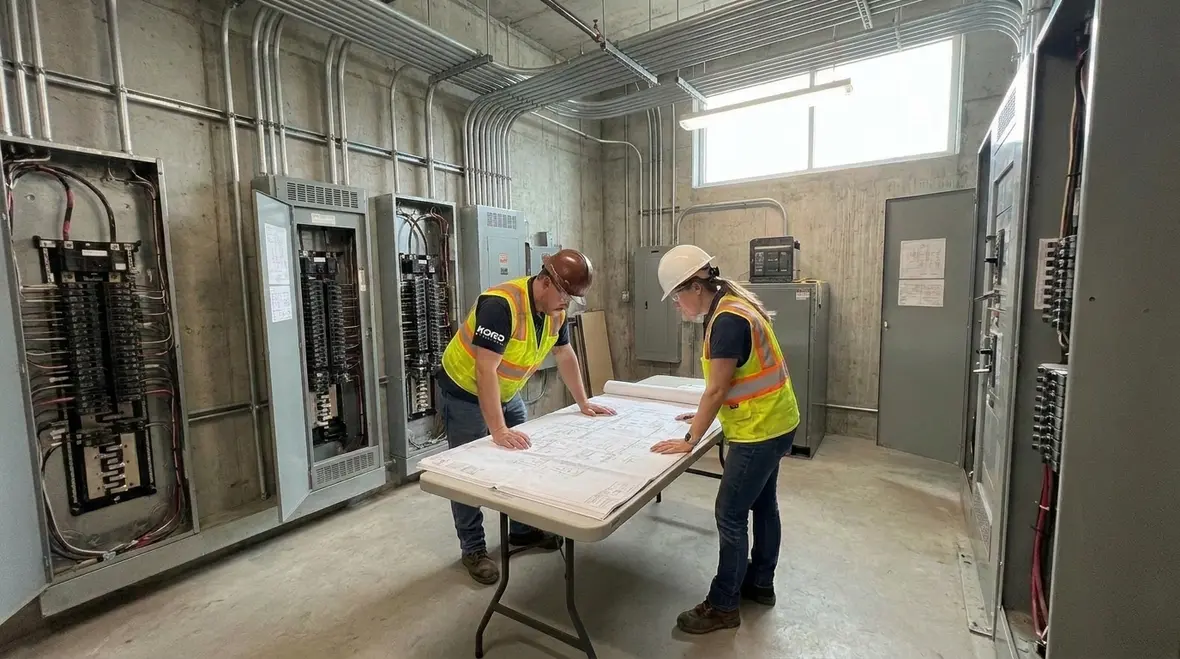
Here is the key point: NFPA 70 Section 650.7 EV charger conductors guides how conductors for EV charging systems must be selected and installed. It addresses the practical details that keep conductors safe under expected conditions. Therefore, we treat this section as a core part of any EV charging design for major properties.
In real projects, this section influences several decisions. First, we verify conductor ratings for the application. Next, we confirm that insulation and wiring methods fit the installation environment. After that, we check protection requirements and the way conductors route through the facility. Finally, we coordinate terminations so they meet code expectations and perform safely over time.
Our technicians explain why each piece matters. If conductors do not match the load and environment, heat and stress can build. Over time, that can lead to failures and safety hazards. Additionally, a mismatch can create delays during inspections, and nobody wants to “reschedule the future,” unless the future is an appointment window.
When we follow 650.7 correctly, we help ensure that EV charging equipment operates as intended. Moreover, we support a system that stays reliable even when demand rises, such as during shifts, events, or fleet expansions.
Where conductors connect to protection and wiring methods
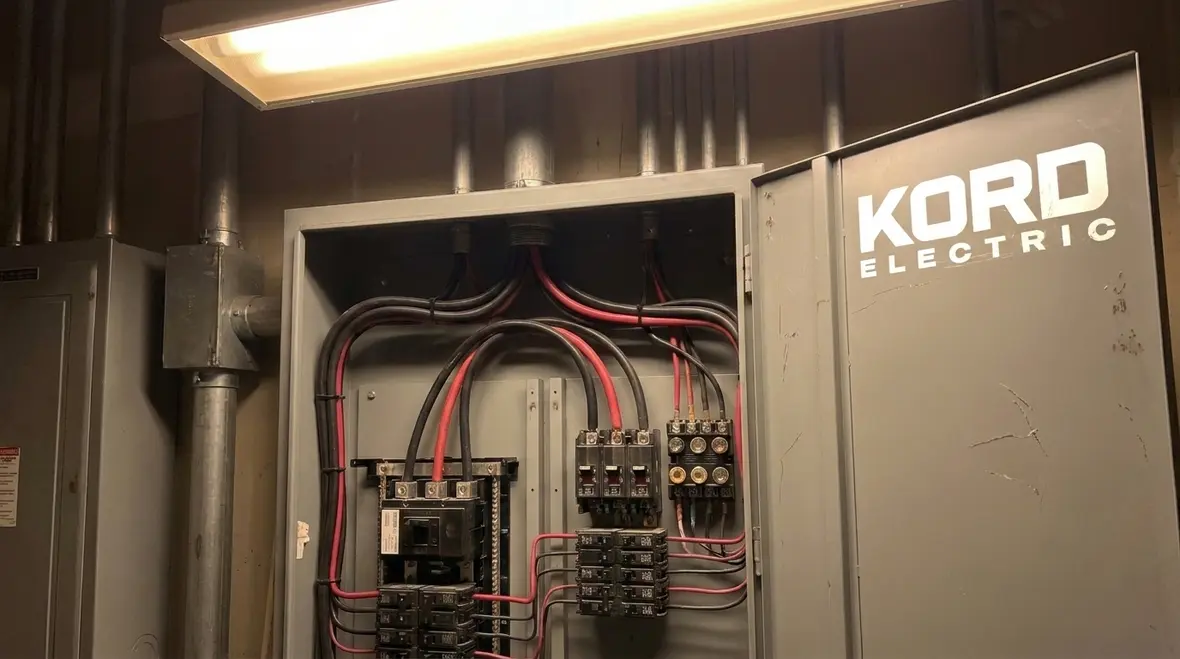
Code compliance does not live in one section. So we integrate conductor requirements with protection and the surrounding electrical system. To do that well, we look at how EV charging ties into feeders, branch circuits, disconnecting means, and overcurrent protection strategies. Then we confirm that the wiring methods used for EV charger conductors align with the environment and installation plan.
At Kord Electric, we also pay attention to routing and physical protection. For example, where cables travel through parking areas, near loading docks, or along building exteriors, we consider exposure risks. We also look at how installers will support cables and manage bends and strain. If a system uses conduit, we confirm correct sizing and fill levels. If it uses other approved wiring methods, we verify they match code rules and project needs.
Next, we ensure terminations and splices follow the required standards. Poor connections do not fail quietly. Instead, they can create heat, intermittent faults, and costly troubleshooting. Our expert service staff emphasizes quality during installation, then we verify with testing and documentation so the facility team can trust what was built.
In short, we build the conductor “story” end to end. First the conductors meet 650.7 requirements. Then the protection matches the system design. After that, installation methods and connection details support long-term performance. That is how commercial and industrial charging projects stay steady, not shaky.
Planning for commercial and industrial facilities
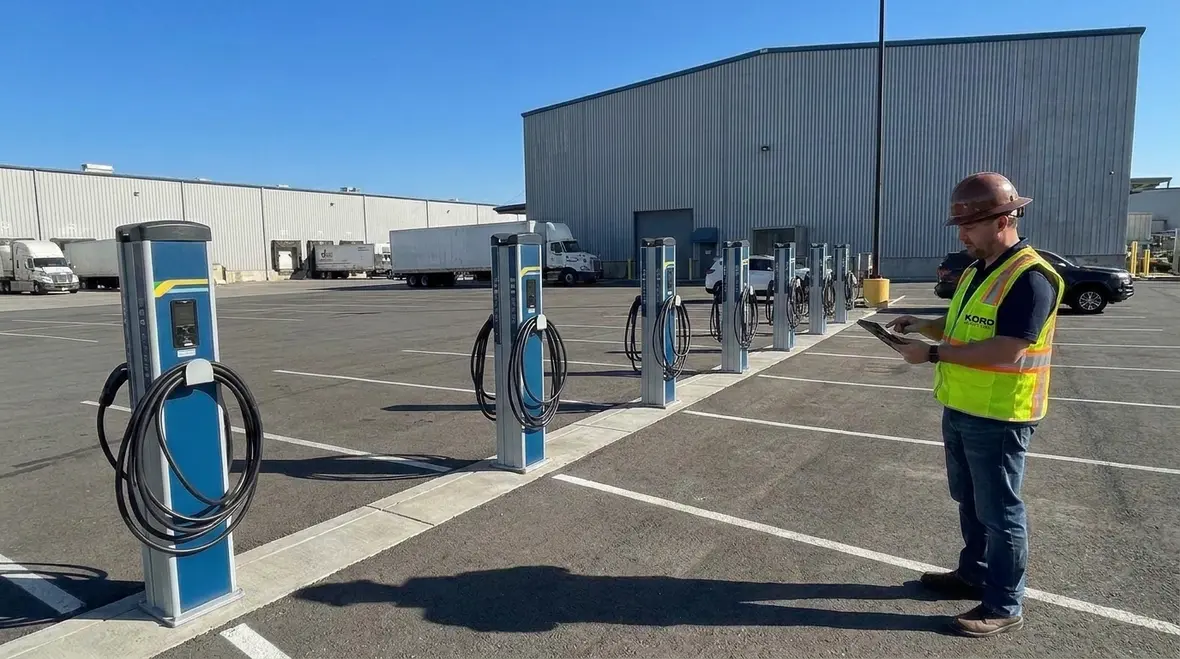
Commercial and industrial facilities have a different rhythm than residential builds. Vehicles may charge throughout shifts, and power use can spike when fleets scale. Meanwhile, maintenance windows can be limited. For that reason, we plan EV charger conductor routes and system capacity with operational reality in mind.
Our planning work usually starts with load assessment and site mapping. We identify where chargers will mount, how power will reach them, and what other site systems may compete for electrical capacity. Then we coordinate with building structure, preferred routing paths, and any constraints from existing panels or switchgear.
Because we serve major property buildings, we also consider future growth. We advise on how to prepare for additional chargers and how to avoid rushed upgrades. When we plan ahead, we often reduce disruption during later phases. And yes, we know disruption is the most expensive word in the commercial dictionary.
Additionally, we coordinate with safety goals like clear signage, safe access, and compliant placement of disconnects and conduit runs. Our technicians explain these choices in a calm, direct way, so facility owners and engineers understand what will happen, when it will happen, and what they will receive at closeout.
Common pitfalls we prevent during installations
Even with good intentions, EV charging projects can stumble. However, we prevent many issues through careful design reviews and hands-on installation checks. Here are the pitfalls we commonly see, and how we address them.
- Underestimating conductor requirements: We size and verify conductors based on code rules, load needs, and installation conditions.
- Routing that ignores exposure risks: We plan cable paths to manage physical damage and weather-related concerns.
- Unclear termination practices: Our technicians follow approved connection methods to reduce heat and intermittent faults.
- Disconnect and protection mismatches: We ensure the protection plan fits the conductor design, not a guess made at the last minute.
- Documentation gaps: We provide clear project records so the facility can maintain and troubleshoot confidently.
Now, if you are thinking, “That sounds like a lot,” you are right. Yet it sounds like that because it works. Code compliance is not a vibe. It is a process. And when we handle it, we handle it thoroughly.
Interpreting NEC updates and coordinating with fire and building teams
NFPA 70 updates can affect EV charging installations, including how requirements are explained and applied in new editions. Therefore, we stay current and we coordinate with the teams who protect the building, including fire and life safety stakeholders. In other words, we do not build in isolation. We align electrical safety with site safety.
We also coordinate when other systems interact with charging equipment. For some facilities, fire suppression and alarm systems run alongside power infrastructure in the same areas. When electrical runs share spaces with other building systems, we plan carefully to avoid conflict and to support safe operation.
In addition, we work within the broader ecosystem of safety guidance. For fire-focused perspectives and practical safety discussions, many teams also look toward resources from fire specialists and industry groups. For example, Kord Fire discusses NFPA 70 topics in a way that supports real installations, and fire service organizations like Fire Pumps groups help site teams think about safety planning. Meanwhile, our team at Kord Electric focuses on electrical design and installation so charging systems integrate correctly with the building’s electrical backbone.
If you want a broader primer that pairs well with this discussion, you can review Understanding NFPA 70: The National Electrical Code Explained For 2026, which walks through how the code shapes safe electrical systems across building types.
Then, when the inspection day arrives, we do not treat it like a surprise quiz. We already built the project to comply, and we provide the information the inspector needs.
Frequently asked questions about NEC and EV charger conductors
| Question | Short answer |
| Do commercial facilities follow NFPA 70 for EV chargers? | Yes. Commercial and industrial sites typically follow NFPA 70 requirements for safe installation of EV charging systems. |
| Why do conductors matter so much in EV charging? | Because correct conductor ratings and wiring methods help prevent overheating and unsafe operation under load. |
| What does 650.7 cover in practical terms? | It guides how EV charger conductors must be selected and installed for safety in the application. |
| Can we install EV charging without detailed conductor planning? | You can, but it usually leads to rework or inspection issues. We plan early to avoid that. |
FAQ
Get the right EV charging electrical install with Kord Electric
When a commercial or industrial facility installs EV charging, we help you get it right the first time. Kord Electric coordinates conductor selection, wiring methods, protection planning, and installation details in line with NFPA 70 expectations, including the rules around EV charger conductors. Our technicians explain what we do and why it matters, so your team feels confident during inspections and after commissioning. If you want a calm, code compliant charging upgrade, contact Kord Electric today and let us map the path from power to dependable service.
If your project spans beyond a single charging row and touches panels, feeders, or larger distribution equipment, you can also align your upgrade with Kord Electric’s broader Los Angeles County electrical services, so EV infrastructure, building power, and long-term maintenance all follow the same code-conscious plan.


