

NFPA 70 Section 660.4 Discharge Lighting Classified Locations
In commercial and industrial facilities, the electrical rules are not “optional vibes.” They protect people, property, and operations that cannot simply shut down for a weekend. We start with one often misunderstood area: NFPA 70 Section 660.4 discharge lighting classified locations. This rule helps define where certain discharge lighting must meet specific installation and safety needs, especially when flammable vapors, gases, or dusts could be present. So, if you manage a facility, you need clarity on how these classified locations work, how the National Electrical Code treats them, and how a real team applies the rules in the field.
As Kord Electric, we rely on our technicians and expert service staff to translate the code into practical steps. And while the NEC can feel like it was written by a committee that never met a deadline, we make sure your installation stays aligned with the latest expectations discussed in resources like the NFPA 70 guides from our associated teams at Kord Fire and Kord Fire Australia.
What the NEC expects for classified locations in 660.4
To keep things grounded, classified locations are areas where conditions increase the risk of ignition. Therefore, electrical equipment in those spaces must be selected and installed to reduce the chance of sparking, heating, or arcing that could ignite hazardous atmospheres.
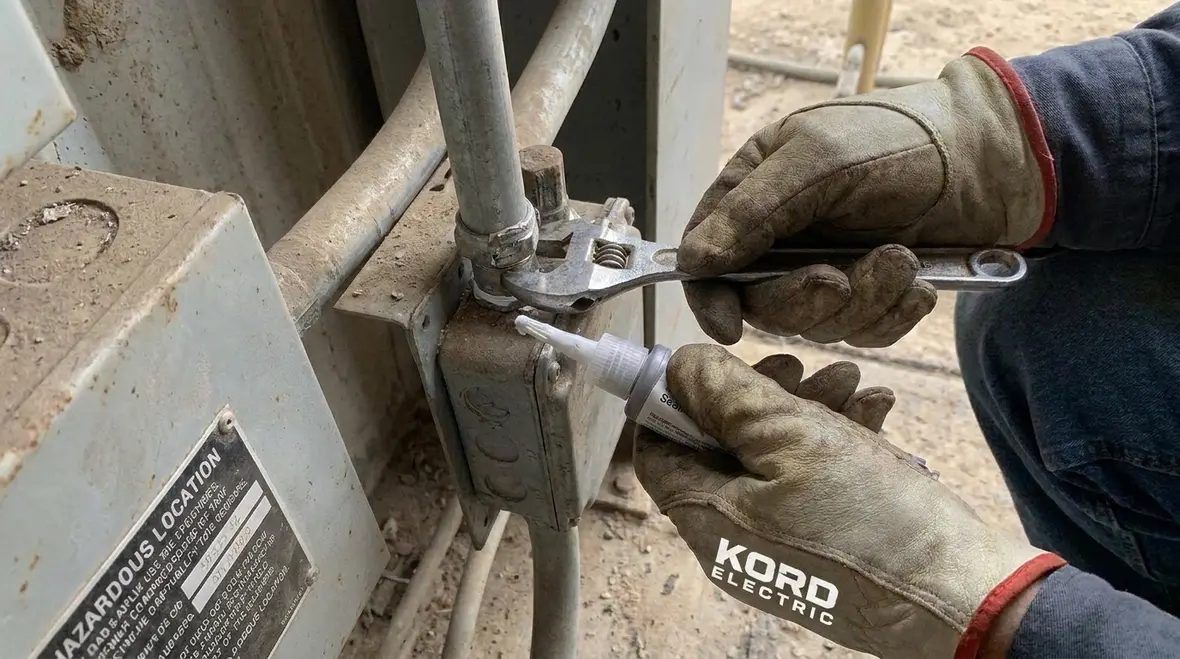
Within NFPA 70 Section 660.4 discharge lighting classified locations, the NEC addresses discharge lighting in specific hazardous settings. In other words, the code expects that lighting assemblies are not just “installed.” They must be appropriate for the classification and must follow the rules that reduce ignition risk.
Here is how we explain it in the field. First, our technicians review the facility’s environment and processes. Next, we confirm the hazards and location boundaries. Then, we help our clients select lighting equipment that matches what the NEC requires for that specific classified space. And yes, we do this calmly, because arguing with the code is like arguing with gravity. Gravity always wins.
For facility teams who want a deeper dive into how the NEC is structured overall, we also recommend pairing this topic with broader code resources, including the National Electrical Code breakdowns our partners offer in their NFPA 70 focused guides. Those resources connect the high level structure of the Code to everyday decisions, from panel work to specialized lighting in hazardous atmospheres.
How facilities should map hazardous atmospheres
Proper mapping drives proper electrical design. If someone guesses the boundary, the whole plan can drift into risk. So we guide commercial and industrial owners to treat classification as a job with inputs, measurements, and documentation.
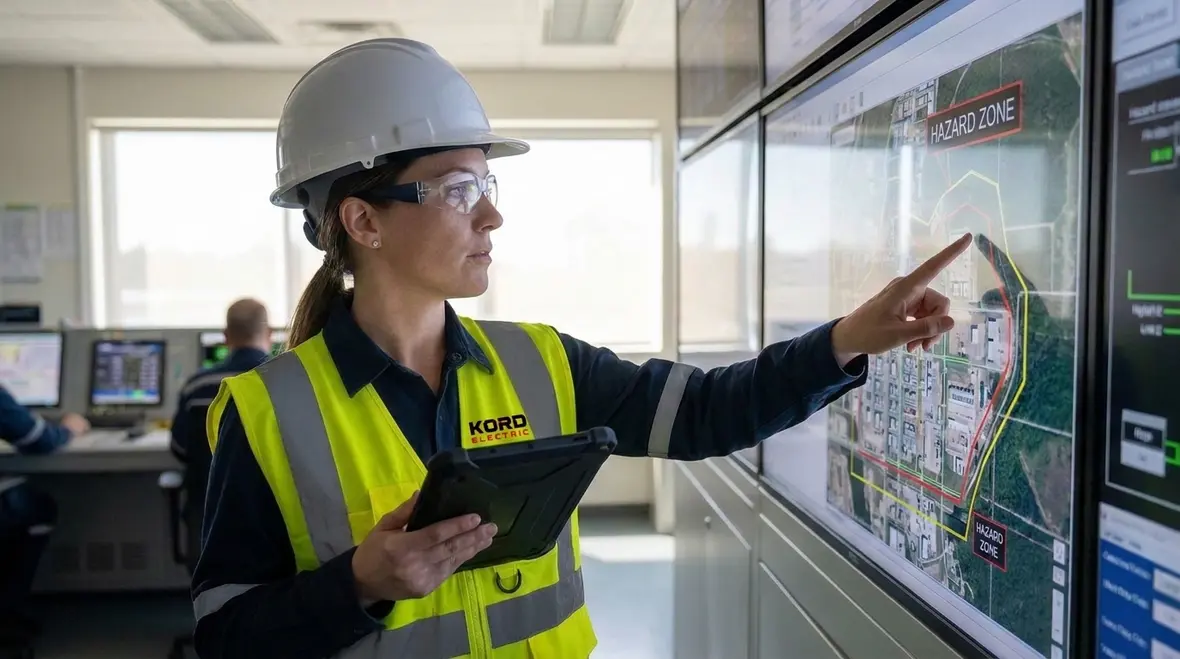
Typically, we see three big sources of hazardous atmospheres: flammable gases and vapors, combustible dust, and ignitable fibers or particles tied to process operations. However, the details vary by site. A refinery, a chemical processing unit, a bulk storage warehouse, or a paint finishing area each has its own rules of cause and effect.
To move forward, we ask practical questions. Where are the releases expected? When do they occur? How often does ventilation change? Which work areas see cleaning cycles that can disturb dust? And, importantly, how do operational schedules affect exposure?
After that, our expert service staff helps connect the mapping to equipment selection. Discharge lighting that is rated for a non classified hallway might be a bad choice when the hazard boundary extends into a service bay. Consequently, we do not let “it looks fine” decisions run the electrical program. We align decisions with the NEC approach, including the thinking behind NFPA 70 Section 660.4 discharge lighting classified locations.
Because these decisions rarely live in isolation, we often connect classification work with larger planning guides, such as electrical distribution, emergency power, and reliability assessments for commercial facilities. When those plans sync with hazardous-location mapping, you reduce the chance that a lighting decision creates conflicts with upstream protection, switching, or shutdown strategies during abnormal conditions.
Lighting design choices that keep code compliance realistic
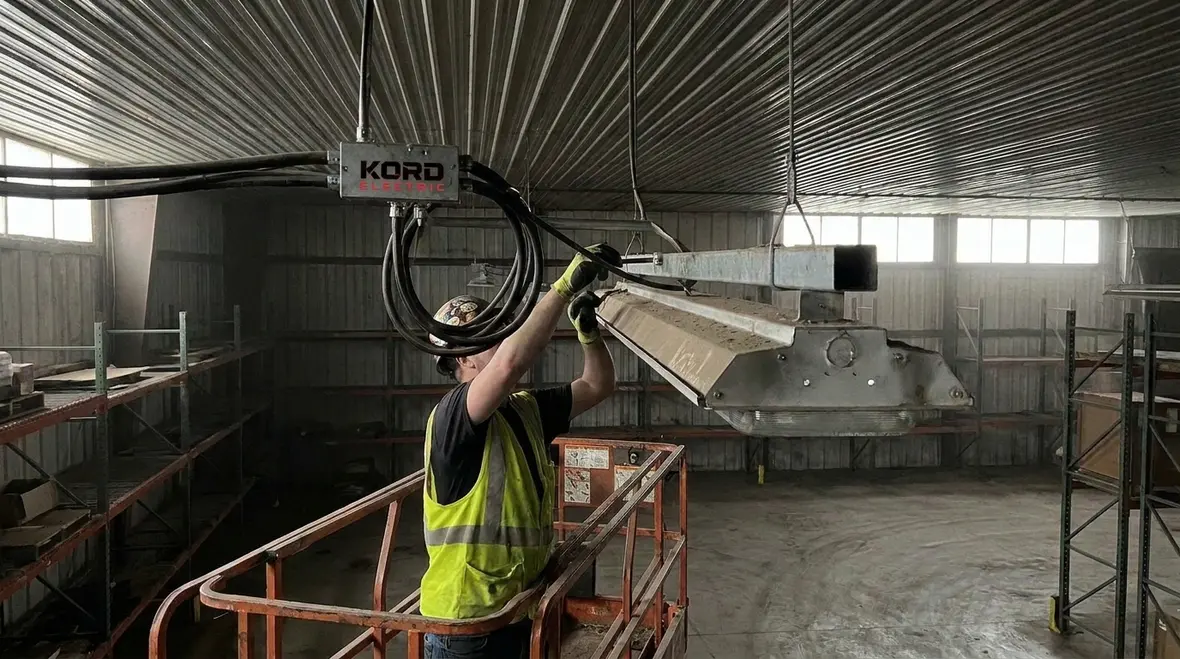
Once the area is mapped, design becomes a matching exercise: the environment must match the equipment rating. The NEC expects that the lighting system, including its fittings, housings, and wiring method, addresses ignition risks.
For many facilities, the tricky part is not the fixture itself. It is the full setup. That includes how the luminaire is mounted, how it connects, how cables are routed, and how connections remain secure and protected. A good fixture with poor installation details can still create failure points.
At Kord Electric, our technicians plan lighting with the entire system in mind. For example, we look at how heat might build around a fixture in a dusty area. We also check how vibration might loosen hardware near industrial equipment. Then we review how the wiring method behaves under expected conditions like moisture exposure, chemical exposure, and cleaning chemicals.
And because reality loves comedy, we often see the same punchline during inspections: someone swapped a component for “what we had on the truck.” If the new part does not match the approved electrical and ignition protection requirements, you may lose compliance without realizing it. We help clients avoid that plot twist by standardizing components and documenting what gets installed.
In practice, that means we encourage facilities to treat hazardous-location lighting as a controlled bill of materials, not a casual shopping list. When fixture types, drivers, mounting hardware, and connection methods are clearly defined, future repairs stay compatible with the original classified design instead of drifting toward convenience and guesswork.
Wiring methods, sealing practices, and field installation discipline
Code compliance lives in the details. Even when lighting fixtures are rated correctly, installation can introduce hazards. Therefore, we place strong emphasis on wiring methods and protective practices, especially for hazardous locations.
First, our team checks the routing path and physical protection needs. Second, we verify that required fittings, boxes, and connections meet the same intent as the lighting equipment. Third, we confirm that any sealing or containment practices match the design and classification approach.
In industrial facilities, conductors can move or shift due to thermal cycling, maintenance activity, or equipment vibration. So we ensure the installation method supports stability over time. Then, we focus on workmanship. Clear labeling, secure terminations, and careful torque settings help prevent heat rise and connection failure.
Our expert service staff also trains in-house teams when clients need ongoing work. In other words, we help others maintain the standard after we leave the jobsite. That matters because code compliance is not a one-day event. It is a living process, like a warehouse inventory that never stops changing.
When we tie this back to NFPA 70 Section 660.4 discharge lighting classified locations, the message is simple: the installation must perform as a system. That means the luminaires, supports, conduit, cable, seals, and junction boxes all operate as one protective chain. Break one link with an incorrect field shortcut, and the entire classified-location strategy can unravel.
Testing, inspection readiness, and ongoing maintenance
Commercial and industrial operations require reliability. So we set up a pathway for testing and inspection readiness early in the project. Instead of scrambling at the end, we build traceability and clarity into the process.
We verify that the installed lighting aligns with the approved design and that equipment is properly secured and connected. We also confirm that the installation supports the hazards and classified boundaries established for the site.
Maintenance planning plays a major role too. Discharge lighting can be impacted by dust loading, vibration, and chemical exposure. If cleaning practices use the wrong tools or chemicals, you can damage seals and protective components. Consequently, our technicians help clients develop maintenance routines that protect both safety and lamp performance.
We also recommend a disciplined change-control process. When facilities swap fixtures, revise ventilation, or modify processes, hazardous classification can shift. So, we encourage re-evaluation when operations change. If your production line adds a new solvent or changes release timing, the classified area might not match last year’s drawings.
For major property buildings and industrial sites, we treat this as an operational safety system. That means audits, documentation, and field checks that match the real environment, not just the original plan.
Teams that already use broader power reliability assessments or electrical asset management tools can fold their hazardous-location lighting into that ecosystem. When maintenance records, drawings, and inspection notes live in the same structure as panel schedules and distribution equipment data, it becomes much easier to prove compliance and plan upgrades years down the line instead of reacting in crisis mode.
Partnering with Kord Electric for commercial and industrial electrical safety
When you work with Kord Electric, we operate like a safety partner, not a one-time installer. We serve commercial and industrial facilities and major property buildings, and we bring that focus into every project step. Our technicians and expert service staff help clients interpret NFPA 70 requirements in a way that supports safe operations and smooth compliance.
Also, we keep the experience straightforward. We explain what the NEC expects, what the classified location boundary means, and what installation details protect against ignition risk. Then we build plans that field teams can follow without guesswork.
If you are reviewing an upgrade, managing a capital project, or preparing for inspections, we can help you get the lighting and associated electrical work aligned with the intent of NFPA 70 Section 660.4 discharge lighting classified locations. We are not here to sell “random code facts.” We are here to help your facility stay safe and ready to operate.
And just so we keep it human, we know compliance paperwork can feel like a never ending sidebar quest. So we streamline where we can, while still doing the work the right way. Like a good power tool, we focus on performance. The results should speak louder than the fine print.
For organizations operating across Los Angeles County, our broader Los Angeles County electrical services support that same mindset across panels, distribution, emergency power, and specialized systems. When hazardous-location discharge lighting fits into that larger framework, your facility gains both code alignment and a calmer day-to-day operating rhythm.
FAQ
Conclusion
If your commercial or industrial facility includes hazardous processes, we recommend you take NFPA 70 Section 660.4 discharge lighting classified locations seriously and plan the electrical work with discipline. Kord Electric brings experienced technicians and expert service staff who align lighting design, wiring methods, and installation details with NEC intent. Then we help you stay inspection ready and reduce risk through documentation and maintenance guidance. Call us today to review your classified lighting needs and build a clear, code aligned path forward. We will do the heavy lifting, while you keep operations moving.
If your team is also planning wider upgrades across your facility or portfolio, you can connect this work with our regional support by exploring how our Los Angeles County electrical services for commercial and industrial facilities fit into long term planning, reliability, and compliance goals.
When you are ready to move from code questions to a concrete plan, our commercial and industrial electricians are prepared to review your drawings, inspect field conditions, and coordinate a step by step path from today’s lighting to a safer, NEC aligned design that matches how your building really operates.


