NFPA 70 Section 675.13 Irrigation Grounding Methods Explained
NFPA 70 Section 675.13 irrigation grounding methods at the jobsite, explained
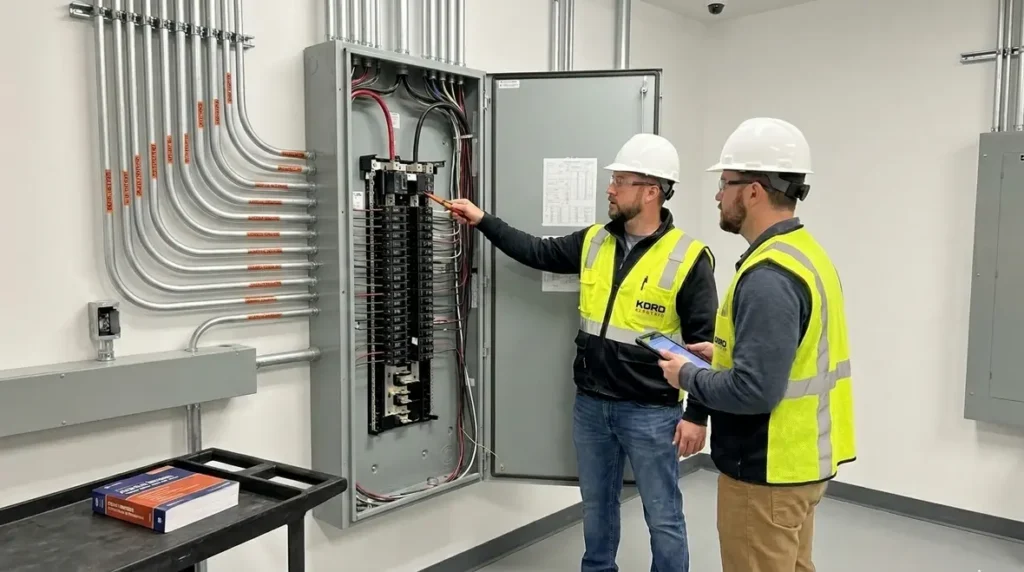
At Kord Electric, we help commercial and industrial facilities keep electrical systems safe, compliant, and ready for real world use. Early in the process, we pay close attention to NFPA 70 Section 675.13 irrigation grounding methods, because it guides how we handle grounding for irrigation systems. In many buildings, these systems sit close to pumps, controllers, metallic piping, and wet areas where mistakes cost more than money. They cost downtime.
Before anyone grabs a wrench and improvises, our expert service staff walks through the requirements in plain terms, then we apply them in the field. Think of it like this: the National Electrical Code is the rulebook, and our technicians are the ones who make sure the team actually reads the play before kickoff. And yes, we have seen what happens when someone treats grounding like optional DLC.
Understanding NEC 2026 context for large properties
When facilities plan upgrades in 2026, the electrical code still works as the backbone for safe design and installation. However, building owners and contractors often want one clear thing: what changed and what do we do now. We guide teams through the National Electrical Code as it applies to commercial and industrial environments, especially where irrigation systems connect to the electrical distribution and where water and metal surfaces increase risk.
In practice, the NEC treats grounding as a coordinated system, not a single part you toss in at the end. Therefore, we review how conductors, bonding points, and equipment grounds interact. Then we confirm that grounding and bonding meet the intent of the code: keep fault current paths predictable so protective devices operate properly. This reduces the chance of energized metal, nuisance tripping, and mysterious failures that only show up after hours.
Our technicians also explain how to interpret code language without turning it into a legal class. If an article says to bond or ground in a specific way, we trace the path from the irrigation equipment back to the grounding system. As a result, the design stays consistent across pump rooms, controller areas, and field wiring routes. And because major property buildings run on schedules, we plan work so we do not create unplanned outages. The goal is compliance, yes, but also continuity of operations.
For facility teams that want a deeper background on how the rulebook fits together, we often point them to our companion resource “Understanding NFPA 70: The National Electrical Code Explained for 2026”, which walks through the bigger NEC picture before drilling down into sections such as 675.13.
How irrigation grounding works across pumps, wiring, and metal parts
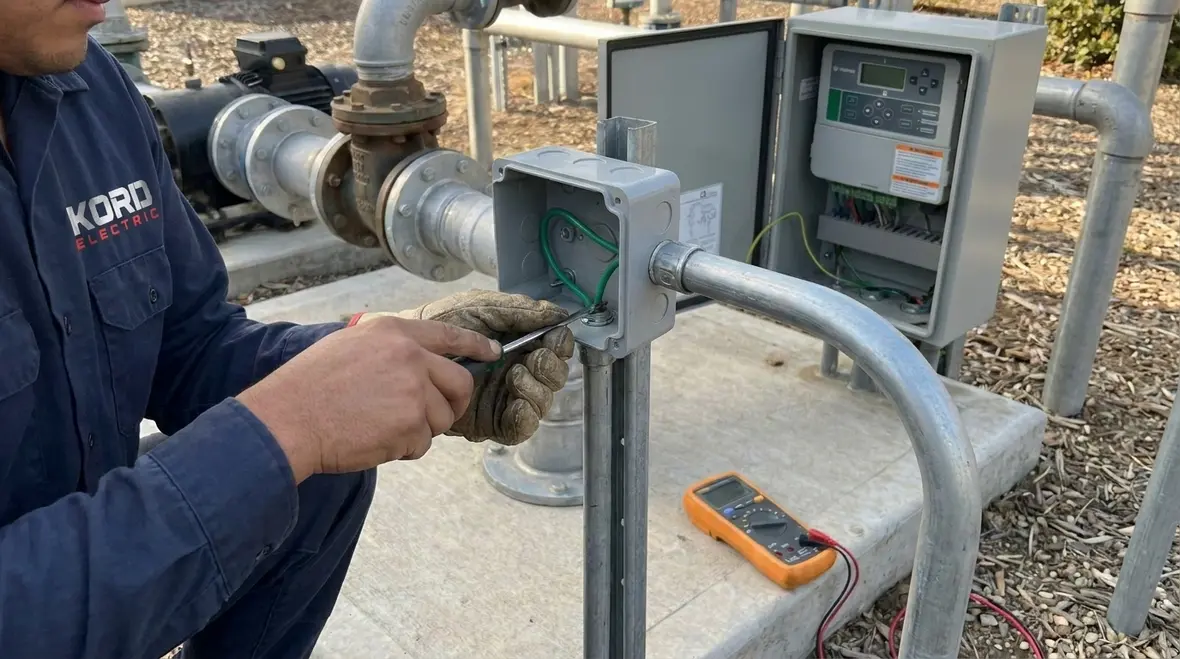
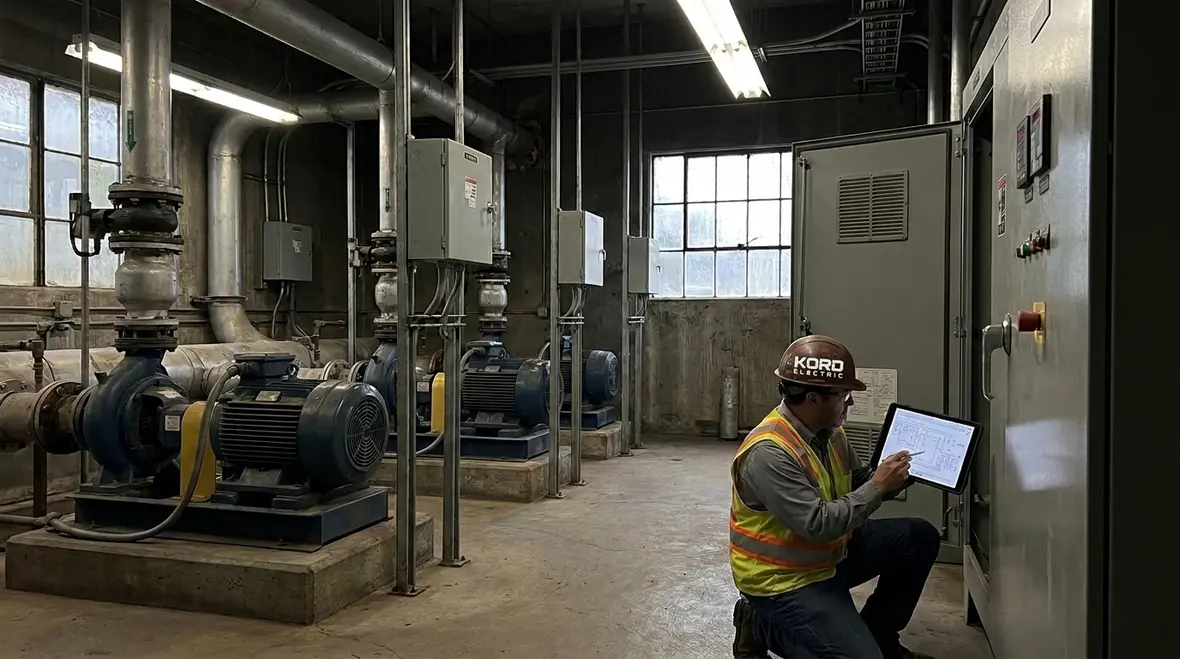
For facilities with irrigation circuits, grounding and bonding usually involve more than one component. We typically see irrigation system parts that include pump motors, solenoid valves, controller cabinets, wiring in conduit, and metallic pipe sections. Furthermore, these components can connect to water lines or sit in wet locations, which increases the need for a correct fault current path.
Our service staff explains it like a three step chain. First, we ensure the equipment receives a proper grounding connection. Second, we bond the relevant metal parts so they share the same electrical potential. Third, we verify that the system design allows protective devices to clear faults quickly. This is where grounding stops being theory and becomes a practical safety job.
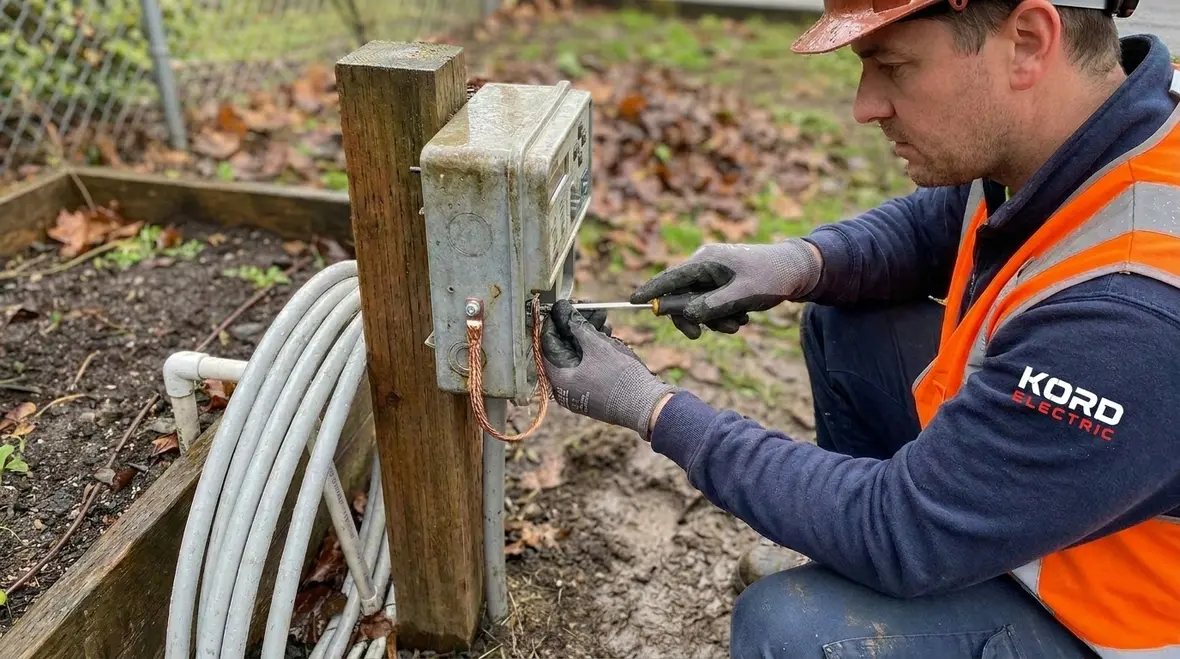
In the field, we often find two common trouble spots. One is loose or corroded bonding points, especially when irrigation systems sit outdoors year round. The other is wiring that looks neat but lacks the right grounding route. Sometimes the conduit is present, but the equipment bonding is missing or incomplete. Then, when a fault occurs, the path becomes unreliable, and the protective device may not trip when it should. Nobody likes that conversation, and we do our best to prevent it before it starts.
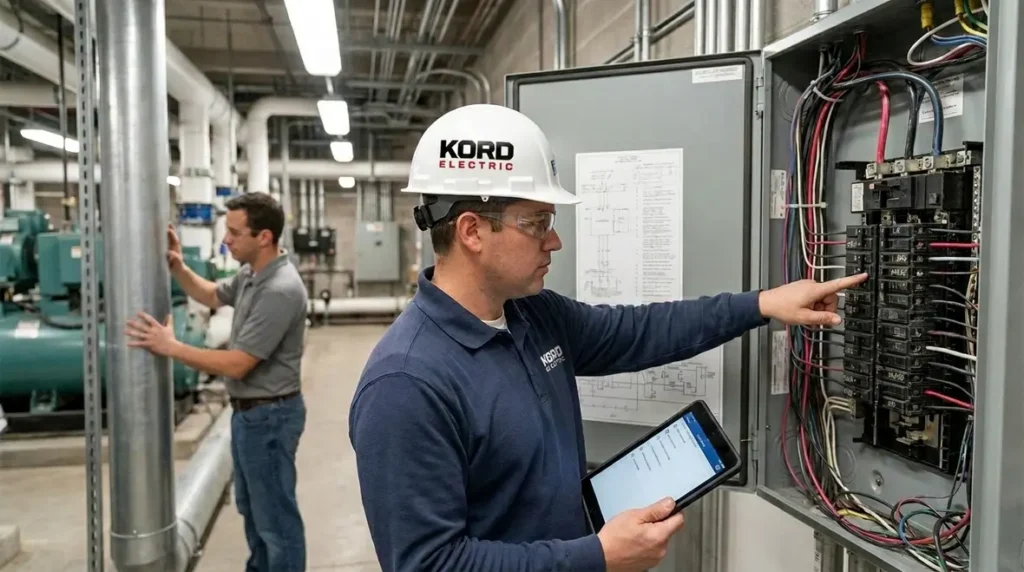
Accordingly, we test and document where we can, and we confirm continuity where it matters. In a large facility, that approach makes inspections faster, and it helps maintenance teams trust the system. We also coordinate with fire and life safety teams when required, since equipment rooms and water systems overlap in many property layouts.
Install bonding the right way so protective devices actually work
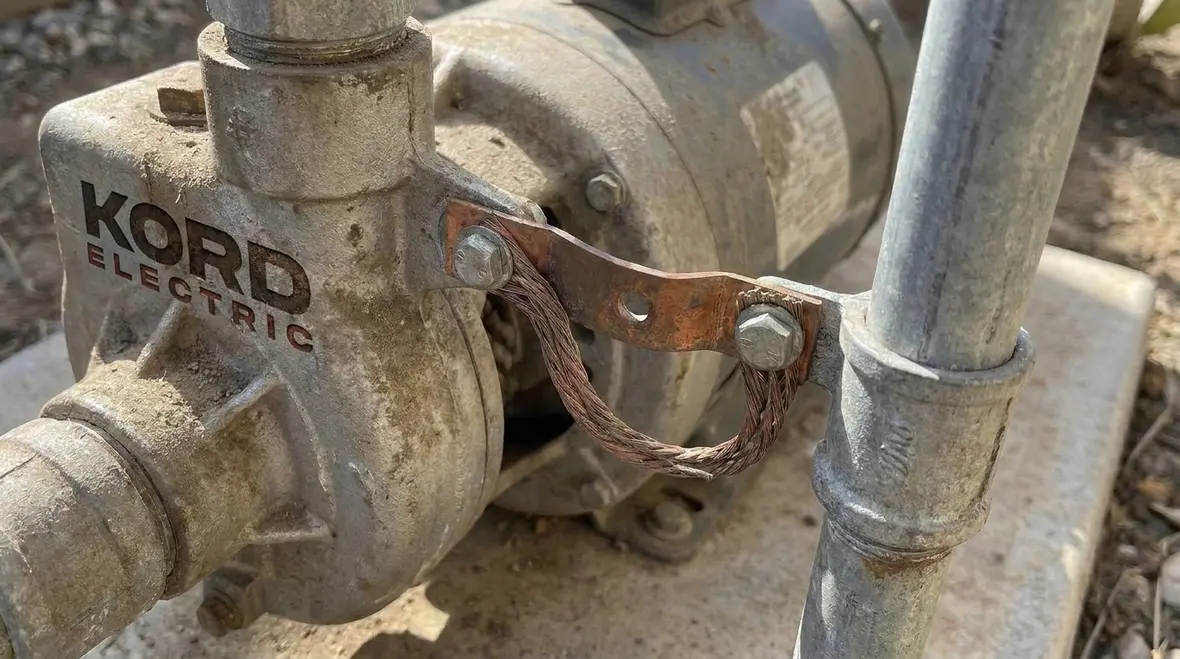
Grounding and bonding must work together. Otherwise, you can end up with metal parts that float at unsafe potential, even though someone installed a ground conductor somewhere. To avoid that, we focus on the bonding strategy from the start.
For commercial and industrial facilities, our technicians review where bonding needs to occur, how conductors connect, and how connections stay secure over time. We do not just land a wire and hope. We ensure that terminations are made to the right specifications and that they maintain contact under vibration, moisture, and temperature swings.
Here is the calm, practical logic we use on site. When an equipment fault occurs, current flows through the path with the least resistance. Therefore, we build that path with proper grounding and bonding so current returns reliably to the source. Then protective devices, like breakers or fuses, can detect the abnormal condition and clear it. If the grounding path is weak, the device may hesitate, and energized metal becomes the problem instead of the wiring.
As a bonus, this reduces downtime and keeps maintenance predictable. Besides, electrical issues often behave like pop culture villains. They do not show up until your team is tired, the night crew is off, and the schedule is already tight. Our job is to prevent the “surprise villain scene” from ever happening.
Working with code language and field realities in sprinkler and fire contexts
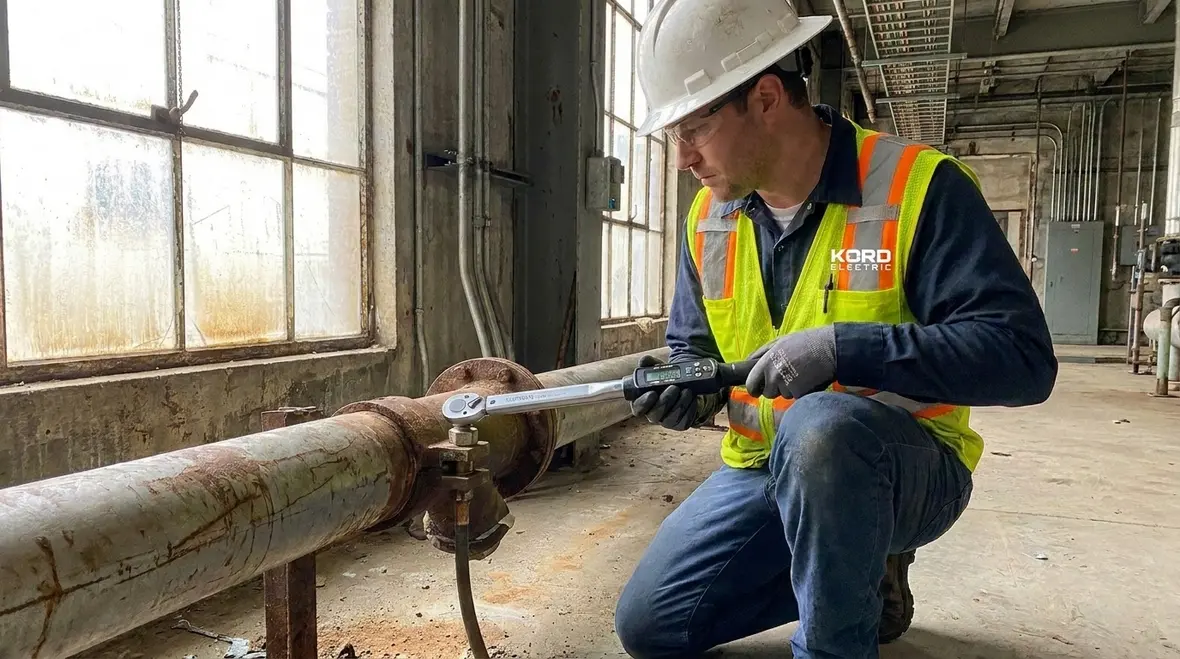
Large buildings often blend electrical systems with fire protection systems, including pumps, controllers, and supervisory signaling. We coordinate with those teams so our electrical grounding work supports the bigger safety design. Our teams also stay aligned with resources we reference from Kord Fire and fire system specialists, including guidance found through Kord Fire Australia and Fire Pumps. While irrigation is not a fire system, the shared equipment spaces and wet environment risks create real overlap.
So we handle these areas with care. For example, pump rooms may host irrigation pumps or related distribution hardware. Additionally, controllers can share conduits, cabinets, or routing paths with other systems. When that happens, we confirm separation where needed and we verify bonding continuity across the correct points. We do not treat each subsystem as a standalone island.
In the end, this means safer systems and smoother inspections. It also means our technicians can explain the “why” behind the installation choices, not just the “what.” We believe clarity reduces repeat calls and helps facilities teams keep control of maintenance. Nobody wants a mystery grounding situation that becomes a recurring subscription fee.
Testing, documentation, and ongoing maintenance for major property buildings
After installation, we help facilities move from compliance on paper to compliance in reality. Therefore, we focus on testing, verification, and documentation. For commercial and industrial environments, that matters because systems get modified over time. Technicians add components, replace controllers, reroute conduits, and sometimes forget earlier work. If the grounding story is not documented, troubleshooting turns into guesswork.
Our expert service staff helps teams track key details such as where grounding conductors land, how bonding connections are made, and which components connect to the building grounding system. We also advise on maintenance checks that keep connections tight and corrosion under control.
And yes, outdoor systems invite corrosion like it is a hobby. That is why periodic visual checks and connection inspections matter. When facilities schedule those checks, they catch early wear before a fault appears. In addition, proper maintenance supports safer operation and reduces the chance of unexpected trips. That means fewer emergency calls, fewer stop work orders, and less disruption to tenant spaces and building functions.
Finally, we align our documentation with the style that inspectors and facility managers prefer. In most cases, it speeds up reviews and helps maintenance crews act with confidence. When your team understands the system, they fix issues faster and avoid repeating the same mistake twice.
NFPA 70 compliance for 675.13 irrigation grounding methods in the field
When we apply NFPA 70 Section 675.13 irrigation grounding methods, we treat it as a set of practical rules that protect equipment, people, and operations. We also recognize that code compliance must reflect the actual installed conditions. So instead of relying on assumptions, we verify the installation layout, component selections, and connection quality.
In our workflow, we confirm that grounding and bonding methods fit the irrigation system design and the facility’s electrical infrastructure. We also ensure that field components connect correctly to the established grounding system, especially where metal parts could become energized under fault conditions. This includes attention to wet location effects, outdoor exposure, and mechanical stress from installation and landscaping work.
Moreover, we help facility teams understand that code compliance is not a one time event. It is a lifecycle requirement. When controllers or pumps get replaced, the grounding arrangement should remain correct. When cable routes change, bonding continuity must still work. When someone proposes a “quick fix,” our technicians review it before it hits the ground. Sometimes the fastest plan creates the slowest downtime, and we try to keep that from happening.
For owners and property managers, the result is a grounded irrigation system that integrates cleanly into the building’s overall safety strategy. That means fewer electrical surprises, better fault protection performance, and a smoother path through inspections.
Because these projects rarely exist in isolation, we often pair irrigation work with broader upgrades or maintenance tasks. When a facility in Los Angeles County, for example, needs help coordinating irrigation grounding with panel work, switchgear tuning, or surge protection, our team can fold the entire scope into a single program through our Los Angeles County electrical services for commercial and industrial facilities.
Quick comparison: electrical code resources we align with
We base our field approach on code guidance and practical safety standards, and we coordinate with other specialist resources used across the Kord ecosystem. Below is a simple look at what each resource supports, so our clients know where our thinking comes from.
Resource What it helps with
Kord Electric blog on NEC explained for 2026: Interpretation and planning support for electrical code changes that impact major properties
Kord Fire NEC coverage: Alignment between electrical requirements and fire and safety related equipment spaces
Kord Fire Australia: Broader safety and fire system coordination ideas used by facility teams
Fire Pumps guidance: Practical context for pump room realities and systems that share infrastructure risk
FAQ
Conclusion and call to action
If you manage a commercial or industrial facility, do not leave irrigation grounding to luck or late night guesswork. At Kord Electric, our technicians apply NEC guidance with field verified workmanship, clear explanations, and documentation that supports both operations and inspections. We help your team prevent faults, reduce downtime, and keep protective devices working as designed. If you want an assessment for your irrigation system and related pump or controller areas, contact us to schedule a review with our expert service staff today.