NFPA 70 Section 680.55 Fountain Equipment Grounding
NFPA 70 Section 680.55 fountain equipment grounding sits at the center of how we keep water features safe in commercial and industrial settings. At Kord Electric, we treat this like a serious job, because it is. You can have a beautiful fountain running smoothly, and still miss a grounding detail, which is how small oversights turn into expensive surprises. So, we explain the National Electrical Code the way our expert service staff would in the field: step by step, with clear reasons, not vague promises. And yes, we do occasionally crack a joke, but only after we confirm your bonding and grounding actually meet the rules. For major property buildings, including large campuses, multi use facilities, and complex commercial systems, that calm, correct approach matters every day.
What NFPA 70 Section 680.55 fountain equipment grounding actually requires
In plain terms, NFPA 70 Section 680.55 focuses on how we ground fountain equipment that sits near or connects to water. That includes conductive parts that could become energized if something fails. Therefore, we make sure the equipment has a reliable path to ground so breaker operation can happen and so fault current can clear quickly.
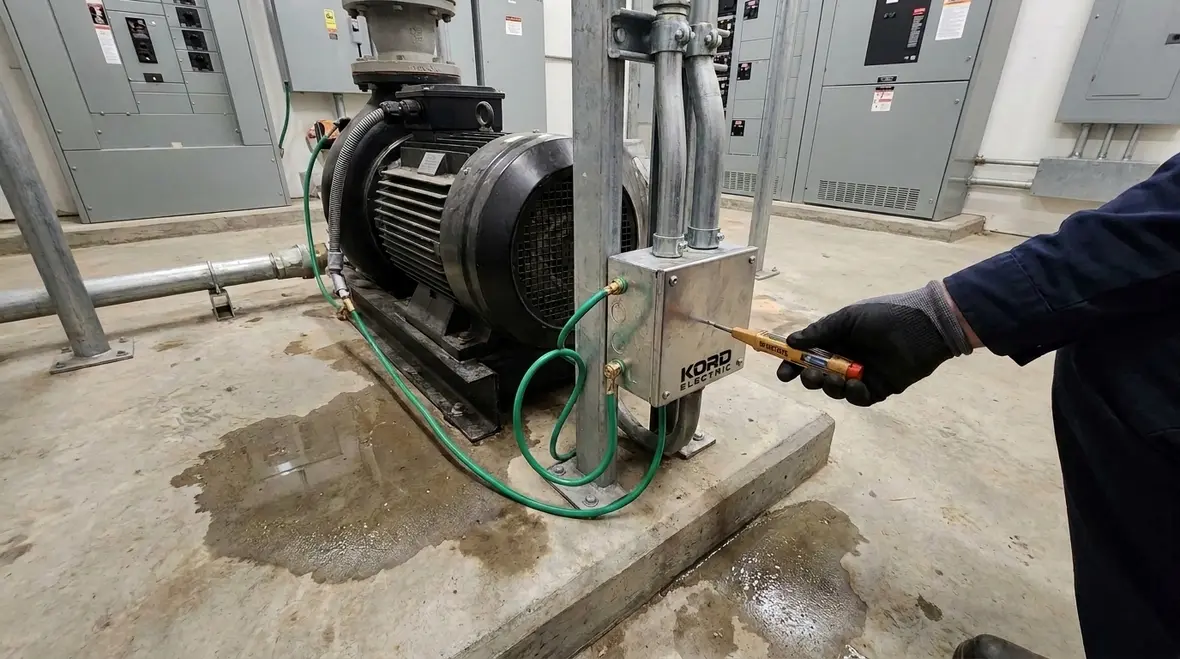
Our technicians look for the same core elements across sites. First, they confirm which parts count as conductive equipment or metal parts in contact with water, splash zones, or piping. Next, they identify bonding and grounding points, then verify the system ties into the building grounding arrangement. After that, they check the materials and connections, because a grounding system is only as good as its weakest link. If the connection is loose, corroded, or not listed for the use, then it is basically a “do not trust me” sign, taped over the most important safety feature.
When we apply the code principles, we also account for how fountains are wired and fed. In many major property buildings, these systems connect to equipment that serves broader electrical loads. Consequently, we coordinate with the facility’s electrical distribution and grounding network, instead of treating the fountain as an island. That is how we prevent unwanted voltage rise, stray current issues, and confusing nuisance trips.
How grounding differs from bonding in real fountain installations
Many people blend grounding and bonding together, and then they wonder why the system behaves oddly. We do not blame them. The terms sound similar, and electricians are not always known for being poets. Still, for fountain equipment, the distinction matters.
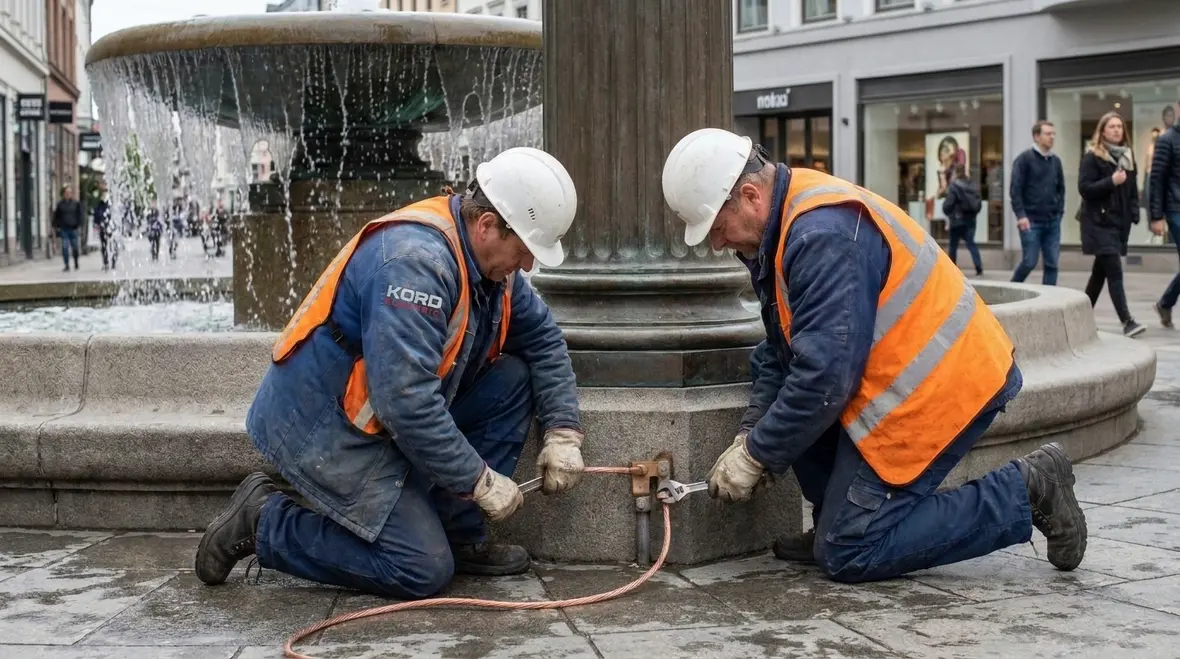
Bonding ties conductive parts together so they stay at nearly the same electrical potential. Grounding connects the bonded system to the grounding electrode system or other approved grounding means. As a result, bonding protects you against dangerous voltage differences between metal parts, while grounding ensures fault current has a defined route that supports proper protection.
Our expert service staff usually explain it like this on site. Imagine a fountain made of multiple metal sections. If one metal part gets energized, bonding helps prevent the other parts from rising to unsafe potential relative to each other. Then grounding helps ensure that a fault does not just sit there quietly like an uninvited guest. Instead, it drives current into the correct path so protective devices operate.
Because we work on commercial and industrial facilities, we also check how fountain bonding links into the larger building grounding system. If the facility uses multiple grounding segments or has structural steel as part of the grounding plan, we verify the fountain connection follows that plan. We do not improvise. Improvisation is for cooking and for the occasional sitcom plot twist, not for life safety.
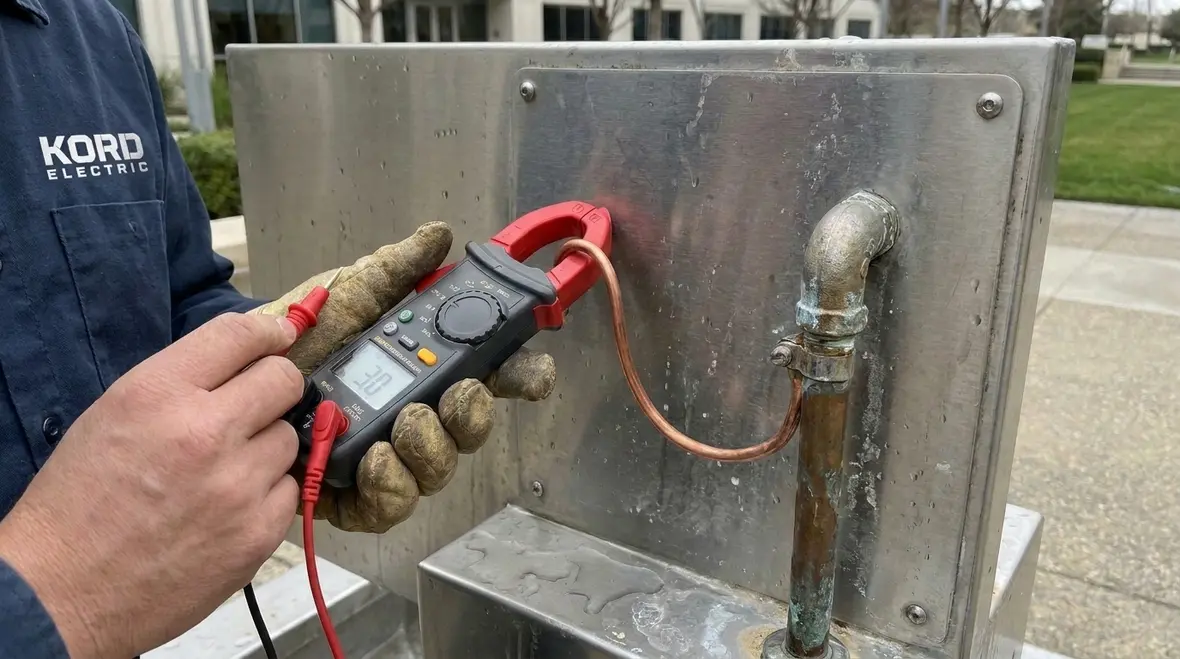
Practical design checks we follow for commercial and industrial sites
Grounding rules look simple on paper, but the field tells the truth. Therefore, we run design and installation checks that match how major property buildings actually operate. First, we confirm the fountain equipment layout, including wet area boundaries, splash paths, and the locations where power cables, conduits, and metal piping enter the water zone.
Then we verify the wiring method. We check conductor routing, conduit continuity, and the way the equipment enclosure receives its bonding connection. Next, we review equipment types and ratings. If a component requires special bonding methods or listed fittings, we make sure the installation matches the manufacturer instructions and the code intent.
After that, we focus on corrosion and mechanical stress. Water exposure does not just affect the fountain. It also affects terminations, fastening points, and any connection that sees repeated moisture and temperature swings. Our technicians inspect for secure clamps, proper torque, protected termination points, and bonding that stays intact over time.
Finally, we validate the system after installation. We do this with the right testing and documentation for facilities that expect repeatable results. In commercial environments, we also coordinate scheduling so the fountain does not have a long downtime. We plan for the reality of operations, not just the ideal world.
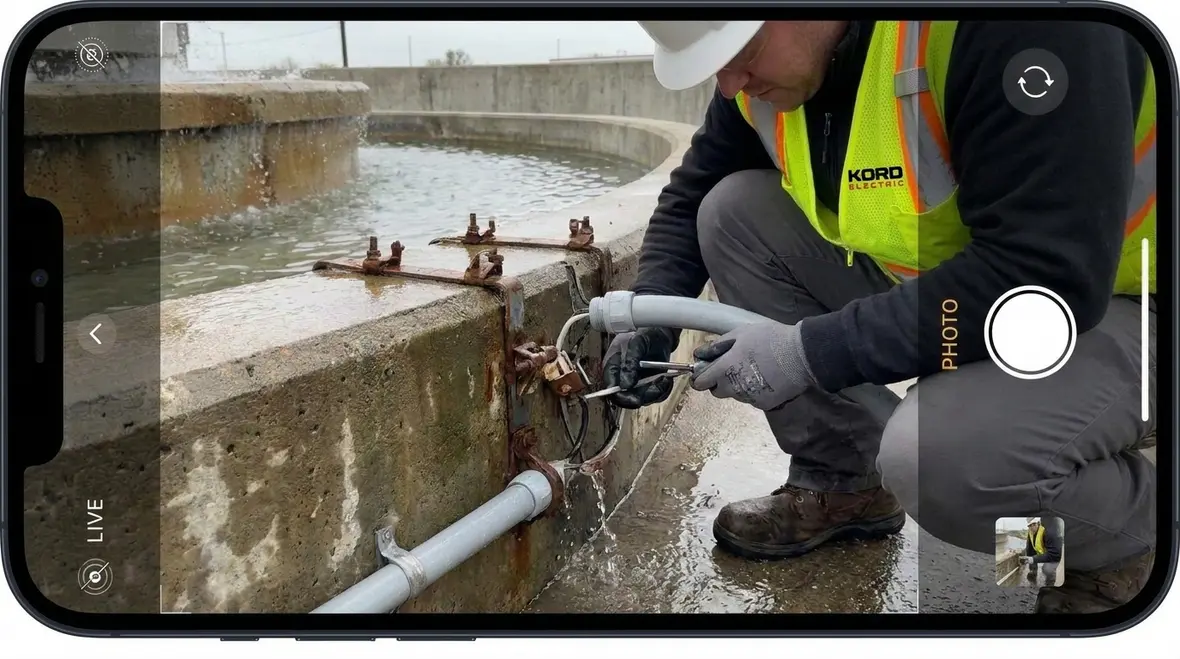
Common mistakes we see when NFPA 70 grounding rules get ignored
We have seen the same failure patterns across many facilities. Typically, the issue is not that someone hates safety. It is usually that someone shortcuts a step, or they assume the fountain equipment shares grounding from somewhere else. Unfortunately, assumptions do not trip breakers. Faults do.
One common mistake involves incomplete bonding. A metal component may sit in the splash zone, yet it gets left out of the bonding plan. Another frequent problem is a grounding connection that exists but does not meet quality expectations, such as weak terminations, mismatched materials, or missing approved connection methods.
We also see issues with conductor routing and protection. Cables and conduits may run in ways that expose them to mechanical damage or water ingress. Even when the grounding concept is correct, damaged insulation can energize non intended metal parts. In other words, the grounding system cannot fix a wiring problem that should never have happened.
And yes, we sometimes find a “works fine so far” mindset. That mindset fails during the first real fault event. When a fountain system experiences a ground fault, protective devices must clear quickly and safely. If grounding paths are weak, the fault may linger, energize equipment enclosures, and create risk for facility staff and visitors.
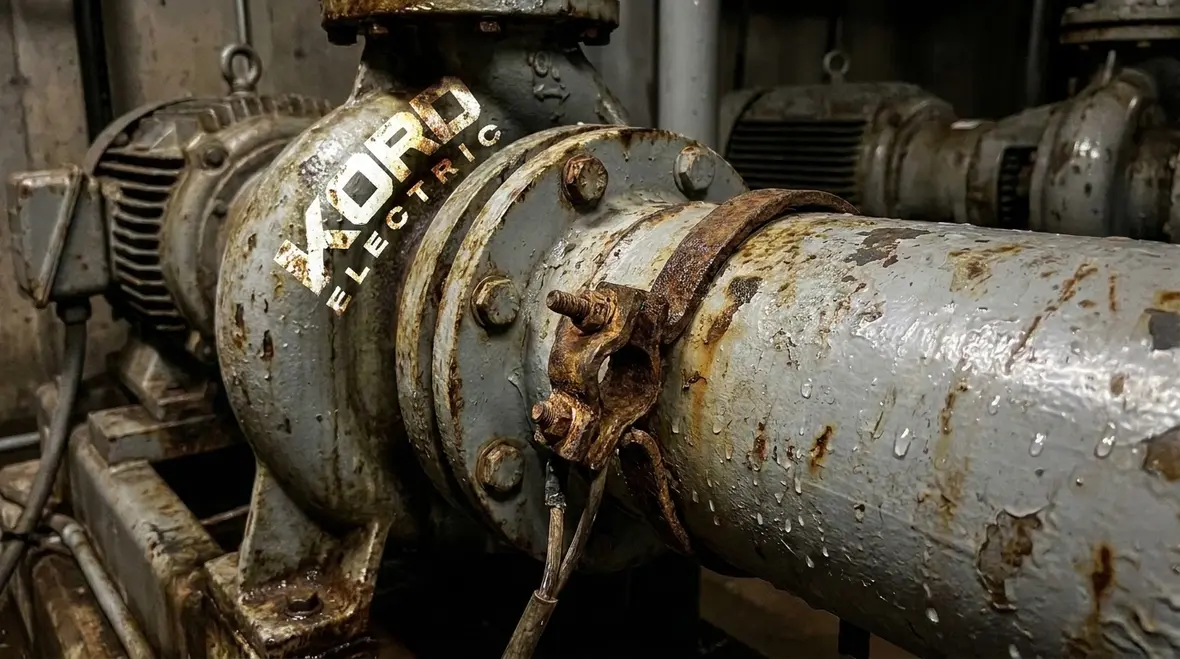
Working with NFPA 70 in larger electrical systems without creating new problems
Commercial and industrial facilities do not run a single isolated piece of equipment. Instead, they run networks. That means grounding for fountain equipment must align with the building’s overall electrical scheme, including feeders, service grounding, and equipment bonding practices.
In many projects, we coordinate with the electrical team for the main distribution and the grounding grid. We also check how the fountain equipment interface behaves relative to other loads, especially in spaces that include pumps, controls, lighting, or automation panels. When we align grounding and bonding correctly, we reduce the chance of nuisance tripping, unexpected voltage differences, and diagnostic confusion.
Additionally, we pay attention to the control side. Fountains often include pumps, valves, and control components. Those elements can introduce noise and leakage paths depending on how the system is built. Therefore, we confirm that the installation uses correct bonding for enclosures and that control wiring does not bypass grounding intent.
For major property buildings, we also consider long term maintenance. We help facilities plan for inspections and verification so grounding connections remain reliable. In that sense, NFPA 70 principles support both safety and predictability, which is what operations teams actually need.
For teams that want to see how this fits into the bigger NEC picture, Kord Electric’s broader resources on the National Electrical Code, including our practical guides to reading NFPA 70 and understanding application scope for 2026, help connect fountain rules like NFPA 70 Section 680.55 to the rest of the electrical system.
If your campus is already planning upgrades or compliance work, articles such as our Electrical Infrastructure Upgrade Planning Guide and Commercial Electrical Systems for Modern Buildings walk through how grounding, bonding, and code alignment work together across feeders, panels, and specialty loads instead of treating any one piece of equipment like an island.
How our expert service staff validate fountain equipment grounding in the field
At Kord Electric, we do not stop at saying “it looks grounded.” We explain what we find, what it means, and what we correct. Our technicians start by reviewing the system layout and the grounding/bonding design intent. Then, they inspect the installation details that matter for safety.
Next, they verify bonding points, checking that conductive parts connect properly and that connections use approved methods. After that, they confirm the grounding path to the facility grounding system. We also document what we observe so the facility team can track compliance during future service cycles.
During testing, we focus on ensuring the system can perform under fault conditions, not just pass a visual check. When something does not match the code intent, we address it immediately. Then we explain the change in plain language so others in the facility understand the “why,” not only the “what.”
And just like a good fountain display, the goal is steady performance. If the grounding system is solid, the fountain system stays safer and more reliable, and our clients spend less time troubleshooting and more time running operations.
For facilities that want to go deeper into NEC concepts beyond NFPA 70 Section 680.55 fountain equipment grounding, our long form resources on how to read NFPA 70 and how application requirements work for the 2026 code cycle give operations teams and project managers a foundation they can use across multiple projects.
When those higher level code lessons are paired with focused field checks for fountains, pools, pumps, and related wet-location systems, the result is a site where inspections feel predictable and downtime windows stay under control instead of turning into a guessing game.
FAQ for NFPA 70 fountain equipment grounding
Request a safety focused review from Kord Electric
If your facility runs a fountain, water feature, or related pumping system, we recommend a grounding and bonding review before small issues grow loud. Kord Electric supports commercial and industrial projects with careful inspections, clear explanations, and field ready fixes. Our technicians confirm NFPA 70 Section 680.55 fountain equipment grounding details, coordinate with the building’s electrical plan, and verify performance with proper testing. Call us to schedule a review, and let’s keep your fountain display safe, steady, and boring in the best way.
For facilities in Los Angeles County and across Southern California that want a coordinated partner, our dedicated Los Angeles County electrical services team integrates fountain work with panel upgrades, preventive maintenance, and broader NEC compliance so your site is not juggling multiple vendors for related systems.
If your operations team is also working through broader NEC changes, you can pair a fountain grounding review with resources like our 2026 NEC application requirements guide or our practical walkthrough of how to read NFPA 70. Together, those tools and field checks turn “code confusion” into a project plan your staff and stakeholders can actually use.
When you are ready to connect all the dots—from NFPA 70 Section 680.55 fountain equipment grounding to building wide protection, coordination, and reliability—our commercial electrical specialists are available to review drawings, walk the site, and turn real world conditions into a clear, documented path to compliance.