NFPA 70 Section 680.52 Fountain Junction Box Requirements
Kord Electric supports commercial and industrial facilities with the kind of electrical work that keeps people safe and operations steady. For example, when projects involve NFPA 70 Section 680.52 fountain junction boxes, we guide teams through the rules with clear, job-ready explanations. In the first place, those junction boxes connect components in a way that helps reduce risk around water features and wet locations. And yes, water plus electricity can turn into a bad sitcom if it is handled loosely. So, we plan, install, inspect, and document like the building owner will actually read the paperwork, because they usually do.
In this article, we explain how NFPA 70 and the National Electrical Code affect modern installs for major properties. We also share how our technicians and expert service staff communicate the “why” behind the rules, not just the “what.” That difference matters when inspectors show up, and it matters even more when you need your system to work tomorrow.
What NFPA 70 Section 680.52 fountain junction boxes require in the real world
NFPA 70 is the backbone of electrical safety practices in the United States. When you move into Article 680, you enter the area covering pools, fountains, and similar installations. Section 680.52 focuses on where and how junction boxes get installed and how they support safe connections.
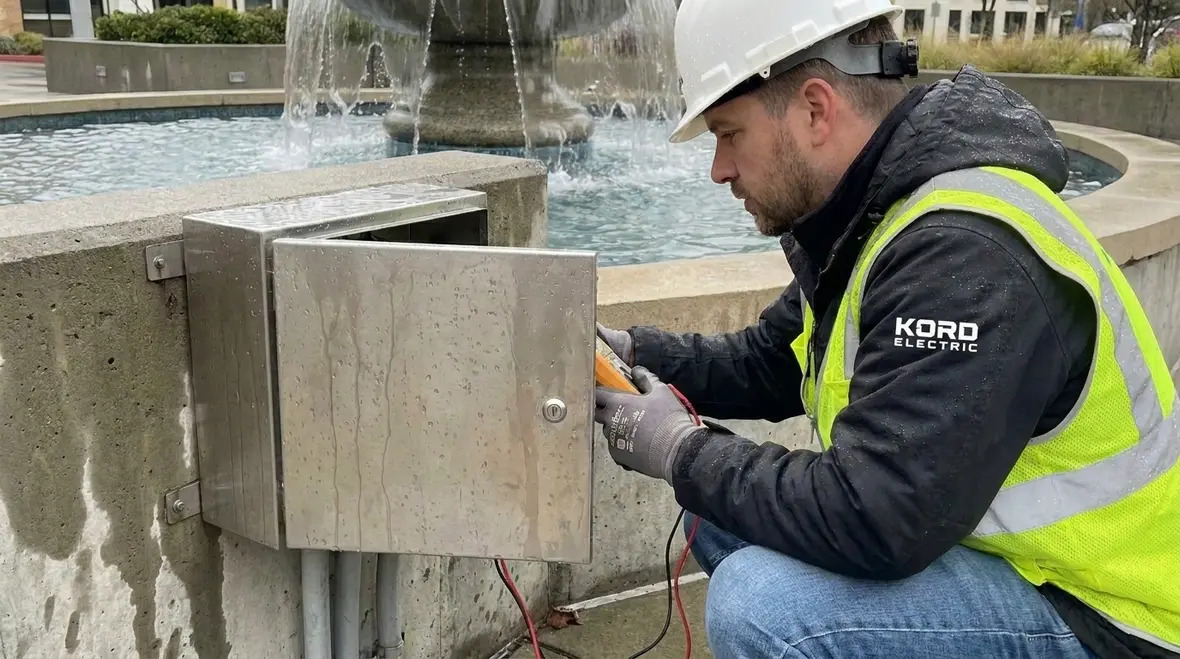
For large commercial and major property projects, we do not treat these rules as a checklist item. Instead, we connect the dots. First, we identify the wet location zones around the water feature. Then we plan box location and mounting so water does not collect where it should not. After that, we select fittings and cover methods that match the environment and the system design.
Our expert service staff explains it this way during walkthroughs. They point out that a junction box is not just a box. It is a controlled point where conductors meet. Therefore, protection has to stay intact through weather, splashes, cleaning cycles, and long-term wear. In other words, we build for the life of the asset, not for the first inspection photo.
How the NEC structure helps us plan electrical work for major properties
The NEC does not read like a casual blog. Still, once you understand its layout, it becomes easier to use on real projects. We start by mapping the job to the relevant articles, sections, and requirements. Next, we align the design with the facility’s needs, including load type, wiring methods, and protection targets. Finally, we verify that the installation method matches the intent of the code.
In our field experience, teams waste time when they jump to parts of the code without context. For that reason, we treat NFPA 70 as a system. We ask what the equipment is, how it is used, where it sits, and how water exposure changes the safety requirements. Then we make sure each component supports that plan.
Also, inspectors often look for consistency. So, when we specify enclosure types and connection details, we keep the story straight from design through installation. That saves meetings, saves rework, and saves everyone from the kind of “surprise” that can feel like a plot twist from a daytime drama. For teams who want a broader overview of how NFPA 70 shapes modern electrical work, our guide on understanding the National Electrical Code for 2026 serves as a helpful companion read.
Wet locations and connection points: where failures usually start
Many electrical problems begin at the connection point. That is where installers can accidentally leave gaps, choose the wrong enclosure style, or allow moisture to travel along conductors. As a result, the safest designs use proper protective methods and correct installation practices.
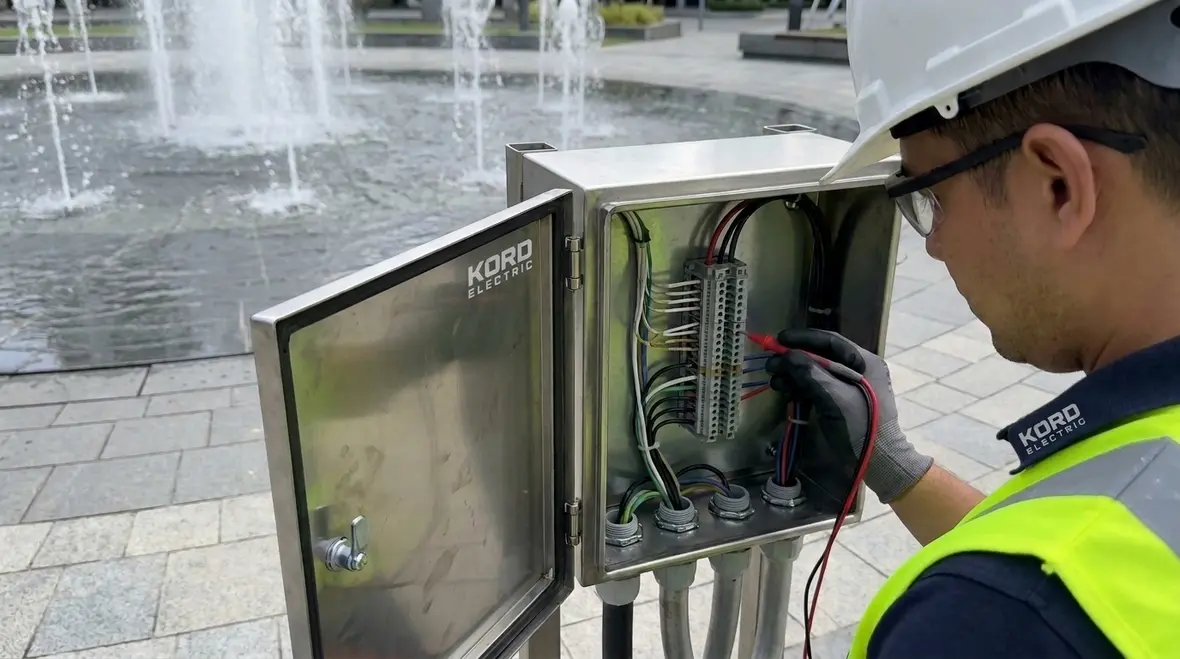
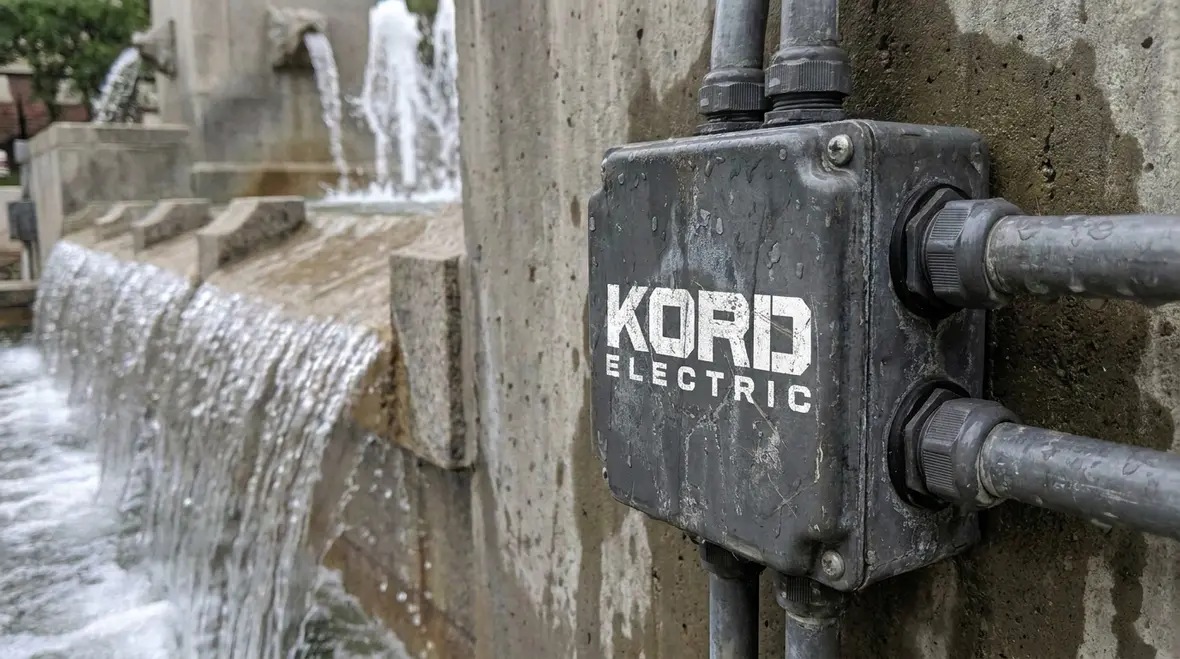
When we work on projects that involve fountain and water feature circuits, we pay close attention to how conductors enter and exit the fountain junction box and how the system keeps water from reaching live parts. We also make sure the enclosure and closure methods match the environment. In addition, we verify that covers stay secure and that the wiring method supports the wet location use case.
Our technicians explain the logic in simple terms. If water can follow a path, it will. Therefore, we build barriers at the right spots and we seal where the code and good practice call for it. Then we test and document what we did. That way, when questions come up, the answers come from traceable work, not guesswork.
Compliance and documentation: how we keep commercial jobs audit-ready
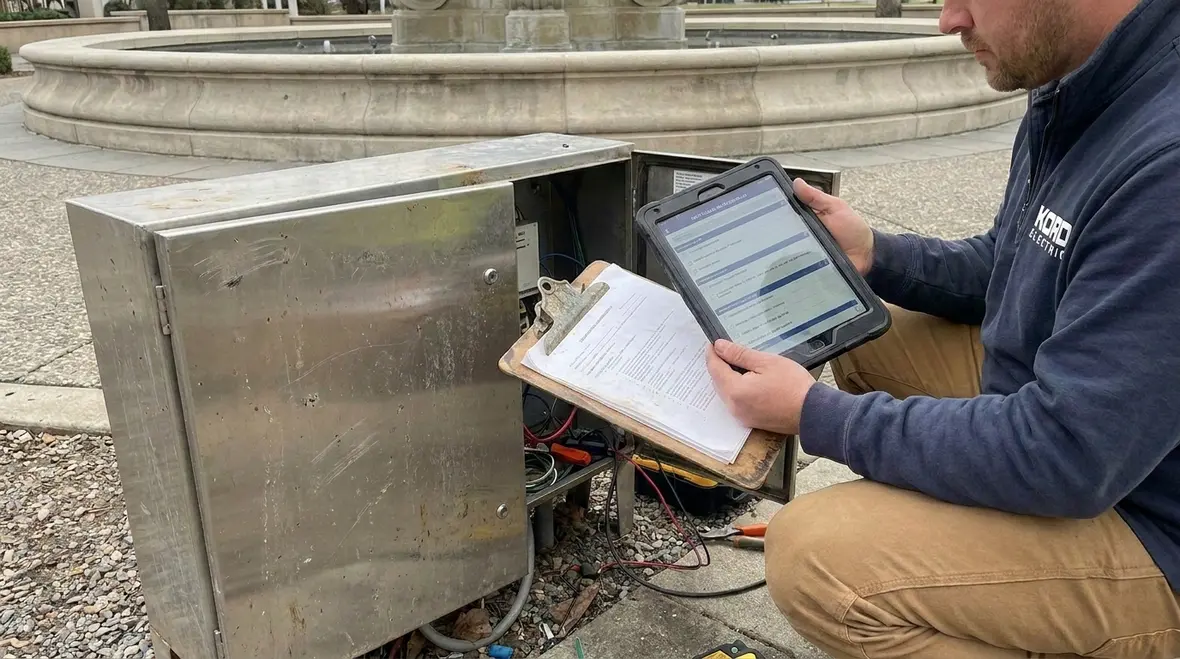
Commercial and industrial facilities operate with schedules, contracts, and risk management. Because of that, compliance cannot be vague. We help clients maintain audit-ready documentation and clear install records for NFPA 70 requirements related to the water feature electrical setup.
Our process usually includes design review support, material verification, installation supervision, and field checks before final close-up. Then we compile the project documentation so it matches what the code expects in practice. For example, we track component selection, enclosure details, and routing methods tied to the location requirements. We also capture the installation steps that inspectors ask for most often.
And we keep it calm during the process. Look, nobody wants a surprise call at 5:30 p.m. the day before a walkthrough. So, we communicate early, we confirm requirements as the job progresses, and we correct issues before they become delays. For many clients, this same disciplined approach also supports broader projects like industrial electrical design-build that reduces surprise across the rest of the facility.
Safety coordination with fire and water systems in large buildings
Major property projects rarely live in a single system. Electrical work often connects to pumps, controls, and safety systems. For that reason, we coordinate with other trades and systems so the overall design stays safe and reliable.
When water features tie into broader facility operations, we consider how the electrical setup supports safe pump control and dependable operation. We also account for how emergency and safety requirements affect the electrical design. In some facilities, pump rooms and water-related equipment need clear separation of functions and proper control logic.
We do not guess. Instead, we verify circuit intent and we align it with the equipment and the facility’s safety plan. If a client already uses a fire pump or related equipment, we support coordination so power routing and controls do not create unintended interactions. When teams work together, the building behaves like a well-written action movie scene: everything moves in sync, and nobody gets hurt.
Choosing components and installation methods for fountain circuits
After we confirm the applicable NEC requirements, we select components that fit the environment and the system design. Then we install them with the proper methods so protection remains intact over time. For fountain and similar water features, that includes enclosure and connection practices tied to NFPA 70 Section 680.52 fountain junction boxes.
Our technicians focus on details that matter in the field, such as conductor entry methods, secure closure, and protection from water exposure. We also ensure the wiring method matches the wet location needs. That may seem small, but it directly impacts performance. Over time, the wrong fit can lead to corrosion, loosened connections, or insulation issues.
Additionally, we think about maintenance. A major property has staff and vendors that may need to access the installation. Therefore, we install in a way that supports future checks while still preserving safety. This is one of those moments where “doing it right the first time” turns into real savings. Not fantasy savings. Actual savings. The kind that keeps your maintenance budget from getting eaten like popcorn at the end of a long movie.
What we verify on site
- Enclosure placement and access for inspection
- Entry and connection methods that resist water intrusion
- Secure closure and proper cover use
- Routing and protection aligned with wet locations
How our expert service staff explains it
- We translate code intent into install outcomes
- We show how the design reduces risk paths
- We document checks so audits stay simple
- We answer questions before they become delays
Common mistakes we prevent during NEC based water feature installs
When we enter a project, we sometimes find patterns that cause trouble. First, teams may pick components without matching the wet location needs. Then they may install covers or fittings that do not fully protect the connection point. After that, they might route conductors in a way that allows water to collect or track along surfaces.
Another mistake involves unclear documentation. If the project files do not reflect what gets installed, the facility owner faces delays during review or inspections. Therefore, we keep the design and the installed work aligned. When changes happen, we note them and ensure the final documentation still matches the applicable requirements.
Our technicians also prevent rushed close-up work. We check that junction boxes and connection points remain properly protected before the job gets covered. That simple habit stops headaches later.
If you want a quick mental image, think of water feature wiring like a gate that must always stay latched. If it closes loosely, someone will eventually press it and it will fail right when it matters most.
FAQ: NEC and fountain junction box requirements
Call Kord Electric for code ready electrical work
If your commercial or industrial property includes fountains, water features, or related pump and control systems, Kord Electric can help you stay aligned with NFPA 70 requirements, including installation details tied to wet locations. Our technicians and expert service staff plan the work, install with care, and document results so inspections feel straightforward.
For owners and facility teams across Los Angeles County, our broader Los Angeles County electrical services support everything from panel upgrades and preventive maintenance to complex design-build projects. We keep the same steady approach whether we are working in a pump room, on a rooftop, or in a central electrical room serving an entire campus.
Reach out to us to review your scope, confirm requirements, and build a safe electrical setup that keeps running smoothly long after the first ribbon cutting.