NFPA 70 Section 682.1 Electrode Heating Scope Compliance
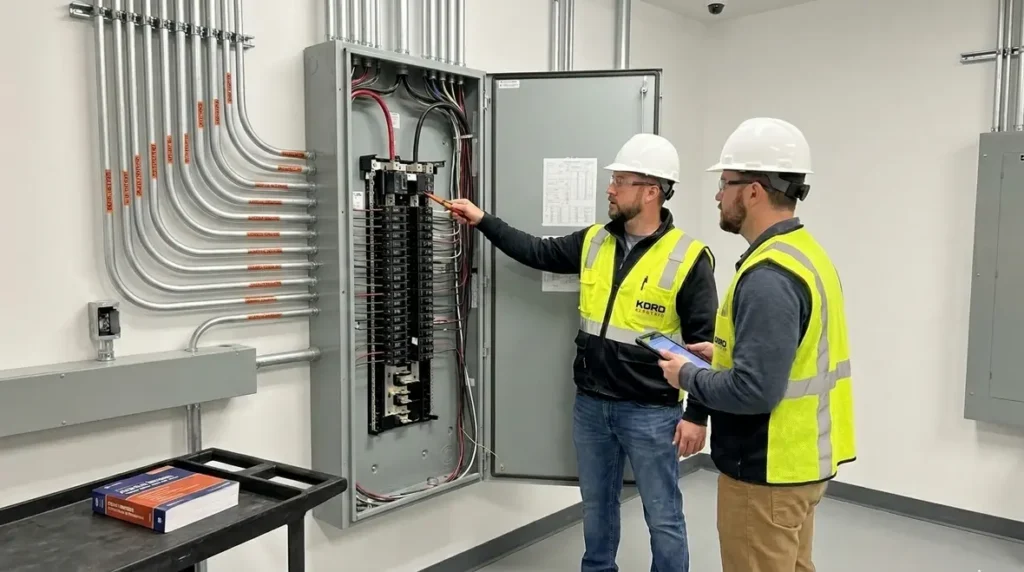
At Kord Electric, we help commercial and industrial facilities stay safe, code compliant, and ready for real world use. Early on, we start with the NFPA 70 Section 682.1 electrode heating scope, because it sets expectations for how electrode heating must be handled in specific systems. In other words, we do not treat code like a dusty rulebook that only gets opened during a surprise inspection. Instead, we follow the logic, the intent, and the details, and our expert service staff explains it in plain terms, so your team can make smart decisions. And yes, we know the National Electrical Code can feel like it was written to confuse humans, but we translate it so your electrical system behaves like it actually has a job to do.
Before we talk specifics, we want to be clear about our focus. We only serve commercial and industrial sites and major property buildings. That means we plan, install, maintain, and verify systems in a way that fits real loads, real schedules, and real risk.
How NFPA 70 shapes safe electrode heating in commercial systems
NFPA 70 drives safety through clear rules that reduce fire risk, shock risk, and equipment damage. For electrode heating work, the NFPA 70 Section 682.1 electrode heating scope matters because it addresses how certain heating practices apply to electrodes and related components in ways that support safe operation. Therefore, when our technicians review a design, upgrade, or field condition, we ask what the code expects for that specific application, not what seems convenient.
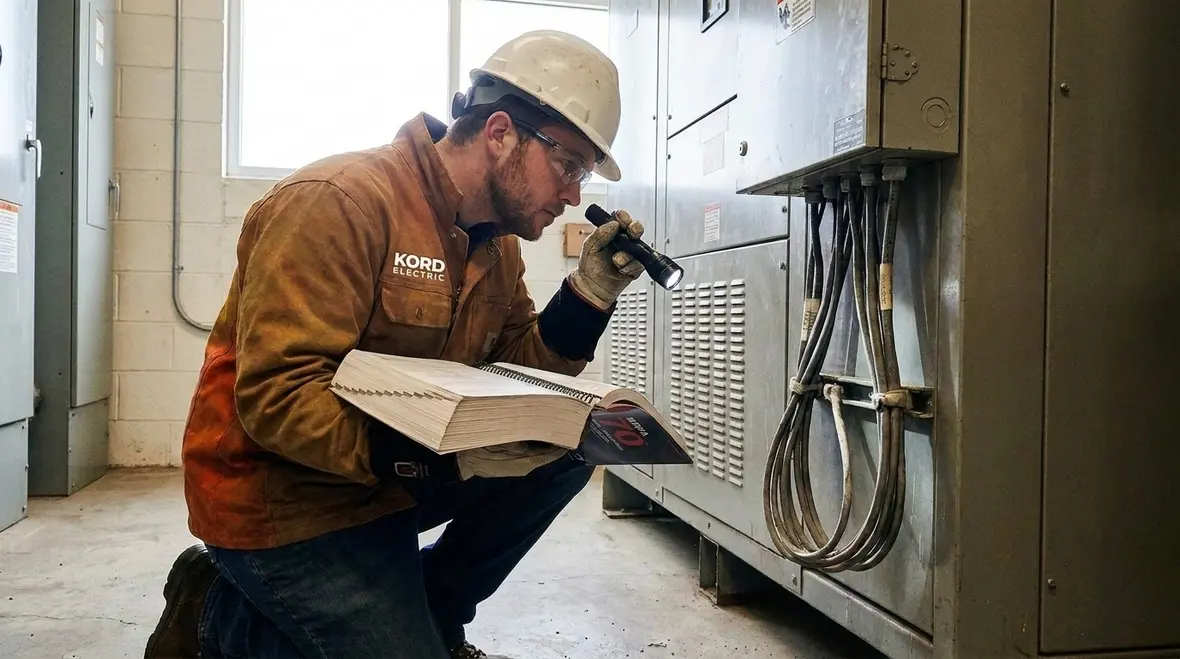
In practice, electrode heating is not just a comfort feature. It can affect performance and reliability for systems that depend on stable operation. For example, where heating supports proper function, installers must avoid improper terminations, unsafe heat exposure to nearby materials, and incorrect installation methods that can lead to overheating or insulation breakdown. Consequently, we verify details like conductor routing, terminations, protection methods, and how heat transfer plays out in the actual space.
Our expert service staff also makes sure the “why” gets understood. If you know how electrode heating can fail, you can prevent those failures. And that is where code thinking becomes practical thinking. You do not want your electrical system to act like a pop quiz you forgot to study for, especially when a facility depends on uptime.
Which NEC articles connect to electrode heating requirements
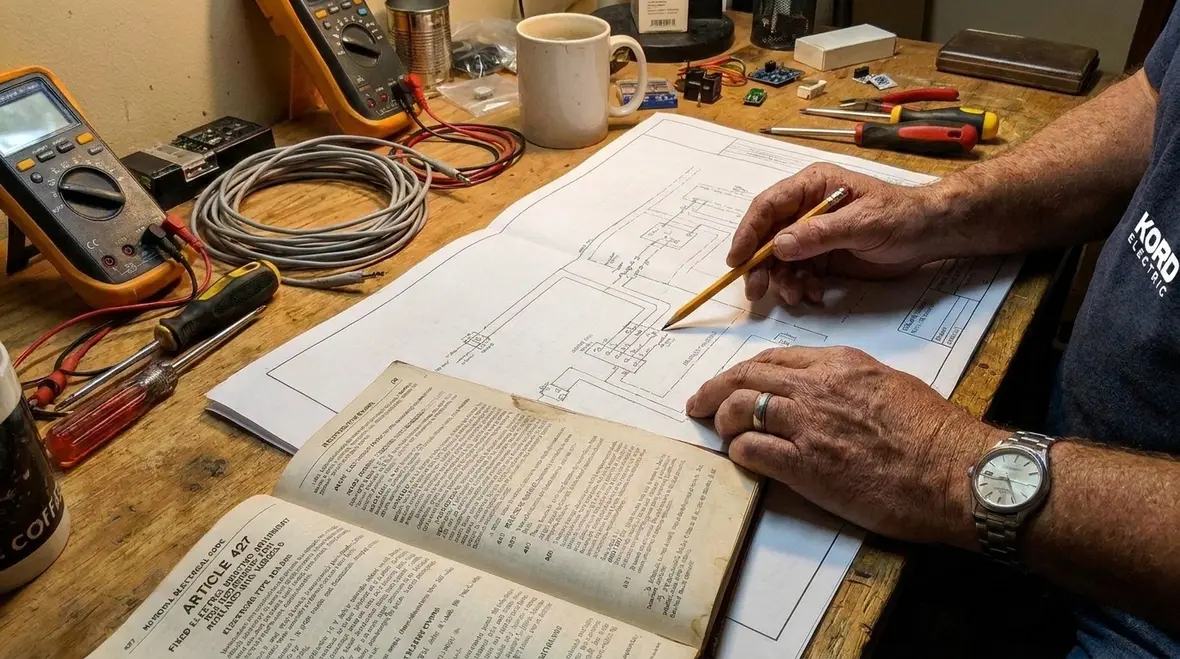
NFPA 70 is large, yet code work succeeds when you connect the right dots. We help facility teams trace where electrode heating rules interact with other NEC requirements. Even though the electrode heating scope lives in a specific place, the real world rarely stays inside one section.
Here is how we approach it. First, we confirm the system type and the purpose of electrode heating. Next, we check the connected rules that cover wiring methods, conductor sizing, overcurrent protection, bonding, and grounding. Then we validate spacing, physical protection, and how the system interfaces with panels, transfer equipment, or control circuits.
Additionally, we consider how commercial buildings differ from smaller sites. They often have higher duty cycles, complex layouts, shared spaces, and stricter operational schedules. As a result, the “code minimum” mindset does not always align with the real risk picture. We therefore apply NEC logic and also validate installation in the context of how the building runs.
When we document findings, we keep it organized so your operations team can follow it. In other words, we do not hand over a confusing stack of notes and hope for the best. We explain what the rule requires, what the field shows, and what we recommend. For teams who want a broader code roadmap beyond electrode heating, our guide on how to read NFPA 70 for commercial and industrial buildings helps connect section-level rules to a full-facility view, including scope, wiring, and protection structures that tie everything together.
Field installation realities that affect code compliance
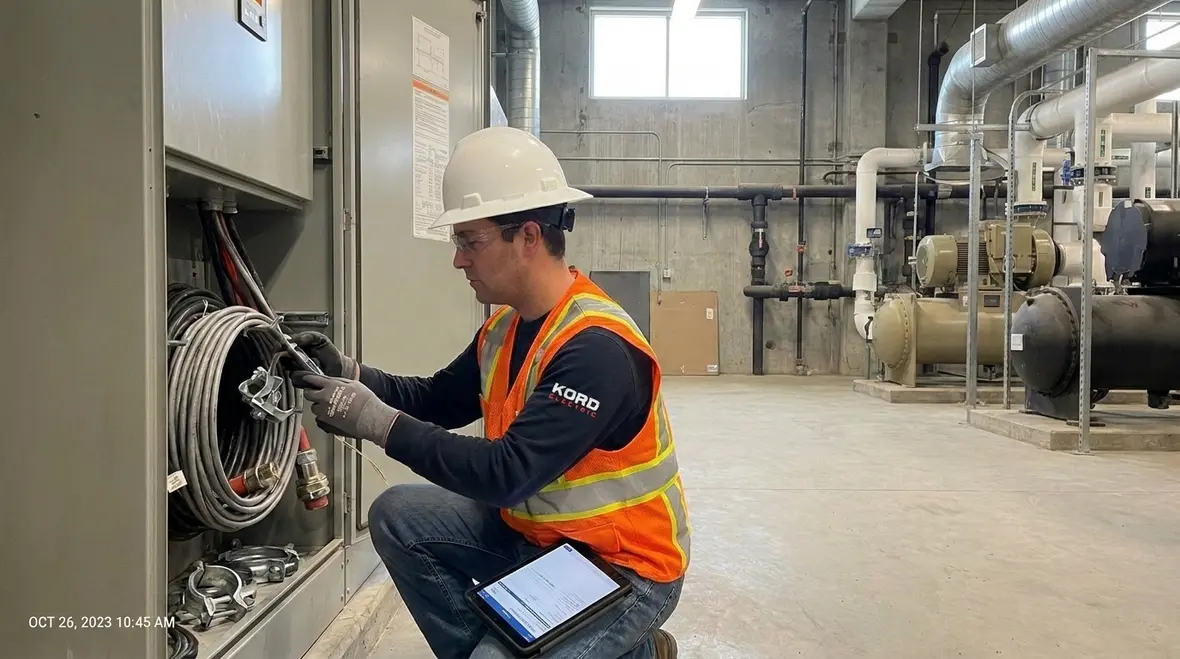
Even when the design looks correct on paper, the field can change everything. That is why our technicians treat installation like the final exam. They check workmanship details that often decide whether a system performs safely for years or creates problems long before its expected life.
For electrode heating scope topics, common field issues can include improper terminations, inadequate support, poor cable management, or failure to protect heated components from damage during construction or maintenance. Moreover, routing near heat sensitive materials can create hidden risks. Over time, vibrations, thermal cycling, and maintenance traffic can stress connections.
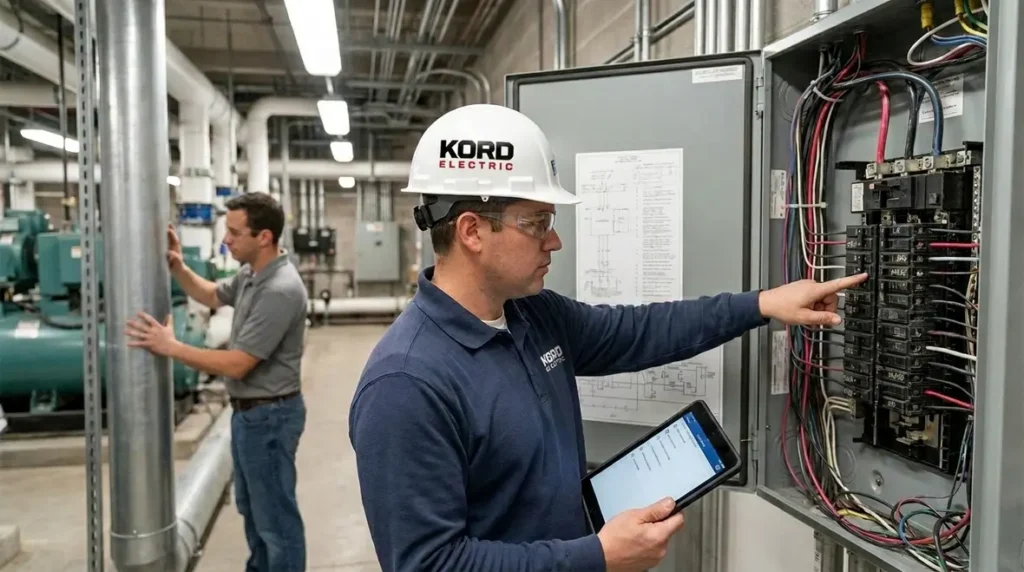
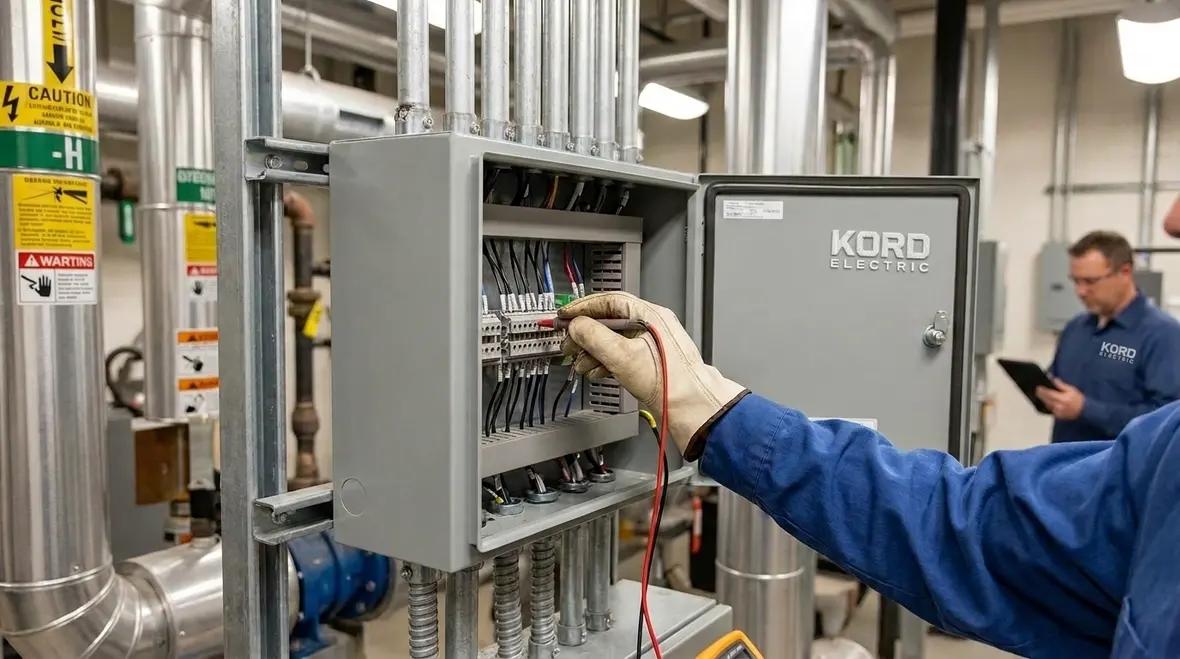
To keep the risk low, we do a methodical walkthrough. We examine the physical layout, confirm protection and support, verify connections, and check that the heating elements and electrode related components follow the expected install approach. Then, we test and verify where applicable, so the system behaves as designed.
And yes, we sometimes hear, “It looked fine during commissioning.” That is charming. However, commissioning is a moment in time. Buildings age, and components settle. Therefore, we focus on repeatable checks and clear documentation.

How we review designs for commercial and industrial buildings
Design review is where we prevent headaches before they turn into downtime. We work with facility owners, engineering teams, and contractors on major property buildings. Our goal is simple: align plans with NFPA 70 expectations, confirm heating related requirements, and reduce uncertainty for installation and inspection.
During our review, we pay attention to how electrode heating systems integrate into the broader electrical design. We look at available space, routing paths, equipment locations, grounding and bonding strategy, and how control and power connect. Then we confirm the design supports safe operation under expected conditions.
Next, we coordinate the practical side. Construction schedules change. Equipment lead times stretch. That is why we help the team plan for real constraints without sacrificing safety. If substitutions or field changes occur, our technicians evaluate the impact so the installation still meets the intended code outcome.
To keep it business friendly, we explain tradeoffs clearly. We also show how our recommendations protect operations. In a commercial facility, safety and uptime are not separate goals. They move together. For leaders who want to see how this thinking scales beyond one project, our 2026 NEC application requirements guide and NFPA 70 scope article walks through how code scope decisions shape design, installation, and long term inspection strategies for entire building portfolios.
Testing, documentation, and inspection readiness
Code compliance does not end at installation. It continues through testing, documentation, and readiness for inspection. Our expert service staff emphasizes verification because it turns claims into evidence.
When we support a project, we compile documentation that helps your team demonstrate that work followed NFPA 70 logic. That can include install checks, test results where applicable, and clear notes on how components meet expected requirements, including items tied to electrode heating scope topics.
Also, we prepare facilities for ongoing operations. Inspections do not happen once, they happen repeatedly, and major buildings carry maintenance responsibilities year after year. Therefore, we recommend maintenance practices that support safe performance and help avoid slow failures that become costly.
We treat documentation like an asset. It helps your facility team respond quickly to questions, reduces rework, and helps avoid the “who owns this responsibility” conversation that everyone hates.
Common misconceptions about NEC rules in large facilities
People often misunderstand NEC requirements, and the misunderstanding grows in larger buildings where multiple stakeholders touch the job. For example, some believe that if a system works, it must be compliant. Yet performance does not always reveal unsafe conditions. A connection can carry current today while still failing a safety requirement that would surface under thermal stress.
Others assume that electrode heating needs no extra attention beyond basic wiring. However, the electrode heating scope and its related expectations focus on safe handling and correct installation. That means details matter: materials, routing, support, protection, termination quality, and the way heat affects nearby elements. If you ignore those details, you do not just risk code issues. You risk equipment degradation, outages, and safety incidents.
We also see confusion about what applies in the United States versus other jurisdictions. Because NEC adoption can vary, we help teams focus on the correct requirements for the project location and the applicable code cycle. Then we align field execution with the intended standard.
If you want a quick pop culture analogy, think of it like a superhero costume. It may look cool and functional, but if the stitching is wrong, the hero gets hurt the moment the action starts. Code compliance is the stitching. We make sure it holds.
What Kord Electric does to keep electrical systems code aligned
At Kord Electric, we bring a steady process to commercial and industrial electrical work. We follow NFPA 70 and we connect the rules to how your facility operates. Most importantly, our technicians and expert service staff explain the “plain English” meaning behind the requirements so your team can act with confidence.
We support projects through planning, review, installation support, verification, and documentation that helps your building stay ready. Additionally, we help facilities avoid unnecessary risk by focusing on correct electrode heating handling where applicable, including details tied to NFPA 70 Section 682.1 electrode heating scope and related expectations.
And for teams that also need broader fire and life safety coordination, we stay aligned with code thinking across related safety systems. We value partner clarity and we support teams who care about the full picture, not just one line on a spec sheet. For facilities that want to connect this electrode heating focus to larger system resilience, our data-driven electrical design guidance shows how we align modeling, protection, and maintenance to support commercial and industrial operations without guesswork.
Dual column reference for teams coordinating across safety and electrical
Kord Electric focus
- Commercial and industrial electrical systems
- NFPA 70 review and field verification
- Documentation for inspection readiness
- Technicians explaining requirements clearly
External reference areas to understand the code ecosystem
- National Electrical Code overview and updates, including practical guides to NFPA 70 for commercial and industrial buildings
- Fire and electrical system coordination thinking that links power distribution with prevention strategies
- Support resources for broader compliance context, including NEC application scope, raceway practices, and maintenance guidance for long term reliability
How this ties into wider NFPA 70 planning and services
Electrode heating is one piece of a much larger NFPA 70 story. Scope sections, raceway rules, and application guidance all influence how a commercial or industrial facility should be planned and maintained. When we help teams work through NFPA 70 Section 682.1 electrode heating scope, we also look at how related requirements connect back to overall system design, draining and fault paths, and inspection expectations, so you are never treating one section in isolation.
For facility leaders who want to keep every part of their system aligned, our Los Angeles County electrical services bring the same disciplined, code-conscious approach to broader power distribution, upgrades, and data-driven electrical design. That way, the same team that helps you interpret NFPA 70 can also help you translate those rules into buildable projects, clear documentation, and reliable day-to-day operation across your entire site.
FAQ for NFPA 70 electrode heating and Section 682.1 scope
Conclusion and call to action from Kord Electric
If you manage a commercial or industrial facility, do not gamble with electrical safety or code compliance. Kord Electric helps you connect NFPA 70 requirements to real installation conditions, including electrode heating topics tied to NFPA 70 Section 682.1 electrode heating scope. Our technicians and expert service staff explain what the rules mean, what the field shows, and what to fix. Contact us for a design review, verification support, or compliance planning, and we will help your building stay safe, stable, and inspection ready.
For teams coordinating broader upgrades, fire prevention work, or data-driven electrical design, our blog library on NFPA 70 scope, commercial electrical design, infrastructure modernization, and fire prevention offers additional context that pairs naturally with focused electrode heating work. And if you are planning projects across Southern California, our Los Angeles County electrical services team can integrate those insights directly into your facility roadmap.