NFPA 70 Section 682.5 Electrode Heating Industrial Use
Kord Electric serves commercial and industrial facilities and major property buildings, and we do not treat electrical code like trivia. In the first place, our technicians explain the role of NFPA 70 Section 682.5 electrode heating industrial use, where systems can require proper heat control for electrodes in demanding conditions. That matters because industrial environments do not forgive shortcuts, and neither do inspectors. Yet, we also know this topic can feel dense, like a law book disguised as an electrical manual. So, we break it down in plain business language. Then, as we guide your team through requirements, we help you protect people, equipment, and uptime.
What the NEC really means for industrial electrode heating
Most people hear “NEC” and think it is a list of rules. However, the NEC is more like a risk management playbook for electrical work. For facilities that run around the clock, that playbook becomes even more important when electrode heating comes into the picture. In industrial setups, electrode heating industrial use can relate to systems that must maintain safe operation when the environment, load, or installation conditions change. Therefore, we focus on the “how” and “why,” not just the “what.”
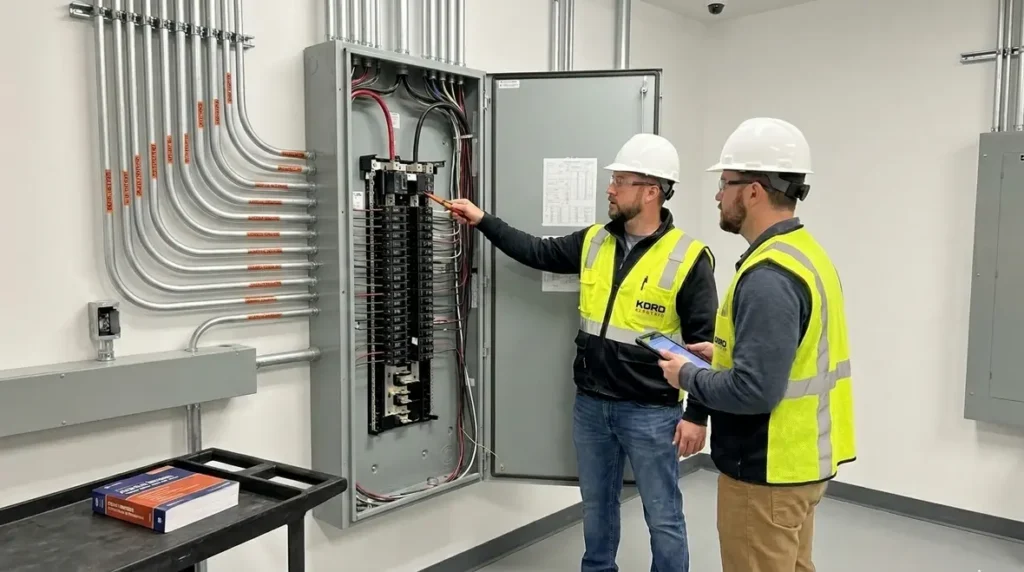
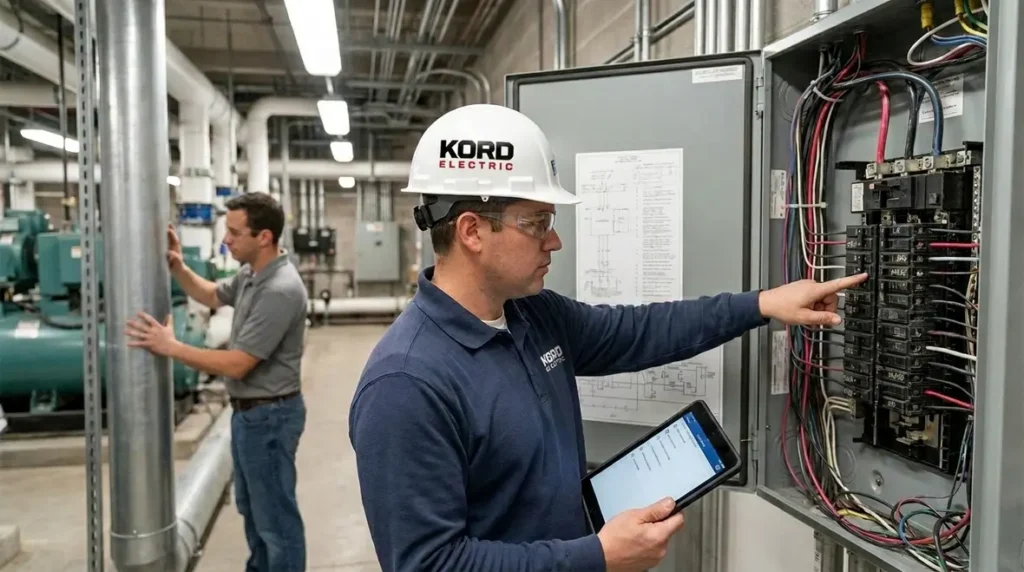
When our expert service staff walks your site, they do not just look at the panel and call it a day. Instead, they trace the installation path, check the operating conditions, and connect the dots back to NEC expectations. As a result, your team gets guidance they can actually use during design review, commissioning, and maintenance planning.
And yes, if someone tells you code compliance is boring, we politely disagree. Because when a system fails, it stops being boring very fast. It becomes an emergency meeting, a production halt, and a bill that makes your CFO stare into the middle distance like a TV detective who forgot the ending.
NFPA 70 Section 682.5 electrode heating industrial use requirements, explained
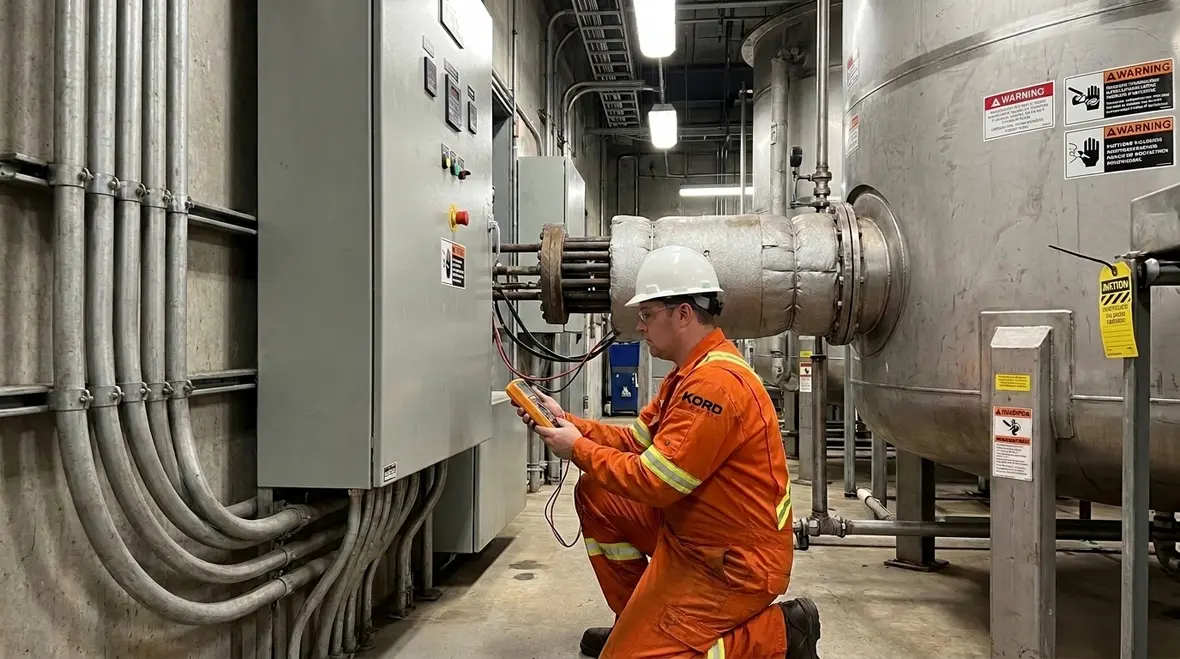
In the sections we support, NEC requirements address performance and installation details so that electrode heating operates reliably and safely. In particular, NFPA 70 Section 682.5 electrode heating industrial use centers on how electrode heating systems must be installed to reduce hazards such as overheating, unsafe operation, or conditions that can lead to damage. Moreover, it pushes the work toward methods that electricians and engineers can verify.
Our team reviews the key installation factors that influence outcomes. For example, we pay attention to proper wiring methods, support and protection, correct connections, and how the system responds under typical and worst case conditions. Then, we compare what exists on site to what the code expects. If something feels unclear, our technicians slow down and explain it in plain terms, so your facility team can make decisions with confidence.
In addition, we coordinate with facility managers so the system’s operational goals match the electrical reality. That way, maintenance does not turn into guesswork later. It becomes a scheduled routine with known checks, which is what everyone wants when downtime costs money.
Connecting NFPA 70 Section 682.5 to the rest of the NEC
Section 682.5 does not stand on its own in a vacuum. It interacts with how the broader NEC treats grounding, bonding, and system performance. For example, when our technicians review electrode heating circuits, they also keep an eye on related topics such as grounding for nonelectrical equipment and guarding of conductors, so the whole installation behaves as one safe, verified system rather than a patchwork of parts.
When your team wants a deeper dive into how different code sections connect, we can point you to code focused resources such as our NEC discussions on grounding, guarding, and inspection requirements, along with educational perspectives from partners like Kord Fire that unpack NFPA 70 fundamentals for commercial and industrial sites. Those materials reinforce what you see during actual field work.
How technicians verify safe installation in the field
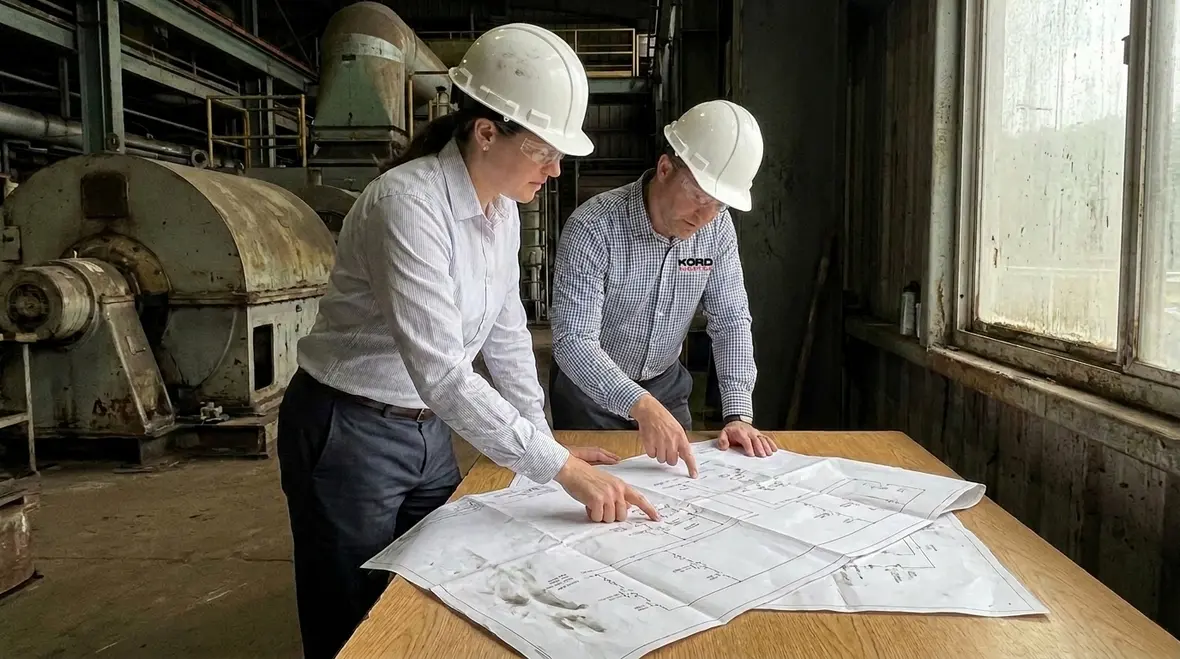
Inspection readiness starts long before the inspector arrives. First, our technicians verify design intent during pre construction reviews when possible. Next, we confirm that the installation matches the approved plans, specifications, and the applicable NEC logic. After that, we document results in a way that helps your team track compliance over time.
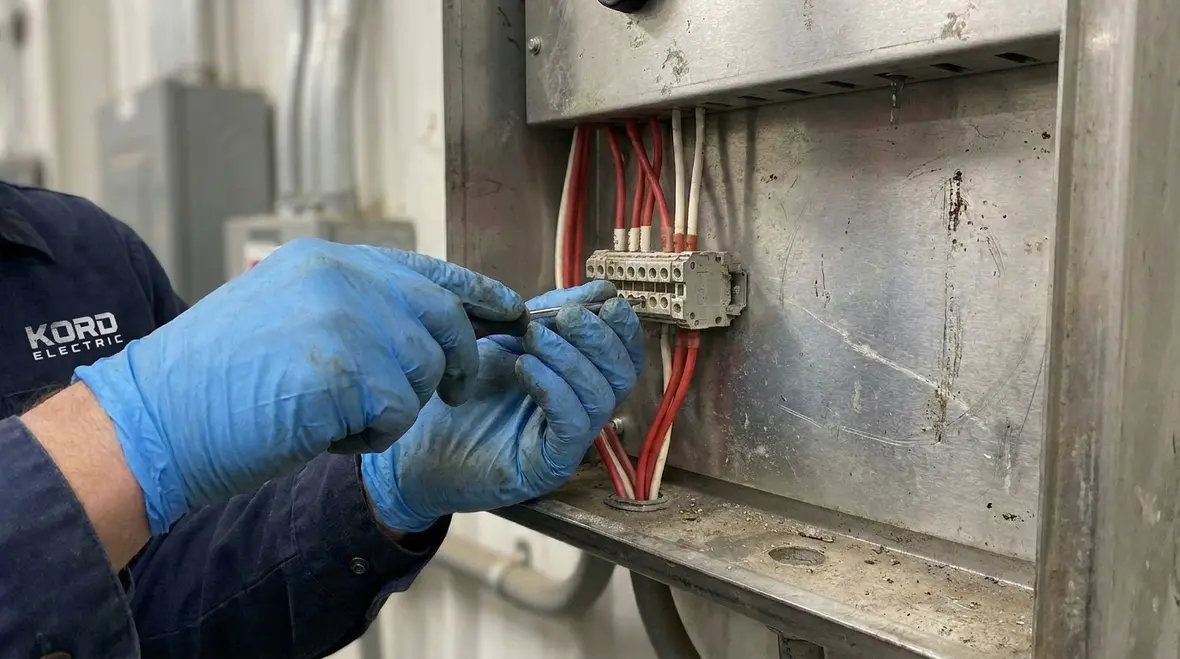
To keep things grounded, we use a field workflow that focuses on evidence. We verify terminations, routing, protection against physical damage, and condition of conductors. Then, we check bonding and grounding practices where they apply, because incorrect grounding can turn a stable system into a mystery that fails at the worst time.
Most importantly, we treat electrode heating industrial use as a system, not a single wire or a single device. Therefore, we look at how it connects to the rest of the electrical environment. That includes how it interacts with controls, how it behaves through normal cycles, and whether surrounding conditions affect performance.
And because we work with commercial and industrial properties only, we assume the system must survive real usage, real weather, and real maintenance schedules that do not magically get more time just because the code asks for more diligence.
Documenting inspections and tests so compliance is provable
Verifying an installation once is not enough. Our technicians track inspections, tests, and corrections with records your team can read without needing a decoder ring. That means clear notes about which circuits were tested, how electrode heating performance was verified, and which items require follow up.
Those records tie directly into how the NEC treats inspection and testing obligations. When your staff returns to the system six months later, they can see what passed, what changed, and what still needs attention, instead of guessing from memory or faded labels.
Coordination with building standards and electrical project planning
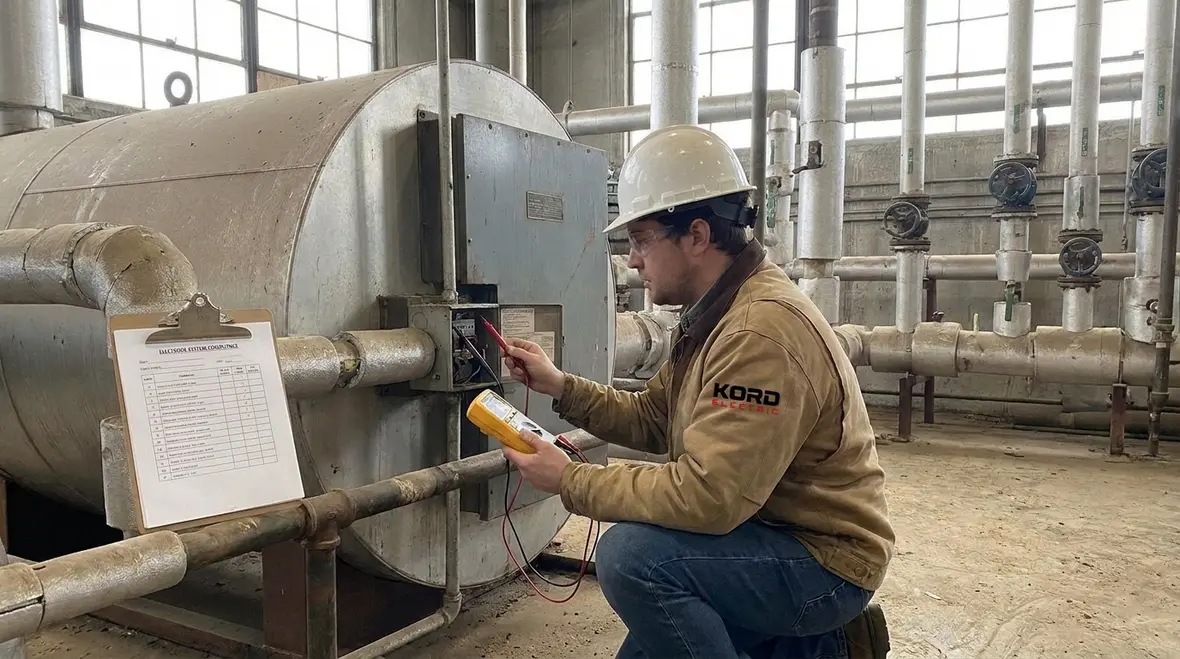
When a facility plans upgrades or new installations, electrode heating related tasks can affect more than one trade. So we coordinate early. First, we align with electrical engineering and controls teams so the power path and control path match. Then, we review space constraints, routing paths, and access needs for future service.
Next, we plan for testing and commissioning. Testing helps confirm that the installed system operates as intended and that any protective functions behave correctly. At this stage, our technicians explain test outcomes and what they mean for ongoing operations. In other words, your team learns what “good” looks like, so future troubleshooting does not start from scratch.
As projects move forward, we also account for the reality of facility operations. For major property buildings, shutdown windows are tight. Therefore, we plan work sequences that reduce disruption. That does not mean we cut corners. It means we respect the schedule and still follow the code.
If you have ever watched a movie where someone hits “play” and everything goes wrong, you already understand why planning matters. Electrical work needs a script too, and we write it with you.
Aligning electrode heating with broader electrical system design
Electrode heating does not live on its own island. It affects feeder sizing, protective device settings, and sometimes even emergency power strategies. When our team supports project planning, we align Section 682.5 work with the building’s overall electrical design, so electrode heating loads, control schemes, and safety devices all support the facility’s long term strategy instead of fighting it.
Common mistakes we see and how to avoid them
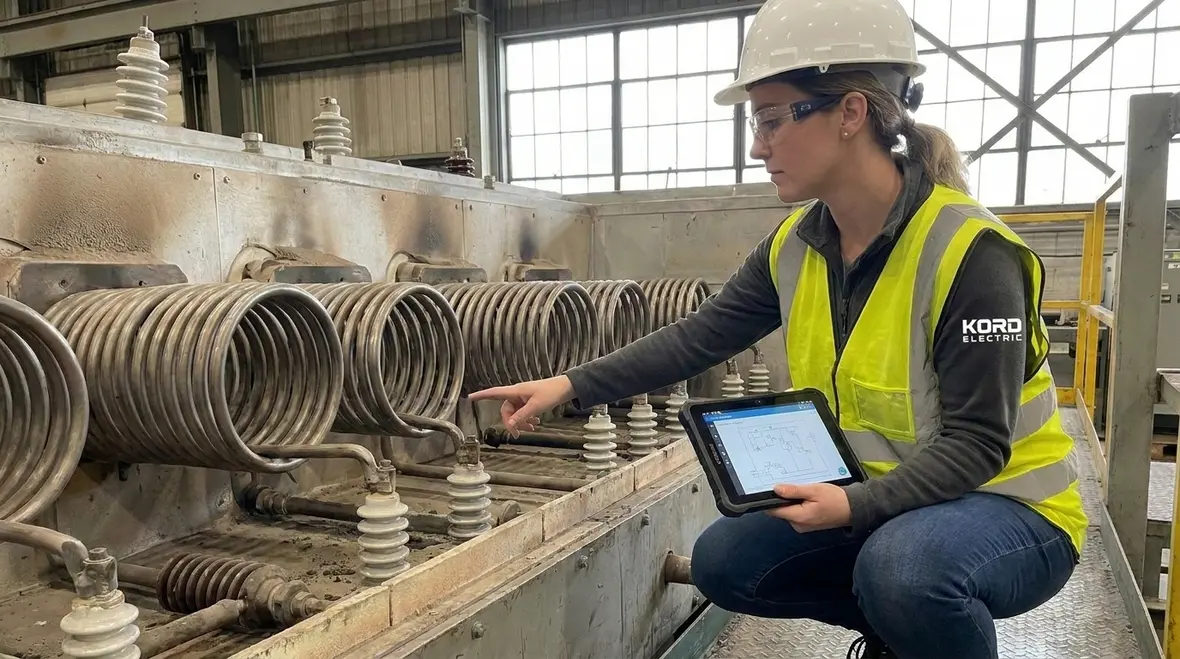
We see patterns across commercial and industrial sites, and many come from rushed installs or unclear documentation. One common issue involves incomplete understanding of how electrode heating systems should be supported, protected, and routed. When conductors are exposed, poorly supported, or installed in a way that conflicts with code intent, the system can face long term stress even if it passes initial checks.
Another mistake involves ignoring operating conditions. Even if the wiring looks correct on paper, industrial environments add variables such as vibration, moisture, chemical exposure, and temperature swings. Therefore, we encourage teams to review the installation environment as part of compliance planning. Then, we confirm the final installation meets expectations under those realities.
We also see issues with documentation. If no one records what was installed, which components were used, and what tests were completed, compliance becomes harder at the next inspection cycle. Consequently, we help your team maintain a practical record set that supports future service.
And yes, sometimes the mistake is simple: someone assumes they can fix it later. In electrical code, “later” can mean “never,” or worse, it means “after a failure.” We prefer early clarification over emergency repairs, because we would like your business to keep running.
Using NFPA 70 Section 682.5 electrode heating industrial use as a preventive lens
We encourage facilities to treat NFPA 70 Section 682.5 electrode heating industrial use as a preventive checklist, not just an inspection hurdle. When you walk a system with the code’s expectations in mind, you spot weak supports, questionable routing, or missing protective details early. That mindset turns code requirements into a practical tool for uptime and safety, which your operations team can appreciate.
Where Kord Electric fits into compliance and ongoing service
Kord Electric supports commercial and industrial facilities with electrical solutions built for real operations. That includes project work, code focused reviews, and service that helps keep systems stable. We also value clarity. So our technicians explain what we find, why it matters, and what we recommend next.
For facilities that need reference materials, we also point teams to relevant NEC guidance and code education resources. For example, the broader NEC discussions we reference align with the way code sections aim to prevent hazards and support safe performance. We also stay current with industry knowledge shared by organizations focused on electrical and fire safety learning, including perspectives from sources like Kord Fire and FirePumps, so we can connect code requirements to practical outcomes.
Here is the key point: compliance should not end when the job is complete. Instead, we help your team keep systems healthy through planned maintenance, responsive service, and ongoing documentation. When you manage electrode heating industrial use responsibly, you reduce surprises and protect operations.
Supporting NFPA 70 learning with related resources
If your engineering or facilities team wants a broader view of how the NEC fits together, we can connect your training plan with educational material that explains NFPA 70, the National Electrical Code, explained for 2026. That context helps your staff see how specific sections, such as 682.5, tie into grounding, guarding, inspections, and long term maintenance across the rest of your distribution system.
How do you keep electrode heating compliant over time?
Compliance is not a one time achievement. Over time, equipment ages, connections can loosen, and operating conditions can shift. Therefore, we recommend a maintenance approach that includes periodic checks aligned with the system’s design and code intent. Our technicians can develop a service plan that fits the realities of your facility schedule and downtime limits.
We also encourage teams to track changes. If your process changes, your electrical system may face new stress. Similarly, if a facility renovation alters routing paths or adds new equipment nearby, it can change the electrical environment. When changes happen, we advise re verification of relevant installation aspects.
Finally, we remind clients that documentation matters. When you record maintenance steps and test results, you create a clear history. That history helps inspectors, helps engineers, and helps your own staff troubleshoot faster. It also helps prevent the classic “we think it was fine” conversation that turns into a stressful scavenger hunt.
Because in electrical work, confidence should not come from hope. It should come from proof.
Linking maintenance to broader facility electrical services
Keeping electrode heating compliant over time works best when it connects to a larger electrical service strategy. For many facilities, that includes structured inspections, testing, and documented repairs coordinated through regional programs like Kord Electric’s Los Angeles County electrical services for commercial and industrial properties. When your preventive work, upgrades, and emergency responses flow through one plan, Section 682.5 becomes part of a calm, predictable routine instead of a last minute scramble.
FAQ
Conclusion
If you operate a commercial or industrial facility, you already know electrical work cannot be “good enough.” Kord Electric helps you handle NFPA 70 Section 682.5 electrode heating industrial use with clear field verification, practical documentation, and service that supports uptime. If you want a code focused review, a maintenance plan, or help planning your next upgrade, contact us. We will send our expert service staff, explain what we find, and help you move forward with confidence. Let us keep your electrical systems calm, not chaotic.
When you are ready to move from “we think it is compliant” to “we know it is documented, tested, and aligned with NFPA 70 expectations,” we are here to help. From electrode heating projects under Section 682.5 to broader distribution, grounding, and inspection work, our team builds a clear path between code language and field reality so your facility can keep running without drama.