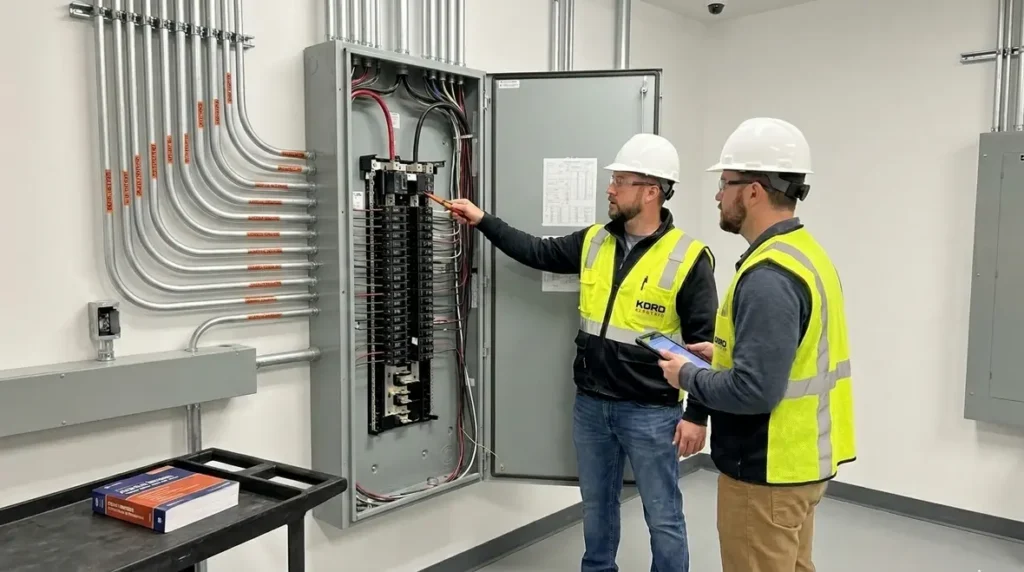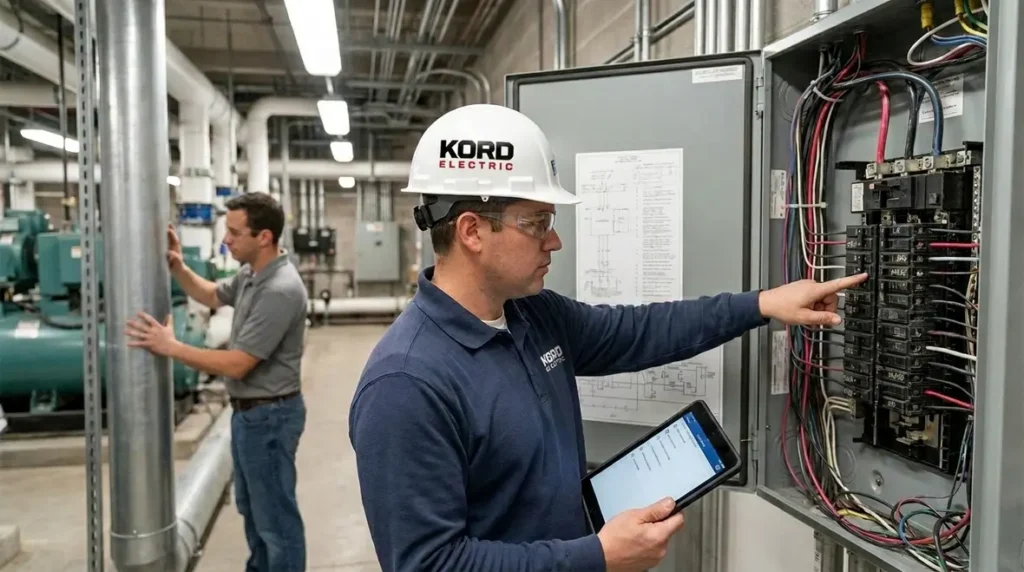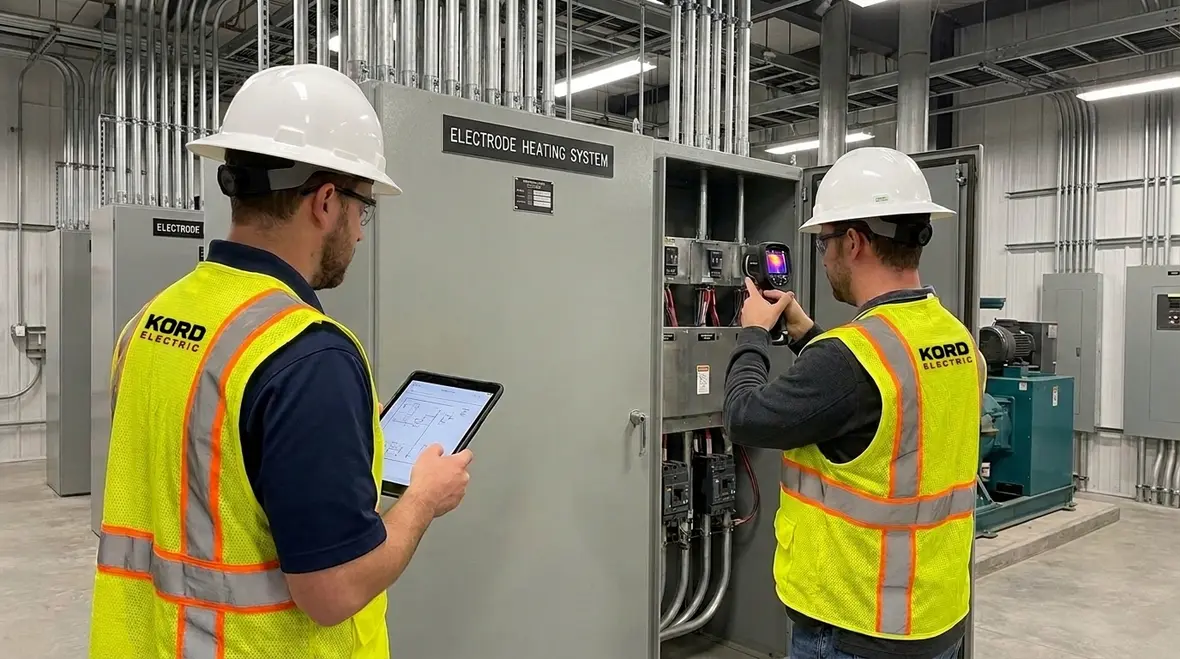
NFPA 70 Section 682.10 Electrode Heating Transformers Guide
NFPA 70 Section 682.10 electrode heating transformers set a clear expectation for how these special electrical units get built, connected, protected, and maintained. At Kord Electric, we focus on commercial and industrial facilities, as well as major property buildings, because the stakes are higher and the systems work harder. Our expert service staff walks site managers and facilities teams through what this means in real language, not codebook poetry. And yes, we do explain it without making you feel like you are trapped in a never ending training video from the 90s.
Because these transformer applications can involve unique heating needs, teams must get the basics right first, then build safe practices around them. Therefore, we will break down the National Electrical Code, relate it to electrode heating transformers, and show how to plan inspections, documentation, and ongoing service for the long haul.
National Electrical Code basics that keep projects moving
In plain terms, the National Electrical Code, often called NEC, sets minimum requirements for safe electrical design, installation, and inspection. However, safety does not happen by accident in commercial and industrial environments. It comes from disciplined work orders, verified connections, clear labeling, and correct protection.
When we work with building owners, electrical contractors, and facility teams, we also help them connect code rules to daily decisions. For example, if a site runs process loads, handles variable demand, or operates in shifts, electrical equipment often faces stress cycles. So, even when work looks “good enough,” the code-minded approach prevents the slow slide into nuisance faults and higher risk conditions.
Our technicians use a practical method. First, they review the system scope and intended operation. Then, they confirm materials and installation practices that align with NEC expectations. Finally, they guide the team on how to verify performance in the field, including checks that support safe operation over time.
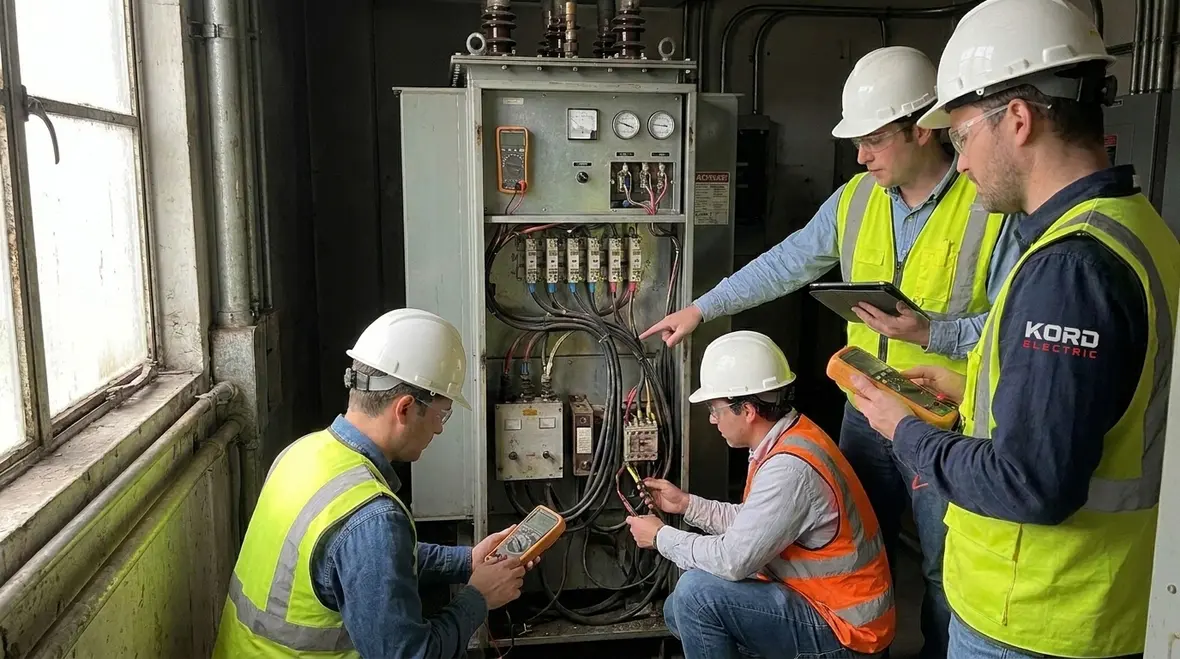
Where electrode heating transformers fit inside NFPA 70 Section 682.10
Electrode heating transformers serve a focused role, and NFPA 70 Section 682.10 electrode heating transformers covers important requirements for their safe use. These transformers are not like the ones you see in basic retail lighting rooms. Instead, they support specific heating methods, and that means the design details matter.
To stay aligned, teams must understand how the transformer interfaces with its system. Even small issues can cascade into larger problems. For instance, a mismatch between protective devices and expected operating conditions can result in improper fault response. Likewise, unclear wiring practices can make it harder to troubleshoot, and troubleshooting delays rarely make anyone’s day better.
Our expert service staff explains the code intent this way. First, the transformer and associated circuits must provide safe operation under both normal and fault conditions. Second, the installation must support reliable protection and safe disconnecting. Third, maintenance practices must allow the equipment to remain safe as it ages and as the building’s use changes.
And if you are thinking, “We have maintenance, so we are fine,” we politely remind you: maintenance without code alignment is like locking a door with a sticky note. It feels helpful, but it is not a plan.
Electrical protection planning for commercial systems and major buildings
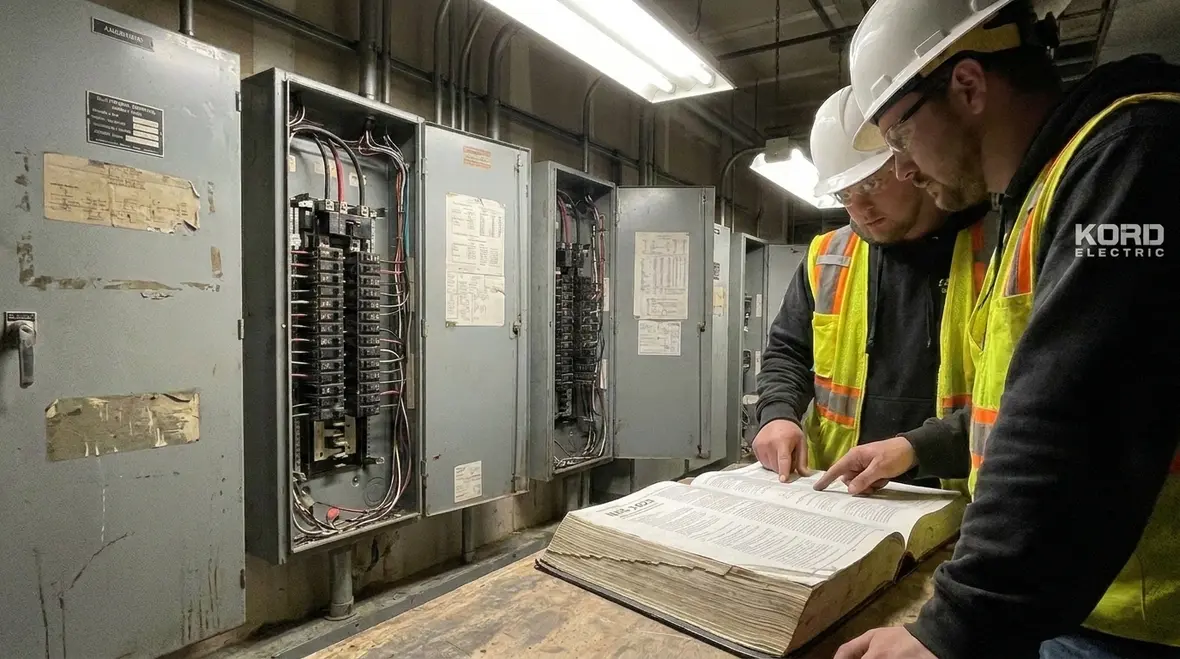
Once the project team understands NFPA 70 Section 682.10 electrode heating transformers in context, the next step focuses on protection. In commercial and industrial buildings, you cannot treat protective coordination as a one time checkbox. You coordinate protection to match the equipment, the load behavior, and the real installation layout.
That means we help teams review protective device selection, conductor sizing, and circuit arrangements. Additionally, we confirm that the disconnecting and overcurrent protection align with the transformer application. If the system relies on electrode heating for process needs, fault behavior and operational duty cycle can differ from more common power uses.
We also stress verification. Therefore, our technicians typically support field checks that confirm labeling, routing, and terminations. Where access matters, we plan the route so future inspection does not turn into a demolition event. In other words, we try to make compliance practical now and not painful later.
For facilities, this approach reduces surprises. When electrical events occur, operators and maintenance teams can identify the correct equipment quickly. As a result, downtime shrinks, and safety risks shrink with it.
Installation quality and documentation that withstand audits
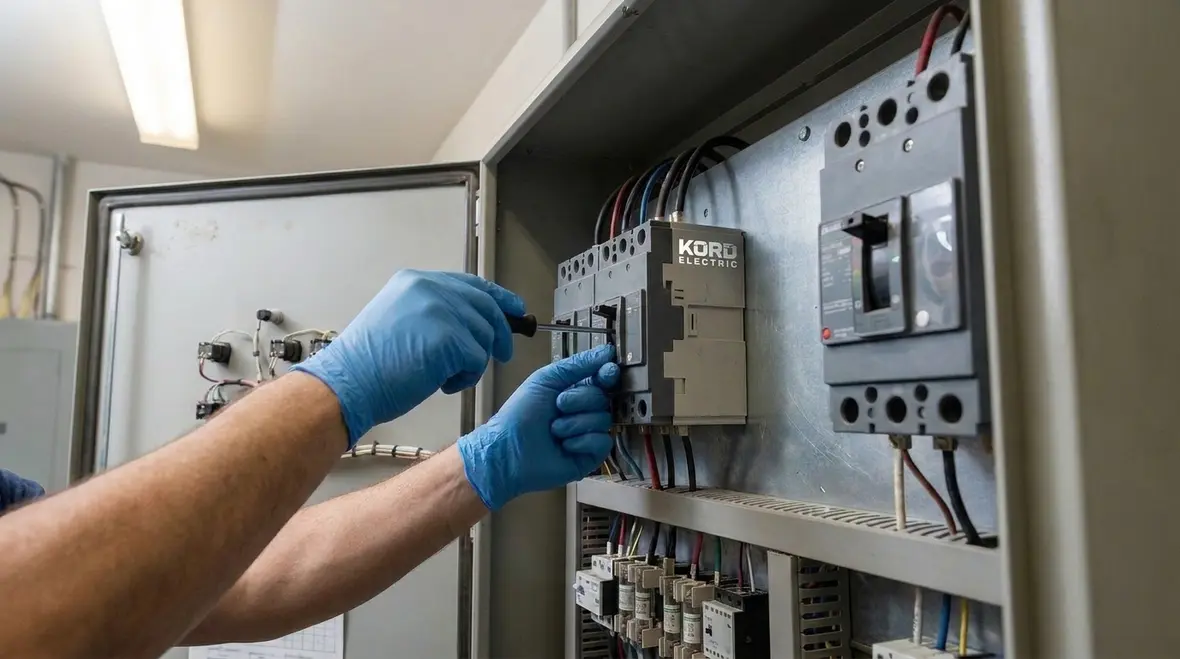
Commercial owners and property managers usually face one of two worlds. Either they plan for audits and compliance reviews, or they get surprised by them. We prefer the first world. Our technicians handle installation quality with attention to details that auditors look for later: workmanship, labeling, documentation, and traceability.
For electrode heating transformer circuits, documentation should clearly show how the installation matches the design intent. That includes identifying the transformer, its related disconnecting devices, and the protective elements connected to it. Furthermore, it should show that wiring methods, connections, and equipment ratings align with the NEC requirements.
Our expert service staff also helps teams create an easy maintenance record. For example, we encourage labeling that makes sense to operators, not just to the person who installed it. We also recommend service logs that track inspections, test results, and any corrective actions.
Here is the business reality: a well documented system saves time. It also helps contractors respond faster when a component fails or when building use changes. While it is not glamorous, paperwork is the reason many projects avoid expensive delays. Think of it as the boring superhero that prevents the dramatic movie scene.
Testing, maintenance, and safe operation over the lifecycle
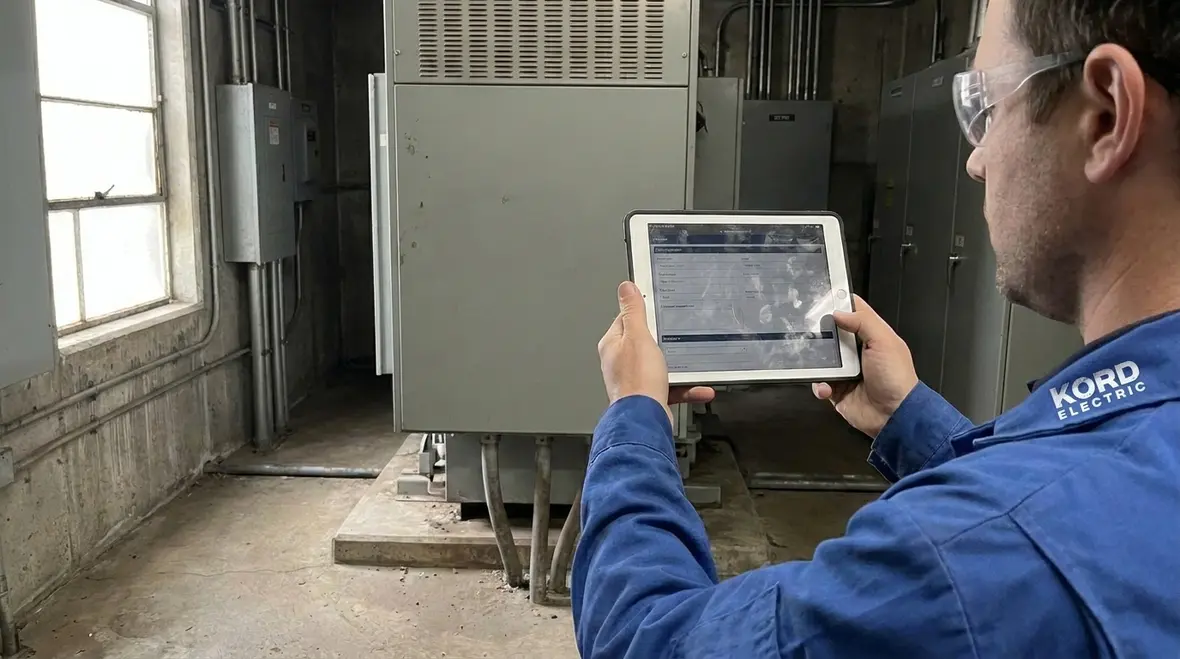
Code compliance does not end at the last inspection stamp. Instead, safety depends on ongoing work. In electrode heating transformer applications, routine checks support consistent operation and help catch early warning signs before they become failures.
We recommend a lifecycle approach for commercial and industrial facilities. First, plan inspections at intervals that reflect load behavior and operating conditions. Then, document findings so teams can spot trends. Next, maintain the equipment using procedures that preserve safe connections and correct operation.
Our technicians focus on safe, methodical checks. They look at terminations, verify protective device condition, and confirm that installed labeling still matches the actual field layout. If a facility has undergone renovations or process changes, we advise a review so the system still aligns with the original code intent.
Also, teams should coordinate maintenance so it does not disrupt critical operations. Therefore, we help plan shutdown windows, temporary safety measures, and clear communication for operators. The goal stays simple: protect people and keep process uptime stable.
How the NEC connects to real compliance work and safety culture
Many teams ask how to move from “read the code” to “run a safe system.” The answer lies in safety culture, training, and repeatable processes. When we reference NEC guidance from reputable sources, we focus on what it means for commercial realities.
At Kord Electric, we work with partners who also treat code requirements seriously, including resources aligned with NFPA 70 discussions and safety education. We also support the broader Kord family approach to fire and electrical risk awareness through Kordfire platforms and educational efforts like Kordfire.com.au. For pump and related safety concepts, we also pay attention to how specialists communicate requirements across systems, including firepumps.org resources when a facility’s overall safety strategy needs clearer structure.
So, we translate the requirements into checklists, procedures, and team responsibilities that make sense on site. And when people say “we will handle it later,” we respond with a calm reminder: later often arrives with smoke, alarms, and a bill. We would rather prevent that, thanks.
If your team wants a step back to the bigger picture of NFPA 70 before diving deeper into electrode heating applications, you can also review our broader guide, Understanding NFPA 70: The National Electrical Code Explained for 2026, which connects code language to real project planning and inspections.
Planning NFPA 70 Section 682.10 electrode heating transformers into your project
Integrating NFPA 70 Section 682.10 electrode heating transformers into a project does not happen in isolation. They sit inside a broader power and safety strategy that spans feeder design, grounding and bonding, emergency power, and coordination with fire protection systems.
For commercial and industrial buildings, we typically start with a review of the overall electrical distribution. Then we map where the electrode heating transformers live in that system, which panels supply them, and how protective devices upstream and downstream will behave. That mapping exercise ties directly into disconnect locations, lockout and tagout plans, and how maintenance staff will approach the gear during future work.
From there, we help project teams connect code language to drawings. Conductor sizes, insulation types, raceway paths, and enclosure ratings all matter more when electrode heating is involved, because the system often sees harsher thermal and duty conditions than a standard lighting or receptacle circuit. Aligning these choices with NFPA 70 expectations keeps the project defendable when an inspector or insurer starts asking detailed questions.
For facilities in demanding jurisdictions such as Los Angeles County, this planning step also ties into broader compliance work. Reviewing systems alongside services like Los Angeles County electrical services helps ensure that local requirements, national standards, and real-world operating conditions all point in the same safe direction.
FAQ
Ready for a safer, code-aligned electrical system?
If your facility runs critical processes or depends on electrode heating, you deserve electrical support that treats safety as a system, not a slogan. Kord Electric helps commercial and industrial teams plan, install, and maintain power equipment with clear documentation and field tested practices. Our technicians and expert service staff explain the details in plain language, so your team makes confident decisions. Call us to review your setup, tighten protection practices, and keep your building operating safely for the long run.
Whether you are aligning a new build with NFPA 70 Section 682.10 electrode heating transformers requirements or updating legacy equipment to meet today’s expectations, our team can help you translate dense code language into a practical roadmap for design, installation, and maintenance.