NFPA 70 Section 694.23 Turbine Shutdown Rules
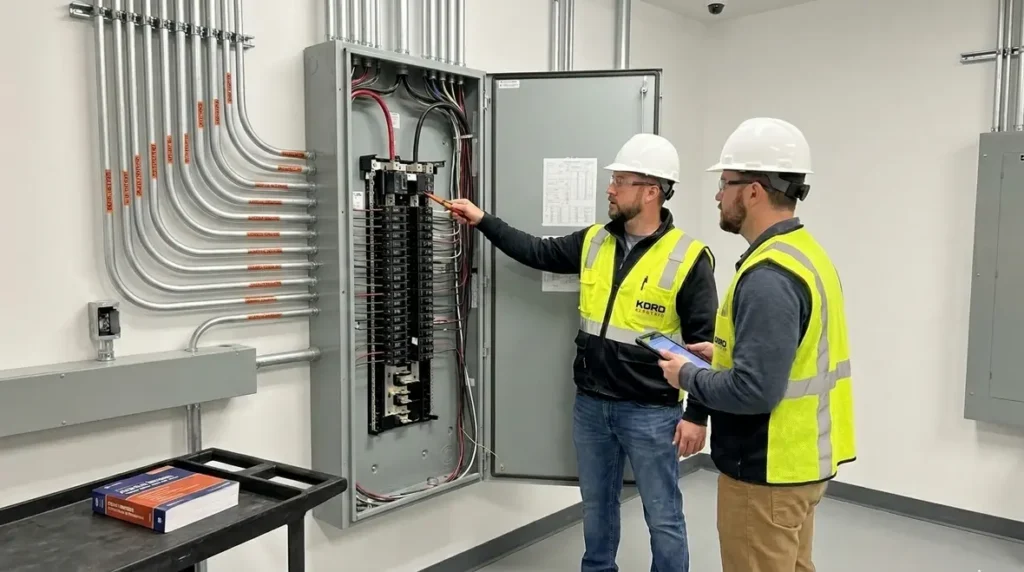
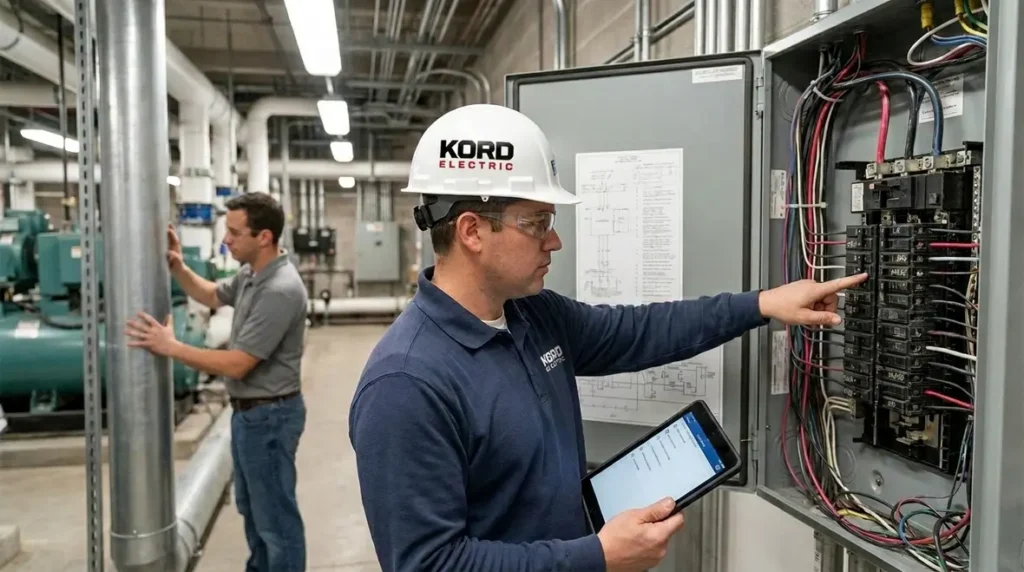
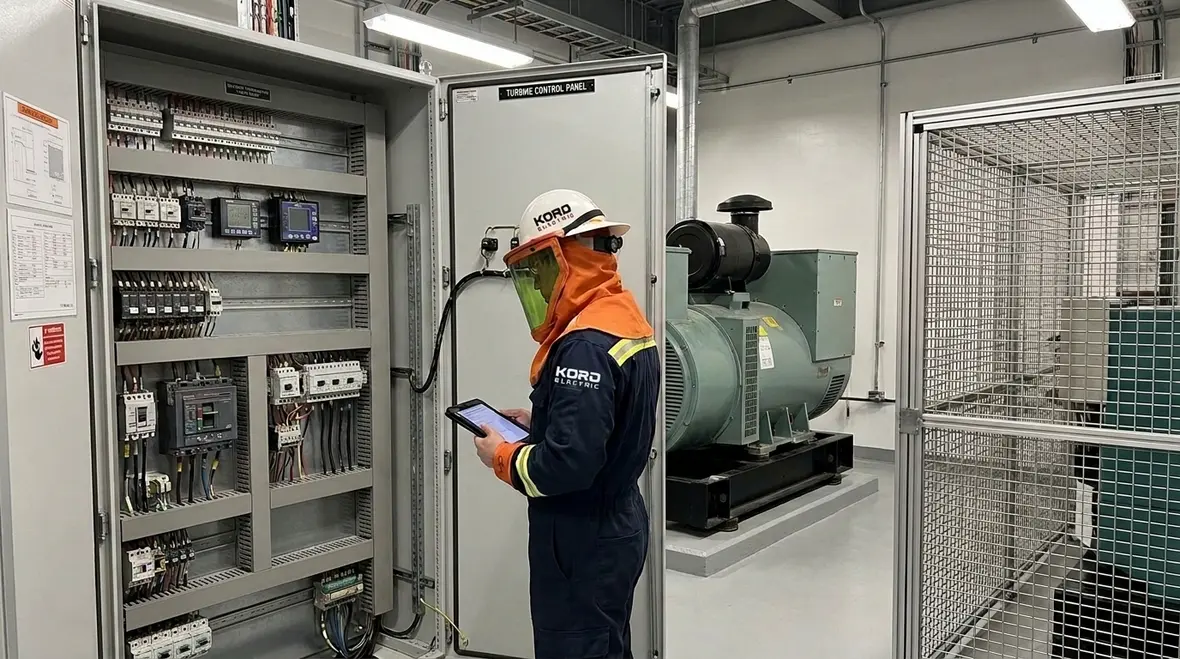
NFPA 70 Section 694.23 turbine shutdown rules form a key safety line for commercial and industrial owners who operate energy systems. In the first place, these turbine shutdown rules require clear actions that protect people, equipment, and electrical networks when a fault or unsafe condition shows up. Then, they connect directly to how we plan, install, and maintain electrical systems that interact with power generation and controls. At Kord Electric, we see this every day in major property buildings, and we also see what happens when teams skip the details. And yes, we have heard the classic excuse, “It worked last year,” which is a great philosophy for cooking pasta, not for electrical safety.
What NFPA 70 means for commercial electrical safety
When people hear NEC, they often picture a thick rulebook that only electricians read. However, that is not how we treat it. We treat NFPA 70 as a practical safety framework that guides how electrical systems should be designed, installed, and verified. Our technicians and expert service staff explain the “why” behind the rules, not just the “what.” As a result, facilities that serve the public or support critical operations gain safer wiring methods, stronger protection, and fewer shutdown surprises.
Commercial and industrial facilities face tougher loads, more complex distribution paths, and faster changes to equipment. So, we plan for the real world: demand spikes, rotating equipment, and control circuits that must stay coordinated. Even major property buildings rely on predictable performance for life safety, cooling, elevators, and critical outlets. Therefore, NFPA 70 becomes less like paperwork and more like a safety map.
We also remind teams that codes do not replace engineering judgment. Yet, they do shape what an inspector will expect and what insurers will want. In other words, codes protect people and reduce expensive downtime. If that feels less fun than a movie marathon, good. Electrical safety should not be an entertainment choice.
How NFPA 70, NEC requirements, and shutdown logic connect
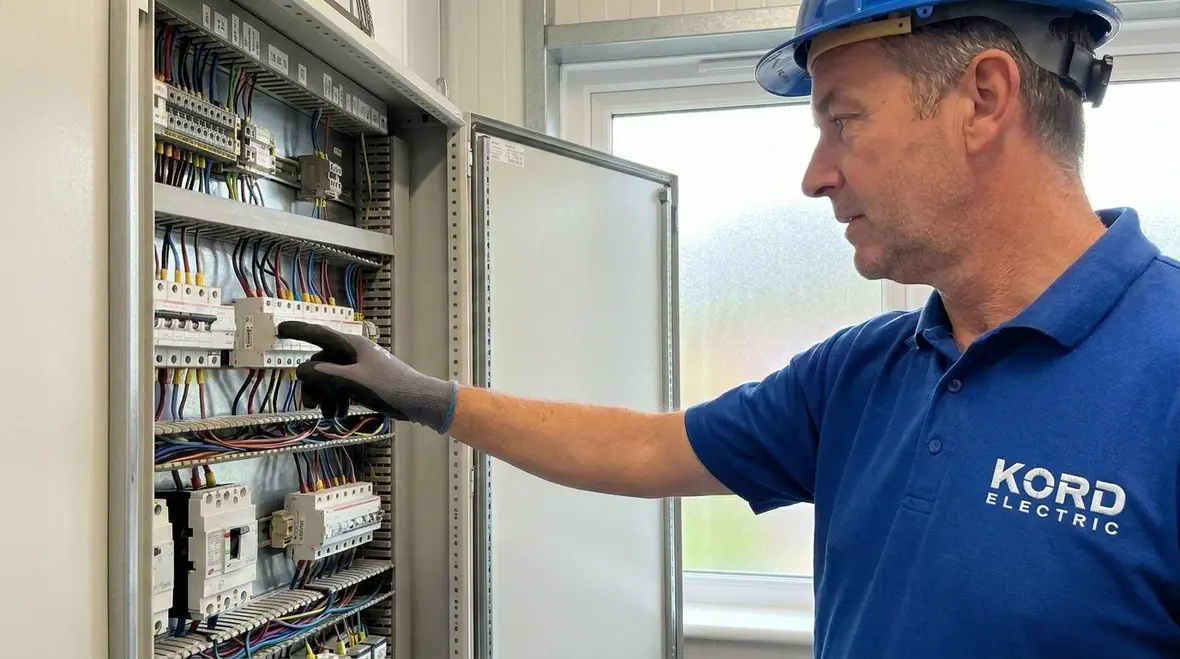
Electrical shutdown is not one switch and a prayer. It is a controlled sequence that stops unsafe operation while keeping critical loads stable. For turbine related setups, NFPA 70 Section 694.23 turbine shutdown rules push the system toward predictable behavior when conditions indicate danger. That means we look at detection, controls, wiring, protective devices, and coordination across the entire system. Then we make sure the shutdown actions align with how the equipment actually operates.
To make this easier for facility teams, our expert service staff breaks the topic into steps. First, we identify the power sources and how they interface with the premises wiring. Next, we map protection and control devices to the specific failure modes the rules cover. Then, we verify that shutdown signals travel through correctly protected circuits and that the system responds as intended.
At Kord Electric, we focus on commercial and industrial facilities and major property buildings. That focus matters because these sites usually have multiple feeders, layered protection, and ongoing operations that do not stop for repairs. As a result, our approach emphasizes safe fault handling and controlled system behavior instead of “fix it later” decisions that turn into long outages.
Electrical design and installation choices that support safe shutdown
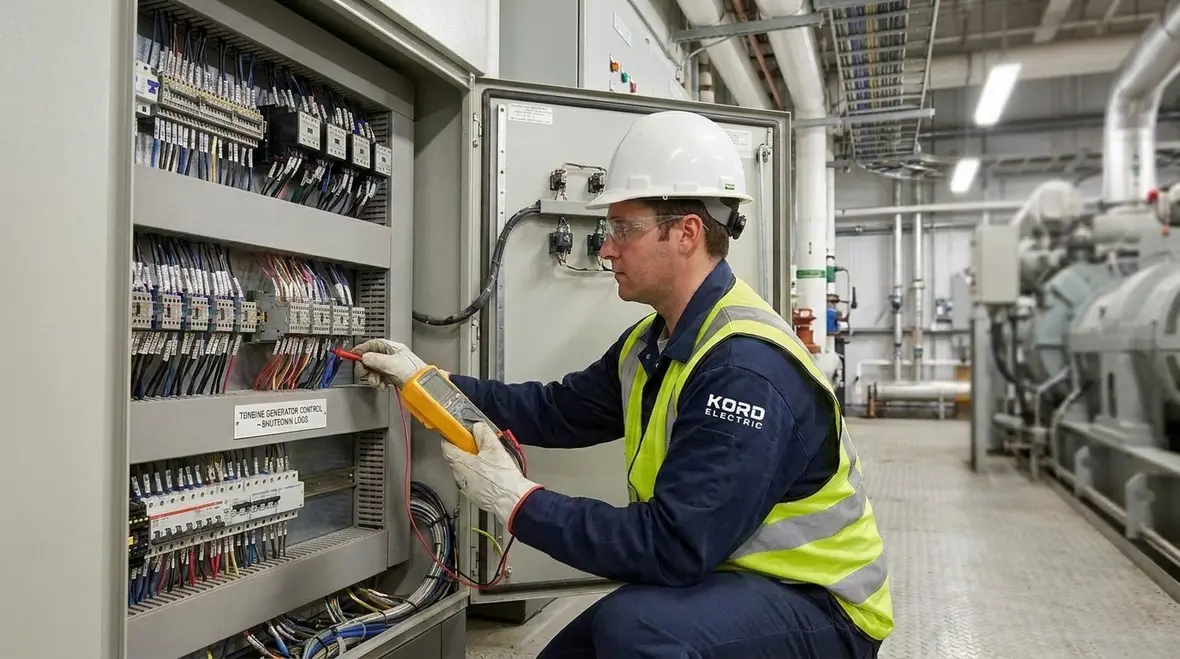
Once a team understands why shutdown rules matter, the next question becomes how to build toward that outcome. In practice, we do not treat shutdown compliance as a last minute checkbox. We integrate it during design reviews and during installation planning. Then, we verify that field conditions match the intended logic.
Here are the design and installation areas we pay close attention to for turbine and power interface safety.
Correct protective device coordination: We select overcurrent and fault protection so abnormal conditions trigger in the right order. This reduces the chance of selective trips that confuse operations.
Control circuit wiring integrity: We install control and signaling wiring so it stays supervised and protected. If the wiring fails, shutdown signals can fail too.
Clear labeling and wiring identification: We label circuits so maintenance teams can trace systems quickly. Nobody should chase a cable like it is a hidden plot twist.
Control logic compatibility: We ensure interfaces between turbine controls, protective devices, and premises systems match the intended shutdown behavior.
Commissioning and verification: We verify readings, continuity, torque values, and response behavior before the system goes live.
Then, we keep the process realistic. Facilities do not run on theory alone. They run on schedules, staffing, and real load profiles. So, our technicians document what we test and what we confirm, and we explain the results in clear language so facilities can act quickly when something changes.
For teams looking to connect shutdown planning with broader NEC strategy, resources like Understanding NFPA 70: The National Electrical Code Explained for 2026 help align turbine behavior, distribution design, and inspection expectations in one consistent roadmap.
NFPA 70 compliance for major property buildings and critical facilities
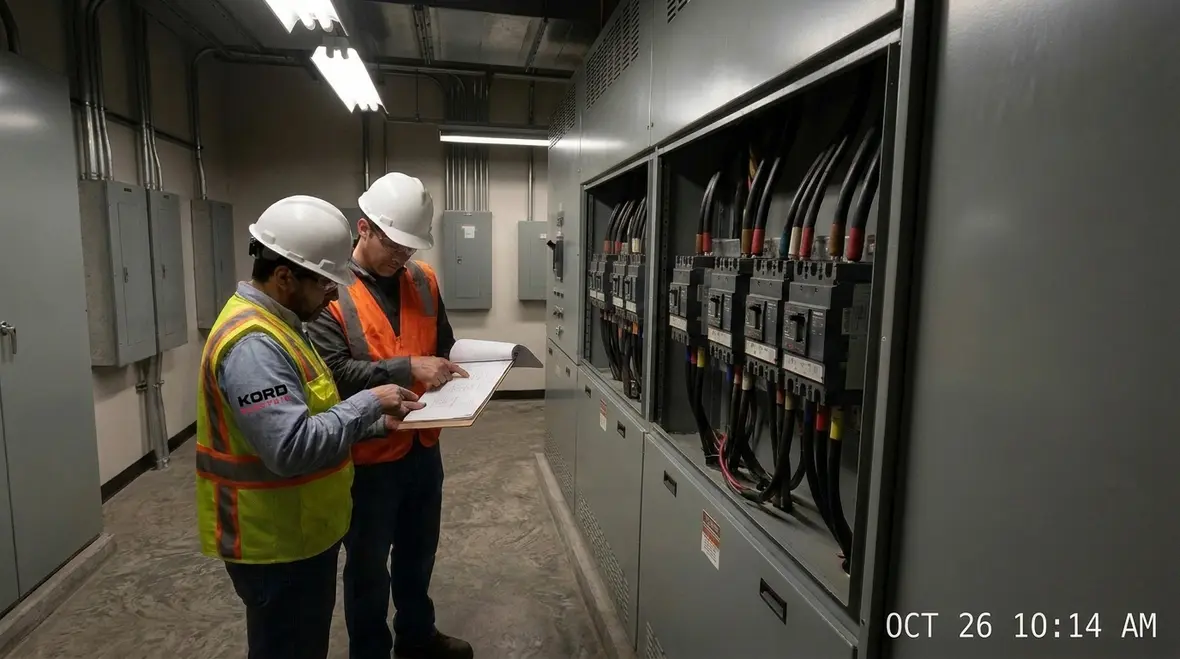
Major property buildings operate like small cities. They run on air handling, pumping systems, life safety devices, communications, and elevators, plus tenant power needs. Meanwhile, many sites also add onsite generation for reliability or cost control. In that environment, shutdown behavior impacts more than one panel. It can affect multiple floors, zones, and control systems.
Because of that, we approach compliance as a coordination effort. We do not only focus on the turbine side. We also check how the premises distribution responds to shutdown signals and how protective devices clear faults without spreading risk. We look at the entire chain, from source to switchgear to downstream panels, because a safe shutdown must still protect critical loads appropriately.
Our team also values training. We explain the operational steps to the facility’s electrical supervisors and maintenance staff. Then, when the inevitable alarm arrives during a storm or an abnormal event, people know what they are seeing instead of guessing. And that saves time, money, and patience, which is a limited resource everywhere.
For owners who want deeper context on the NEC and related safety topics, we also support cross learning from our teams at Kord Fire and Kord Fire Australia, where fire and electrical safety planning continues to evolve with code updates. We keep it all aligned with what major facilities actually need.
Commissioning, testing, and ongoing service that keep rules true in the field
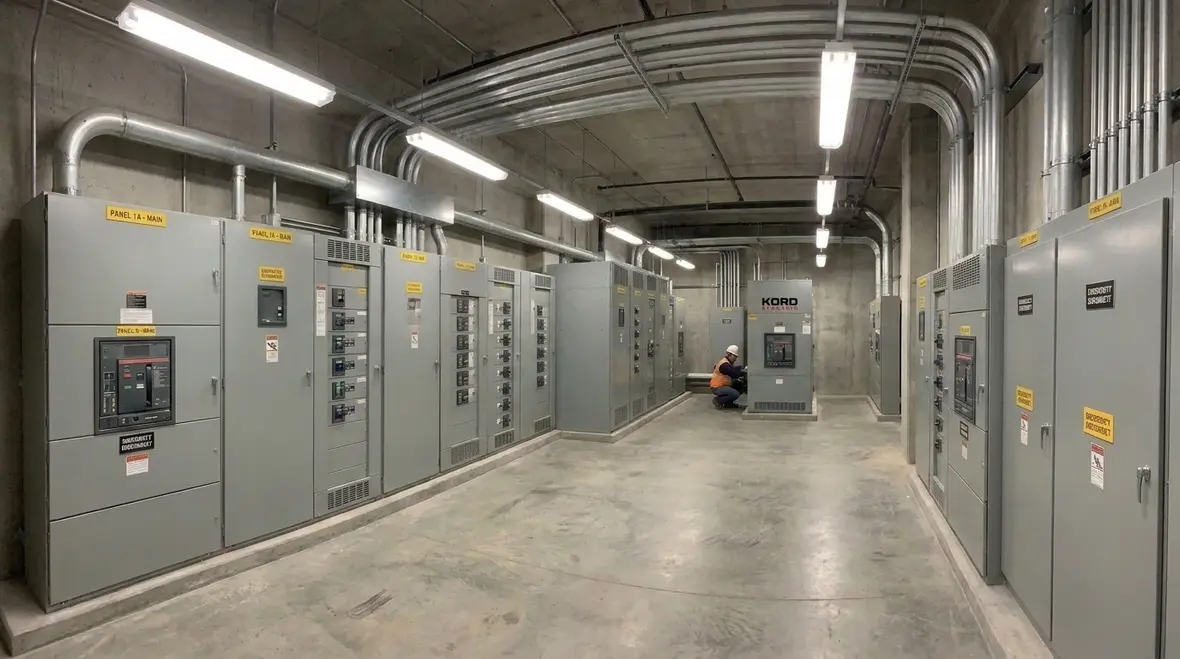
Even a perfect design can lose accuracy if commissioning is rushed. So, we verify. Our technicians plan commissioning so it tests shutdown behavior, protective coordination, and control circuit response under the conditions that matter. Then we capture results in service records that facilities can use during future upgrades.
Ongoing service matters because equipment ages. Terminals loosen, sensors drift, software updates change timing logic, and maintenance teams swap parts. Therefore, a compliance mindset must continue after the project closes. We schedule inspections and testing with the goal of catching problems early, not waiting for failure. If we find a weakness, we fix it before it turns into an unscheduled downtime event.
We also support integrated safety planning. On certain sites, fire protection systems and emergency pumping schedules interact with power reliability. While electrical shutdown targets turbine and power interface safety, fire and life safety systems still depend on stable power. That is why we coordinate our electrical safety work with fire protection planning resources such as firepumps.org, and we ensure the full facility safety chain stays consistent.
In short, compliance is not a one time event. It is a process, and we treat it that way. Like a good maintenance plan, it prevents the “it only broke today” surprise.
For facility leaders in Southern California, this ongoing mindset connects naturally to broader code planning and inspection readiness. Our Los Angeles County electrical services support commercial and industrial facilities and major property buildings that want turbine shutdown, emergency power, and everyday distribution all working under one consistent NFPA 70 strategy.
FAQ about NEC, NFPA 70, and turbine shutdown safety
How Kord Electric helps you stay safe and operational
We focus on commercial and industrial facilities and major property buildings, where downtime costs money and risk costs more. Our technicians and expert service staff explain code intent in plain language, then we translate that intent into wiring, protection, commissioning, and ongoing testing. We also align electrical safety with how facilities run day to day, so shutdown behavior stays predictable during real events. If you want a team that treats compliance as a safety system, not a paperwork exercise, contact Kord Electric today. Let us review your setup and plan next steps.
From NFPA 70 Section 694.23 turbine shutdown rules to broader NEC planning for distribution, emergency power, and load management, our goal is simple: keep your systems stable, your inspections smoother, and your teams confident when alarms sound. We bring the same careful attention to turbine interfaces that we bring to power quality, redundancy, and emergency power design across our projects, so your facility benefits from one integrated safety mindset instead of scattered fixes.
If you are mapping upgrades around generation, shutdown logic, or major distribution changes, our team can connect this work with resources like our NFPA 70 guides, data driven design tools, and commercial maintenance planning. That way, your turbine shutdown planning does not stand alone; it becomes part of a larger, reliable electrical story for your building.