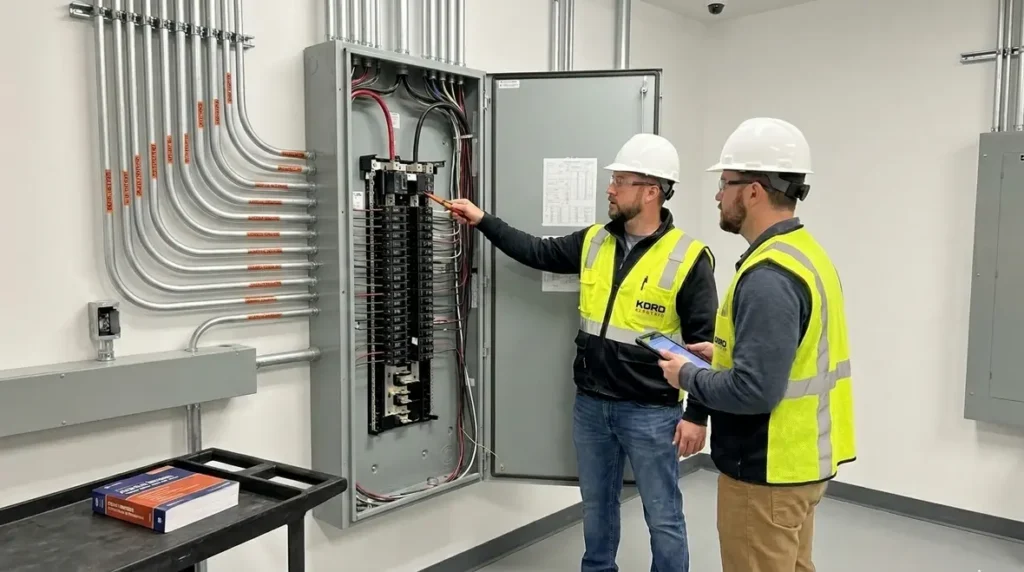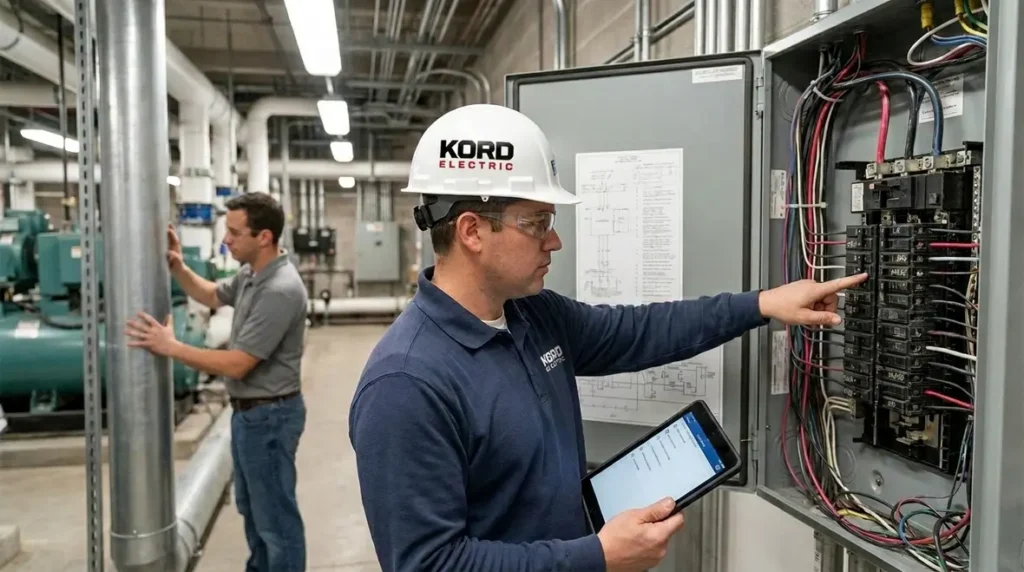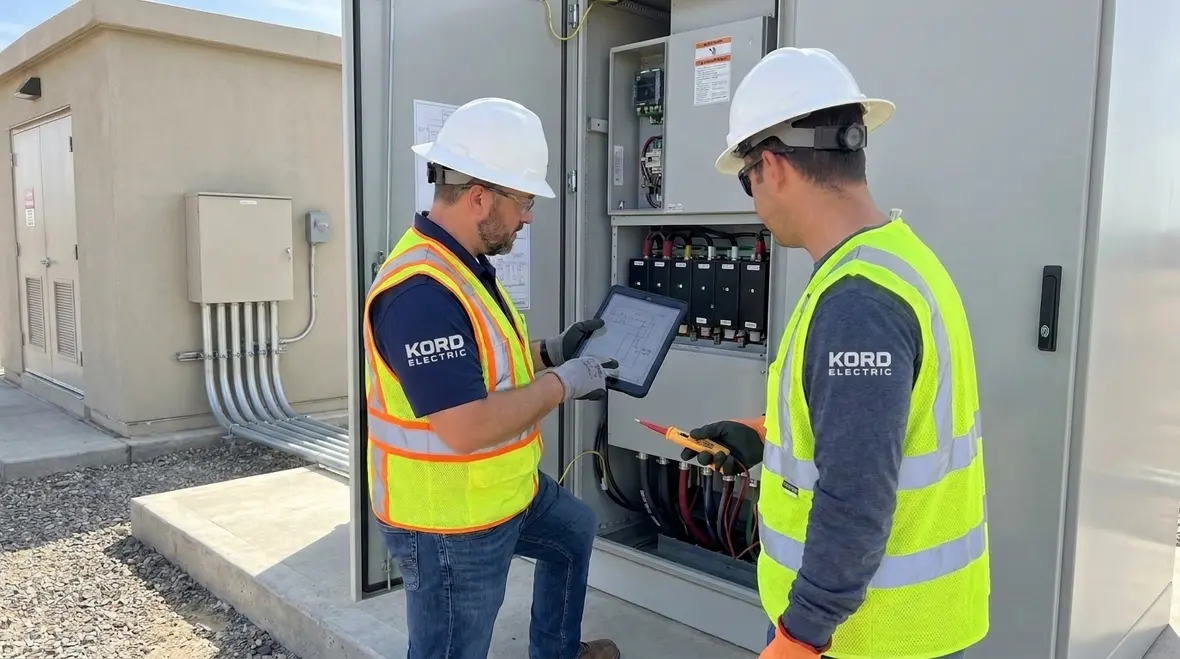
NFPA 70 Section 694.52 Wind Energy Storage Compliance
At Kord Electric, we design and service power systems for commercial and industrial facilities and for major property buildings, because those sites cannot afford guesswork. In that world, NFPA 70 Section 694.52 wind energy storage becomes more than a citation. It becomes a practical set of expectations for how equipment should connect, protect, and operate. And yes, we know. People read “code section” and mentally picture a math exam. However, our expert service staff and technicians translate it into plain steps your team can actually use.
We explain how the National Electrical Code fits together, how wind energy storage rules connect to real installations, and what we check during commissioning and service. Then, we help you avoid the common pitfalls that show up after the ribbon cutting, not before it.
What NFPA 70 Section 694.52 wind energy storage is trying to prevent
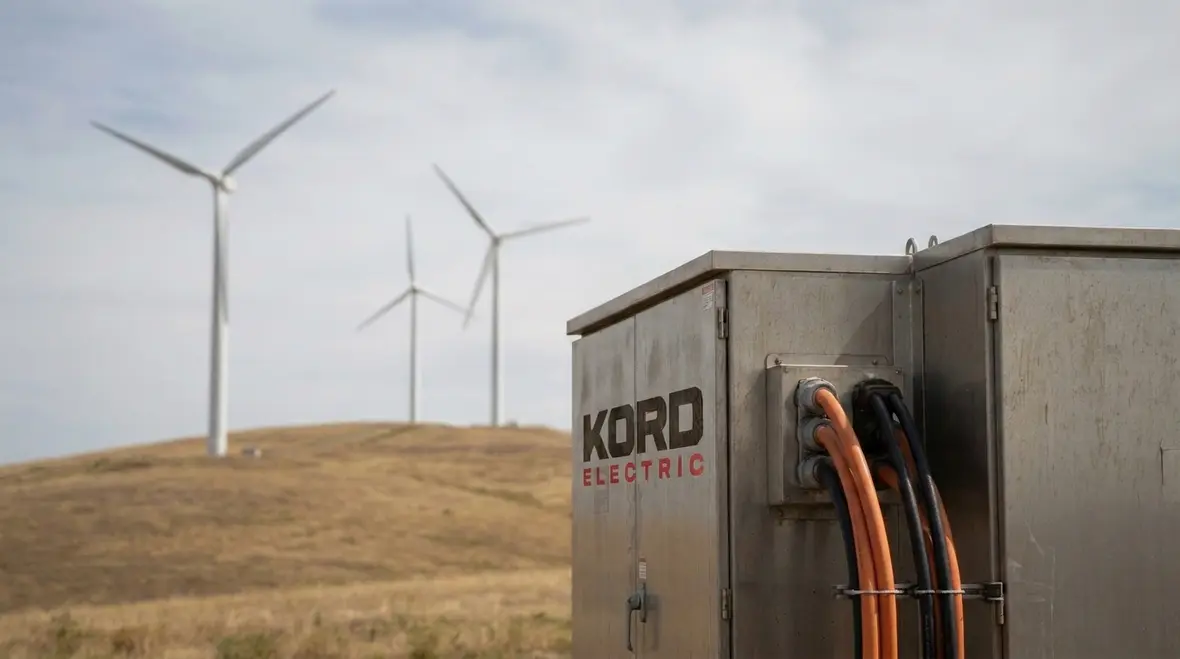
NFPA 70 is the National Electrical Code, and it sets the baseline for safe electrical design and installation in the United States. Section 694.52 focuses on wind energy systems with storage, so it addresses the situation where power generation and batteries need to behave as one coordinated system. In other words, you do not just install components. You make sure the whole chain performs safely under normal operation, abnormal conditions, and fault events.
To keep it calm and clear, we think of the goal in three layers. First, the code reduces the chance of fire and shock. Second, it supports proper operation during transitions, like starting, stopping, or re-energizing. Third, it helps ensure that protective devices respond correctly so a fault does not spread like a rumor in a break room.
Our technicians follow these intent points when they plan wiring methods, grounding and bonding, equipment ratings, and protection coordination. Then we verify the results during testing and documentation. That approach matters in major property buildings, where downtime hits tenants, operations teams, and schedules.
How the NEC connects wind generation, storage, and electrical protection
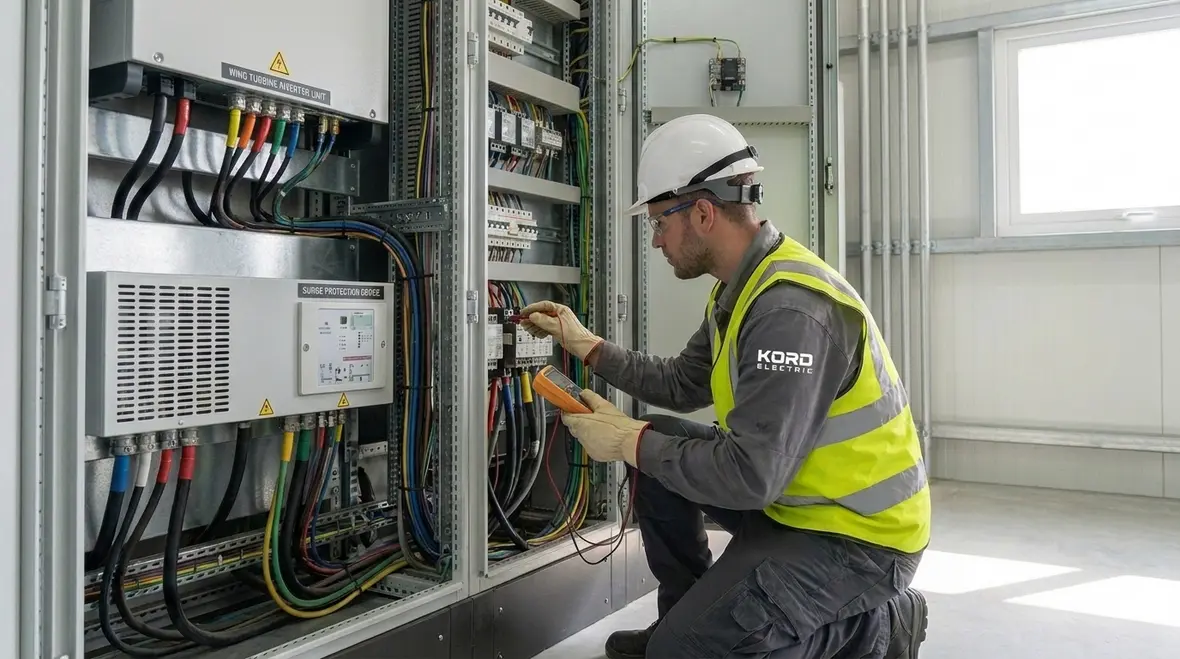
Many teams focus on one device at a time. For example, they may study inverters or battery cabinets, then assume the job is done. However, the NEC treats the installation as an integrated electrical system. Therefore, we connect the dots across conductors, disconnects, overcurrent protection, surge considerations, and wiring methods.
In practice, NFPA 70 Section 694.52 wind energy storage pushes you to confirm that the system uses components that match the design, including voltage and current ratings. It also calls for protective measures that align with how faults occur in real conditions. If a component fails, the electrical system should respond in a controlled way, not in a chaotic one. (And no, “we will deal with it later” is not a safety strategy.)
Our expert service staff helps facilities build an installation that is consistent from design through commissioning. We review one-line diagrams, evaluate equipment interface points, and check that the protective devices coordinate with each other. As a result, operators get predictable behavior, and maintenance teams get clearer troubleshooting paths.
Wiring methods and system layout for commercial and industrial sites
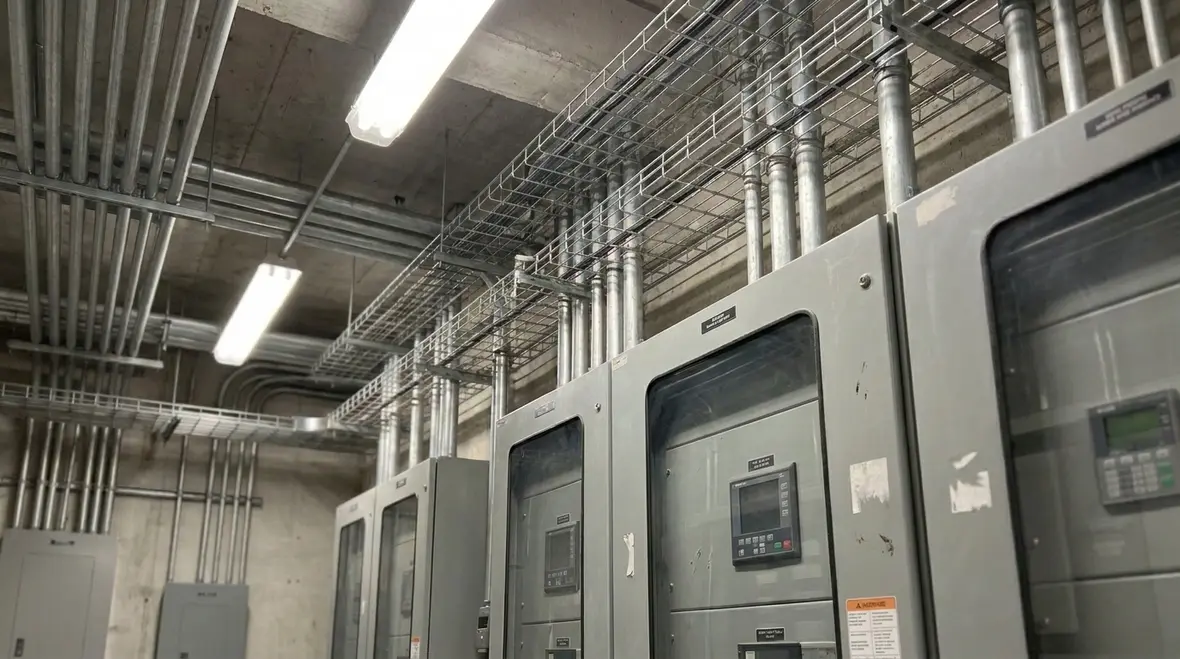
Commercial and industrial facilities often face constraints that do not show up on small projects. We deal with longer feeder runs, shared electrical rooms, strict access requirements, and fast schedules. Consequently, wiring method choices and physical layout decisions affect both safety and serviceability.
Wind energy storage setups also introduce layout challenges. The storage portion may live in dedicated enclosures, while generation and power conversion equipment may be placed elsewhere based on wind exposure, routing paths, and building interfaces. Therefore, teams must plan conductor pathways, separation needs, and identification requirements.
Our technicians pay close attention to routing discipline. They verify that conductors run to the right terminals and that penetrations do not ignore firestopping expectations. They also confirm that pathways support maintenance access, so future inspections do not require heroic contortions. If you have ever watched a technician crawl behind a cabinet, you know that “temporary access” becomes permanent if you do not design for it.
Then, we align grounding and bonding strategies with the broader facility plan. That step matters because storage systems can create operational conditions that reveal weak grounding decisions. When grounding and bonding support stable fault behavior, protective devices perform as intended.
Coordination and safety checks our team performs
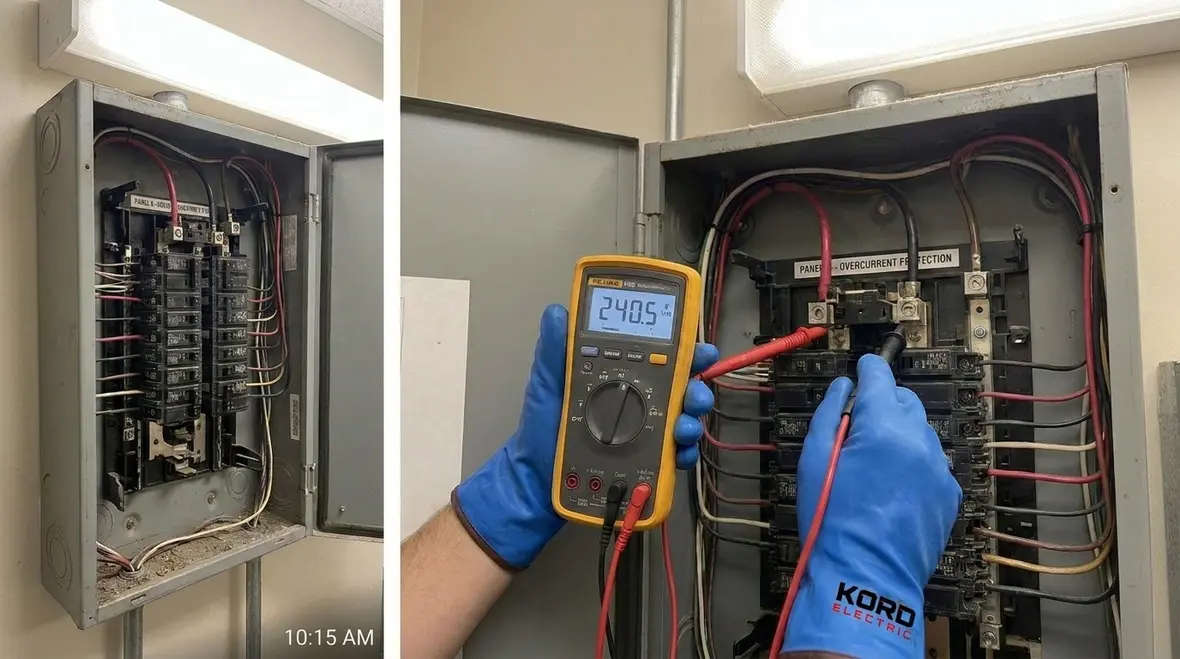
Codes set requirements, but real safety depends on coordination and testing. That is why Kord Electric treats commissioning like a must, not a nice-to-have. We verify that protective devices operate correctly across likely fault and abnormal scenarios.
First, we confirm system labeling and documentation. When a major property building team needs to shut down a section quickly, clear identification can save time and reduce risk. Second, we test functional behavior during switching and transitions, so control logic does not cause unexpected energization. Third, we verify protective performance through approved test methods and inspection steps that match the equipment design.
Our expert service staff also looks for “silent failures.” For example, a misidentified conductor, a loose termination, or an overlooked interface point may not cause an immediate trip. However, it can increase heat, reduce reliability, and degrade performance over time.
And yes, we make jokes while we work. Not because we do not take safety seriously, but because stress makes people rush. If we keep the mood steady, our attention stays sharp. Think of it as workplace calm with a safety mindset. Like the movie version of a checklist that actually gets completed.
Common installation mistakes we help facilities fix
Facilities do not usually fail due to one obvious error. Instead, issues build from small oversights during design, procurement, and field work. Here are the mistakes we see most often in major building and industrial environments.
Mismatch between equipment ratings and design assumptions: When voltage, current, or fault capability assumptions shift, protective coordination struggles.
Inadequate separation and routing discipline: Crowded electrical rooms can create heat buildup, harder troubleshooting, and unsafe access paths.
Weak identification and documentation: If the operator cannot tell what feeds what, response time slows during events.
Grounding and bonding not consistent across interfaces: Storage systems reveal inconsistencies because they operate as part of a broader electrical chain.
Overlooking service access: If maintenance requires cutting access or moving major equipment, long term compliance becomes harder.
To correct these, we follow a structured process. We review the design intent, verify equipment submittals, inspect field work during installation, and then confirm performance through commissioning tests. Meanwhile, our technicians explain each finding to facility leaders in business-friendly terms, so the team understands what to adjust and why.
Industry resources and why we use them to stay current
Because the NEC evolves and because project conditions vary, we stay connected to trusted sources and professional updates. Our internal review process draws from the guidance found in the Kord Electric and Kord Fire materials, along with fire and pump industry resources that help us consider safety in the bigger system context. We also use resources like firepumps.org when we evaluate how electrical changes can interact with facility life safety systems.
In addition, we coordinate with the fire protection perspective when relevant, especially for facilities where electrical work ties into broader safety requirements. We do not treat electrical code compliance as an isolated task. Instead, we treat it as a key part of the facility’s overall risk picture.
So when you work with us, you get more than wiring and panels. You get a team that cross-checks safety assumptions and keeps the project aligned with the code direction your inspectors and stakeholders expect. For a deeper dive into the bigger code picture, facility teams often review resources like Understanding NFPA 70: The National Electrical Code Explained for 2026 alongside wind energy storage planning, so everyone stays aligned on how the NEC operates across building types.
Dual column: What we verify vs what you should ask
We verify
Conductors and terminations match the design intent
Protective device coordination supports safe fault response
Grounding and bonding stays consistent across interfaces
Storage and conversion equipment integrate safely into the facility electrical system
Labeling, documentation, and service access support day-to-day operations
Commissioning tests confirm stable behavior during transitions
You should ask
How does the wind energy storage interface with the rest of our power system
Which protective devices coordinate, and what test steps confirm it
How do you manage wiring pathways, labeling, and service access
What documentation will we receive for inspections and maintenance
How do you reduce risk during switching and abnormal conditions
NFPA 70 and the NEC for 2026 and beyond
Teams often ask what changes matter most before they spend money on design and procurement. We focus on the sections that affect installation behavior and safety outcomes, especially where wind energy storage connects to facility electrical infrastructure. That means we keep a close eye on the NEC updates that impact equipment selection, system interfaces, and protection expectations.
Our approach stays steady: we map the code language to installation tasks, and we verify those tasks in the field. Even when timelines feel tight, we do not shortcut the steps that keep a commercial or industrial installation reliable.
Also, we remind clients of a simple reality. A code-compliant design is not the same as a code-compliant installation. Therefore, we build our process to cover design review, field verification, commissioning, and documentation handoff.
FAQ
Call Kord Electric for a safer, code-aligned install
If your facility plans, upgrades, or maintains wind energy storage, we can help you move from code text to a safe, reliable installation. Kord Electric supports commercial and industrial projects with expert technicians and service staff who explain findings clearly, coordinate protective measures, and verify performance through commissioning and documentation. Let us review your one-line diagrams, installation plan, and test approach so your team avoids surprises later. Reach out today, and let’s build a system that performs with confidence.
For facilities across the region that want NFPA 70 Section 694.52 wind energy storage compliance wrapped into a broader electrical strategy, our dedicated Los Angeles County electrical services connect code expectations with full design, troubleshooting, and upgrade workflows. That way, wind energy storage, distribution equipment, and everyday loads all share the same safety and reliability mindset.