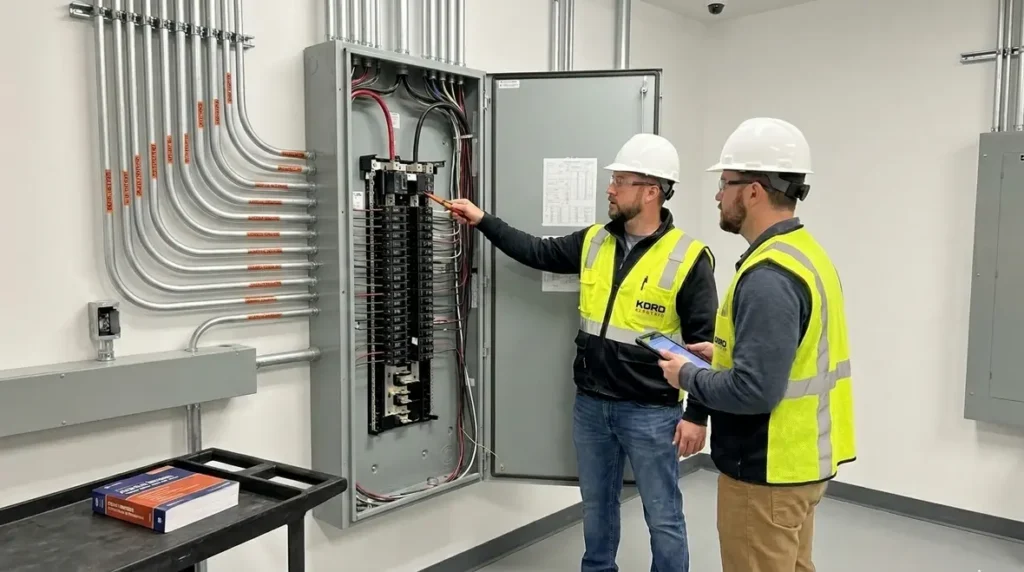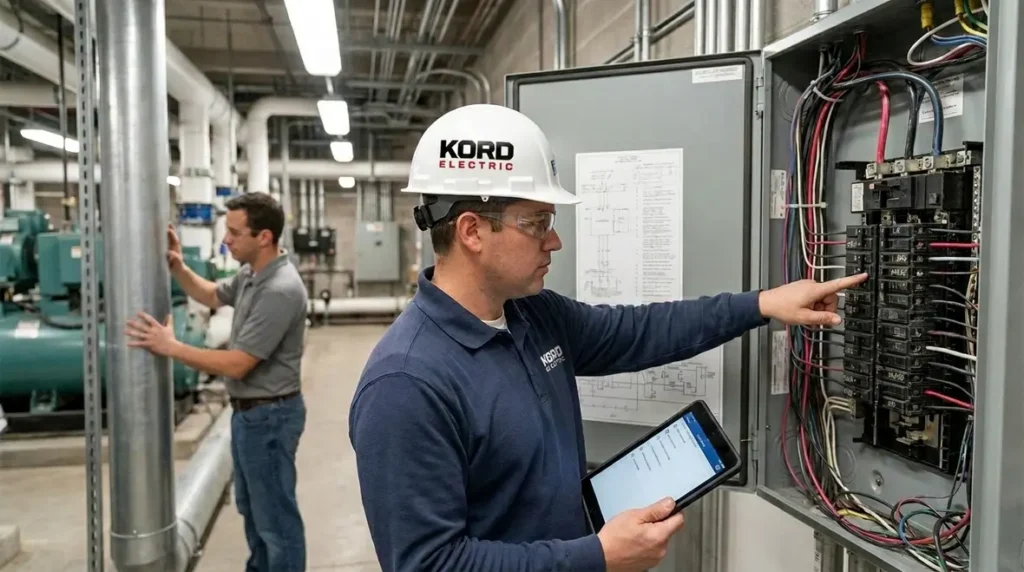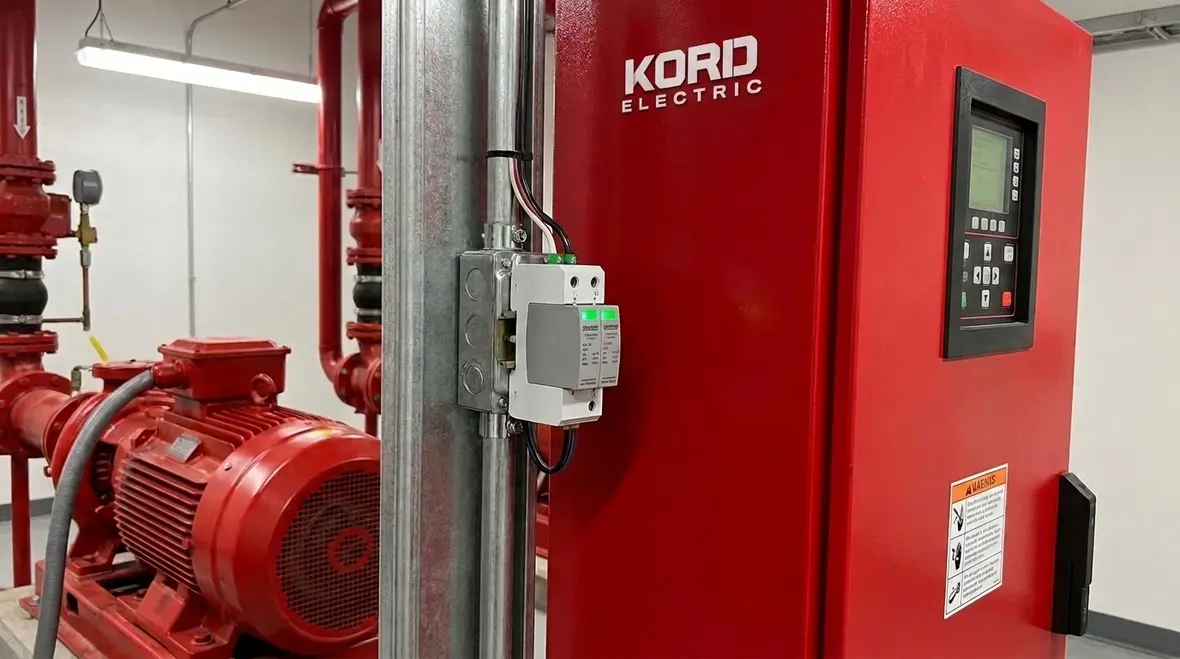
NFPA 70 Section 695.15 Fire Pump Surge Protection
NFPA 70 Section 695.15 fire pump surge protection matters because it helps protect a fire pump system when the real world does what it always does: it throws storms, switching surges, and electrical noise at your equipment. In the first place, we build our approach around that intent, and we make sure our commercial and industrial customers can keep pumps ready when they are needed most. That is why Kord Electric treats surge protection as more than a checkbox. We align it with the National Electrical Code, we follow the 2026 updates where relevant, and we document our work so your facility stays safe and compliant. And yes, if anyone tells you surge devices are “set and forget,” we politely suggest they try running a fire pump through a lightning event. The pump will not find that funny.
How the NEC treats fire pump circuits in real life
When people hear “fire pump,” they often picture the pump motor and the pressure controls. However, from an electrical standpoint, the system is only as reliable as the power that feeds it. That is why the NEC keeps fire pump installations under a careful lens. We work with the NEC and related standards to help facilities avoid nuisance trips, damaged control boards, and failures that only show up after the next big storm. Meanwhile, our technicians explain the “why” in plain language, so your site team understands what we are protecting and why.
In practical terms, the Code expects designers and installers to manage risks that come from surges on conductors and equipment. So, even though surge protection devices may sound like an accessory, they function as a guardrail for sensitive components like pump controllers, relays, and communication modules. As a result, we plan the protection scheme with the fire pump requirements in mind, rather than treating it like a generic electrical upgrade.
We also remind others that the goal is not to stop every electrical event. Instead, we reduce the harm that surges can cause and keep the system capable of performing its job. If you do not plan for that, the building pays later, and it usually pays in a way nobody wants to schedule.
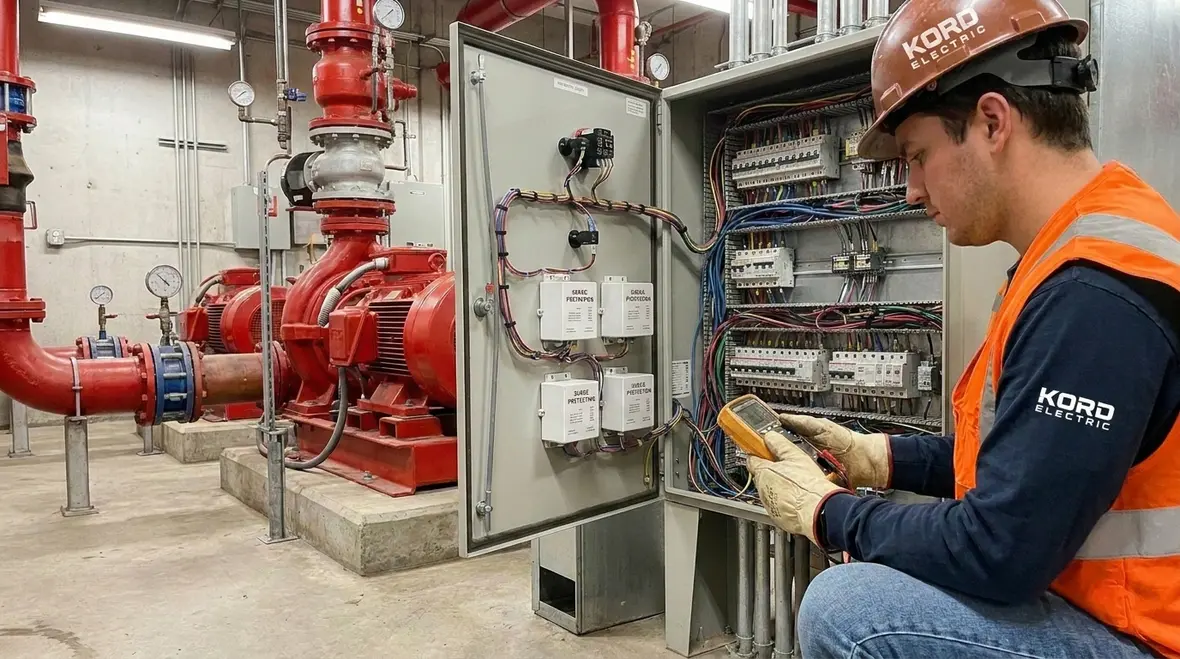
From there, we connect the dots to broader NEC guidance our teams already use. For example, when facility staff review high level resources such as Understanding NFPA 70: The National Electrical Code Explained for 2026, they see how Section 695.15 fits into the bigger picture of safe electrical design and inspection planning for commercial and industrial buildings.
What NFPA 70 Section 695.15 fire pump surge protection requires
Under NFPA 70 Section 695.15 fire pump surge protection, the NEC addresses how to provide surge protection for fire pump systems where required. The exact approach depends on the installation details, but the big idea stays consistent: protect fire pump equipment and its controls from voltage surges that can travel through the electrical supply. We support this with engineering-minded installation practices, correct device selection, and proper integration with the fire pump power pathway.
Our expert service staff often tells facility managers: “Surge protection is not one device you slap anywhere.” So, we look at how the fire pump controller receives power, how cables route to the disconnecting means, and where the surge could enter. Then we coordinate the surge protective device placement so it supports the intent of the NEC section and the safe operation of the pump system.
When the building team needs clarity, we explain it step by step. First, we identify the fire pump equipment that needs protection. Next, we evaluate the surge risk path based on the electrical design. After that, we apply a surge protection approach that supports the system’s reliability. And finally, we verify workmanship so the protection does not become a weak link.
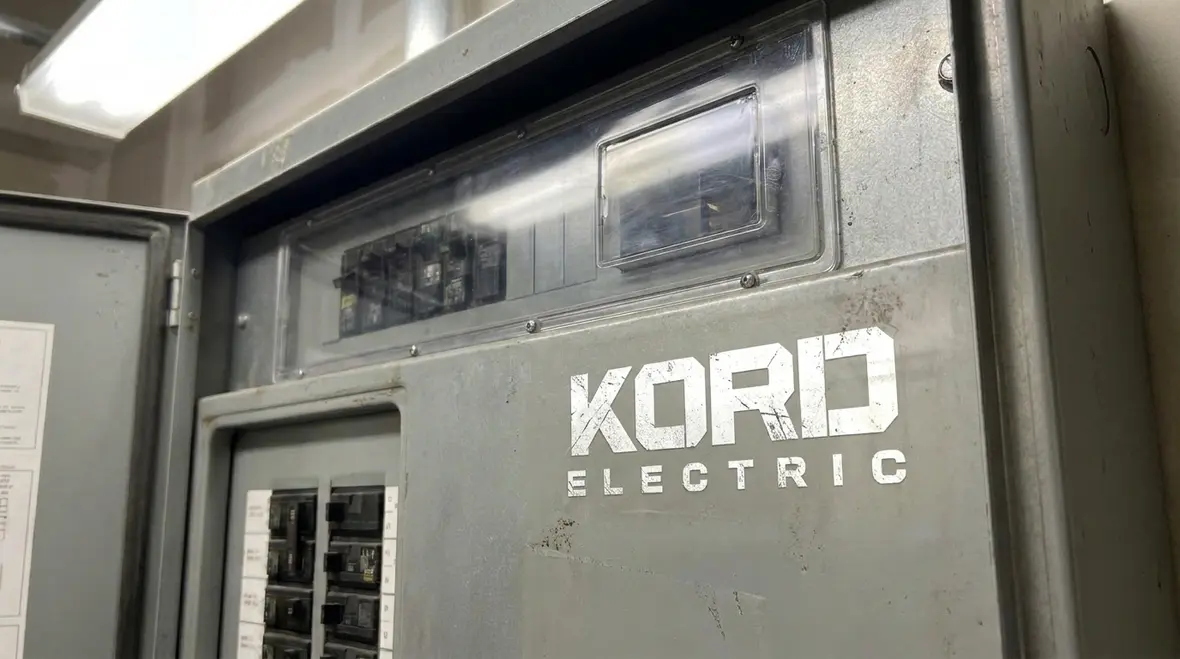
Our team also checks how the surge protection concept lines up with other NEC-driven details across the site. That includes conductor routing, box entries, and workmanship expectations described in related NEC sections, so that the surge devices you rely on do not get undermined by avoidable field shortcuts.
Surge protectors, coordination, and why placement changes everything
Surge protection devices do not all behave the same. They may include metal oxide varistors, solid-state components, or other designs that shape how they respond to transient overvoltage. Yet the real-world success depends on coordination and placement. In other words, the device you choose only tells part of the story. The wiring method, distance, grounding approach, and coordination with upstream devices finish the job.
We coordinate surge protective devices with the electrical system so they work together rather than fight each other. This matters because uncoordinated devices can reduce effectiveness or cause unnecessary stress on components. Likewise, improper installation can raise the clamping voltage at the equipment even when the device is “installed.” That is why our technicians focus on the details: correct conductor routing, solid grounding, and adherence to the NEC rules that support safety and performance.
To keep things human, think of surge protection like a seatbelt. You do not get full protection if you buckle it wrong or route it in a way that lets the buckle slip. Same idea here, only the consequences show up during a surge event instead of a crash.
Additionally, we keep an eye on the overall fire pump system configuration. If the pump uses multiple control circuits, the surge protection plan should address the pathways that can bring harmful voltage into sensitive control elements. Therefore, we treat the fire pump system as a whole, not as separate boxes with separate warranties.
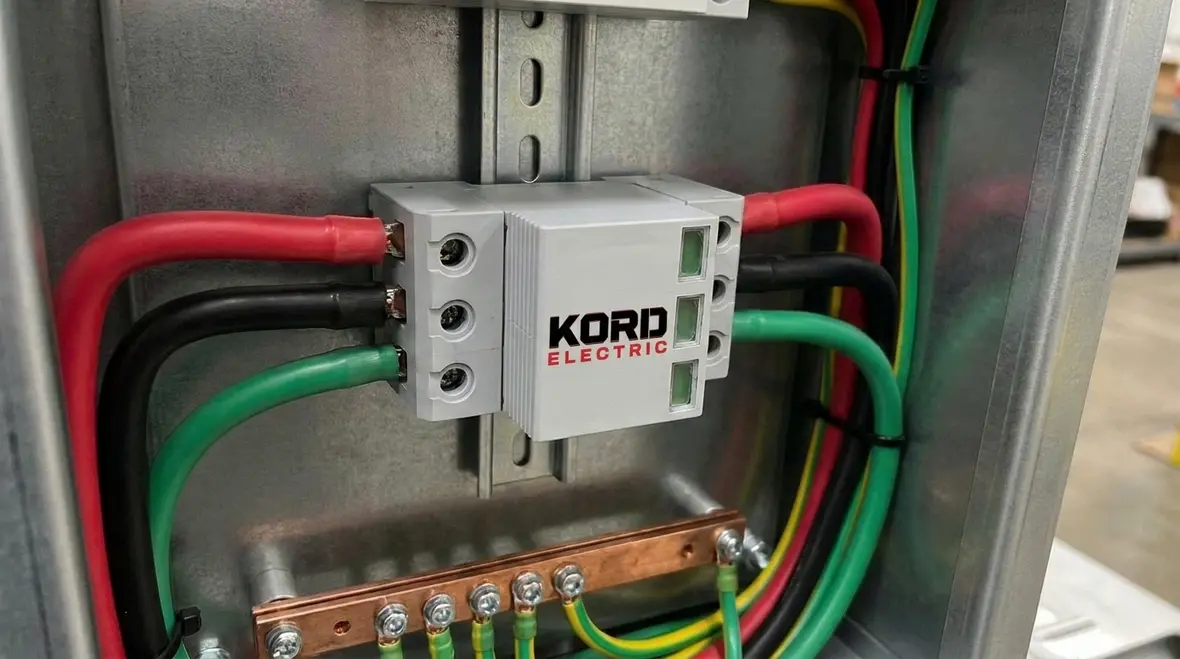
This coordination mindset also keeps us aligned with the broader way NEC requirements support life safety systems. When our electricians evaluate surge risks tied to fire pumps, they look at the same big picture they use for NEC service grounding and conductor installation: what the system is supposed to do, how faults might travel, and how protective devices should behave together instead of at odds.
How Kord Electric approaches compliance for commercial and industrial buildings
We serve commercial and industrial facilities and major property buildings, and we build our work around that responsibility. That means we handle projects where uptime matters, inspections are real, and documentation must hold up. We do not rely on guesswork or “good enough” installation practices. Instead, we plan, install, test, and document so the facility team can trust the outcome.
Our approach usually starts with understanding the existing design and what the project requires. Then our team evaluates the fire pump power and control setup, including how the building distributes power to the fire pump controller and any related equipment. After that, we select fire pump surge protection devices that fit the system needs and install them with correct grounding and wiring methods.
Throughout the process, our technicians explain decisions so people do not feel like they are reading a foreign language. We describe tradeoffs in business terms: what helps reliability, what reduces avoidable risk, and what supports the Code intent. Moreover, we help the facility team understand what to expect during commissioning or inspection.
Sometimes, the site team asks why we can’t just use a generic surge strip. We smile, because we have heard that one before. A fire pump is not a laptop, and the NEC does not treat it like one either. The system needs protection designed for the environment and for the role it plays in life safety.
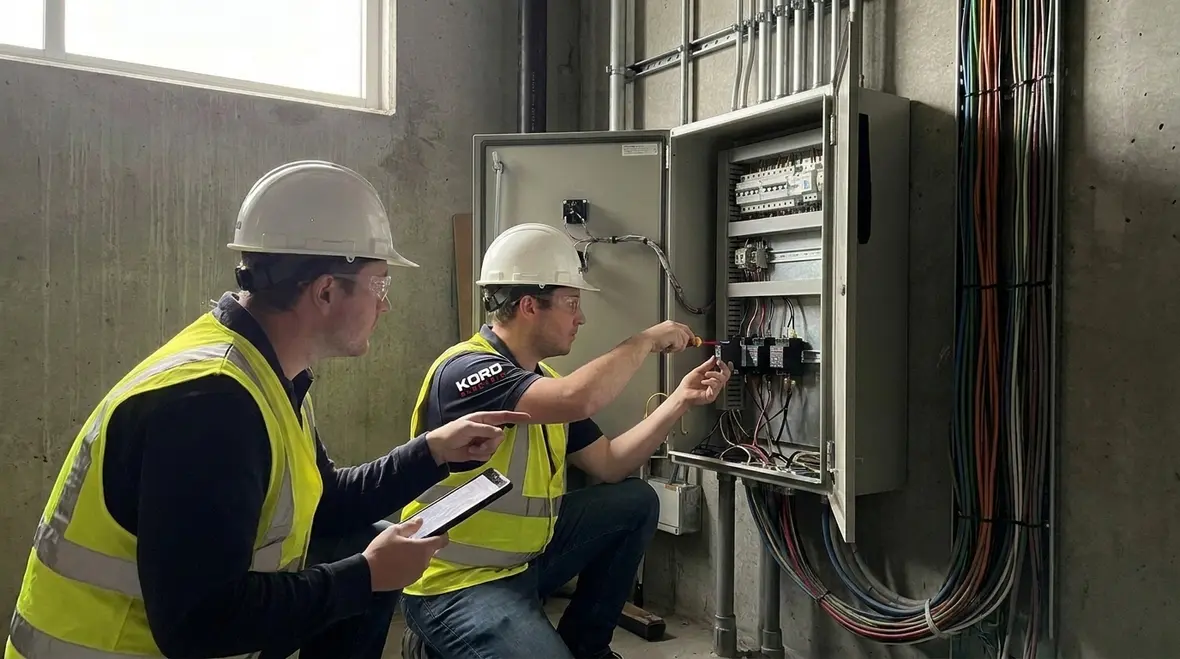
Because many of our clients operate across Los Angeles County, we also align surge protection planning with broader service strategies, maintenance windows, and emergency response procedures. That same disciplined approach appears in our other NEC-focused guides and in how we handle commercial electrical services day to day.
Coordinating electrical safety with fire life safety goals
When a building has a fire pump system, electrical safety and fire life safety goals overlap. That is because power quality affects control logic, relay operation, and the pump’s ability to start when the system demands it. Therefore, the surge protection plan must support reliable function, not just compliance on paper.
We also consider how the broader electrical system responds to surges. For instance, upstream devices, grounding, and bonding can influence surge stress. As a result, coordination becomes a life-safety matter, not an “extra” engineering task.
To show how we think in practice, we sometimes present the work like this:
Where we look
Power entry path, disconnecting means, and controller feeds
Grounding and bonding methods
Device coordination across the system
What we protect
Surges that enter through supply conductors and harm controls
Proper clamp behavior and reduced equipment stress
Consistent performance during transient events
Finally, we verify installation and operation so the protection scheme behaves as intended. That verification step matters because even a correctly selected device can underperform with a poor installation.
What to expect during an NFPA 70 Section 695.15 review
Facility teams often ask what a review looks like and whether it will disrupt operations. We plan reviews with scheduling discipline so commercial and industrial workflows stay protected. While the fire pump itself is life safety equipment, electrical changes require careful coordination and a clear plan for testing and verification.
Typically, our technicians start by reviewing the electrical one-line diagram, identifying the fire pump controller feeds, and mapping the routing that connects the supply to the equipment. Then we compare the actual installation practices against the NEC requirements and the intent behind NFPA 70 Section 695.15 fire pump surge protection. After that, we recommend any corrective actions needed to align device placement, grounding, and coordination.
Once work begins, we handle device installation with attention to workmanship: correct terminations, proper labeling, and system integration that does not create new failure points. Then we verify performance through practical checks and documentation, so the facility team has a clear record.
Meanwhile, we keep communication steady. We explain what is happening and why, so stakeholders do not feel surprised. Because in a real building, surprises are like smoke alarms that go off when you toast bread. You may laugh at first, but eventually you want answers.
How Kord Electric connects NFPA 70 guidance across your systems
Surge protection for fire pumps does not exist in a vacuum. It ties into how your service equipment is grounded, how conductors enter boxes, how loads get calculated, and how your distribution gear supports both everyday operations and emergency conditions. Our electricians lean on a library of NEC-focused practices drawn from our internal training and from code education resources, so that each project lines up with the same intent: keep people safe, keep systems reliable, and keep inspections straightforward.
When we look at your fire pump surge protection, we often pair that work with a broader conversation about 2026 NEC expectations: where new requirements may affect service equipment, how specific purpose loads get sized, and how the NEC scope language shapes what applies to your facility. That way, the review around Section 695.15 becomes part of a longer-term planning path for the electrical system rather than a one-time patch.
FAQ
Call Kord Electric for a reliable fire pump surge protection plan
If your facility runs a fire pump system, electrical surges should not be an unanswered risk. Kord Electric helps commercial and industrial buildings design and install fire pump surge protection aligned with NFPA 70 Section 695.15 so the system can perform under real-world conditions. Our technicians explain the details, coordinate the installation, and document the work so your team can move forward with confidence. Call us to review your current setup and build a surge protection plan that stands up during inspection and storms.
For facilities across the region, we also integrate surge protection work with our broader Los Angeles County electrical services for commercial properties, so that fire pump upgrades, distribution improvements, and emergency repairs follow the same NEC-driven playbook.
If your internal team wants more background while we plan the project, we can also walk them through high-level NEC resources and our other surge- and grounding-related guidance, so that Section 695.15 feels like a practical roadmap instead of a line of code text pulled out of context.
When you are ready to move from questions to action, our surge protection planning starts with a structured review of your fire pump system, continues through installation and testing, and ends with clear, usable records your staff can rely on during inspections, audits, and future upgrades.