
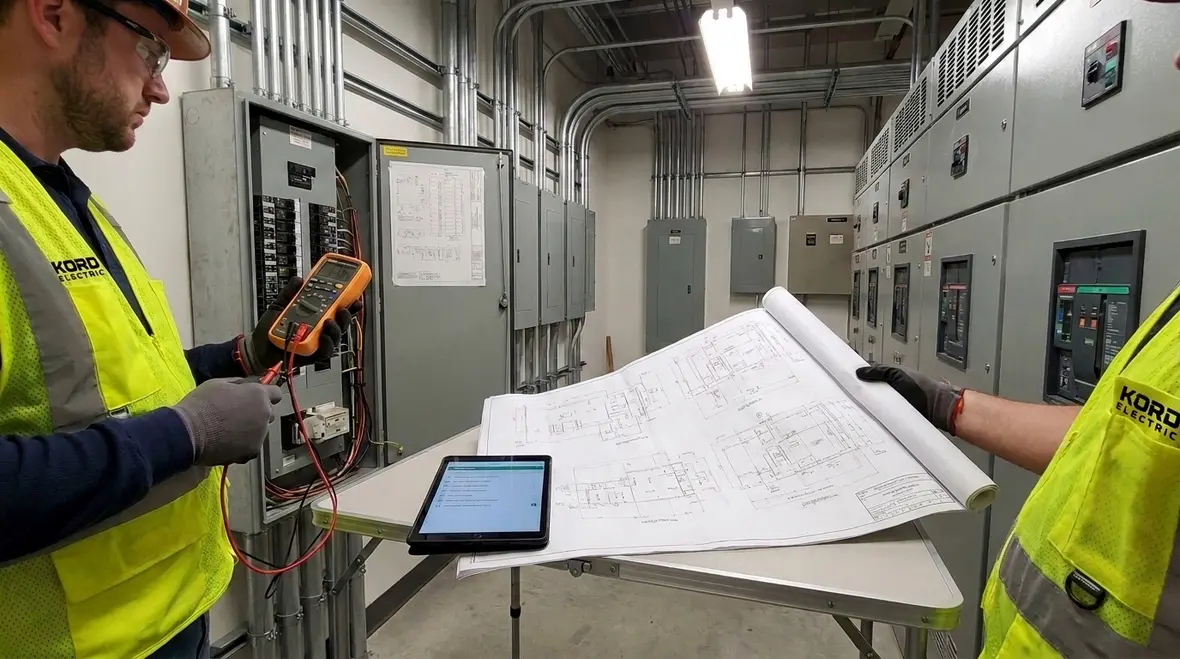
NFPA 70 Section 90.9 and NEC Units of Measurement: What Commercial Teams Must Know
At Kord Electric, we spend our days helping commercial and industrial facilities stay safe, clear, and code aligned. And yes, we do mean code aligned, not just “close enough.” In the first look at NFPA 70 Section 90.9 — NEC Units of Measurement, the basic idea is simple: the NEC speaks with specific units of measurement, and we follow them so designs, field checks, and inspections do not turn into a guessing game.
So, when we read the NEC and plan a project, we pay attention to how units are stated, how they show up in calculations, and how they impact labeling, documentation, and verification. That way, others who review the work can understand the intent without decoding mystery numbers. And while the NEC never jokes back, we sometimes do, because compliance work already feels like it takes longer than a Marvel movie without the credits.
Why Section 90.9 matters when inspectors review your paperwork
NFPA 70 sets the rules for safe electrical design and installation, and Section 90.9 directs how units of measurement should be used throughout the NEC. Therefore, it helps keep the language consistent across the entire electrical system conversation. When we build a solution for a major property building, a warehouse, a hospital wing, a data center, or a multi-tenant facility, we expect a review process that checks more than wiring. Reviewers also check what the drawings and specs claim.
In practice, if units get mixed or misapplied, we create avoidable friction. For example, a mismatch can affect how loads are documented, how voltage drop targets are stated, or how equipment performance is compared to the NEC requirements. Then the project team loses time, because now they must fix both math and messaging. Our technicians and expert service staff see this in the field: most problems do not come from “bad intent.” They come from unclear or inconsistent unit handling.
To keep that from happening, we make sure the project documentation uses the NEC’s unit conventions and the same units match across design, installation records, and commissioning notes. Next, we align the field labels with the same unit system, so the physical site and the paperwork tell the same story.

How NEC units of measurement affect engineering choices in the real world
People often treat units like a boring administrative detail. However, in commercial and industrial work, units influence engineering outcomes. For instance, when we size conductors, choose overcurrent protection, or verify voltage drop, the unit system underpins the inputs, conversion, and reporting. Even small confusion can lead to wrong assumptions, which then leads to rework.
Our approach begins with standardization. We confirm the unit basis early, before we finalize drawings, schedules, and load calculations. After that, we carry those same units into panel schedules, terminal labeling, and test reports. As a result, when our team brings a system online, the measurements we record stay comparable over time.
Additionally, we consider how unit usage impacts coordination studies. If one party uses a different unit style, they can misread thresholds for protective device curves, busbar ratings, or load profile assumptions. We avoid that by keeping documentation clean and by explaining it clearly. Our technicians do not just install. They also explain what they see and why it matters, because the fastest path to success is shared understanding.
And yes, we have heard the classic line, “It’s just units.” In response, we calmly point out that electricity does not care about shortcuts. Electricity cares about the actual values.
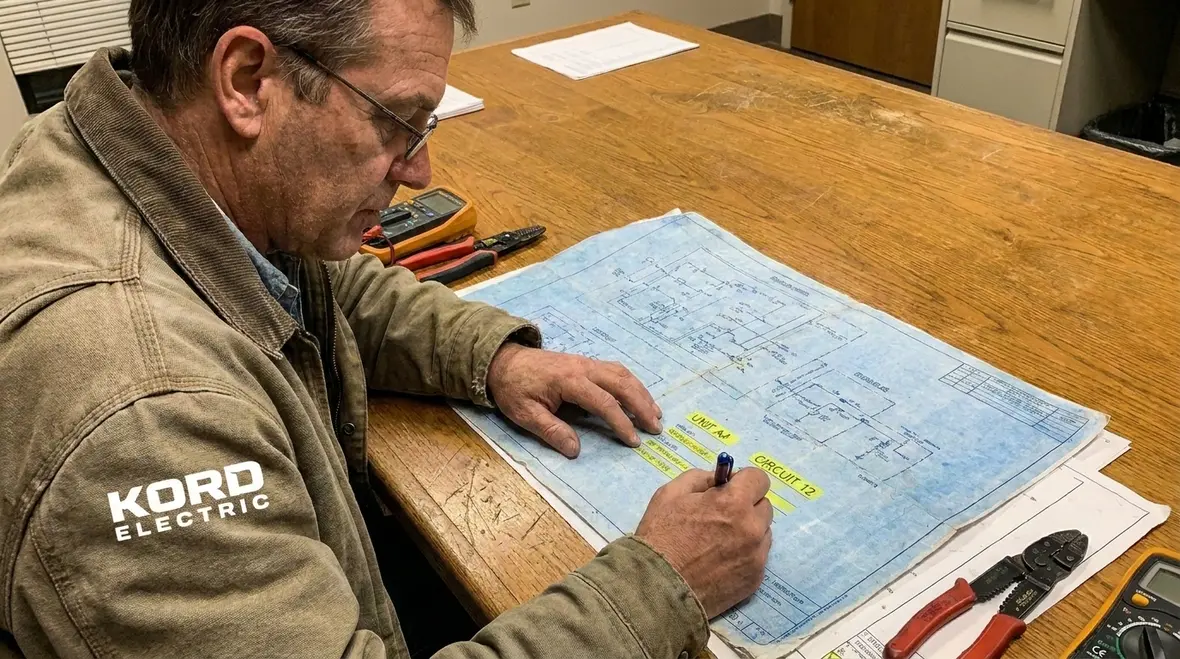
NEC units of measurement in coordination with real-world loads
Commercial and industrial facilities do not live on paper. They live on motors spinning, HVAC equipment cycling, elevators moving, and data systems humming along at all hours. NEC units of measurement quietly sit behind every ampere, volt, and kVA that flows through those systems. When we standardize the unit structure at the design stage, it becomes much easier to reconcile short-circuit studies, arc-flash calculations, and real-time readings taken years later during maintenance.
In our own work, that means aligning the NEC units of measurement with a facility’s monitoring tools. If a metering system trends current in amps and power in kW, and the design documents speak the same language, then operators can confirm that their actual operating envelope matches the original assumptions. When someone has to convert or guess, confidence slips and errors creep in.
How NEC units support lifecycle inspections and upgrades
Facilities evolve. A warehouse becomes a partial data hub. An office stack adds medical imaging suites. A manufacturing line adds automation equipment. When those changes arrive, reviewers look back at older documents and compare them with new proposals. If the NEC units of measurement were applied clearly from the start, then revisiting older calculations, updating fault duties, or resizing feeders becomes far more straightforward.
We see this when property teams approach us with expansion plans. Instead of reverse-engineering someone else’s mysterious notation, we can quickly validate the existing system capacity, check new loads, and update NEC-based calculations using the same unit framework. That cuts down on design friction and keeps the code conversations focused on substance, not translation.
Units in the field: labels, test readings, and clear documentation
Even if drawings look perfect, field execution determines whether the system performs as intended. Therefore, units must show up in ways technicians can use, verify, and record. When we work on large property buildings, we make sure that labeling and test documentation reflect the same measurement units used in the design set.
That includes equipment nameplates, circuit identification, and any required measurement notes used during commissioning and troubleshooting. For example, if a test report indicates a measured value using the wrong unit basis, it can mislead future service. Then, when maintenance teams come back months later, they may chase a “problem” that was really a reporting mismatch.
To prevent that, we train our service staff to check units during every review stage. We also build quick verification steps into our workflow, so units stay consistent from rough-in to final acceptance. In turn, this makes it easier for others on site, including building owners, facility managers, and third-party reviewers, to interpret results correctly.
We also keep communication steady. If something requires clarification, our technicians explain it in plain language, and they point to the specific code basis when needed. Calm, direct explanations keep projects moving, and nobody needs a lecture louder than the fire alarm test.
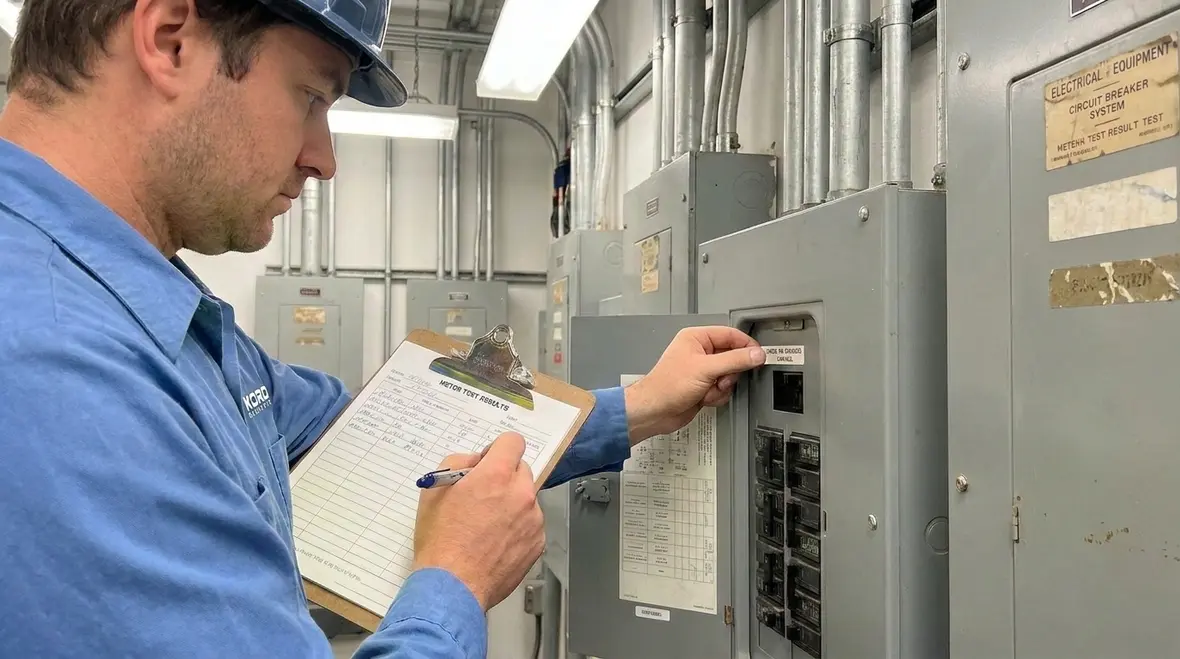
Why NEC units of measurement show up on every tag and test sheet
Whenever we build or retrofit a commercial electrical system, we treat labels and test sheets as part of the code conversation instead of an afterthought. That means verifying that amperage ratings on disconnect labels, voltage notations on panel directories, and impedance values on test reports are all expressed using NEC-consistent units.
This may sound basic, but it matters when the lights flicker at 2:00 a.m. and an emergency team pulls historical readings to diagnose the issue. If the recorded values align with NEC unit expectations and match what the gear is labeled for, the team can act with confidence instead of wondering whether a past reading was a typo, a unit slip, or an out-of-tolerance event.
Working with NFPA 70 and local expectations
NFPA 70 gives the foundation, and Section 90.9 supports the NEC by standardizing how units are used in the Code. However, the way a project lands in the real world can include additional layers, such as local adoption practices and enforcement styles. For major property buildings and commercial sites, we plan for that reality.
So, how do we handle it? First, we ensure the project uses NEC units of measurement and the measurement style the NEC expects. Next, we align our documentation to the format and clarity that reviewers typically look for. Then we keep our field work tied to those same standards, so the installed system matches what the plans promise.
For those who want deeper context, we recommend reviewing related guidance from sources like Kord Electric’s own NEC explanation for the 2026 context and Kord Fire resources that break down NFPA 70 topics in practical terms. In fact, the more our clients understand the Code structure, the less time they spend asking the same question twice. And honestly, we love questions, but we love solved questions even more.
When a project includes life safety systems, we also make sure the electrical units and documentation remain consistent with the broader fire and safety requirements that are tied to system performance. For additional background, partners and resources such as FirePumps can help teams understand how fire-related equipment planning connects to overall life safety.
Connecting NEC units of measurement to broader code strategy
Section 90.9 does not live in isolation. It supports the rest of NFPA 70 by making sure everyone speaks the same technical language. When we guide a client through a code-conscious upgrade, we often connect the dots between unit clarity and bigger goals like emergency power design, electrical safety training, and data center redundancy planning.
That is why we encourage facility leaders to treat NEC units of measurement as part of their long-term compliance strategy. When teams know how the Code expects measurements to be stated, they can read future NEC updates with more confidence and work with inspectors in a more collaborative way.
Common pitfalls we see and how our expert staff prevents them
Let’s talk about what goes wrong, because we see patterns, especially on bigger commercial and industrial projects where multiple teams touch the same design set. Then, even small unit mistakes can create ripple effects.
- Unit inconsistency across drawings: one sheet uses one style, another sheet uses a different style. We standardize early and review across disciplines.
- Mixed unit language in schedules: panel schedules and device schedules do not match test reporting. We cross-check and unify the documentation set.
- Labeling that does not match reports: the physical label says one unit basis while the acceptance form uses another. Our technicians verify labeling during closeout.
- Assumptions carried forward: teams reuse older documentation with outdated unit handling. We confirm the unit basis for the current project before calculations finalize.
- Unclear communication during commissioning: stakeholders interpret test notes differently because the unit wording lacks clarity. Our expert service staff explains test results in straightforward terms.
As we do this, we maintain project momentum. Instead of letting confusion sit like an unpaid invoice, we address it fast, with documentation that others can understand. That is how we reduce rework and keep inspections smoother.
How NEC units of measurement tie into broader service support
Because we work across design, construction, and long-term service, our teams see how NEC units of measurement either smooth the path or create friction throughout a facility’s lifecycle. Clear, consistent units support reliable electrical troubleshooting, structured preventive maintenance, and faster responses when emergency power needs to carry the load. When the numbers speak the same language across decades of upgrades, every decision becomes easier to justify and explain.
FAQ: NEC units of measurement and Section 90.9
Ready for a cleaner, code-aligned project from design through closeout?
If you manage commercial or industrial electrical work and you want fewer delays during review, Kord Electric can help. We align documentation to NFPA 70 expectations, we standardize units so designs and field records match, and we keep our technicians and expert service staff available to explain what matters. Then you get smoother commissioning and clearer closeout. Reach out to Kord Electric today and let us help your next installation stay safe, readable, and inspection ready.
For multi-site operators in Southern California who want that same level of consistency across portfolios, our broader Los Angeles County electrical services for commercial and industrial facilities provide a single, code-conscious team to support inspections, upgrades, and emergency response across multiple properties.
If you are also exploring how NFPA 70 shapes other aspects of your electrical infrastructure, you can review complementary guidance like Kord Electric’s deep dive on Understanding NFPA 70, the National Electrical Code, Explained for 2026, or related coverage on data center distribution, redundancy, and emergency power planning. Used together, those resources help your team see how NEC units of measurement fit into the larger picture of reliability and safety.


