
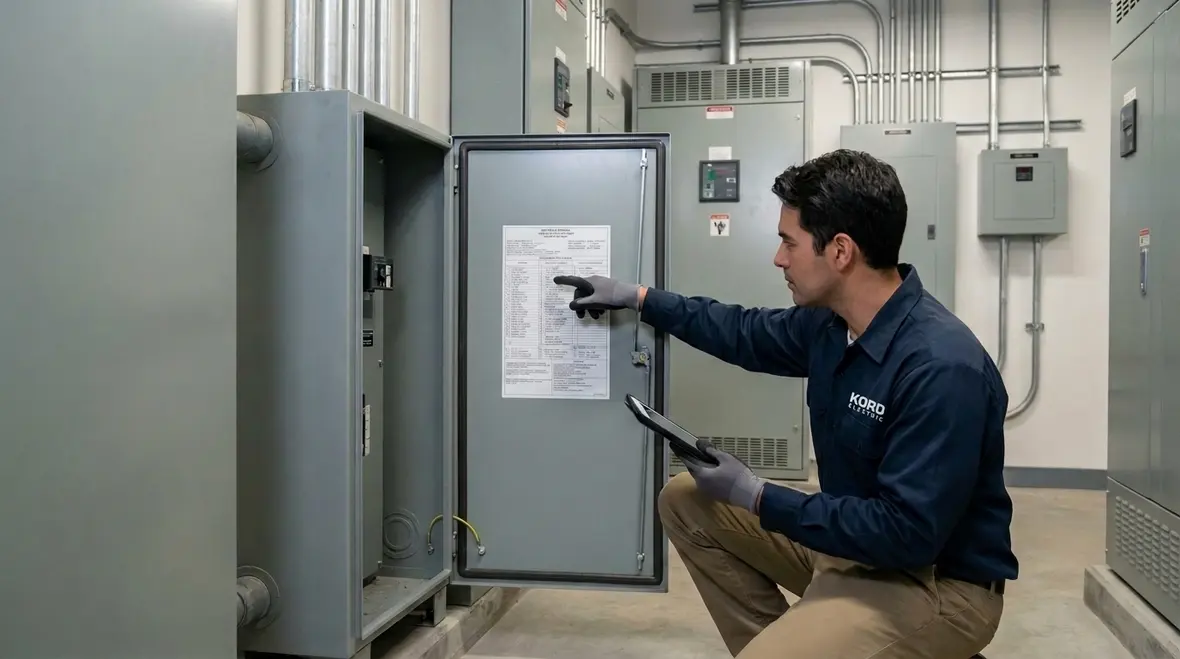
NFPA 70 Section 110.2 NEC equipment approval requirements code
NEC equipment approval requirements code and what Section 110.2 really means
At Kord Electric, we guide commercial and industrial facilities through the NEC with a clear goal: safer installations that hold up under real-world inspections. That is why we focus early on the NEC equipment approval requirements code found in NFPA 70 Section 110.2. Within the first steps of our planning conversations, we help others understand how equipment gets approved and why “good enough” does not survive the first serious problem. In other words, this section sets the tone for how electrical gear must be evaluated before it becomes part of a building’s daily operation. And yes, it matters even if the equipment looks like it came from the “nice pile” at the supply house.
As we explain to facility managers, owners, and contractors, Section 110.2 is not a trivia rule. Instead, it connects product safety to the electrical system’s performance. Moreover, it helps reduce the risk of using gear that might be installed perfectly, yet still fail when tested, labeled, or used under load. So, let us walk through it in a practical way, without the firehose of jargon. Along the way, we will also show how this section connects back to broader NEC guidance, including the kind of system-level planning we cover in resources like our NFPA 70 overview for 2026, so your team sees the bigger picture, not just a single rule in isolation.
NFPA 70 Section 110.2 Equipment Approval basics for facility teams
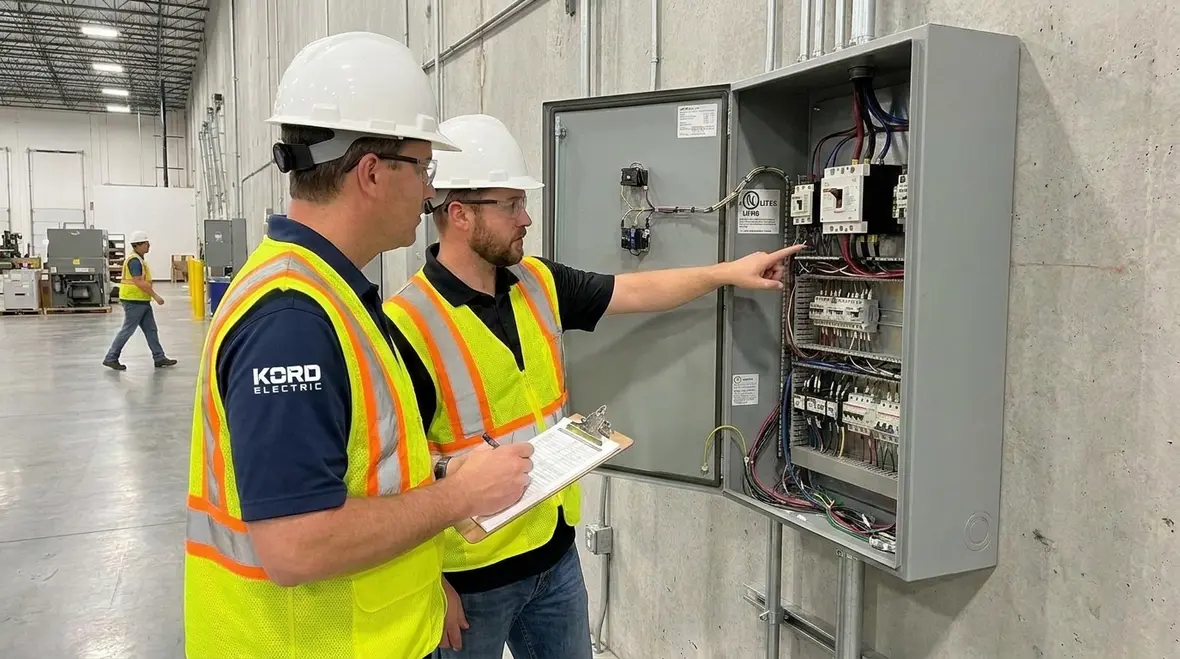
NFPA 70 Section 110.2 starts with a simple idea: electrical equipment must be acceptable for the intended use. Then it clarifies what “acceptable” means through the approval process. In practice, equipment is generally considered acceptable when it is listed or labeled by an organization recognized for product evaluation. Therefore, teams can reduce guesswork and align with how authorities typically verify compliance.
However, there is more than one pathway. For example, some equipment may be approved in another way when it is not listed in the exact form required, as long as the approval method matches the intent of the NEC. Next, the facility team needs to confirm that the equipment’s listing and labeling support its application: location, conditions, voltage, temperature range, and whether it connects to other system parts.
Our expert service staff often says it plainly during walkthroughs. “If you cannot point to the label and match it to the project needs, you are already behind.” And honestly, that is how surprises start, like finding a pop quiz after someone said, “We covered this last week.” The more complex the building, the more important that approval evidence becomes, which is why we often pair Section 110.2 discussions with bigger design conversations about distribution gear, life safety loads, and how the rest of NFPA 70 shapes the system.
How we interpret “acceptable” in real commercial and industrial projects
In commercial and industrial buildings, “acceptable” cannot be treated as a feeling. It has to be treated as evidence. Consequently, Kord Electric uses a process that works with how job sites actually function. First, we review the scope and identify what equipment will serve critical loads or life safety systems. Then, we match each piece of gear to its intended use and environment, checking that its approvals line up with how it will actually be used, not just how it appears in a catalog page.
Many failures in the field do not come from dramatic mistakes. Instead, they come from small misalignments: a component rated for the wrong conditions, a marking that does not match the installation setting, or a system configuration that contradicts what the equipment is evaluated to handle. For that reason, we ask for documentation early, so our technicians can verify labeling and use requirements before installation gets underway and before conduits are packed or panels are closed up.
We also explain the difference between installing “similar” equipment and installing equipment that the NEC equipment approval requirements code would consider acceptable. Similar is how people get hurt. Acceptable is how projects pass. That difference shows up during inspections, during fault conditions, and during emergencies, not just when everyone is standing in a clean, well-lit room with a fresh set of drawings and plenty of time.
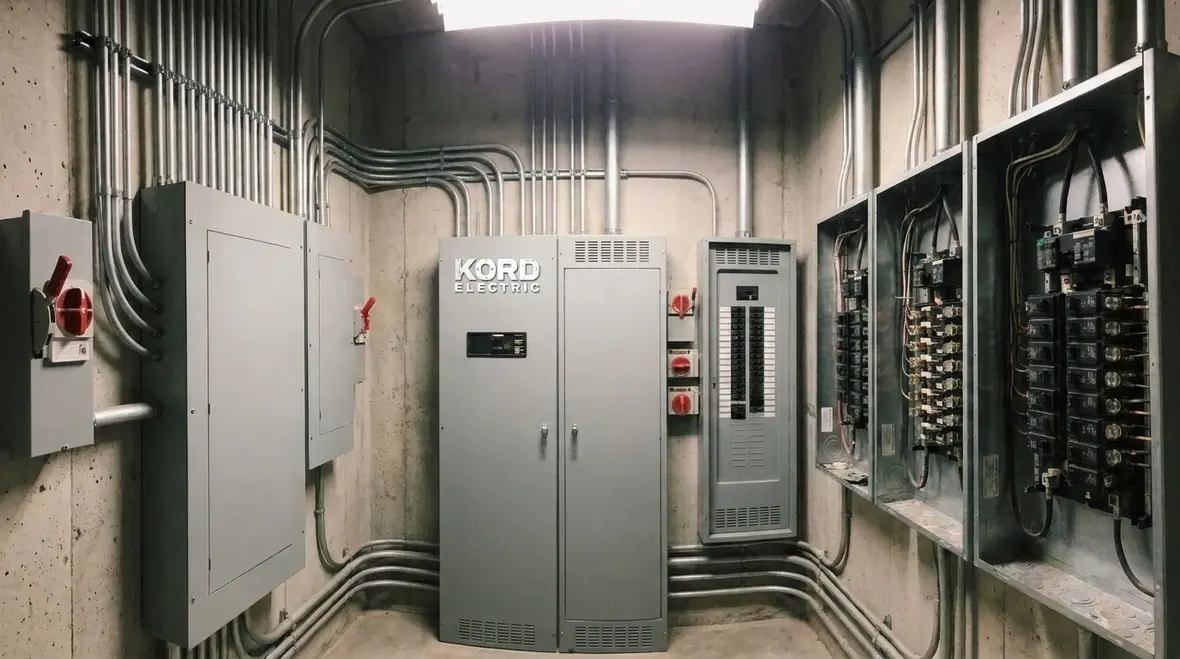
When we help major property buildings roll out upgrades or expansions, we treat “acceptable equipment” like a design constraint, not a detail to be checked at the end. That mindset keeps projects aligned with code cycles, with AHJ expectations, and with the reality that equipment must protect people and property under load, not just look correct on a submittal sheet.
Labeling, listing, and the inspection trail you will want later
When inspectors look at equipment, they often follow a quiet checklist: Is the product identified correctly, does it have the right label, and does the installation match what the manufacturer and listing evaluation allow? Because of that, labeling becomes more than a sticker. It becomes part of the inspection trail that shows the gear meets safety intent and that someone did the work of tying manufacturer data to real-world installation choices.
Our technicians typically treat labels like a map. If the map is missing, blurry, or mismatched, we pause the workflow and we confirm next steps. Then we document what we find so the project team can address issues before they turn into delays. That documentation may include photos, marked-up cut sheets, and clear notes about how the equipment was evaluated against Section 110.2 expectations.
Also, remember that equipment does not exist in isolation. It connects into panels, raceways, conductors, enclosures, and control systems. Therefore, approval decisions in Section 110.2 influence how the rest of the electrical design gets verified. Put simply, if one key item fails the approval logic, the system story falls apart. And when your electrical system is supposed to support fire protection, data, process loads, or emergency egress, that story really matters.
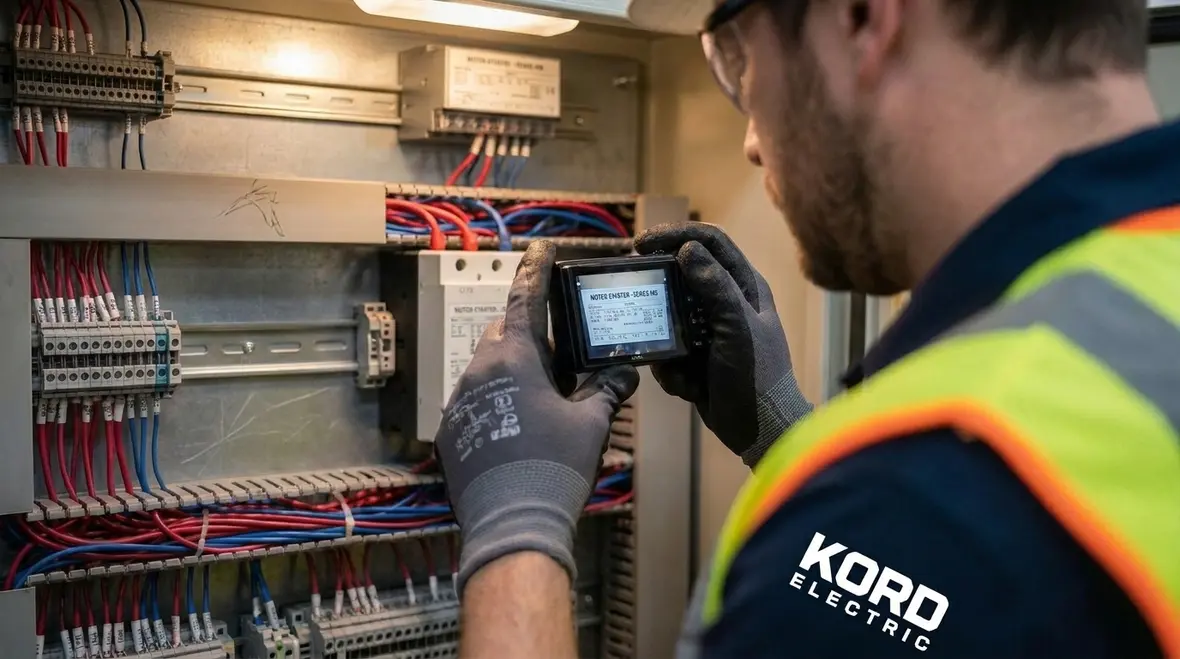
For long-term operations, that inspection trail helps future teams as well. When someone opens a panel ten years later and sees correctly labeled gear with clear documentation in the records, they can make better decisions during maintenance, upgrades, and troubleshooting. That is the kind of quiet win that Section 110.2 supports when it is treated seriously from day one.
When equipment is not listed exactly and teams still need compliance
Not every job gets a perfect match from a catalog. Sometimes a facility needs a specialized solution due to space limits, legacy system interfaces, or unique operational demands. In those moments, the NEC equipment approval requirements code supports the idea that equipment can be acceptable through an approval process when it is not covered in the typical listing way.
However, this is not a free pass. Approval still needs a path that fits the NEC’s intent and the authority’s expectations. Therefore, the team should coordinate early with the relevant authority having jurisdiction, provide documentation, and confirm how the equipment will be evaluated for the specific installation. That might include field evaluations, engineering analysis, or documented performance criteria that still line up with Section 110.2.
Kord Electric often helps teams navigate that “almost fit” situation. Our expert service staff will explain the options, but we always bring it back to evidence and matching the intended use. And yes, we sometimes joke that “handwaving” is not a test method. The building does not care about our feelings, it cares about its ratings. Practically, that means we help facilities weigh alternative products, work with manufacturers on clarifications, and keep the AHJ in the loop so approval decisions are clear and defensible.

When those “almost fit” choices are handled with discipline, facilities can still move forward with specialized gear without turning the project into a compliance gamble. Section 110.2 becomes a framework for smart exceptions, not an obstacle to practical solutions.
Coordination across the electrical system: devices, wiring methods, and panels
Section 110.2 does not ask teams to work in silos. Instead, it pushes coordination. Equipment approval relates to the surrounding system components, including disconnects, overcurrent protection, enclosures, and wiring methods. As a result, teams should plan how equipment selection affects the rest of the electrical design, from circuit routing and raceway fill to fault current levels and protective device coordination.
For instance, a motor control setup might include devices that must work together under specific ratings. Similarly, a power distribution assembly relies on how component approvals carry through the assembled configuration. Therefore, our technicians verify how equipment interacts, not just how it performs by itself. That coordination thinking lines up with how the broader NEC treats topics like wiring methods, overcurrent protection, and grounding and bonding in commercial buildings.
When we help major property buildings, we also consider the operational timeline. A building may need minimal downtime, and replacement work must be scheduled with safety and compliance in mind. Thus, we plan around inspections, documentation, and commissioning needs so approved equipment arrives at the right moment, installed correctly, and ready to be verified. That coordination often pairs Section 110.2 reviews with panel upgrade planning, maintenance schedules, and even energy or lighting projects, so everything fits into a single, coherent electrical story instead of a series of disconnected tasks.
Quick practical checklist our technicians use before installation
Below is a simple set of steps we apply on commercial and industrial facilities. It keeps the project moving and reduces the chance that someone finds a labeling mismatch on the day of inspection. Many of these checkpoints also support broader NFPA 70 compliance, which is why we regularly connect them back to system-level reviews and training for facility staff.
- Confirm intended use: indoor, outdoor, wet locations, ambient temperature, and operating conditions.
- Match equipment to listing and labeling: model, ratings, and markings must align.
- Verify system compatibility: connections, enclosures, and control interfaces.
- Review project documents: one line diagram, specs, and product cut sheets.
- Check approval path for special gear: if not listed, ensure the approval process is documented.
- Coordinate with AHJ early: avoid last-minute interpretation surprises.
- Document findings: photos of labels, verification notes, and checklist results.
- Plan inspection readiness: equipment stays accessible and correctly installed.
Facility leaders who build these steps into their standard workflows see fewer last-minute changes, smoother inspections, and a clearer connection between the NEC equipment approval requirements code and how daily operations actually run. It also helps new staff understand why certain gear is selected and why “just swap it with whatever is on the shelf” is rarely a safe option.
FAQ on NFPA 70 Section 110.2 and equipment approval
Why Kord Electric helps teams get it right the first time
We serve commercial and industrial facilities, and we treat NEC compliance like part of your operating system, not a last-minute scramble. Our expert service staff explains what Section 110.2 means in plain terms, and we back it with practical checks that connect equipment approval to the real job: labeling, ratings, system compatibility, and inspection readiness.
Because our crews work across complex properties, we also see how Section 110.2 decisions ripple into panel upgrades, system expansions, and future projects. That is why we align equipment selection with broader planning guides and code resources, so your NEC equipment approval requirements code choices today still make sense when you add new loads, change tenants, or modernize building systems tomorrow.
For facility teams in our region, that support extends into larger service programs as well. If your site needs help beyond a single project, you can explore how our Los Angeles County electrical services for commercial and industrial buildings bring code-conscious planning, installation, and maintenance together under one coordinated approach.
When the project team wants fewer surprises, we deliver structure: clear equipment evaluations, documented approval paths, and field-tested installation practices that line up with NFPA 70. So, if your next electrical scope needs a confident compliance plan, contact Kord Electric and let us help you move forward with approved equipment and calm minds.


