
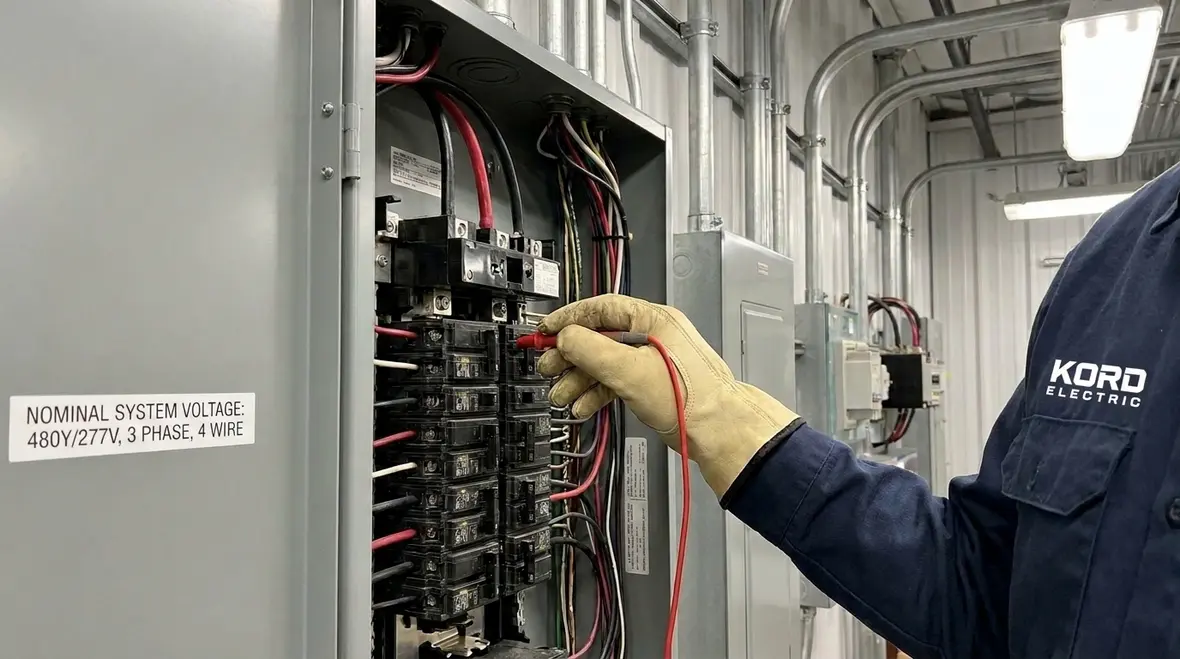
NFPA 70 Section 110.4 NEC Nominal System Voltages Rules
NFPA 70 Section 110.4: NEC Nominal System Voltages Rules, Explained for Real Jobs
In commercial and industrial facilities, the way we interpret NEC nominal system voltages rules matters from day one, because NFPA 70 Section 110.4 sets the baseline expectations for system voltage labeling. In the first 100 to 150 words, here is the core idea we follow on real projects: equipment and ratings must match the nominal system voltage used in wiring and design, and we treat those values as the recognized reference for safe installation. And yes, this is not the time to “eyeball it” like you are choosing a movie snack. In the field, our technicians and expert service staff explain these rules slowly, on purpose, because wrong assumptions about voltage can turn a clean electrical plan into a costly downtime event.
Why Section 110.4 Exists and How It Impacts Industrial Electrical Design
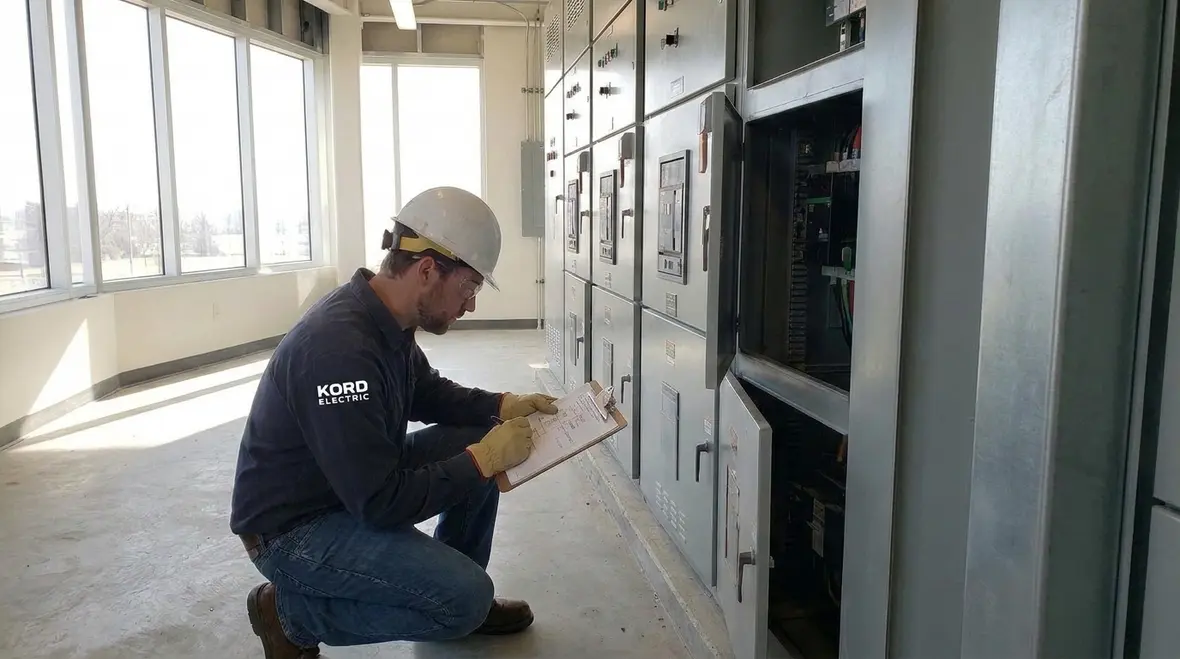
NFPA 70 Section 110.4 is designed to remove ambiguity. When an industrial engineer or an electrical contractor uses a voltage name, the system needs a consistent standard so electricians, inspectors, and maintenance teams understand what they are working on. Therefore, we do not just treat nominal voltage as a trivia fact. Instead, we treat it as the common language for power systems, conductors, overcurrent protection, disconnects, and equipment performance.
As Kord Electric, we see the downstream effects quickly. For example, if the label voltage expectations do not align with the design intent, then protective device settings can drift. Then troubleshooting gets harder. And finally, the facility staff spends evenings chasing ghosts, which is fun only if you are watching a classic TV rerun, not if you are running a plant. When those ghosts show up during renovations or tenant improvements, we often pair Section 110.4 voltage clarity with broader planning concepts covered in our code-focused resources like Understanding NFPA 70: The National Electrical Code Explained for 2026 so stakeholders see how voltage naming fits into the bigger NEC picture.
NEC Nominal System Voltages Rules: What “Nominal” Really Means
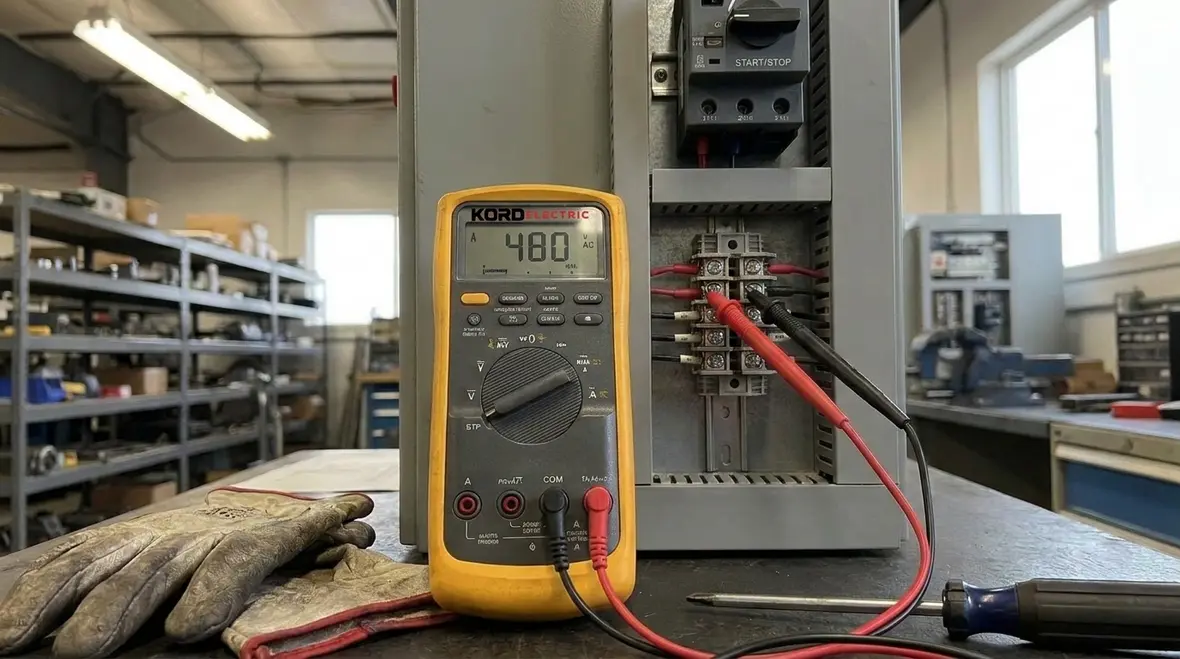
“Nominal” can sound like “good enough,” but that is not what it means. In practice, nominal system voltages are the standardized reference values used to describe electrical systems. Meanwhile, actual voltage can vary because of loads, source characteristics, and utility conditions. So, when our team talks about NEC nominal system voltages rules, we guide clients to understand the separation between the stated rating and the real world measurement.
In other words, we use nominal voltage for planning and equipment selection. Then we verify and document actual conditions during commissioning and routine electrical testing. Additionally, our technicians use that approach when they explain voltage relationships to building operations staff, because operators should not have to guess what a label means. When those operators also track grounding, bonding, and fault performance, we often connect the dots to topics like grounding and bonding for commercial electrical safety so they see how voltage references support safe fault clearing and stable system behavior.
- Nominal voltage supports proper equipment ratings
- Actual voltage can be higher or lower based on operating conditions
- Equipment tolerances and protective device behavior depend on correct design assumptions
Section 110.4 Meets the Field: Labeling, Identification, and Consistency
Now we move from theory to what you can see. Section 110.4 connects nominal system values to the broader job of identification. Equipment labels, feeder and branch circuit markings, panel schedules, and single line diagrams must stay consistent. As a result, the same “voltage story” runs through design drawings, installation, and future maintenance.
When our expert service staff visits a commercial or industrial site, they often discover that labels drift over time. Someone swaps a component, updates a disconnect, or replaces a transformer, and the field markings lag behind. That is when a facility team feels the pain: a technician opens a cabinet and sees a mismatch between what the label claims and what the system actually behaves like. Therefore, we recommend a disciplined process for labeling and verification, especially after additions, renovations, or major equipment replacement.
Also, we keep the conversation practical. We do not just say, “Match the labels.” We explain how correct identification reduces arc flash confusion, supports accurate torque and connection checks, and helps lockout tagout procedures stay clean and predictable. On larger renovation programs, those voltage labels pair with broader consulting work similar to what we describe in our discussions of electrical code upgrade consulting for renovations, where panel schedules, one lines, and field markings all have to tell the same story before the inspector signs off.
Common Commercial and Industrial Voltage Scenarios We Explain for Clients
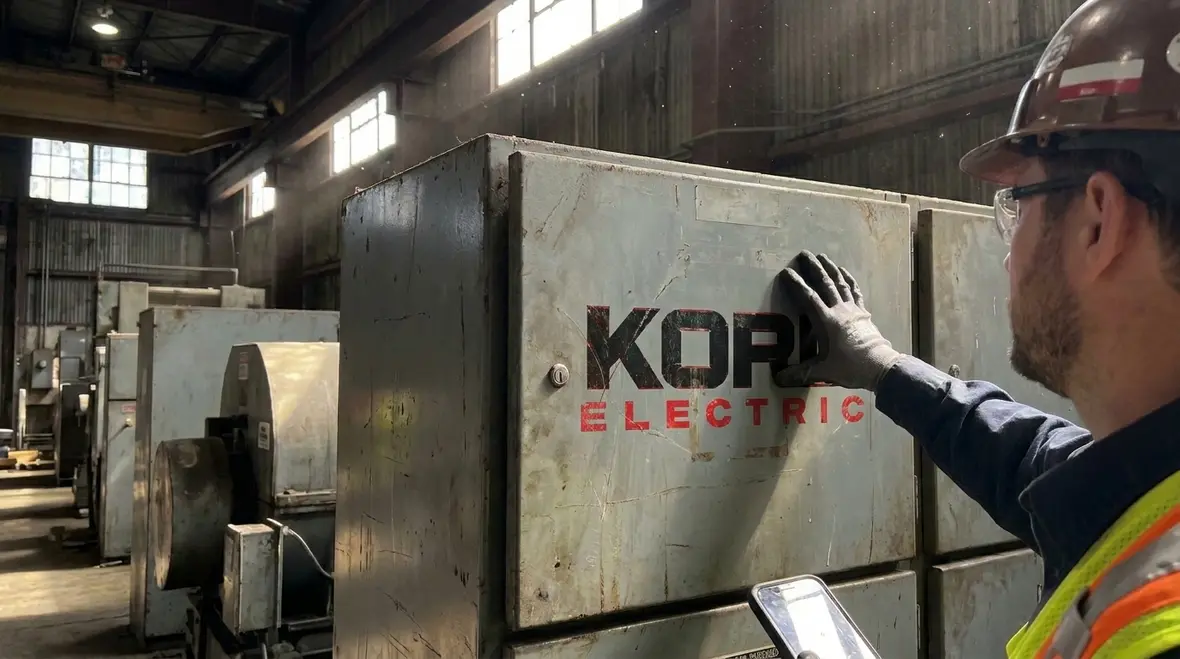
Commercial and industrial buildings rarely stay static. Even major property buildings grow new loads, add refrigeration banks, expand data halls, or extend production lines. Consequently, voltage assumptions become part of the risk picture. Our technicians and expert service staff walk clients through the typical scenarios where Section 110.4 expectations show up in daily work.
- Multiple voltage services: Facilities often run 480 volt, 208 volt, and other system voltages on different pathways. We explain how nominal system values guide which equipment ratings apply to each system.
- Transformer and distribution updates: When utilities or internal distribution change, nominal labels must remain aligned with design intent so protective devices coordinate correctly.
- Panelboard and switchgear labeling: We help property managers keep schedules readable for maintenance teams, not just for the first commissioning report.
- Renovations and tenant improvements: In major property buildings, we support the main facility electrical standards so new work does not conflict with existing system voltage references.
And yes, sometimes people treat voltage like sports stats. They think “close enough” will work, until the scoreboard says otherwise. Electrical systems do not care about vibes. They care about ratings, coordination, and consistent identification. When those systems also feed fire life safety loads, we align Section 110.4 practices with concepts found in our fire and electrical safety partnerships, including resources on NFPA 70 and the National Electrical Code from our Kord Fire team, so all critical systems share the same voltage assumptions.
How Misunderstanding Nominal Voltage Creates Real Costs and Delays
Misreading nominal system voltage rules does not always lead to immediate failure. Instead, it causes slow damage through mismatched equipment expectations, uncertain troubleshooting, and maintenance rework. Over time, the facility pays in labor hours and operational downtime.
Here are the failure paths we see most often, and our teams explain them in plain terms so stakeholders can make decisions faster:
- Incorrect equipment selection: If the equipment rating references the wrong nominal system voltage, then performance can degrade or protections may not behave as intended.
- Protective device confusion: Settings, trip curves, and coordination studies rely on the system being described correctly.
- Maintenance delays: Technicians lose time verifying voltage and reconciling labels with drawings.
- Inspection friction: Inspectors look for consistency and clarity. When documentation and labeling do not match, reviews take longer.
Therefore, we advise a simple habit: treat voltage naming and labeling like you treat fire safety signage. It must stay accurate because people rely on it under pressure, especially in commercial and industrial environments where downtime costs climb fast. If you want more context on how NFPA 70 connects with broader compliance thinking, our fire-focused resources at kordfire.com and kordfire.com.au also emphasize practical safety alignment across electrical and fire protection systems.
Best Practices Kord Electric Uses on Major Projects
Our process stays consistent across commercial and industrial sites, and we tailor details for each major property building. First, we help teams confirm the intended nominal system voltage references from the design package. Then we verify labeling and documentation. Finally, we support commissioning and maintenance planning so future work stays consistent.
To keep the job calm, our technicians and expert service staff use a step by step approach that avoids last minute surprises. And if you are thinking, “We already did commissioning,” we still check for drift after major changes, because facilities change even when nobody schedules it.
- Design alignment check: We review single line diagrams, panel schedules, and equipment specs for nominal voltage consistency.
- Field identification verification: We confirm labels match the actual system descriptions used in documentation.
- Commissioning support: We help connect theory to measured conditions, so staff understand voltage relationships.
- Maintenance readiness: We support procedures and references for ongoing troubleshooting and upgrades.
Where fire safety intersects electrical work, organizations often reference firepumps.org when discussing pump controls and emergency system considerations. While that resource focuses on fire pump topics, it reflects a broader mindset: reliable systems need clear standards and correct installation assumptions. Kord Electric applies the same discipline to voltage references in electrical design and documentation, building on foundations we describe in resources like building electrical system design planning power for commercial facilities so power distribution, fire pumps, and life safety loads all share consistent assumptions.
FAQ: NFPA 70 Section 110.4 and Nominal System Voltage
Final Word from Kord Electric: Build Voltage Clarity Before It Hurts
Kord Electric helps commercial and industrial facilities keep voltage references clear, consistent, and inspection ready. Our technicians and expert service staff explain Section 110.4 in plain terms, then we support the work with verification, labeling checks, and commissioning guidance that reduces downtime risk. If your building has major equipment changes, ongoing expansions, or confusing panel schedules, we should review it together. For organizations across Southern California, our dedicated Los Angeles County electrical services give you a field proven team that understands NEC compliance, nominal system voltages, and the realities of keeping operations running while work gets done.
When you combine clear NEC nominal system voltages rules with disciplined design, labeling, and maintenance, electrical rooms become calmer places. Panels make sense at a glance, technicians do not have to guess, and inspectors can follow the story from the one line to the field. Call Kord Electric for expert electrical service and practical compliance support that keeps operations steady and calm, from the first load calculation to the last torque check.


