NFPA 70B Electrical Equipment Maintenance Guide
NFPA 70B Electrical Equipment Maintenance Requirements Explained
In the first place, our team at Kord Electric helps commercial and industrial facilities keep electrical systems dependable, and that is where NFPA 70B enters the conversation. Within the first 100 to 150 words, let us say it plainly: NFPA 70B is the maintenance approach that helps building owners manage risks for electrical equipment, based on practical inspections, testing, and smart decisions. And yes, we know maintenance can sound like a chore you schedule just to avoid bigger pain later. Still, the truth is simple. When others ignore maintenance, the equipment does not “take a break.” It just takes notes, then fails at the worst possible moment. So, we explain the requirements, how to apply them, and what our technicians look for in the real world.
What NFPA 70B covers for facility electrical maintenance
In many commercial and industrial properties, electrical equipment works like the busiest employee on a shift. It shows up every day, it handles critical loads, and it rarely complains. However, NFPA 70B focuses on what happens behind the scenes. It supports maintenance practices for electrical equipment and defines expectations for care that reduces failure risk and life cycle costs. Moreover, it supports a plan you can explain to your team, your stakeholders, and anyone who asks why you spent money before something broke.
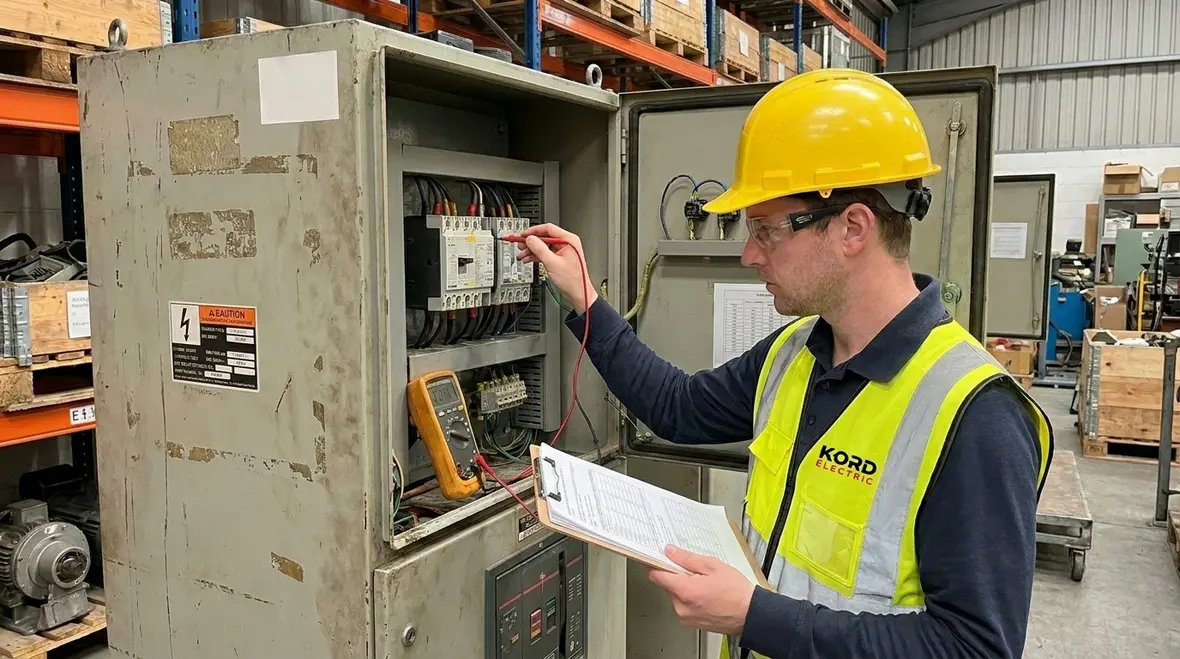
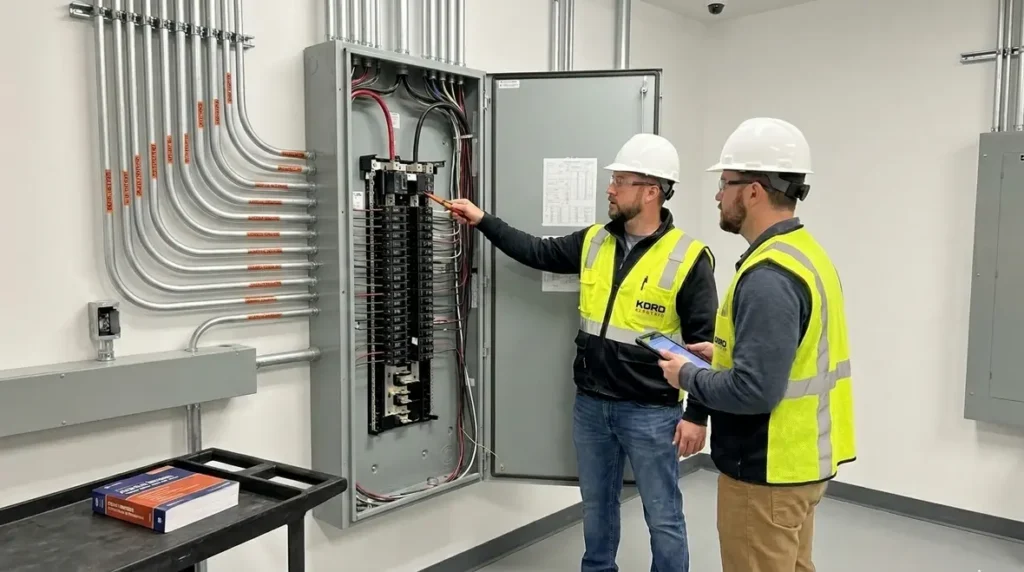
We use third party perspective in our work, but our technicians bring the lived experience. As they review equipment, they connect the “paper requirements” to what they find in cabinets, switchgear rooms, and distribution areas. From there, they translate it into clear actions for the property owner, not confusing jargon that sounds like it was written by a transformer that never slept.
In short, the maintenance program revolves around inspection, testing, and corrective action, with a focus on documenting what you do and why you do it. That last part matters more than people think. Without records, a good plan becomes a guessing game.
If you want a deeper dive on how the broader fire protection side of your risk picture aligns with electrical maintenance, our partners at Kord Fire outline the NFPA 70B electrical equipment maintenance overview, including how it fits alongside NFPA 70 and NFPA 70E in a complete safety strategy.
Electrical maintenance program elements we help you build
We build programs for commercial and industrial facilities that align with the maintenance overview and inspection services others expect from a serious contractor. And while every building differs, we follow a consistent structure that makes audits and internal reviews easier.
1) Define equipment scope and priorities
We help others identify which equipment matters most. That includes switchboards, switchgear, transformers, motor control centers, panels, feeders, and protective devices. Then we prioritize based on critical loads, duty cycle, and the consequences of failure.
2) Set inspection and testing tasks
Inspections often catch the early signs of trouble, like loose connections, overheating, contamination, or abnormal wear. Testing helps confirm condition with measurements, not just guesses. Therefore, we pair visual checks with electrical testing where it fits the equipment type.
3) Plan intervals and response actions
Some tasks follow set schedules. Others follow condition based triggers, like prior findings or operating conditions. Additionally, we define what happens when results look wrong. If an inspection finds heat damage, we do not “monitor it until next season.” We investigate and correct.
4) Maintain documentation
We keep maintenance records organized so your team can answer questions fast. For property owners, this turns compliance from a stressful surprise into a routine confidence.

Connecting NFPA 70B to panel and distribution maintenance
Because NFPA 70B focuses on practical, risk based maintenance, it pairs naturally with structured services for panelboards, switchboards, and distribution equipment. That is why we align our work with the detailed electrical maintenance inspection services we provide for electrical panels and distribution systems. In practice, this means your maintenance plan does not live in theory. It connects directly to specific inspection steps, torque checks, cleaning, and testing activities for the equipment that keeps your facility running.
How inspections, thermals, and testing work in real life
Now let us get practical, because in the field is where the requirements earn their keep. Our technicians perform inspections that look for physical and operational clues. Meanwhile, we add measurement and testing to confirm what the senses cannot fully prove.
Visual inspections
Technicians check for corrosion, dust and moisture intrusion, loose hardware, discoloration, and signs of arcing. They also verify labeling and accessibility. If a door is blocked by stored materials, then the maintenance plan fails before it starts.
Infrared thermography
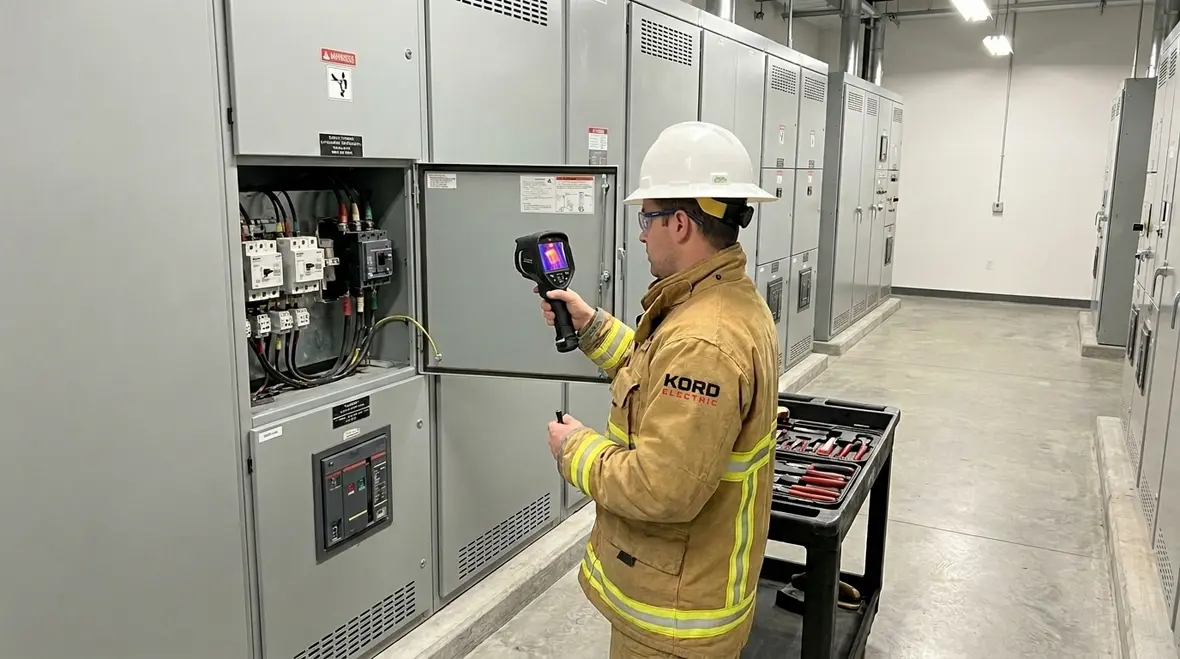
Thermal imaging helps detect hotspots that may not show up right away in normal observation. However, we remind others that thermals require the right method and good judgment. Otherwise, you end up diagnosing “the temperature of the room,” not the condition of the equipment. Still, when used correctly, it can highlight issues early.
Electrical testing and verification
We use testing methods suited to the equipment and risk profile. That can include checks tied to insulation condition, protective device operation, and continuity where it applies. Importantly, we do not treat testing as a checklist ritual. We connect the results to maintenance decisions, and we document what changed and what we corrected.
Pop culture moment, because we are humans: if inspection is “spotting the villain,” testing is “catching them on camera with evidence.” Both matter. One without the other is just a story.
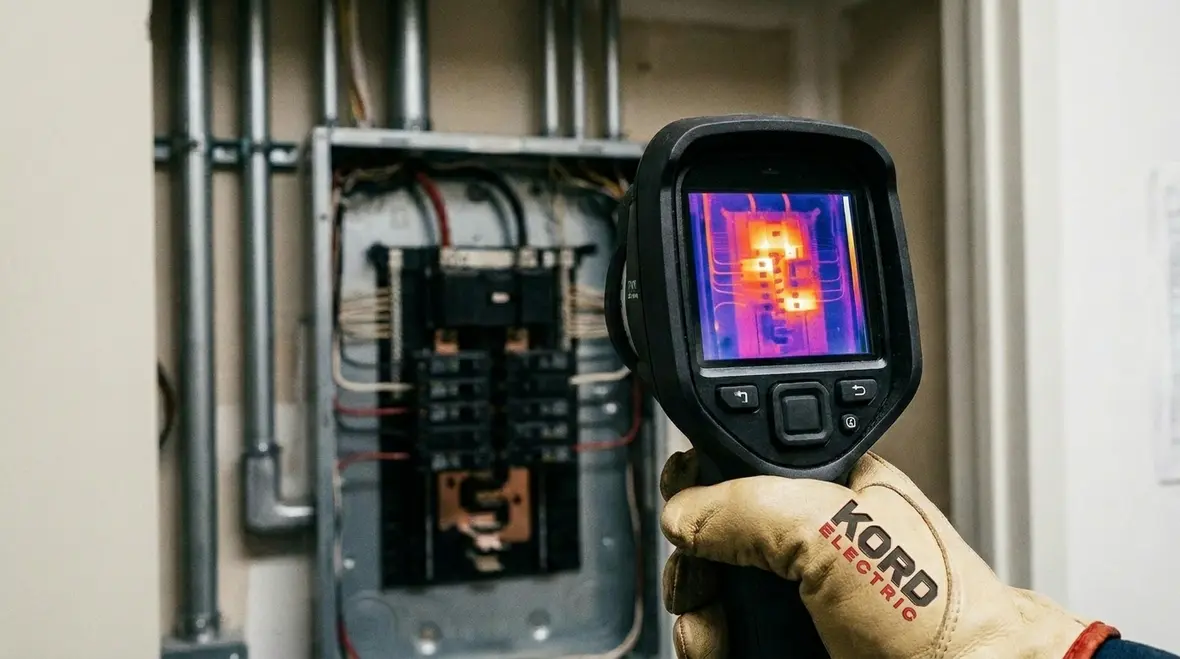
Maintenance tasks for common commercial and industrial electrical systems
Commercial and industrial facilities typically rely on equipment that sees constant load, harsh environments, or both. Therefore, maintenance must match the real operating picture. Below, we explain the kinds of tasks we plan with our clients and why they matter.
Electrical panels and distribution boards
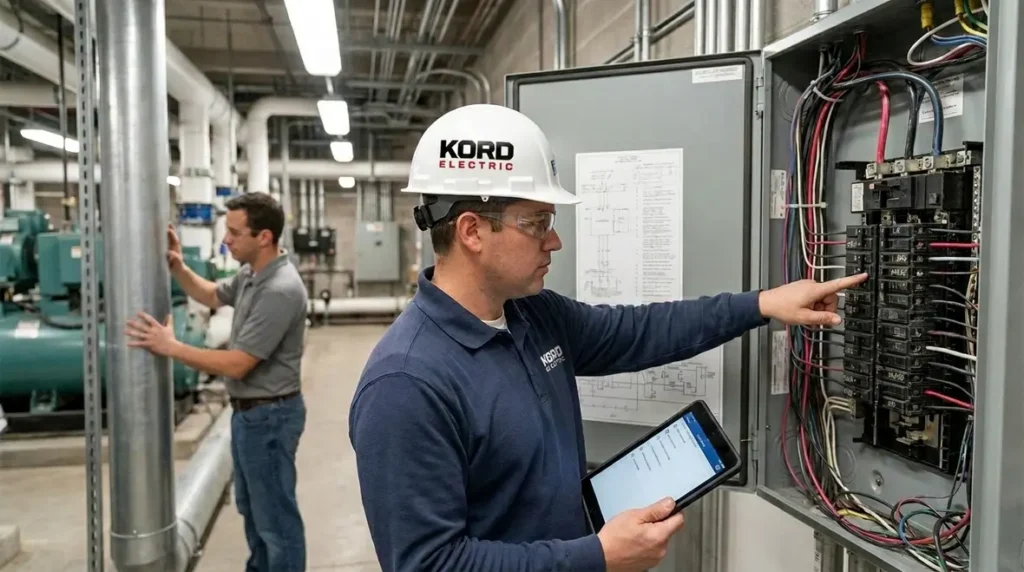
We inspect for busbar condition, torque integrity where accessible, breaker alignment, and signs of moisture or contamination. Then we confirm that labels and covers remain intact, because missing covers do not “feel small.” They create direct paths for problems.
Motor control centers and control circuits
Technicians inspect contactors, overload devices, and control components. They also look for vibration related wear and damaged terminal blocks. After that, we verify that control logic and protection remain reliable.
Switchgear and switchboards
These assemblies often become mission critical assets. We focus on proper inspection, cleaning where needed, and verification of protective features. Additionally, we prioritize areas with history of overheating or moisture intrusion.
Transformers and dry type units
We assess for signs of insulation stress, contamination, and abnormal thermal patterns. We then align actions with the operating environment and past observations.
Protective devices and coordination
Maintenance includes confirmation that protective devices operate as designed and stay within performance expectations. If a fault occurs, protective devices should do their job quickly and safely.
Risk based decisions that avoid costly surprises
Many building teams ask for “the maintenance plan,” and then they ask for it yesterday. So we help others adopt a risk based approach that makes the plan sensible instead of overwhelming. This method also reduces unnecessary work, which property owners appreciate when budgets tighten.
First, we consider condition indicators, including inspection results, test history, and operating context. Second, we consider impact. A fault in one location might shut down a whole production line, while a fault elsewhere might affect only a limited area. Third, we consider time. Equipment that shows degradation trends needs action sooner than equipment with stable readings and clean inspections.
At that point, our technicians explain findings in business language. We make it clear what needs immediate correction, what can wait, and what supports monitoring only. And yes, sometimes the best maintenance call is the one that prevents an unnecessary “fix everything” effort. No offense to DIY confidence, but electrical equipment does not care about vibes.
Aligning risk with NFPA 70B program expectations
Because NFPA 70B is built around structured inspection, testing, and documentation, a risk based strategy does not mean ignoring equipment until it screams for attention. Instead, it means using evidence to schedule the right work at the right time, then recording what you did so future decisions have a solid starting point. That is how maintenance supports uptime instead of feeling like an interruption.
Where our team fits: Kord Electric inspection and service support
We operate for commercial and industrial facilities and major property buildings, and we keep our process grounded in field work. Our expert service staff explains what they find, why it matters, and how it connects to maintenance requirements. You should not have to translate electrical maintenance into a foreign language. We translate it for you.
In practice, we coordinate maintenance tasks around your schedule and your operational needs. Then we align the work with inspection and service expectations described in our maintenance overview resources, along with electrical maintenance and inspection services for panel and distribution systems. Meanwhile, we help your team stay organized, so it is easier to track what happens over time.
And when you work with us, you get more than a visit. You get documented outcomes, practical recommendations, and a clear path to keep equipment reliable.
If your facility also relies on broader fire protection systems, the electrical side of NFPA 70B ties directly into the NFPA codes and guidelines that Kord Fire supports across fire alarms, suppression systems, and life safety equipment. Coordinating these efforts helps you avoid gaps between electrical reliability and fire protection readiness.
FAQ
Conclusion
If you run a commercial or industrial facility, you already know electrical problems do not arrive politely. They show up when you cannot spare time or downtime. That is why we help your team follow the right maintenance approach, with inspections, testing, and documented corrective actions that protect equipment and budgets. When others wait for failures, we plan ahead. Contact Kord Electric to schedule an inspection and get a maintenance path your facility can trust.
As you refine your NFPA 70B maintenance program, this is also the ideal time to align your panel and distribution work with our dedicated electrical maintenance and inspection services. That way, your most critical equipment receives the structured care, testing, and documentation it deserves.