
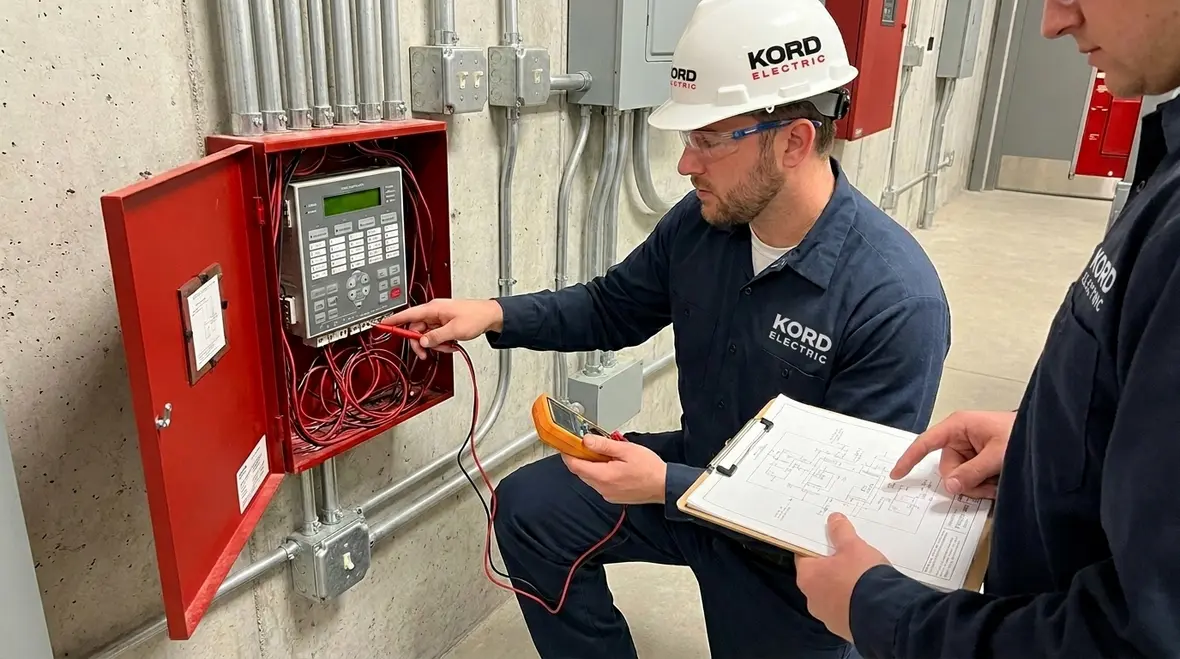
NFPA 72 Compliance for Electrical Contractors
NFPA 72 sets the rules for fire alarm systems, and for commercial and industrial facilities, those rules matter in a very real way. When electrical contractors handle wiring, devices, and system integration, NFPA 72 becomes the roadmap that keeps people safe and keeps projects compliant. At Kord Electric, we treat these requirements like the blueprint of a whole building’s emergency plan, not like a “check-the-box” item. Our technicians and expert service team explain the details step by step, because clarity reduces surprises. And yes, we have seen systems pass inspection and still fail in real life, mostly because someone assumed “close enough” was acceptable. We do not do that.
NFPA 72 and what electrical contractors must plan for
In most commercial and industrial jobs, the electrical contractor plays a central role. We coordinate power, supervision, and pathways for notification and initiating devices, so the fire alarm system functions exactly as designed when it matters. NFPA 72 focuses on how systems operate, and that affects how electrical work gets built. For example, when the system design requires supervised circuits, we handle the wiring in a way that maintains supervision under fault conditions. Then, we align installation practices to the signal flow the system uses during alarm and trouble conditions.
Because buildings vary, we also plan for different environments such as warehouses, manufacturing floors, and office towers. Those spaces bring long runs, electromagnetic noise, and device placement constraints. Therefore, we verify that wiring methods, separation rules, and proper labeling match the intent of NFPA 72. Our team explains the “why” during planning, not just the “what,” and it keeps everyone aligned from rough-in to final acceptance.
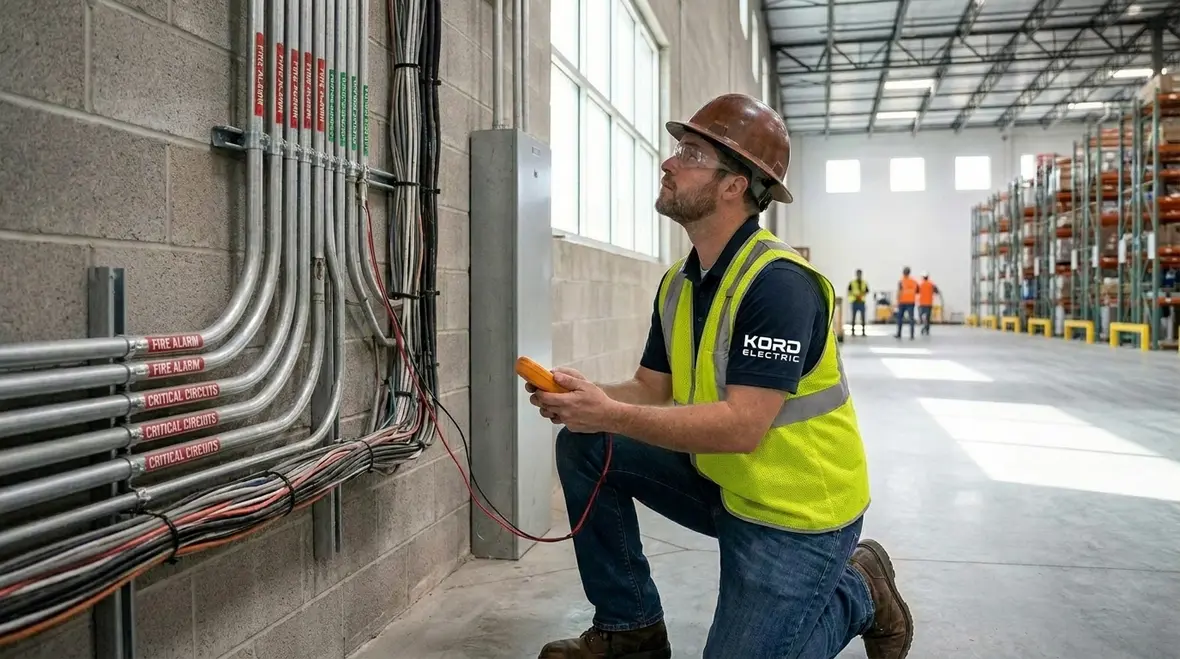
For property managers and project owners, this planning step is often where stress drops. When everyone understands how NFPA 72 ties into conduit runs, cable types, and device locations, coordination meetings stop feeling like guesswork and start feeling like a shared plan.
How NFPA 72 drives wiring choices and circuit supervision
NFPA 72 does not only tell you what devices to install. It governs how the system monitors itself. As we work, we treat supervision as a core electrical concept: the system must detect opens and shorts and then report trouble. So we build circuits that support the supervision strategy in the fire alarm control unit design.
First, we review the approved plans and the control panel programming intent. Next, we translate that intent into wiring layout and device connections. Then, we confirm that power and notification paths meet the required behavior during alarms and system events. If the drawings call for specific circuit classes and supervision features, we follow them closely. That discipline helps prevent the classic scenario where a device “works” but the system does not report faults correctly. Fire alarms are not supposed to be mysterious. They should be predictable, like a well designed process, not like a mystery novel.
In addition, electrical contractors must pay attention to labeling and identification so technicians can trace circuits during troubleshooting. Our expert service staff supports that effort after install, and it saves time later when a system needs service or a building changes.
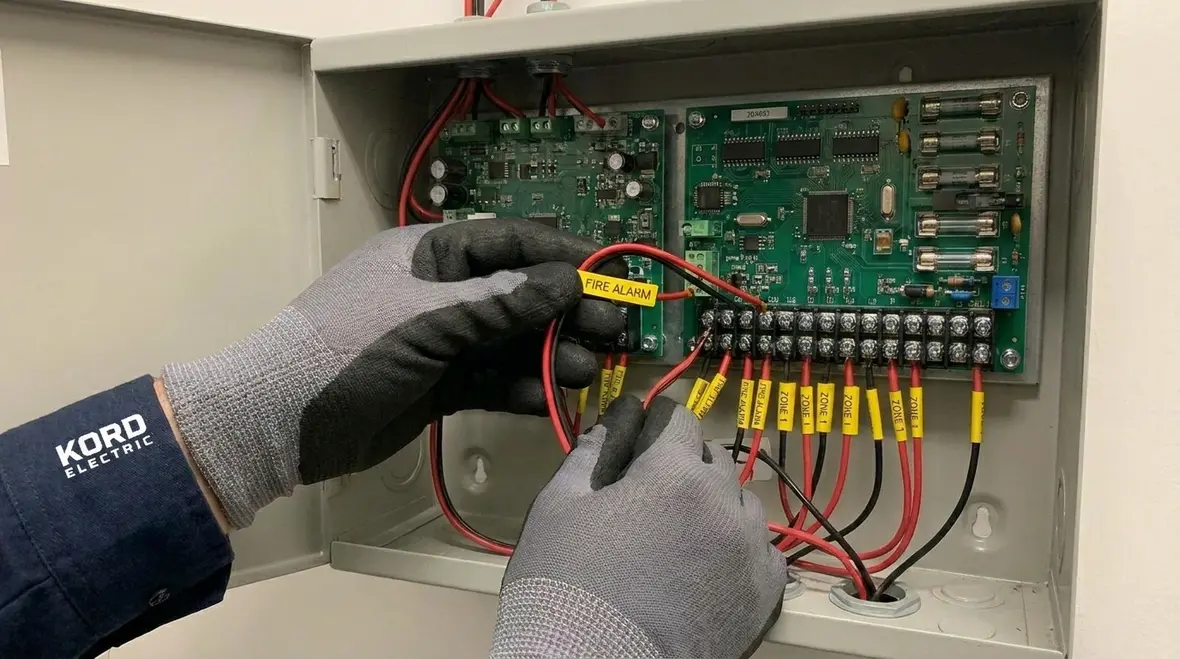
On many projects, that attention to supervision and labeling also makes life simpler for the fire protection side of the team. When they can see where circuits start, how they are grouped, and how they are labeled in the field, NFPA 72 testing becomes a confirmation step, not a scavenger hunt.
What we check during installation to avoid trouble signals later
At Kord Electric, we do not wait for final testing to think about reliability. We verify the details as we install. That starts with workmanship and ends with documentation that matches the system.
To keep compliance solid, we verify wiring polarity where required, connection tightness, correct device types, and proper termination practices. We also look at how pathways route cables, so circuits stay protected and organized. Furthermore, we confirm that notification devices and initiating devices connect to the correct modules and circuits as shown in the design.
Because commercial sites have schedules, we coordinate work in a way that supports live operations. Still, we never rush the electrical fundamentals. If a splice is needed, we make it correctly and in the right location. If a run requires separation or protection, we plan it early. When we explain these steps, our technicians often say the same thing: “If it is sloppy now, it will be expensive later.” Occasionally, someone laughs like it is stand-up comedy, but then they thank us at turnover when troubleshooting becomes straightforward.
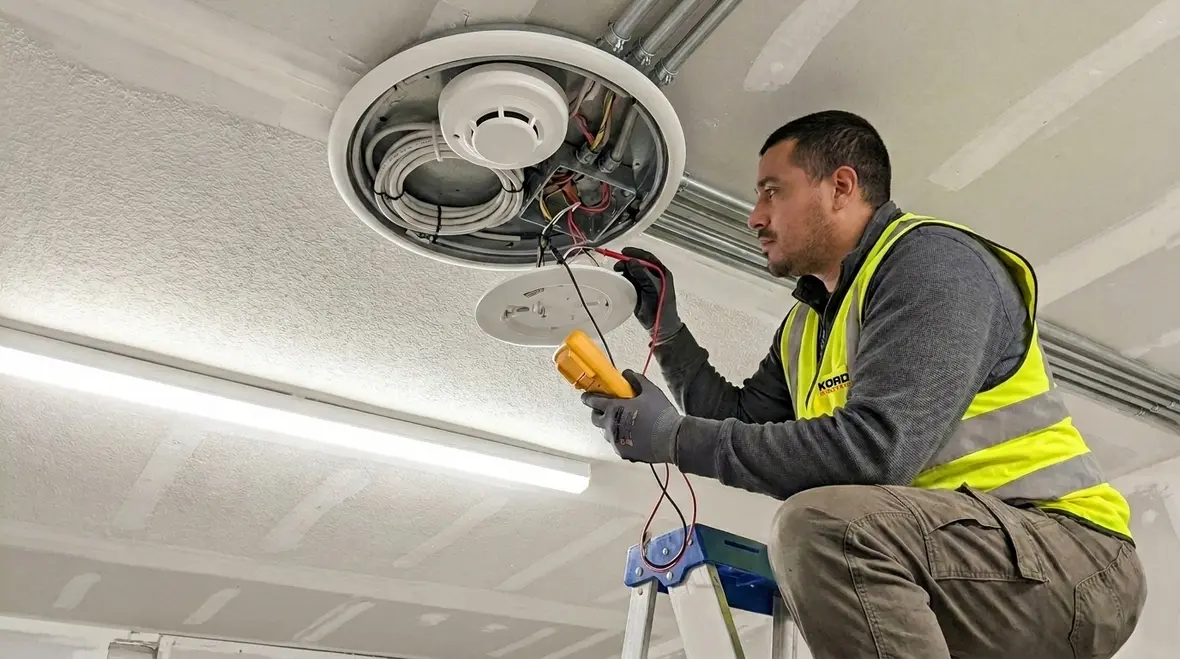
Those details also set the stage for future NFPA 72 testing and inspection. When an AHJ walks a site and sees clean terminations, labeled conductors, and logical routing, the conversation tends to stay focused on verification, not on fixing basic mistakes under a deadline.
Ensuring panel integration with reliable electrical panels and power distribution
Many projects use control equipment that ties into broader electrical distribution. That integration has real consequences for performance. Our approach considers how the fire alarm system interacts with panel power and how building loads affect stability. In large commercial and industrial facilities, you cannot treat the fire alarm as an isolated island. It ties into the building’s electrical environment.
That is why we reference established best practices around electrical panel work. We also support related needs such as properly designed panel solutions to keep power pathways stable and serviceable. For customers looking for a strong foundation, Kord Electric works with the electrical panel side of the building as well, including coordination with existing systems and future access needs. Our goal is simple: the fire alarm system should receive the power and control signals it needs without unnecessary interruptions.
If you want the short version, it is this. We install and coordinate with the confidence of people who have seen what happens when power and signaling do not match the design. Then, we keep the service team ready to maintain system integrity over time. For full context on panels and related work, customers can review our electric panels information at https://kordelectric.com/electric-panels/.

For larger campuses or multi-building sites, this coordination often extends to backup power, transfer switches, and other infrastructure. The same NFPA 72 goals still apply: stable power, supervised pathways, and predictable behavior during alarms, troubles, and transitions.
Dual column workflow: from design review to system acceptance
To make this easy for project teams, we run a workflow that mirrors how inspections and service work in the real world. The steps below keep commercial and industrial builds on track and reduce rework.
Our installation and coordination steps
- Review approved drawings and device schedules
- Confirm circuit supervision strategy and wiring methods
- Plan cable pathways, labeling, and access points
- Terminate and verify connections during rough-in
- Coordinate with the fire alarm team on device placement
Our service and acceptance checks
- Support commissioning testing and functional checks
- Confirm trouble reporting behavior per design
- Document as-built changes clearly
- Provide handoff notes for future maintenance
- Explain what technicians will look for during service
By treating this workflow like a loop instead of a one-time checklist, we support NFPA 72 throughout the life of the system. Design intent, installation decisions, and service practices all stay connected, which is exactly how complex buildings avoid surprises.
NFPA 72 overview for electrical contractors and major property owners
When we talk about an NFPA 72 overview, we focus on what matters during installation, testing, and long term upkeep. The system must perform the right actions on alarm and must report trouble so problems get fixed before they become incidents. Therefore, the electrical portion has to support those outcomes through correct wiring, monitoring, and reliable device connections.
We also connect the jobsite reality to the code intent. For example, a supervised circuit is not just a wiring detail. It is a way the system watches itself. Likewise, proper labeling is not paperwork fluff. It is what keeps maintenance fast and safe, especially when multiple contractors or facility teams share the building. Our expert service staff explains these topics in plain language and with practical examples from commercial and industrial environments, which is why many property managers trust our process.
If you want a focused reference, you can review the NFPA 72 overview page on our fire-focused site here: https://kordfire.com/nfpa-72-overview/. We use it as a shared starting point during discussions, then we tailor the details to the actual building and the approved plans.
For owners managing multiple properties or portfolios, this shared reference also makes it easier to align expectations. NFPA 72 does not change from one building to the next, but layouts, equipment, and operating realities do. The smart move is to use the same code foundation and adjust the playbook to each site.
FAQ: NFPA 72 electrical contractor compliance for businesses
Business owners and facility teams usually ask similar questions once they realize how closely NFPA 72 and electrical work are linked. The answers below keep the conversation grounded in everyday language instead of code sections.
Choosing Kord Electric for NFPA 72 work that stays reliable
In commercial and industrial projects, we do not treat NFPA 72 as a checklist. We treat it as a system behavior plan that electrical work must support, and we build that reliability into the wiring, labeling, and panel coordination. Our technicians and expert service staff explain the details clearly, so your facility team knows what to expect during testing and maintenance.
If you are planning a new build or updating an existing fire alarm system, we invite you to contact Kord Electric. Let us help you get it right the first time, and keep it right. For owners who want to see how our electrical work connects to the broader life safety picture, our partners at Kord Fire provide detailed system overviews, including resources like the NFPA 72 overview and guidance on coordination between alarms, sprinklers, and suppression systems.
When you are ready to take the next step, we can align your electrical scope with NFPA 72, your fire protection strategy, and your long-term maintenance plan so the entire system works together instead of pulling in different directions.


