NFPA Electrical Codes for Commercial Safety
NFPA electrical codes: the commercial owner’s quiet shield
Commercial and industrial facilities do not get second chances when something fails. In the first place, NFPA electrical codes exist to help stop fires, reduce shock hazards, and keep life safety systems working when people need them most. At Kord Electric, we remind owners that these rules are not “paperwork with vibes.” They are the practical standards that guide safe wiring methods, equipment installation, and inspection routines across large buildings. Furthermore, when a facility follows NFPA electrical codes, it also helps reduce downtime, insurance friction, and the kind of emergency calls no one wants to answer. And yes, if anyone tells you compliance is boring, we smile politely, because we have seen what unmaintained wiring can do. The baritone truth is this: safety codes save more than property. They protect people.
Why NFPA compliance matters for industrial and major property buildings
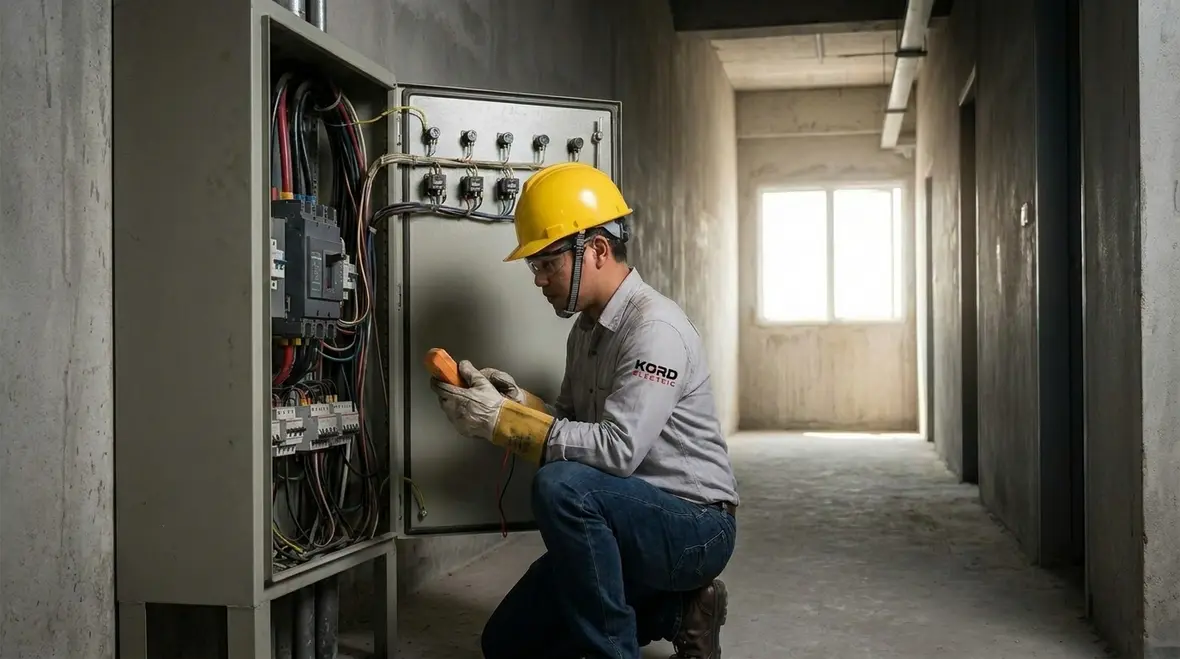
In commercial buildings and industrial facilities, electrical systems run 24 hours a day. As a result, the risk grows quietly over time. Loose terminations, damaged insulation, wrong device ratings, and overloaded circuits can build up until the day they snap into failure. Therefore, owners who treat electrical compliance as an ongoing program, not a one time project, tend to avoid the costly surprises.
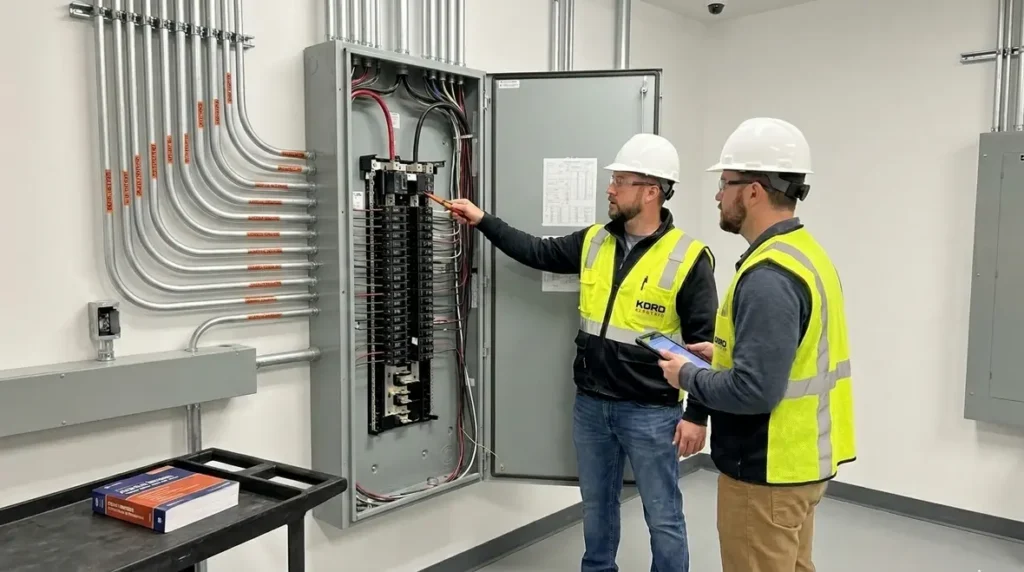
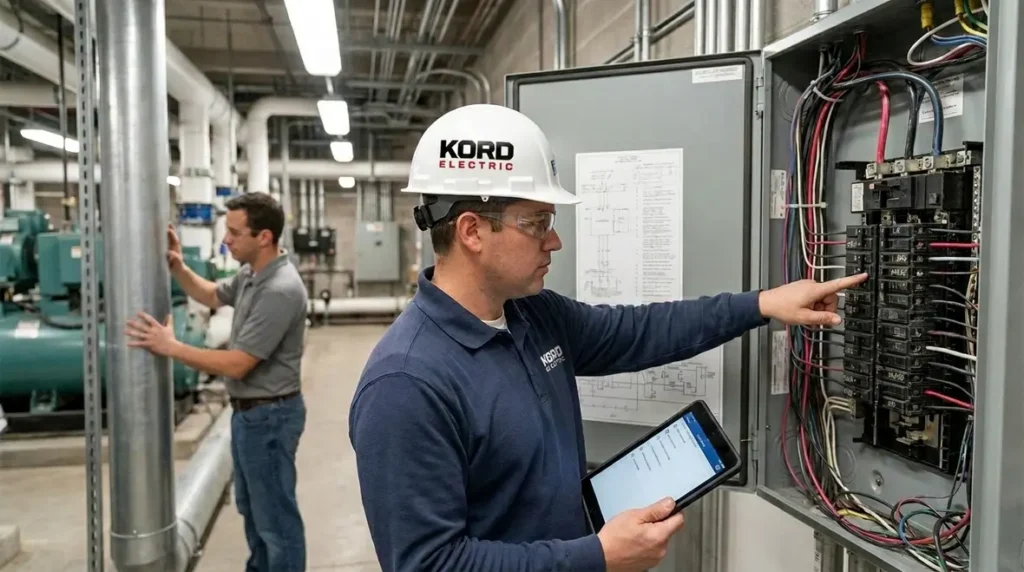
Our technicians and expert service staff help owners connect code requirements to real life conditions. They do not just list requirements. They walk through how those NFPA electrical code expectations affect panels, feeders, grounding, overcurrent protection, and emergency power arrangements. Plus, we explain what inspectors look for, because people should not have to guess when they are spending serious money on a facility.
And if you are thinking “We already have an electrician,” that is good. Still, commercial electrical compliance demands a consistent approach across additions, tenant changes, and equipment upgrades. In other words, the electrical system does not stay still, and neither should the owner’s plan.
Dual column checklist for essential electrical safety items
Below is a practical view of common areas that commercial and industrial owners must manage. Our team uses this approach to organize service plans, upgrade scopes, and inspection prep.
System area
What owners should verify
- Service equipment and distribution
- Proper overcurrent protection
- Safe routing and support
- Identification and labeling practices
- Grounding and bonding integrity
System area
What owners should verify
- Branch circuit protection
- Wiring methods and insulation condition
- Working clearances and access
- Emergency and standby power needs
- Protection for wet or hazardous locations
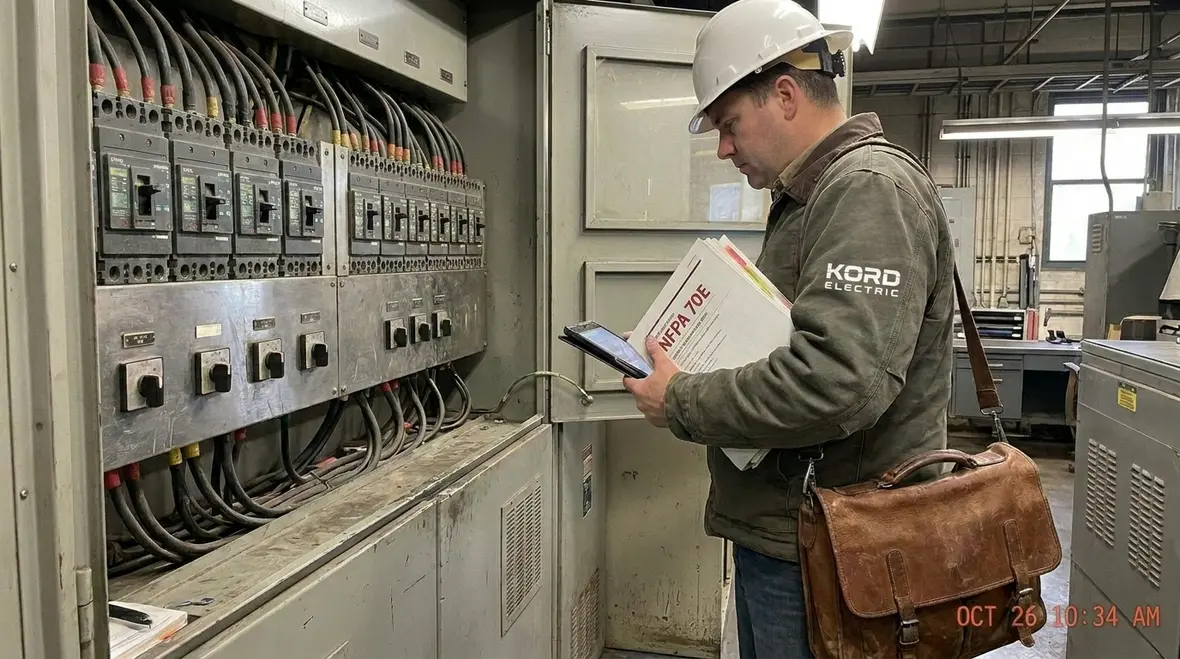
How NFPA rules shape wiring methods, grounding, and protection
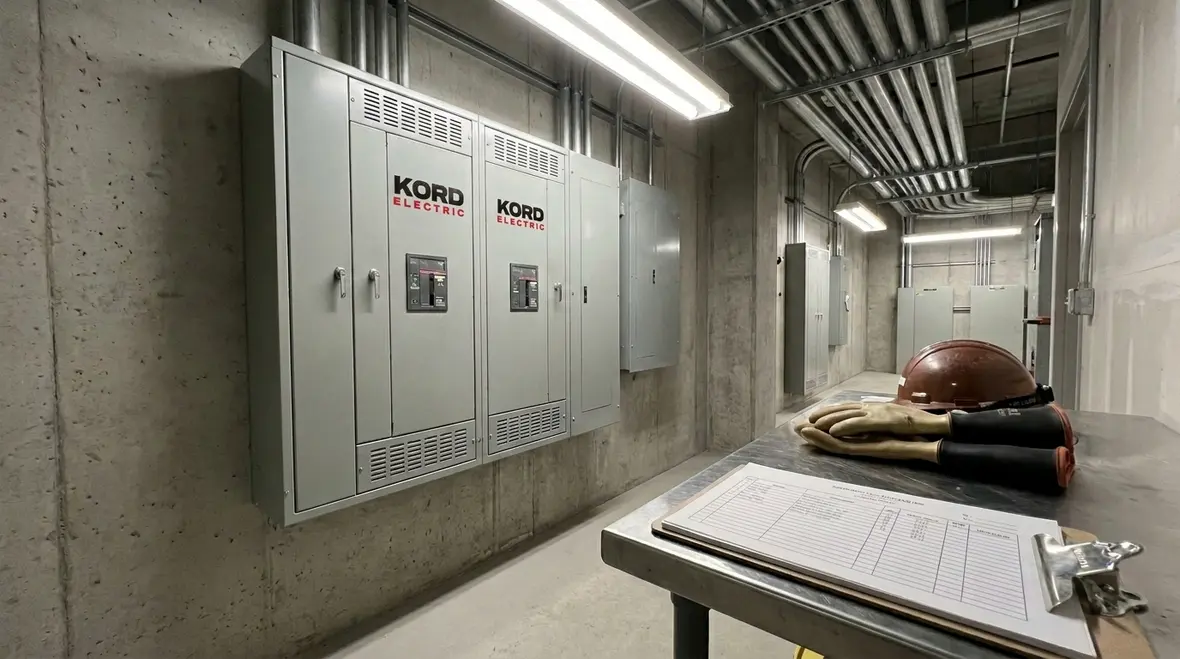
When owners ask what “codes” really mean, we translate the rules into day to day outcomes. First, NFPA electrical codes set limits and requirements for wiring methods and equipment support. This matters because commercial buildings contain many pathways, corridors, chases, and ceiling spaces. If wiring does not follow safe routing and protection rules, damage happens from vibration, maintenance traffic, moisture, or later construction changes.
Next, grounding and bonding requirements reduce the chance that a fault becomes a shock event or triggers unsafe conditions. Furthermore, proper grounding supports equipment performance and helps protection devices operate as intended. In a real facility, this is not an abstract idea. It is what helps protect staff during faults, and it helps keep sensitive industrial systems stable.
Then there is overcurrent protection. In short, protection devices must match the wiring and load characteristics. Otherwise, the system either trips too often, or it fails to trip when it should. Either outcome costs money, but one outcome costs people too. Our expert service staff helps owners review device ratings, coordination, and field conditions, so the electrical system works like a team instead of a set of lone actors.
Pop culture reminder: the best electrical setup is like a well managed heist. Everyone has a role, timing matters, and the plan needs to hold under pressure. Codes set the “plan,” and proper installation helps it survive the stress test.
If you want to see how electrical standards connect to fire protection and life safety across an entire property, explore our resource on NFPA codes and guidelines for fire protection and life safety. It shows how wiring methods, detection, and suppression work together as one safety strategy.
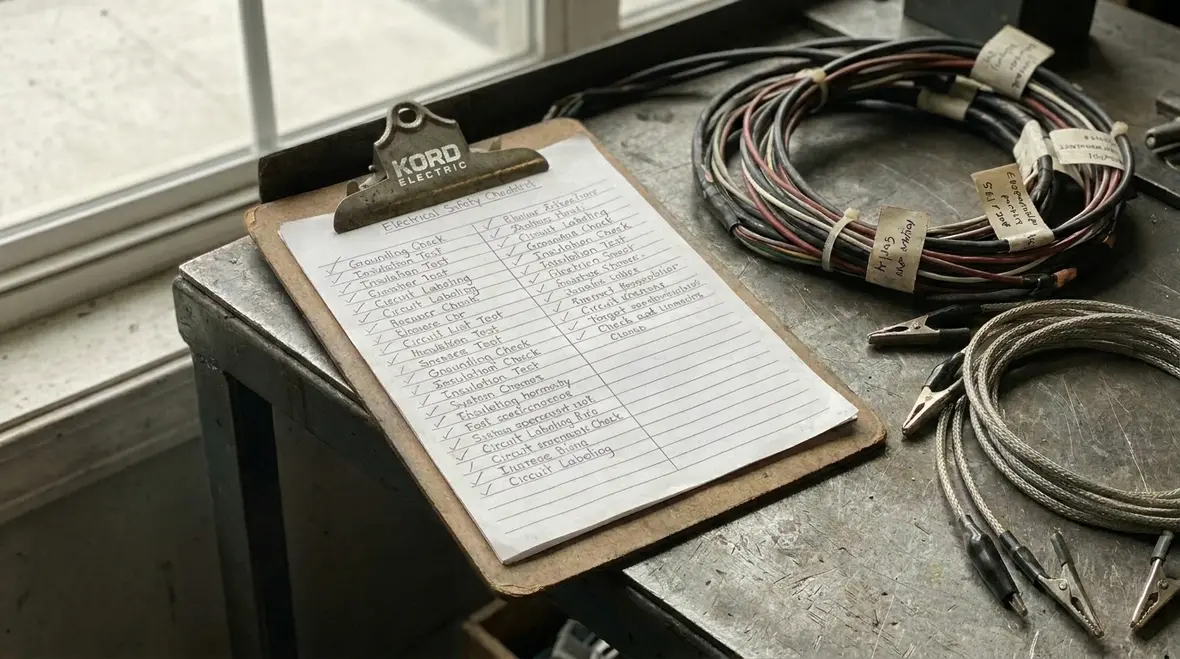
Fire protection coordination for life safety and emergency systems
Electrical systems do not live alone. They connect into life safety, fire alarm, and fire protection strategies. Therefore, major property buildings and industrial facilities must coordinate electrical installations with fire protection and life safety needs. When one part fails, the rest should still perform as designed.
In the Kord Electric approach, we reference the guidance style laid out in our resources on NFPA codes and guidelines for fire protection and life safety. That includes how electrical design supports detection, notification, and safe building evacuation paths. For instance, emergency power systems must support critical loads with reliability. Additionally, wiring for life safety systems often needs more strict protection and attention to routing and damage resistance.
Also, owners should plan for inspection and maintenance schedules, not just installation. Codes assume the system will be kept in working condition. Consequently, the best results come from recurring testing and correction of defects before they become failures. And yes, we have seen facilities treat “later” as if it is a renewable resource. Spoiler: it is not.

Tenant buildouts, retrofits, and inspections without the chaos
Commercial and industrial owners deal with ongoing change. A new tenant arrives, a process upgrades, or a machine line gets added. So the electrical system grows, and old work must connect safely to new work. This is where many facilities stumble, not because people are careless, but because changes happen fast and documentation becomes messy.
To keep things clean, we help owners set a controlled process for electrical updates. First, we review the existing system capacity, protective device setup, and available pathways. Then, we plan routing and load allocation so the new work does not create hidden overload conditions. After that, we ensure labeling, identification, and documentation remain clear. Finally, we coordinate with inspectors so the facility does not enter approval day unprepared.
Because inspectors focus on real installation details, we also train staff on what to watch for after work completes. For example, they should watch for loose connections during early operation, confirm that access clearances stay maintained, and ensure that “temporary” modifications never turn into permanent surprises.
And here is a small joke to keep it human: electrical issues always show up on a day when you already have a meeting. You might as well plan so the only thing running late is the coffee.
Featured FAQ for commercial owners and facility managers
Conclusion: make compliance a program, not a scramble
At Kord Electric, we believe NFPA electrical codes should guide a steady, practical plan for commercial and industrial facilities. We help owners coordinate wiring safety, grounding, overcurrent protection, and life safety needs through clear service planning and experienced technician work. If you are preparing for an inspection, planning a retrofit, or upgrading critical systems, act early so the electrical system stays dependable. For facilities that also need fully integrated fire protection—from sprinklers and alarms to extinguishers and suppression systems—our partners at Kord Fire Protection’s full fire protection services keep buildings inspection-ready and aligned with NFPA and local requirements.
Contact Kord Electric today, and let our team build a code aligned path that keeps your facility safe, stable, and running.