NEC vs NFPA 70E vs NFPA 70B and NFPA 72 Guide
Commercial and industrial safety and compliance can feel like a stack of paperwork that never ends. Still, the NEC vs NFPA 70E vs NFPA 70B comparison matters because each standard handles a different slice of the electrical pie. In simple terms, the NEC sets the rules for installation. NFPA 70E guides how we handle electrical work and safety during tasks. NFPA 70B focuses on maintenance so systems keep operating reliably instead of failing on a bad day. As for NFPA 72, it covers the rules for fire alarm systems so life safety systems perform when they should. At Kord Electric, we explain the differences in plain language, and our technicians take the time to make sure facility teams understand what each document actually means in real life.
How NEC, NFPA 70E, NFPA 70B, and NFPA 72 work together
When people in commercial facilities ask us where to start, we usually begin with how these standards connect. NEC is the foundation for putting electrical systems in place correctly. Then NFPA 70E picks up by focusing on what safety steps workers must follow when they interact with energized parts. After that, NFPA 70B steps in to keep equipment from drifting out of spec over time. Finally, NFPA 72 governs how fire alarm systems get designed, installed, tested, and maintained for dependable operation.
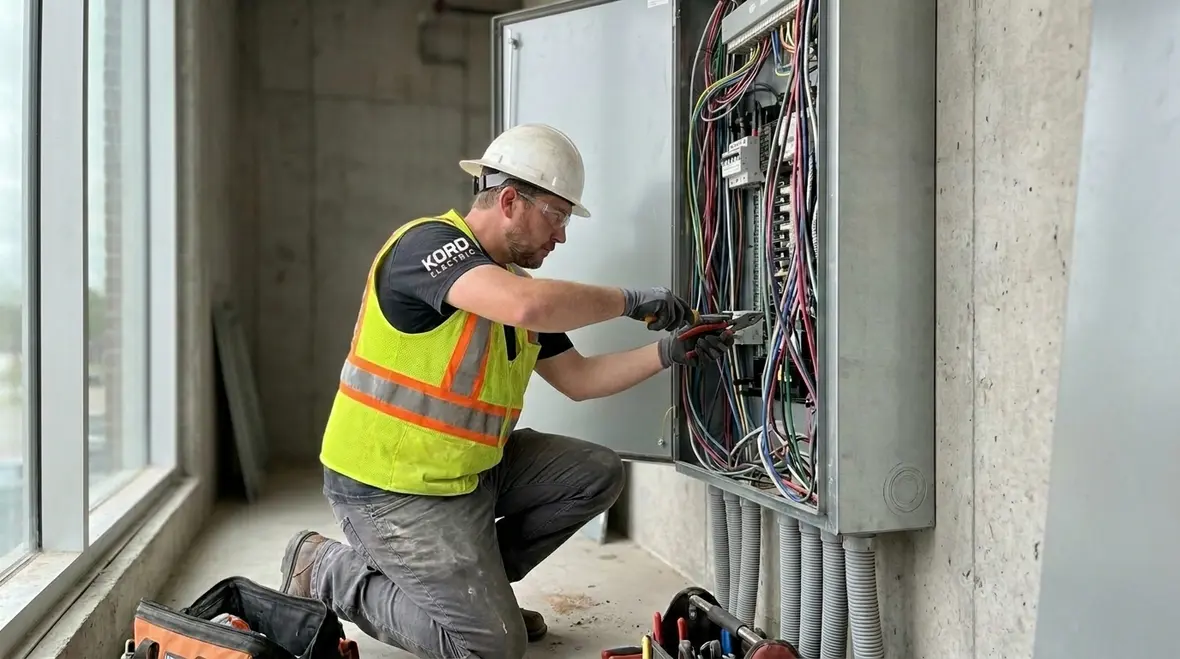
Because these standards overlap in the real world, teams sometimes mix them up. However, we see a clear path: build and verify the installation with NEC principles, manage work practices with NFPA 70E, control reliability using NFPA 70B, and protect life safety with NFPA 72. That sequence helps owners, engineers, and electrical contractors align decisions instead of chasing issues after the fact.
NEC: installation rules that shape how systems get built
NEC does not tell workers how to perform safe energized tasks. Instead, it sets requirements for wiring methods, component selection, grounding, bonding, circuits, and how equipment gets installed. In other words, NEC determines what gets installed and how it gets installed, so the system starts life in the right condition.
In commercial and industrial buildings, this matters because the environment changes fast. Load growth, tenant improvements, new equipment, and upgrades all push systems into new duty cycles. Therefore, we encourage property teams to treat NEC requirements as a long term plan, not a “now we comply” moment. Our expert service staff often explains that a correct installation reduces both risk and downtime later.
And yes, we have heard the joke: “If the lights turn on, the wiring must be fine.” That joke ends the second someone needs a fault clearance under real conditions. Proper installation under NEC principles supports protective device performance, safe grounding, and predictable behavior.
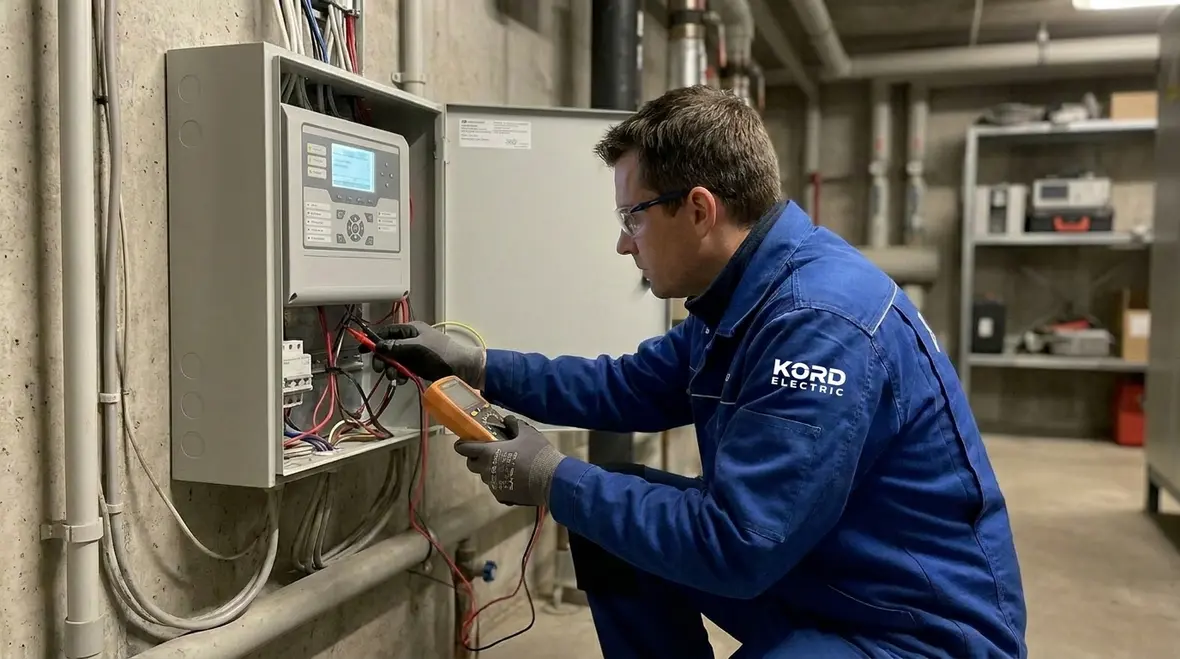
For facility teams who want to go deeper into how code shapes real-world projects, resources like our NFPA 70 National Electrical Code guide help translate technical requirements into practical decisions that keep systems safe, scalable, and inspection-ready over the long term.
NFPA 70E: safety rules for electrical work and energized hazards
NFPA 70E focuses on work practices, risk, and how we protect people from shock and arc flash during electrical tasks. So if NEC answers “what is allowed to be installed,” NFPA 70E answers “how we work safely when the job involves electrical energy.” That difference drives daily operations for electricians, technicians, and maintenance teams in warehouses, manufacturing facilities, data centers, and major property buildings.
In practice, we see two problems that create headaches. First, teams sometimes treat every electrical task as the same. Second, they guess rather than evaluate. NFPA 70E pushes a structured approach, which helps workers choose appropriate protection based on the actual hazard. Our technicians explain this process step by step, so facility managers can support it without turning training into a guessing game.
We also help clients understand that NFPA 70E safety planning works best when it aligns with maintenance schedules, equipment condition, and existing labeling. In other words, if the system is well installed and well maintained, the job gets safer and more predictable. That is not just theory. It is what we see across commercial and industrial sites where the electrical program stays organized.
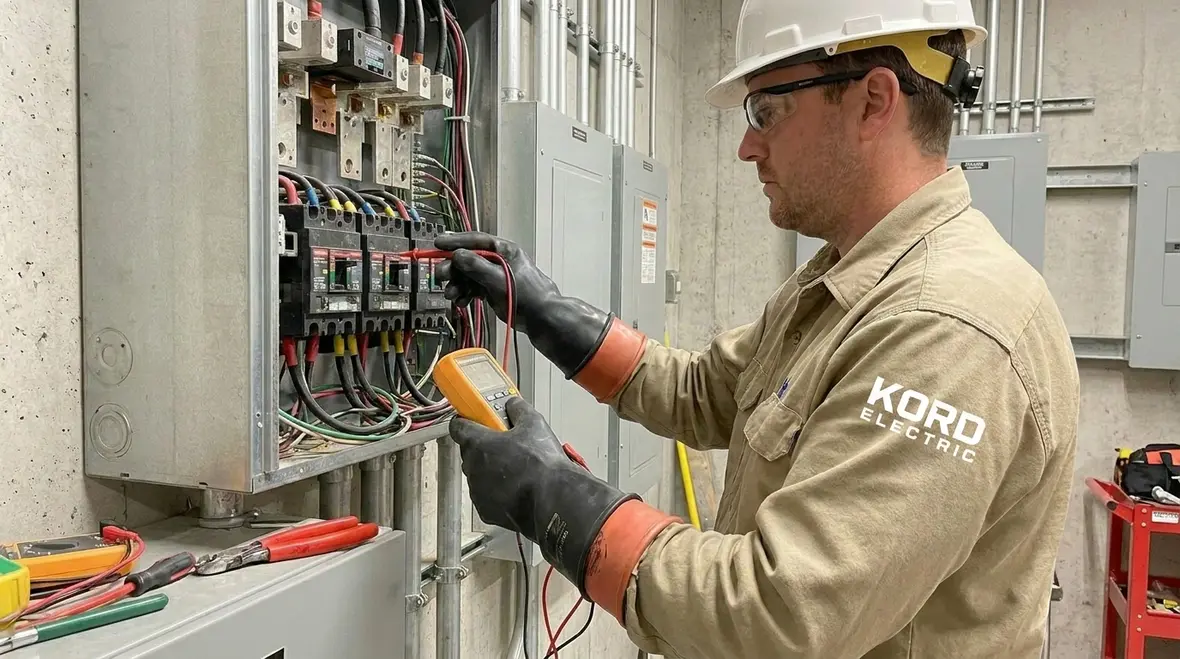
For many commercial and industrial facilities, the most effective NFPA 70E programs are built alongside structured maintenance and system upgrades. When emergency events do occur, having safe work practices already in place makes it easier for teams like ours to integrate NFPA 70E procedures into emergency electrical services without adding confusion in the middle of a high-pressure situation.
NFPA 70B: maintenance planning that keeps performance steady
NFPA 70B centers on electrical equipment maintenance practices. It guides how to inspect, test, and monitor systems so the building does not slowly drift into unsafe or unreliable operation. In many facilities, maintenance gets treated like a cost center, and then the surprise expense shows up when something fails.
That is where NFPA 70B helps. Instead of waiting for a shutdown, it encourages planned activities that reduce the chance of hidden deterioration. Also, it supports reliability and safety by keeping insulation conditions, protective devices, and operating mechanisms within expected performance limits.
Our approach at Kord Electric is straightforward. We help our clients build maintenance plans that match real operating conditions. Then, our expert service staff explains what we are checking, why we check it, and what actions follow when results point to risk. When teams understand the logic, maintenance stops feeling like a mystery and starts feeling like a system.

In commercial and industrial environments, NFPA 70B fits naturally with services like electrical preventive maintenance. By pairing formal maintenance standards with field-tested maintenance programs, facilities get a realistic way to keep panels, feeders, and distribution equipment reliable instead of hoping that “no news” means “no problems.”
NFPA 72: fire alarm rules for life safety system reliability
NFPA 72 addresses fire alarm systems, including design, installation, testing, and inspection. While NEC, NFPA 70E, and NFPA 70B relate to the electrical side of building power and work safety, NFPA 72 focuses on the signaling and operational performance that saves lives during an emergency.
We often work with facility teams who want everything coordinated. So we explain how fire alarm performance depends on proper installation and reliable power, and how life safety requires consistent testing and documented verification. For commercial and industrial buildings, this includes meeting the needs of the site and maintaining readiness across the full system.
Here is a practical reality: fire alarm components can degrade, panels can age, and wiring issues can develop. Therefore, NFPA 72 procedures protect occupants by keeping systems functional. It is not glamorous work, but it is the work that matters when the alarm has to do exactly what it should.
Because fire alarm systems live at the intersection of power, signaling, and code, we often pair NFPA 72 discussions with broader conversations about electrical capacity, lighting, and life safety equipment. Whether a facility is planning upgrades to lighting systems or evaluating distribution changes, aligning those projects with NFPA 72 expectations keeps life safety from becoming an afterthought during construction.
Where teams get confused, and how we clear it up
Many facilities run into confusion because the standards sound similar in name and overlap in application. However, the job functions differ. NEC focuses on installation and compliance requirements. NFPA 70E focuses on safety for electrical work. NFPA 70B focuses on maintenance practices. NFPA 72 focuses on fire alarm systems and life safety performance.
When confusion hits, we see common patterns. People may reference NFPA 70E when they should address installation gaps. Or they may call something “maintenance” when it actually needs a corrective action based on design and code requirements. Likewise, teams may treat fire alarm tasks like general electrical work, when NFPA 72 expects a more specific process with defined testing and verification steps.
To avoid that, we guide clients using real facility examples. Then our technicians walk the team through what changes, what documentation supports compliance, and how the work ties into risk reduction. That way, everyone stays aligned and the electrical program runs like a plan, not like a scramble.
A practical comparison for commercial and industrial facilities
Below, we keep it simple and job focused so facility teams can quickly map the standard to what they actually do on site.
Standard NEC NFPA 70E NFPA 70B NFPA 72 | Primary purpose Rules for electrical installation Safety rules for electrical work Maintenance for reliable operation Fire alarm system requirements |
Next, our expert service staff helps clients translate this into schedules, labels, training, and documented results. That keeps the program grounded in day to day reality, not just in compliance language. In many cases, we pair this comparison with broader planning for upgrades, maintenance, and code-driven improvements so that NEC vs NFPA 70E vs NFPA 70B decisions become part of one connected electrical strategy instead of separate, confusing checklists.
FAQ for featured snippets
Call Kord Electric when you want clarity, not chaos
If your team needs a clear plan for electrical compliance and safety, we help you connect NEC, NFPA 70E, NFPA 70B, and NFPA 72 into one practical program. Our technicians explain the “why” behind the requirements, and our expert service staff supports your facility with structured maintenance and jobsite safety alignment. Do not let standards become a mystery binder on a shelf. Contact Kord Electric today, and let us build a safer, more reliable electrical system for your commercial or industrial property.
If you are planning broader upgrades or repairs, our team can also connect these standards to real-world services like emergency electrical services, electrical preventive maintenance programs, and other commercial electrical solutions that keep your facility prepared long before the next inspection, outage, or unplanned shutdown shows up.