Office Building Electrical Capacity Assessment
Office building electrical capacity assessment: future ready starts with a calm, honest review
Every commercial and industrial owner eventually faces the same moment: the lights flicker just a little, the cooling struggles on the hottest day, and the building “feels” older than it should. That is why we recommend an Office building electrical capacity assessment early, before the problem grows teeth. In this review, Kord Electric and our experienced service team look at how much power your building can truly handle today, and how safely it can support what you plan tomorrow. Then, we map that truth to real electrical infrastructure upgrades, not guesswork. After all, no one wants to learn their electrical limits during a peak load hour, unless they enjoy living like a TV drama where the power always fails right on cue.
What the assessment actually checks, step by step
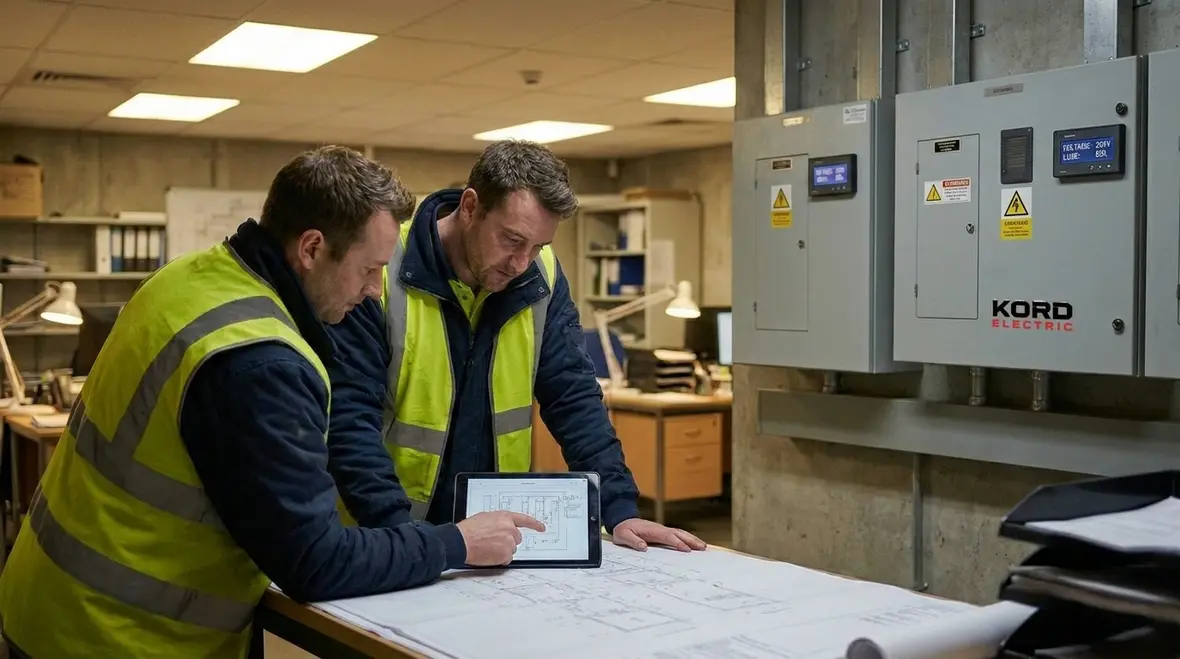
First, our technicians start with a clear baseline. They do not just look at nameplate ratings and call it a day. Instead, they confirm how the electrical system behaves under real conditions. That means they evaluate the service entrance, switchgear, distribution panels, feeders, and key protective devices. Next, they review historical load data when it exists, because utility bills and submeter records often reveal patterns that drawings hide. Then they validate whether the busbars, conductors, and breakers can handle current, heat, and short circuit demands with margin.
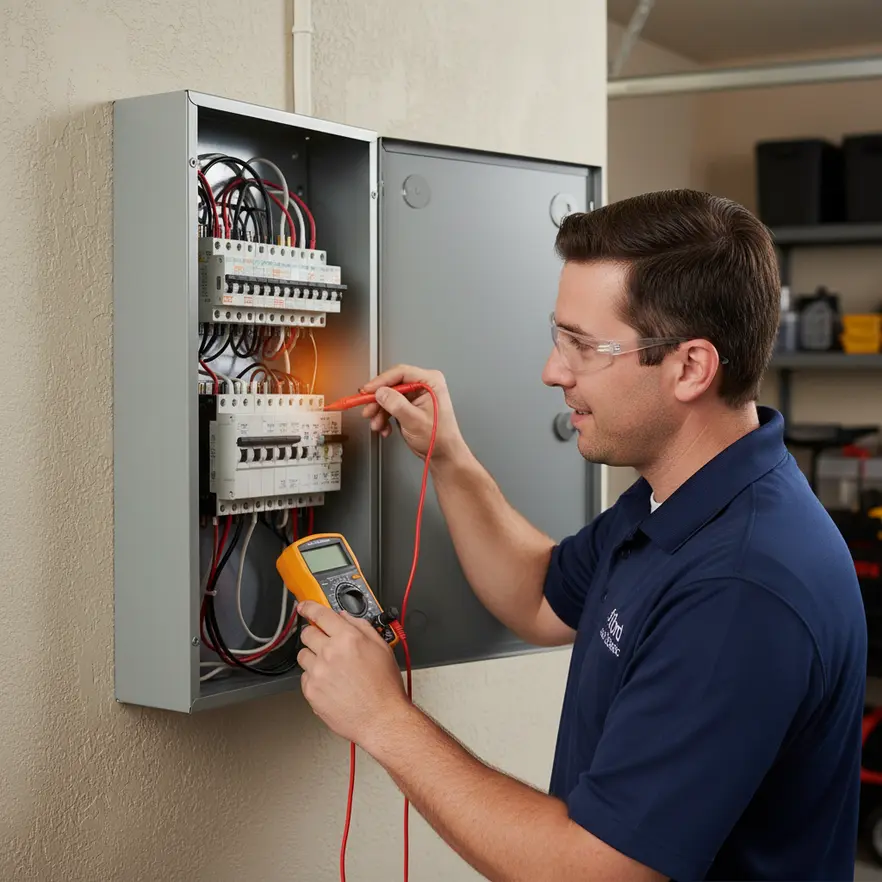
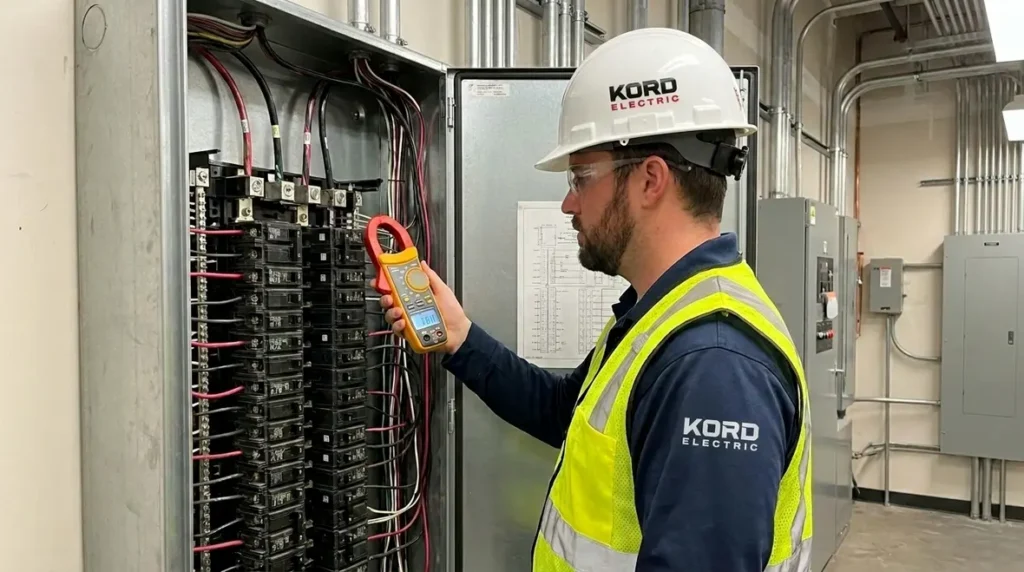
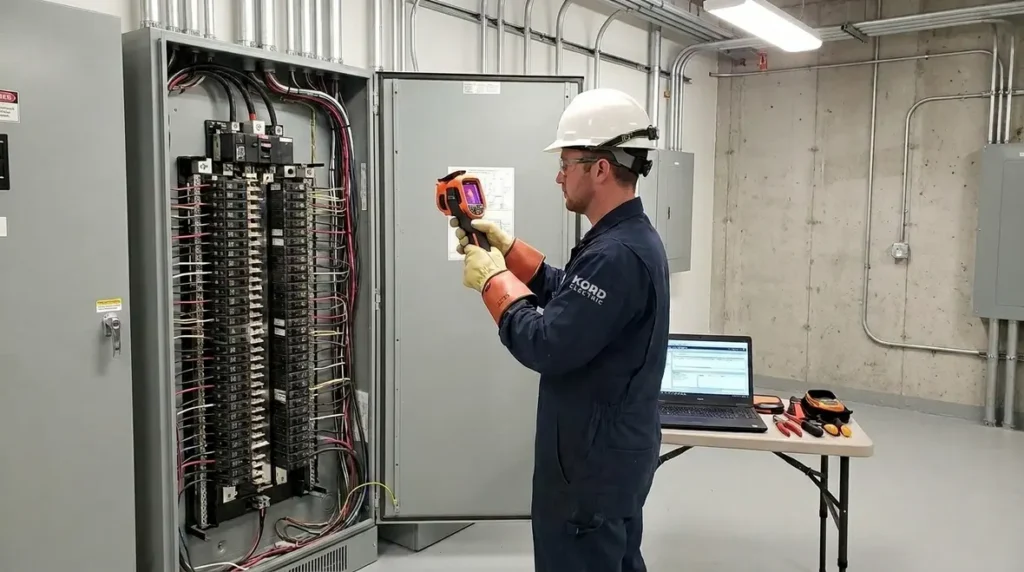
Now, here is where things get practical. A building can look “sized” on paper, yet still run hot because of poor connections, aging insulation, or uneven load distribution across phases. Therefore, our experts inspect terminations, look for signs of overheating, and confirm protective settings align with the actual system configuration. Finally, they test and document key parameters so the building owner gets a real answer, not a polite shrug.
To keep it simple, we treat your electrical system like a body checkup. You do not wait until you have chest pain to schedule a scan. You check now, so the next upgrade stays planned, paced, and affordable.
Key elements reviewed during an office building electrical capacity assessment
- Service entrance condition, rating alignment, and real-world loading
- Switchgear, distribution panels, and feeders under typical and peak demand
- Protective device ratings and coordination compared to current system configuration
- Thermal performance, including hotspots, aging insulation, and loose terminations
- Historical load and demand data where available to verify operating trends

How future upgrades affect electrical capacity
After the baseline is set, we move into the next question: what changes are coming. Many commercial and industrial facilities add tenants, retrofit offices, expand production lines, electrify HVAC, or install EV charging for employees and visitors. Consequently, the electrical load profile shifts, and the building may need more capacity or better distribution. If the plan is vague, our approach still helps. We help others translate project ideas into electrical impact, so decision makers understand the consequences before they commit to construction schedules.
Additionally, we evaluate power quality and system stability, because future loads can stress voltage regulation and create harmonics. For example, modern motors, variable frequency drives, and data equipment behave differently than older gear. Even if total kVA looks acceptable, the electrical system can still suffer from nuisance trips or overheating. Therefore, our service team looks beyond raw capacity and checks how well the system will support sensitive equipment and critical operations.
And yes, if someone says, “We will figure out the electrical later,” Kord Electric politely reminds them that “later” often shows up as emergency downtime. That is a joke. But it is also a real timeline we try to prevent.
Translating project ideas into electrical impact
A well-timed Office building electrical capacity assessment gives leadership a practical roadmap instead of vague estimates. When future projects like EV charging, production expansion, or IT growth are on the table, Kord Electric’s service team can connect each concept to concrete impacts on service size, distribution, and protection. That clarity helps keep budgets honest and construction schedules realistic.
Why distribution and protection determine real headroom
Many owners focus on the main utility service, and that is fair, because it seems like the biggest number in the room. However, the building’s usable capacity often lives downstream. Switchgear bus ratings, feeder limits, panel loading, and breaker coordination can reduce available headroom. For that reason, our technicians perform a distribution-level review, not only a service-level review.
Next, we consider protective devices. A breaker can be correctly rated for current, yet still fail to protect equipment during specific fault conditions if coordination is off. Likewise, selective tripping matters when you want a single area to lose power rather than the entire building. Therefore, we evaluate the coordination strategy and confirm it meets the facility’s needs and codes.
Heat also becomes a key factor. Overloaded conductors and aging connections create higher resistance, which increases temperature. As a result, insulation life shortens, and components drift toward failure. We look for early warning signs, because catching these issues during a planned assessment costs less than replacing equipment after a rushed incident.
Distribution-level risks that quietly limit capacity
- Uneven loading across phases that increases heating and neutral stress
- Panels operating near or above recommended continuous loading thresholds
- Breakers and fuses with coordination gaps, causing wider-than-necessary outages
- Aging terminations and bus connections that run hot under normal demand
- Lack of selective tripping in areas feeding critical or high-value loads
Data center level thinking for major property buildings
Some commercial and industrial facilities behave like mini data centers, especially those with large IT footprints, process controls, or medical and security systems. When that is the case, the approach should resemble data center electrical infrastructure essentials even if the building is not a full data center. That means planning for reliability, backup power compatibility, and clean power delivery.
From our experience, the big risk arrives when backup systems, UPS equipment, or generators connect to an aging electrical distribution network that was never tuned for today’s loads. Therefore, we examine how your backup power and transfer equipment integrate with the rest of the system. We also verify that panels feeding critical loads can support their share of the electrical demand without creating bottlenecks during generator operation.
Then we address efficiency and control. Upgraded HVAC, advanced controls, and electrified equipment often demand more stable power and better monitoring. In addition, we review labeling, documentation, and load allocation so staff can operate the system with confidence when something changes.
In other words, we help others run the building with the steadiness expected in mission critical environments, but with the comfort of a business building that still gets to sleep at night.
Applying mission critical discipline to office buildings
By treating high-value commercial and industrial properties with the same discipline used in data center electrical infrastructure essentials, Kord Electric helps owners design capacity, redundancy, and protection with fewer blind spots. That mindset is especially useful for buildings with extensive IT, cloud connectivity, access control, or life-safety systems that cannot afford nuisance outages.
Measuring capacity with load, demand, and real operating conditions
Now we get to the part that owners care about most: can the building handle tomorrow’s load without drama. First, we translate existing usage into demand and peak requirements. We use available utility information, equipment schedules, and onsite findings to estimate current demand and likely growth. Next, we compare that against available capacity across the system, from service to branch circuits, and we apply reasonable safety margin because electrical systems do not run in perfect conditions.
Then we verify assumptions. If load estimates come from old tenant plans, we validate them with what actually operates. Consequently, we reduce surprises later. We also identify which loads drive peak demand and which loads drive power quality stress, because those are not always the same thing.
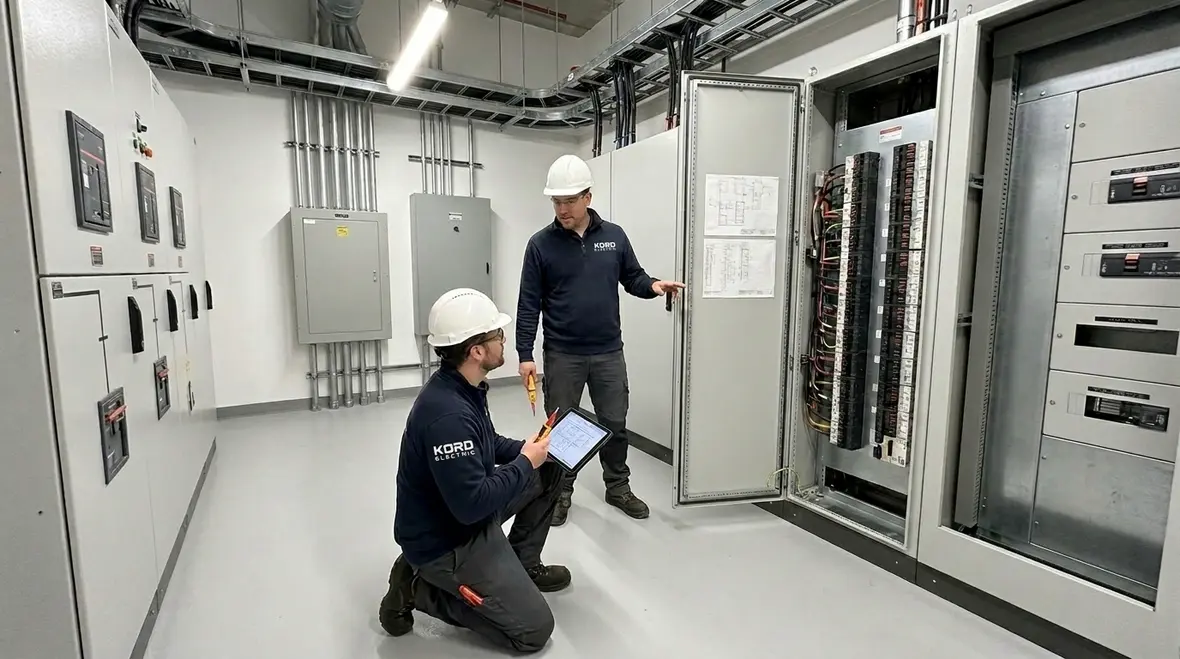
Finally, our service team documents the results in a way that decision makers can use. They do not need a textbook. They need clarity: what is working, what is close to the edge, and what upgrades should happen first. If the system needs panel rebalancing, feeder upgrades, switchgear modifications, or protective coordination changes, we prioritize based on risk and schedule.
It is like city planning for electricity. You do not pave roads after everyone starts driving off-road, and you do not replace gear after it overheats once. You plan, you pace, and you keep operations running.
From raw data to actionable decisions
- Translate real operating data into demand, diversity, and peak loads
- Compare demand against service, feeder, and panel ratings with margin
- Identify the specific circuits and areas closest to capacity limits
- Flag power quality issues that could silently damage sensitive equipment
- Turn all of this into clear, prioritized projects rather than a vague to-do list
Upgrades that protect uptime and reduce long term costs
Once the assessment reveals constraints, Kord Electric helps owners choose improvements that align with business goals. We focus on practical upgrades that support safe operation, reduce downtime, and keep long term costs in check. Often, the best plan includes a mix of capacity increases and system tuning.
For example, we may recommend distribution improvements such as upgrading feeders, adding capacity at the right panels, or redistributing loads to balance phases. In addition, we often address switchgear aging concerns, perform targeted repairs, and improve protective settings so the system trips correctly when it must. If the facility operates critical processes, we can also evaluate how to protect essential loads during abnormal events.
Moreover, we help others avoid costly stop-and-start construction. We schedule work around operational needs, because downtime rarely fits neatly into a calendar. And while someone might hope problems will “just go away,” we prefer solutions that go forward with data behind them.
Our technicians and expert service staff explain each recommendation in plain language, so stakeholders understand the “why” and not only the “what.” That keeps projects smoother, approvals faster, and surprises smaller.
For many commercial and industrial properties, this Office building electrical capacity assessment also ties naturally into longer-term reliability planning. Owners can integrate findings into structured programs like Kord Electric’s electrical preventive maintenance services and commercial and industrial electrical maintenance plans, turning one-time insight into a steady, proactive strategy for years to come.
If your roadmap includes major lighting changes, distribution upgrades, or new load types, Kord Electric’s dedicated services—such as Electrical Preventive Maintenance and related commercial electrical solutions—can be aligned with the assessment results so upgrades happen in a deliberate, coordinated way instead of piecemeal.
FAQ: office building electrical capacity assessment
Ready to future-proof your electrical system with Kord Electric
If your building serves critical operations, supports growing tenants, or plans upgrades soon, the smartest move is a planned Office building electrical capacity assessment before the stress shows up in the real world. Kord Electric brings skilled technicians and expert service staff who explain findings clearly and prioritize upgrades that protect uptime. Contact us to schedule a review for your commercial or industrial facility and build a confident path forward for power, reliability, and performance.
For properties that want this assessment to plug into a broader reliability strategy, Kord Electric’s dedicated service offerings—such as Electrical Preventive Maintenance, Emergency Electrical Services, and other commercial electrical solutions—can be coordinated into a single, future-ready plan that keeps your building prepared instead of reactive.
If your roadmap includes EV charging, expanded production, or large-scale tenant improvements, pairing an Office building electrical capacity assessment with Kord Electric’s Commercial & Industrial EV Charger Installation or other targeted upgrades ensures your infrastructure is ready before new loads arrive—not after.