
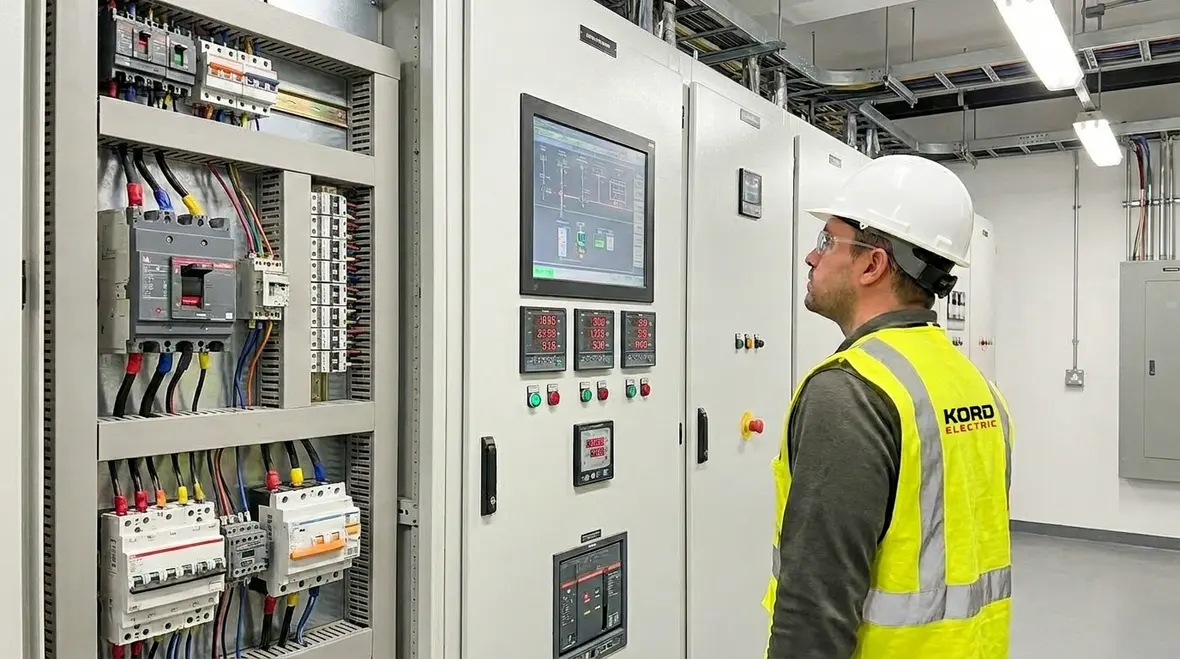
Optimize Commercial Electrical Load Shedding
Introduction: Commercial Electrical Load Shedding That Keeps Power Stable
At Kord Electric, we help commercial and industrial facilities optimize commercial electrical load shedding so the grid stays steady when demand spikes or faults happen. We design load shedding strategies that protect critical loads without turning a building into a high paid blackout museum. And yes, our approach is calmer than a summer thermostat drama. We have seen how a poor scheme can trip the wrong equipment, delay operations, and trigger costly downtime. Still, when a team handles shedding with precision, facilities gain better reliability, smoother operations, and clearer control during stress events.
In the sections below, our technicians explain how we plan, model, test, and maintain load priorities, so others can follow a practical path from risk to real stability.
Why Load Shedding Fails When Load Data Is Guesswork
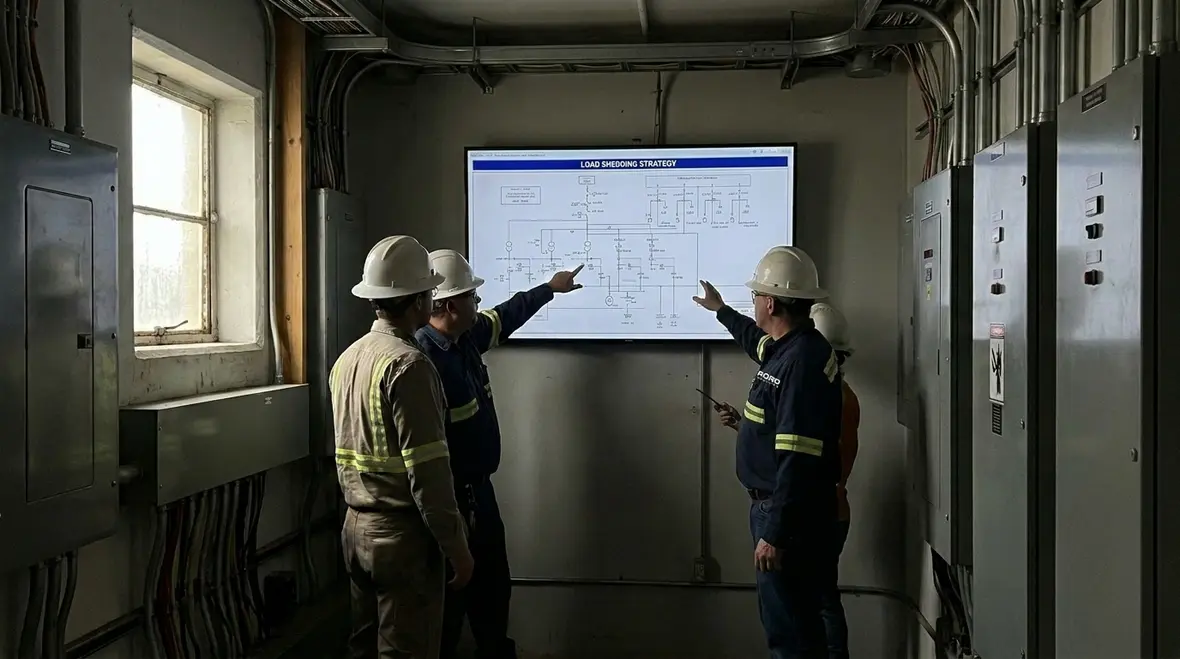
Many facilities treat load shedding like a last minute bandage. However, the grid does not care about guesses. To optimize commercial electrical load shedding, we start with accurate load data and a real view of how power moves through the building. When others only use nameplate ratings, they miss demand diversity, power factor behavior, and startup surges from motors and drives. As a result, the shedding plan may shed too much, too soon, or not enough at the exact moment it must act.
Next, we map critical circuits and time sensitive equipment, including those that keep life and process running, like pumps, controls, elevators, fire systems, refrigeration systems for product, and certain IT and network racks. Then we link that list to the electrical one line and panel schedule. When a facility changes tenant layouts or swaps equipment, the load map must change too. Therefore, optimization is not a one time task. It is a cycle.
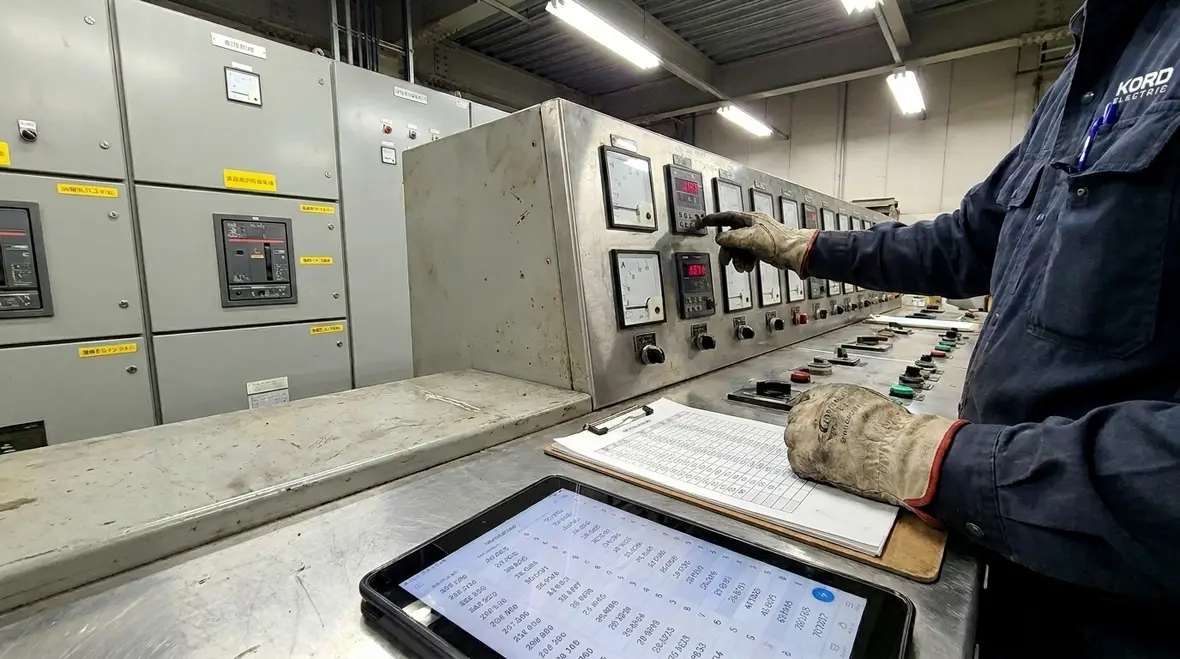
This is also where load shedding connects directly to the broader power infrastructure. When facilities review their priorities, many teams also step back to evaluate how their entire electrical backbone performs under stress, including how panels, feeders, and distribution equipment respond when demand patterns change. For a deeper look at those building wide systems, facility leaders often explore resources on commercial electrical systems for modern buildings, which explains how smart infrastructure and protection schemes support stable operations across complex properties.
Plan Priority With Critical Needs, Not With Random “If It Breaks, It Breaks” Logic
Effective shedding builds a ladder of priorities. We help others define what stays on during events and what can pause. This step is less about fear and more about safe operations.
In practice, we group loads into levels. Level one loads survive, level two loads shed, and level three loads shed first. To make those groups reliable, our technicians talk with facility managers and operations staff. We ask what equipment impacts safety, what equipment stops production, and what equipment can restart in minutes. Then we document the response time for each load type.
For example, a process line might tolerate a short pause, but a critical pump system might not. Also, some loads do not just need power. They need stable power quality to prevent control faults. Consequently, we verify voltage and frequency ride through expectations where relevant, and we select the shed points that protect controls and avoid cascading trips.
And yes, we sometimes hear the classic joke from a site leader: “Just shut off everything and we will figure it out later.” That is like saying, “Just remove the engine and drive anyway.” It does not work in the real world, and it never has.

Use Load Flow Modeling to Predict Real Demand and Startup Surges
After priorities, we predict what the facility will draw during normal operation and during stress. We use load flow modeling to understand the effect of shedding choices on feeders, transformers, and switchgear. This matters because commercial and industrial facilities rarely behave like tidy textbooks.
Motors start and they start hard. HVAC systems can pull large current spikes. In addition, variable frequency drives, compressors, and process equipment create non linear demand patterns. So we model not only steady state load, but also short term startup behavior. Then we test shedding timings so the system sheds enough load to stabilize the grid while minimizing harm to operations.
When modeling shows a plan that is too aggressive, we adjust. For instance, we may stagger shedding blocks to keep controls powered long enough for controlled shutdown. Or we may redirect power to essential buses by sequencing operations. Transition words help because this is where the plan becomes a set of reliable actions rather than a spreadsheet.
First, we build the electrical model. Then, we simulate a range of operating conditions. After that, we validate assumptions with field data from our testing process. Finally, we align the shedding logic with the actual switching devices and breaker behavior onsite.

Design the Scheme: Metering, Relays, Timers, and Communications That People Can Trust
Now we build the scheme that executes the plan. The goal stays the same: stable grid behavior and controlled building response. To optimize shedding, we ensure the system senses the right signals and triggers actions with proper timing.
We typically focus on these elements.
- Accurate metering for real time load and system conditions
- Protective relays and logic that match the facility’s topology
- Timers that avoid needless cycling and prevent nuisance shedding
- Clear communication between controls, panels, and building management systems
Moreover, we make the scheme easy to maintain. Facilities do not want a mysterious black box that only one retired engineer can interpret. Therefore, our team builds clear sequence logic, proper labeling, and documentation. Our technicians explain the logic step by step so others can operate and adjust it without guessing. In many buildings, this training alone prevents repeat failures.
We also coordinate with utility requirements where needed. Utilities may specify trigger thresholds or performance rules. So we align the design to comply, and we confirm how the system behaves during typical grid events and abnormal faults.
Validate Through Testing: Prevent “Paper Plans” From Becoming Real Downtime
Even a strong design can stumble if it never meets reality. Therefore, we validate shedding through testing and staged commissioning. First, we confirm that the load blocks shed in the intended order. Then we check that breakers and contactors operate correctly and that relays reset as planned.
Next, we verify that control power remains available for sequencing, alarms, and controlled restarts where applicable. After that, we test the system under safe conditions, watching current reduction and stability response. Finally, we review data with the facility team, so decisions stay grounded in measurements, not opinions.
This is also where we use our expertise from modern building electrical systems. If the facility uses advanced power distribution, selective coordination, and smart metering, shedding must integrate with those systems. As our team explains during site visits, modern commercial electrical systems depend on coordinated protection, controls, and monitoring. If shedding fights the protection scheme, it creates chaos. So we make the schemes work together.
And if a test goes sideways, good. That is better than learning during an actual event. The grid already has enough problems without adding a surprise science experiment.
Operations and Maintenance: Keep Optimization Alive Through Changes
Once we deliver a plan, we still stay involved. Facilities evolve. Tenants change equipment. Processes shift. That means commercial electrical load shedding must stay aligned with real load conditions. Otherwise, the scheme can drift and become less effective.
We help others maintain optimization through periodic reviews and updates. This includes revisiting load priorities after major upgrades, checking metering accuracy, and confirming that control wiring and device settings remain correct. Also, we verify that alarms and monitoring still match the current building management configuration.
In addition, our technicians train operations teams on what to expect during an event. When staff understands the shed sequence, they respond faster and with less stress. Transition words keep this clear: Meanwhile, documentation guides quick changes. Later, maintenance checks prevent silent degradation. At the same time, training improves the human side of power reliability.
For facilities that want to keep their systems performing at a high level year after year, structured programs such as electrical preventive maintenance provide a framework for inspections, testing, and documentation. When preventive work and commercial electrical load shedding strategies align, properties gain a stronger shield against unexpected failures and avoidable downtime.
FAQ
Conclusion: Let Kord Electric Make Your Power Plan Hold Under Pressure
If others want a shedding strategy that works in the real world, Kord Electric builds it with accurate load data, clear priorities, trusted control logic, and testing you can measure. We help commercial and industrial facilities reduce risk while protecting the systems that keep operations running. Don’t wait for an event to learn which circuits matter. Contact us to review your electrical architecture, model your demand, and optimize commercial electrical load shedding for grid stability. We will bring calm control to a moment that usually feels chaotic.
When you are ready to take the next step, aligning your shedding strategy with broader reliability planning and structured inspections makes an immediate difference. Our team supports this through dedicated services like electrical preventive maintenance programs that keep panels, feeders, protection devices, and controls operating at their best. Together, these services turn load shedding from a reactive tool into a proactive part of your long term power strategy.


