Electrical Preventative Maintenance for Commercial Power
Why a strong electrical preventative maintenance plan keeps commercial power stable
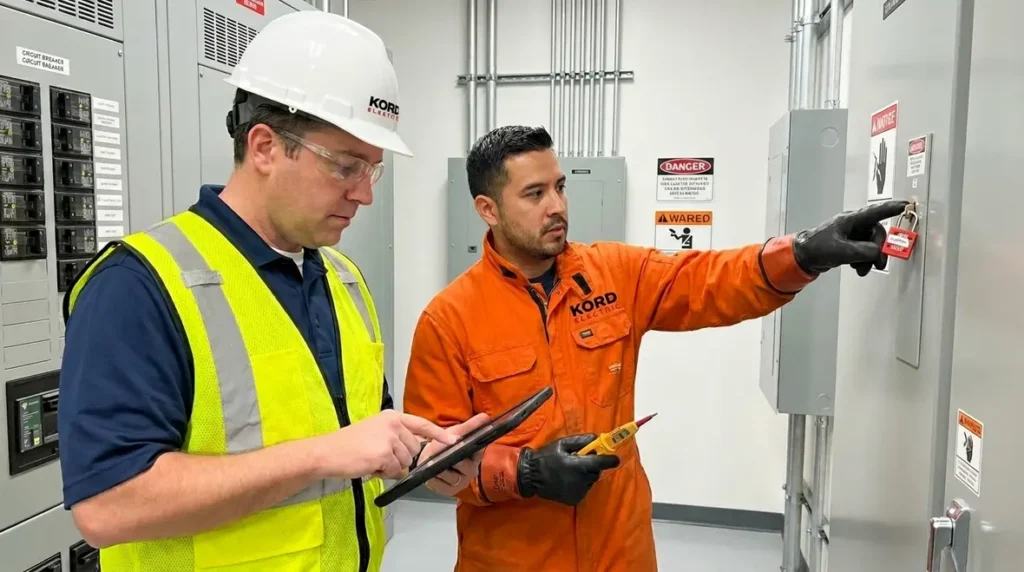
At Kord Electric, we build an electrical preventative maintenance plan for commercial and industrial facilities, and for major property buildings where downtime hits the budget and the reputation at the same time. We do not treat maintenance like a yearly ritual or a checkbox. Instead, we design a plan that reduces surprises, catches risk early, and keeps equipment in a healthier operating window.
In our process, our expert service staff explains what they find, what it means, and what comes next. And yes, we know electrical panels do not make small talk. Still, we bring clarity, not chaos, and we keep it business casual, even when the breaker is acting like it has secrets.
Where risk hides in industrial and major property electrical systems
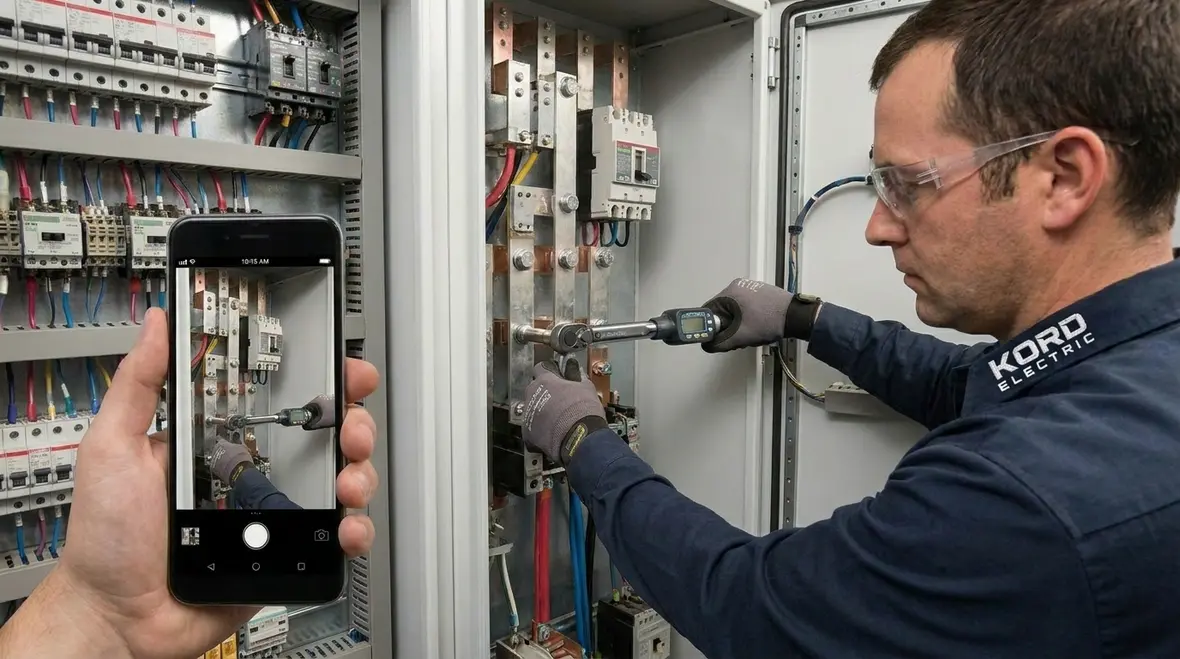
In real facilities, problems rarely announce themselves. However, when teams treat electrical systems as “set it and forget it,” wear and stress build up quietly. For example, in switchgear, moisture and dust can slowly degrade insulation. At the same time, loose connections can create heat pockets that worsen over time.
When Kord Electric develops an electrical preventative maintenance plan, we first map the real risk zones. We look at areas that typically cause costly interruptions, such as main switchboards, distribution panels, motor control centers, and emergency power paths. Then we add the layer most teams skip: we consider how the building operates day to day.
For instance, if a facility runs heavy HVAC loads during peak hours, the plan must reflect that rhythm. Likewise, if a property shares power across multiple tenants or floors, we track load changes and coordination needs. This is not guesswork. Our technicians verify conditions with field testing and visual inspections, then we explain the results in plain terms so facility managers can make smart decisions.

How we build a maintenance schedule that matches how the building runs
Once we understand the system, we translate it into a schedule. We do this so maintenance work aligns with how the facility operates, not how our calendars wish it worked.
We take three steps. First, we inventory equipment and label the “who and what” clearly, including switchgear, transformers, ATS units, UPS systems, and critical feeders. Next, we select tasks by failure mode. Then we set frequencies based on risk level, operating conditions, and past performance.
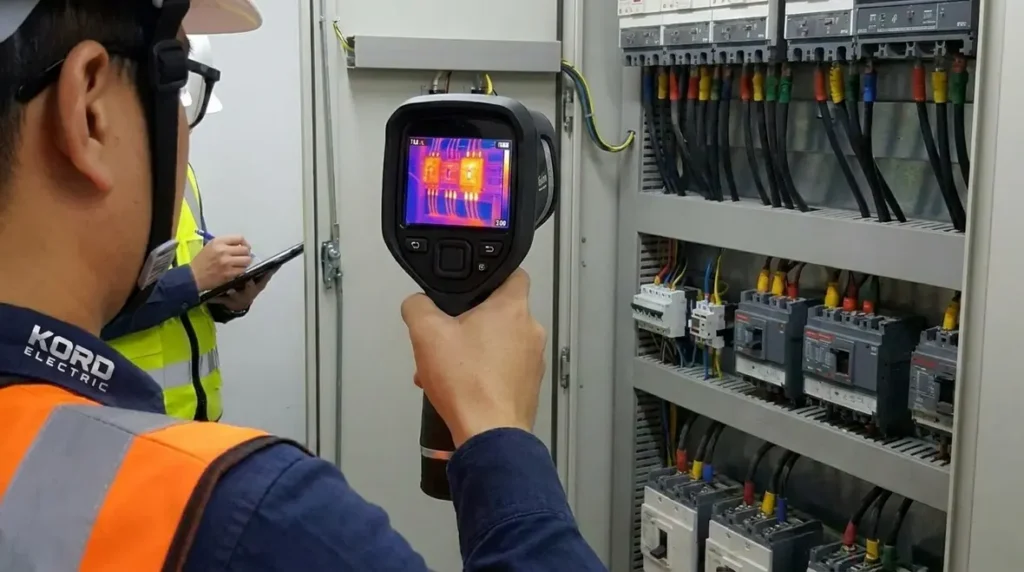
For example, infrared thermography may happen more often on sections that show load cycling and heat buildup. Torque verification and connection checks may require tighter intervals on aging bus bars and frequently accessed panels. Meanwhile, preventive testing for protective devices and grounding can follow a cycle tied to code expectations and the environment.
And yes, sometimes the schedule needs a sense of humor. If a facility expects zero outages, we plan around that reality and prioritize work that can be completed with minimal disruption. We coordinate with our client’s operations team so the plan supports uptime. After all, nobody wants a maintenance event that feels like a surprise pop quiz.
Aligning maintenance with real-world facility pressures
Commercial properties and industrial plants rarely enjoy unlimited downtime. Production windows, tenant expectations, and safety obligations all push back against the idea of “just shut it off for a while.” That is why we treat every electrical preventative maintenance plan as a negotiation between risk, uptime, and reality.
We look closely at seasonal load changes, planned expansions, and known problem areas. If your site is already navigating aging infrastructure or past patchwork repairs, we highlight those zones in the schedule so they receive more frequent attention. That way, your team is not gambling on equipment that is already sending warning signs.
What our technicians check during each electrical site visit
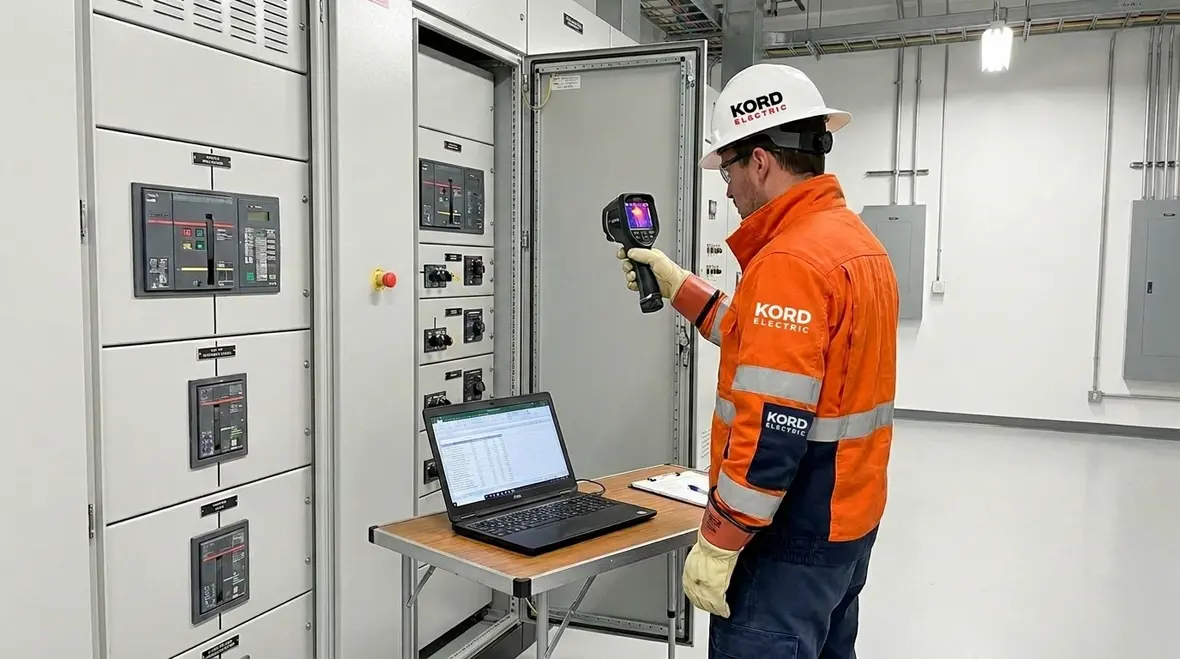
In our day to day work, we focus on practical checks that reveal problems early. Therefore, each visit includes a mix of visual inspection, targeted testing, and documentation that leadership can actually use.
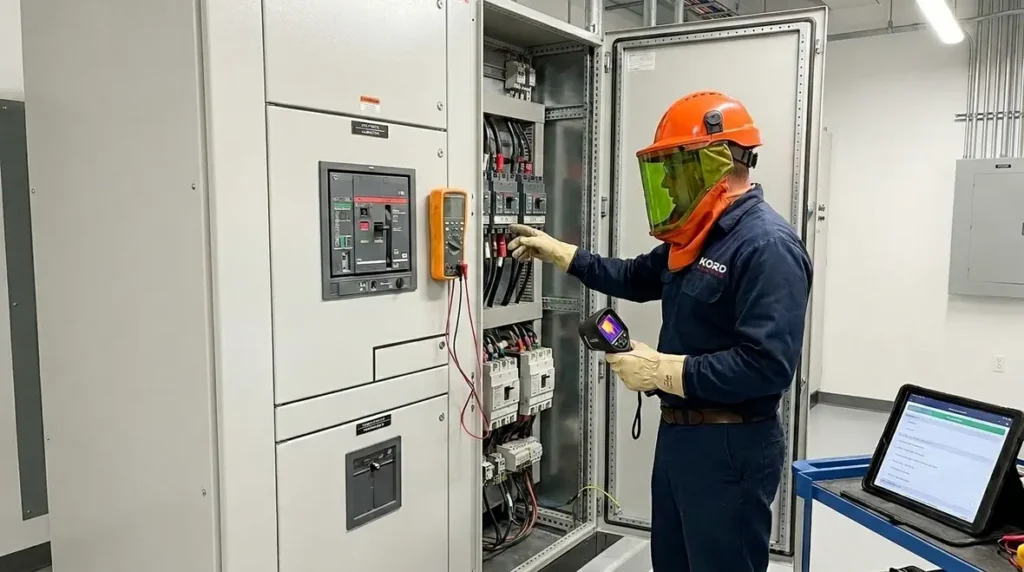
Our expert service staff typically performs the following types of work for commercial and industrial facilities and major property buildings:
- Panel and cabinet inspection to spot corrosion, moisture signs, damaged insulation, and evidence of overheating
- Connection and torque verification on critical lugs, bus connections, and terminations where looseness can drive heat
- Infrared scans to identify temperature anomalies across breakers, phases, and distribution paths
- Protective device review including breaker condition assessment and coordination checks where applicable
- Grounding and bonding verification to support safe operation and stable fault clearing
- Emergency and life safety power checks that confirm ATS and generator transfer readiness
Importantly, we do not stop at “measure and move on.” We document findings with clear notes and photos. Then we recommend actions that match the severity level. If a condition is urgent, we say it directly. If it is trending, we explain the trend and what it could become later. Our technicians also share guidance on operational habits that influence electrical health, such as load spikes and repeated resets.
From field notes to actionable maintenance steps
Every commercial site visit adds another layer to your electrical story. Instead of burying that story in technical jargon, we translate conditions into plain language and straightforward steps. If we see recurring heat at a particular termination, you will know why it matters, what might be causing it, and what to do before it graduates into a shutdown.
Over time, this steady documentation becomes a powerful tool. It supports insurance conversations, informs capital planning, and gives your team a defensible record that shows you are actively managing risk rather than ignoring it.
Testing results, reports, and the language facility teams understand
Many maintenance plans fail because the data never becomes decisions. So Kord Electric turns results into a workflow that helps facility leaders plan budgets and schedule work with confidence.
First, we translate test findings into categories like watch, action soon, and immediate attention. Next, we connect each recommendation to the equipment and the operational impact. Then, we outline options for sequencing repairs during planned windows.
We also include trend tracking. Over time, infrared images, torque checks, and device condition notes tell a story. For example, a small temperature rise at a connection point may look manageable at first. However, when the rise increases across seasons or load cycles, it signals a worsening failure pathway. Therefore, the report helps clients avoid the “run it until it breaks” approach, which is fun for action movies but not for real switchgear.
To keep things clear, our reports highlight what needs attention and why. And because major property buildings and industrial sites often involve multiple stakeholders, we help teams align on next steps using consistent language. Our goal is simple: deliver information that supports action, not confusion.
Building a bridge between technical details and executive decisions
Operations managers, safety directors, and finance leaders may all look at the same report, but they rarely read it the same way. Our role is to translate testing details into the kind of clarity each group needs. We show where electrical preventative maintenance plan work protects revenue, supports compliance, and reduces the odds of unwelcome headlines.
That might mean mapping recommended repairs against production schedules, highlighting insurance and code implications, or simply separating “handle this soon” from “you can safely budget this for next quarter.” Either way, the information moves from paper to practice.
How we handle emergency readiness and critical loads
Commercial and industrial facilities rely on power that must work when it matters most. Therefore, an electrical preventative maintenance plan must include emergency paths, life safety systems, and critical loads, not just the “normal” distribution.
Kord Electric coordinates maintenance considerations for systems such as generator power, ATS operation, UPS support, and critical feeders. We focus on ensuring transfer reliability, confirming that key components respond correctly, and identifying conditions that could block performance under real stress.
In practice, this means we plan for verification work that keeps the safety function dependable. We pay attention to issues like control power reliability, battery health where applicable, and signs of mechanical wear in transfer equipment. Then we recommend next steps based on risk.
Also, we plan the communication. We help facility leaders prepare internal teams for what to expect during testing. As a result, operations stays informed and maintenance stays efficient.
Connecting everyday operations to long-term resilience
Emergency systems only shine when something else goes wrong. That is why we fold them directly into your broader electrical preventative maintenance plan instead of treating them like a side project. When generators, transfer switches, UPS units, and life safety circuits receive regular, disciplined attention, they are far more likely to perform when the normal grid does not.
For sites that already know they have hidden electrical risks behind walls and inside older panels, pairing this emergency focus with a proactive strategy drawn from Kord Electric’s insights on hidden electrical risks in commercial buildings helps close the gaps between everyday reliability and true crisis readiness.
FAQ: Electrical preventive maintenance for commercial facilities
Conclusion: Let Kord Electric protect uptime with a plan that makes sense
If a facility runs critical operations, power reliability cannot rely on luck. Kord Electric builds an electrical preventative maintenance plan designed for commercial and industrial needs, with field testing, clear reporting, and real follow-through. Our technicians and expert service staff explain findings so your team can act with confidence. If you want fewer surprises, stronger safety, and smarter maintenance planning, contact us to assess your site and develop a schedule that fits your building and your uptime goals.
For organizations that are ready to formalize a long-term strategy, you can also explore how structured programs like Kord Electric’s commercial and industrial electrical maintenance plans turn preventative work into a durable asset for safety, uptime, and system longevity.
When you are ready to move from reactive repairs to a disciplined, proactive approach, Kord Electric’s dedicated electrical preventive maintenance services give your facility a clear roadmap for inspections, testing, reporting, and priority-based repairs tailored to commercial and industrial environments.